



Barley Twist Writing Desk
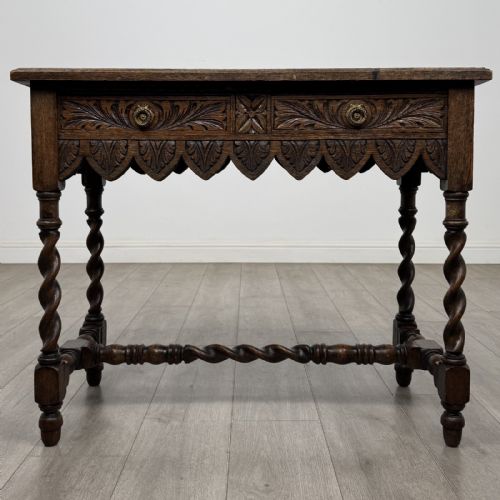
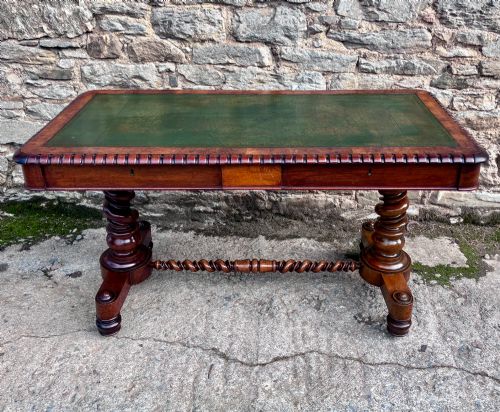
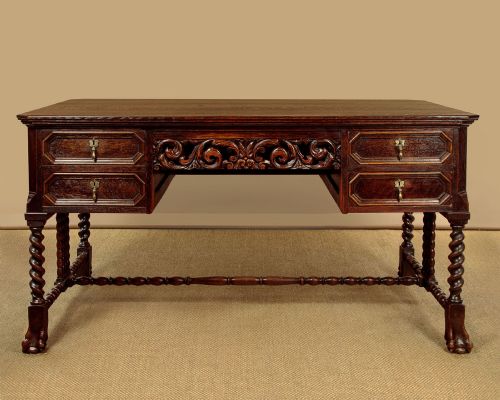
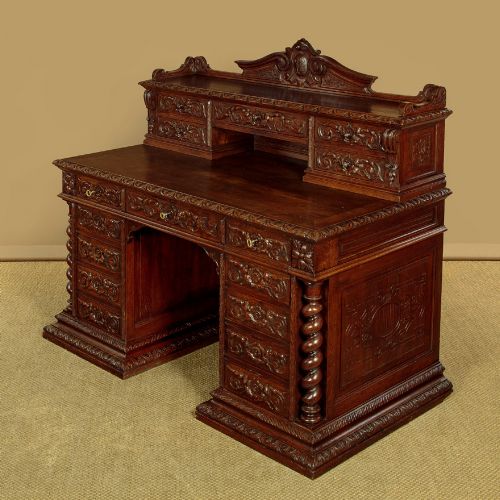
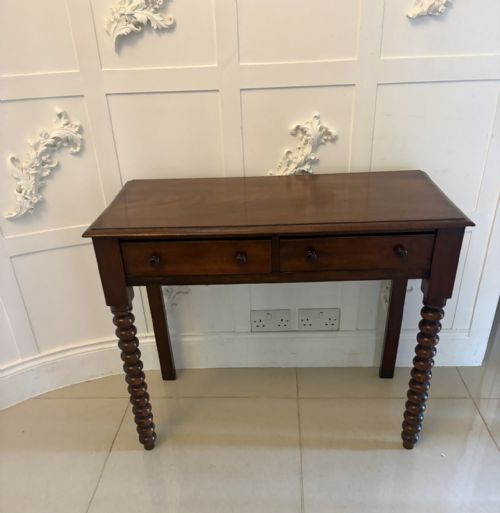
These barley twist writing desks combine robust period timbers with distinctive turned supports, offering a practical workspace loaded with historical character.
Barley Twist Writing Desk
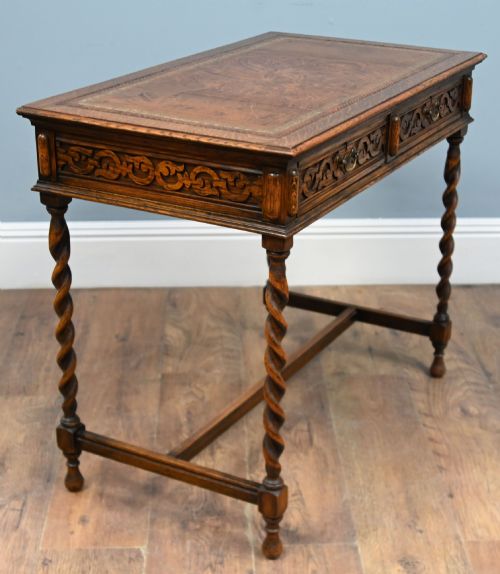
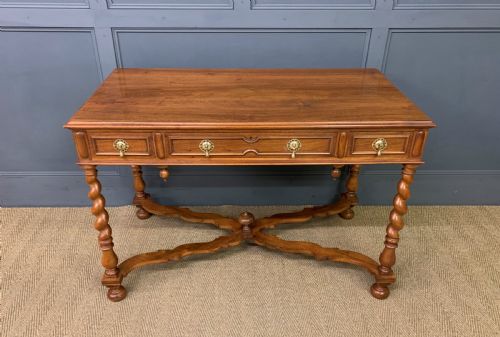
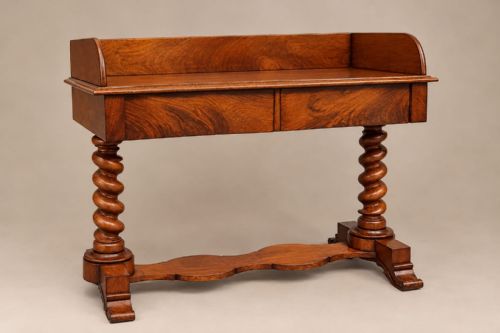
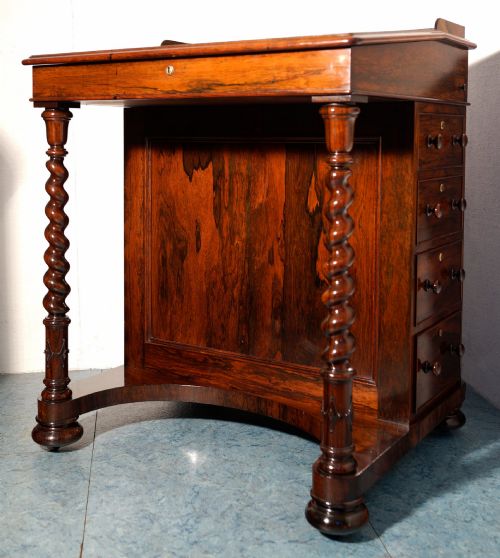
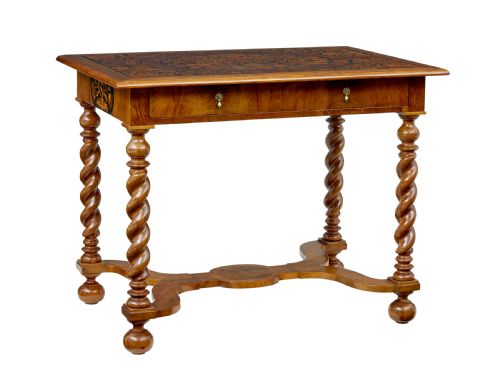
A barley twist writing desk brings substantial character to a room through its spiralled structural supports and period craftsmanship. When exploring barley twist writing desks, buyers frequently encounter oak and walnut examples spanning several centuries.
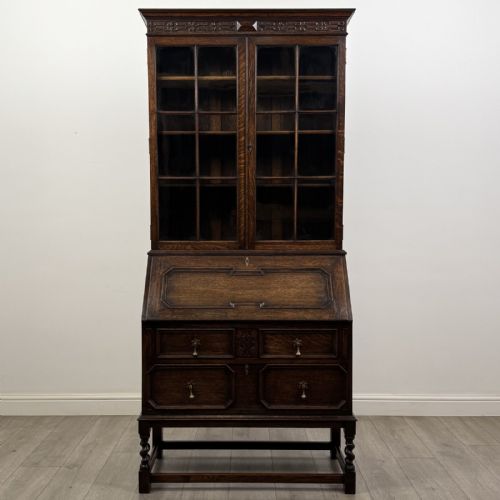
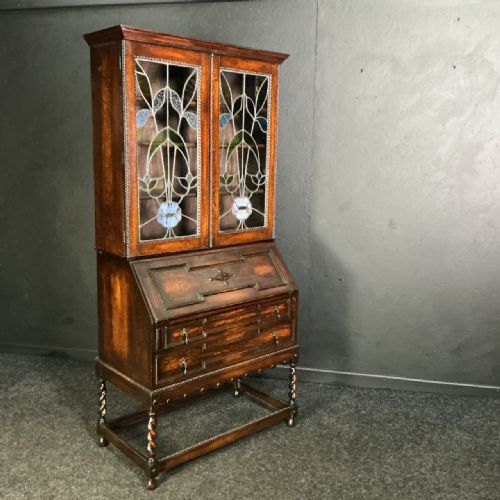
The selection ranges from Victorian carved oak writing tables and nineteenth century neo-Jacobean architect desks to walnut escritoires and Edwardian drop front bureaux. Earlier seventeeth century pieces and later nineteen-twenty Jacobean style interpretations also appear across the inventory.
Most pieces function as compact writing stations, side tables, or fitted bureaux featuring drawers and internal stationery compartments.
Materials and construction methods
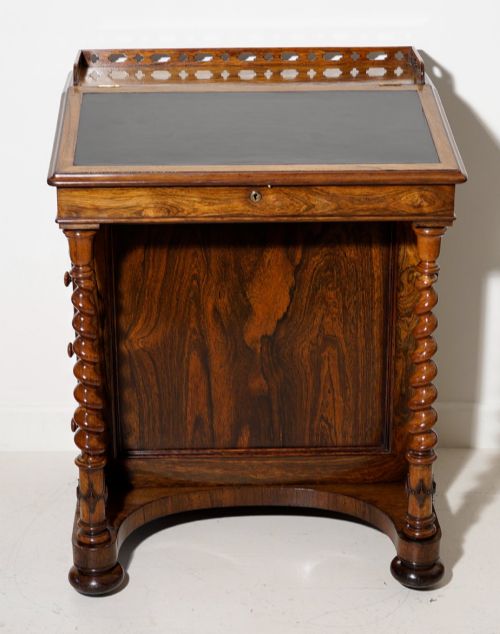
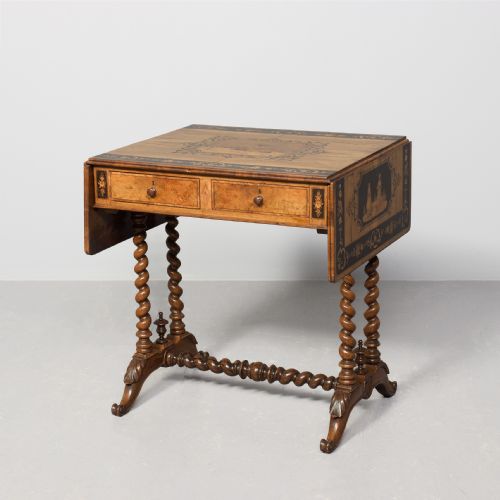
Cabinet makers utilised dense hardwoods including solid oak and walnut, occasionally employing oyster walnut veneer and decorative wood inlay to enrich the surface appearance. Brass handles and leather inserts provide functional contrast against the timber frames.
Turned wooden supports define the structural aesthetic, paired with traditional joinery, carved details, and fall-front mechanisms that conceal fitted interior compartments.
Barley Twist Writing Desk Retail Price Guide 2026
Typical asking prices for barley twist writing desk among the pieces listed under this phrase on Sellingantiques today, from the lower quarter to the upper quarter. They describe what is for sale here now, not the wider market.
Early makers occasionally hid tiny secret compartments behind dummy drawer fronts to stash love letters and loose change.
Assessing craftsmanship and quality
Quality rests in the crispness of the turned spiral supports and the selection of timber figures, where finely grained oak and well-matched oyster veneer elevate the piece. The integrity of the joinery and the original patination of the wood separate superior examples from routine reproductions.
Refined hardware, such as cast brass drawer pulls, and carefully fitted writing interiors indicate a higher standard of original workshop production.
The Barley Twist Writing Desk Glossary
- Barley twist
- A spiralled turning resembling a column of barley sugar, popular on furniture supports during the seventeenth century and later revival periods. This decorative turning technique requires precise lathe work.
- Escritoire
- A tall writing cabinet with a fall-front writing surface concealing internal compartments. These sophisticated pieces often feature veneered surfaces.
- Jacobean Revival
- A nineteenth and early twentieth century style emulating the architecture and furnishings of the early seventeenth century. It relies heavily on dark oak and robust proportions.
- Oyster walnut veneer
- Thin slices of walnut branch wood laid in patterns that resemble oyster shells. This decorative technique creates intricate circular grain effects on cabinet fronts.
Barley Twist Writing Desk: Frequently Asked Questions
How do I date a barley twist desk?
Examine the secondary woods, nail types, and overall construction methods to determine age. Stylistic shifts between seventeenth century origins, Victorian interpretations, and nineteen-twenty revivals provide key chronological markers.
Hardware styles and the wear patterns on the turned supports also help distinguish earlier examples from later revival pieces.
What is an oyster walnut escritoire?
An escritoire is a writing cabinet featuring a fold-down desk surface that reveals small drawers and pigeonholes inside. Oyster walnut refers to the decorative veneer cut crosswise from small branches.
This specific combination offers a compact yet highly ornate workspace suited to refined period interiors.
Are these desks practical for daily use?
Many models provide adequate surface area and storage through built-in drawers or fitted stationery interiors. The sturdy timber construction handles modern writing implements and laptops comfortably.
Consider the writing height and knee clearance of older designs before committing to daily workspace use.
How do I maintain the leather top?
Keep leather writing surfaces clean by dusting gently with a dry cloth and avoiding harsh chemical cleaners. Specialist leather balms help prevent the material from drying and cracking over time.
Protect the surface from direct sunlight and sharp objects to preserve the original finish.