
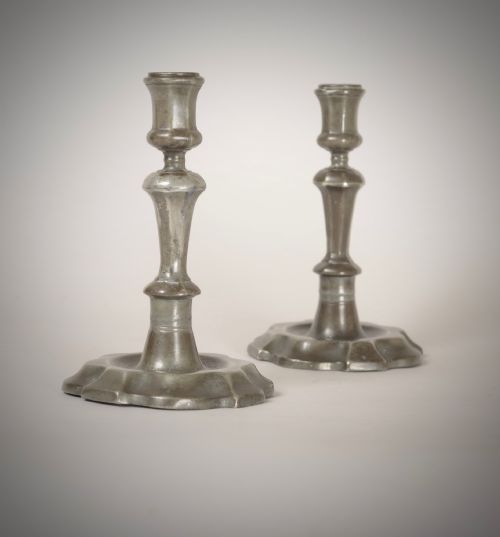
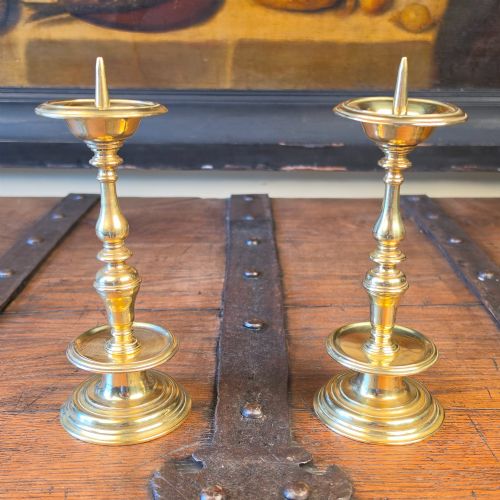
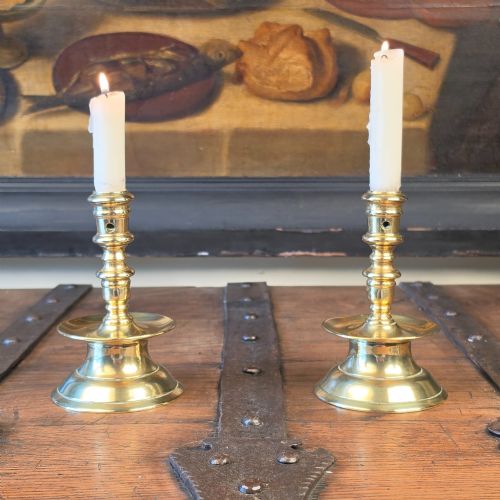
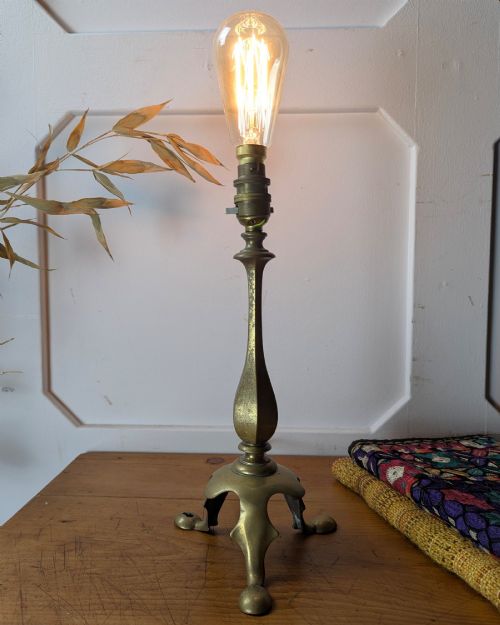


Baluster Stem Candlestick
A baluster stem candlestick brings substantial weight and architectural form to a table, combining utility with distinct period character.
What They Are
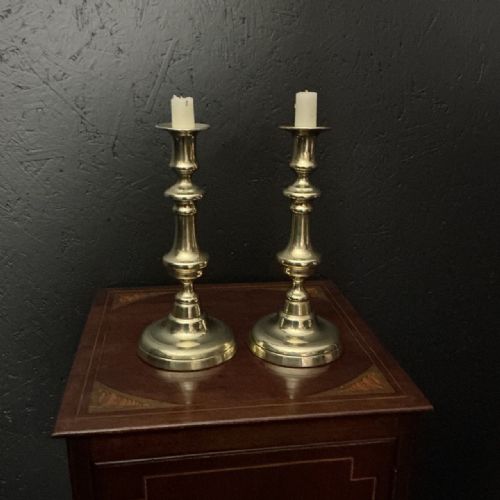
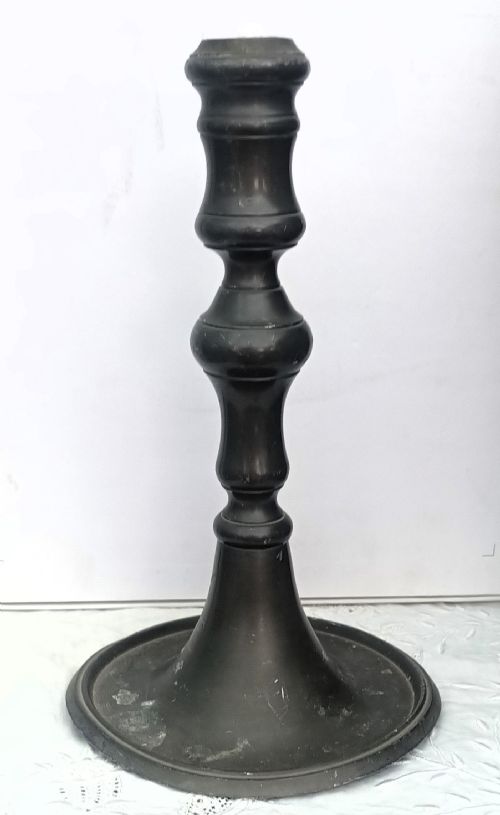
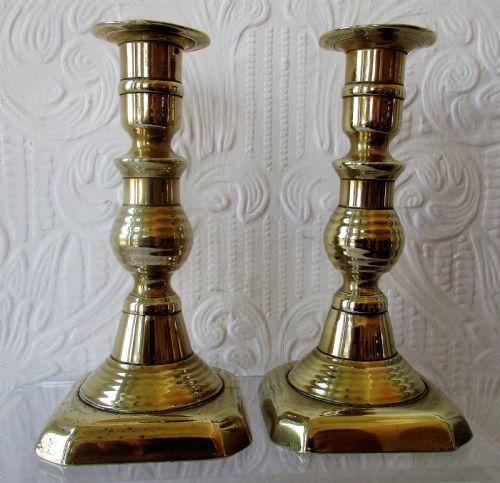
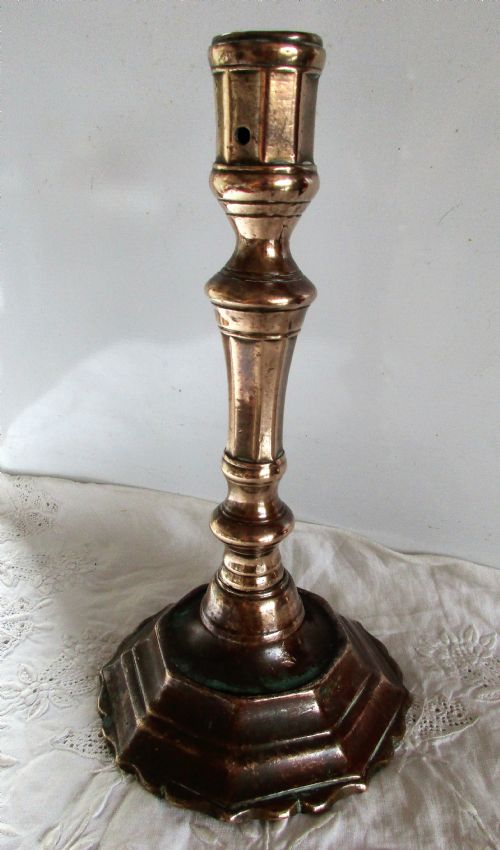
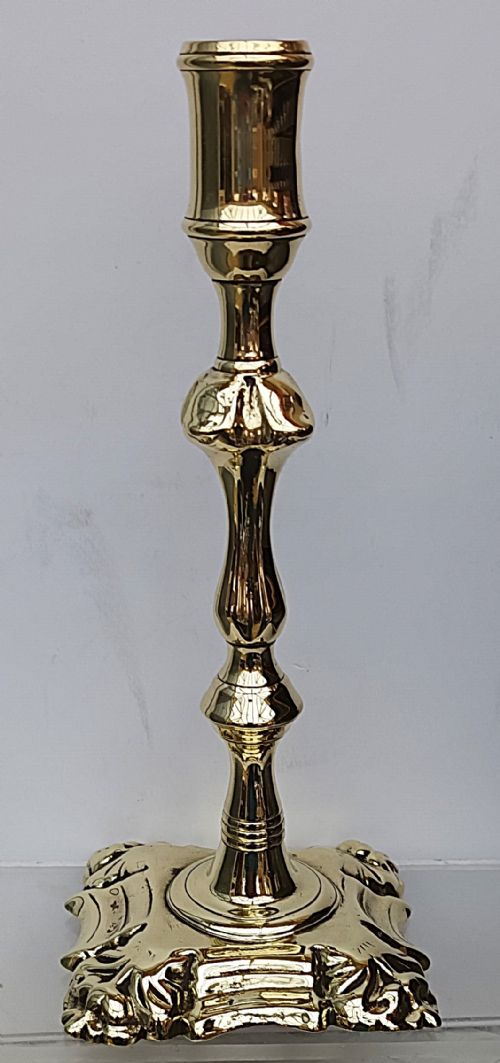
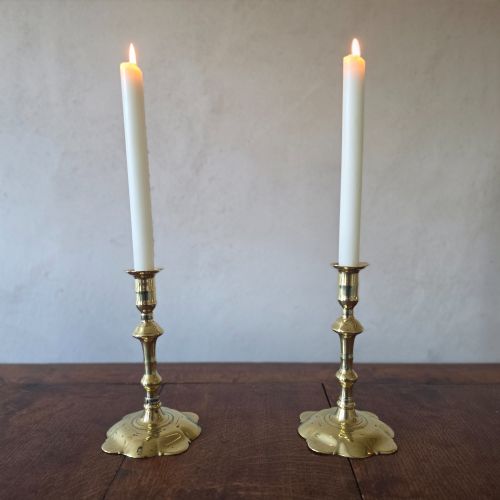
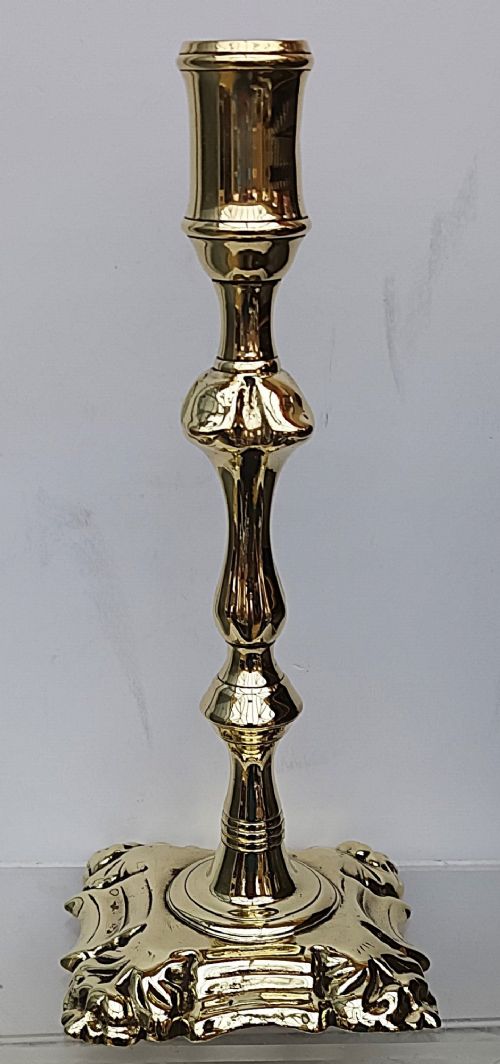
A baluster stem candlestick is an upright support for lighting, defined by its central swollen or turned profile. These pieces emerge from the seventeenth and eighteenth centuries, taking the form of sturdy lighting devices for domestic use.
English examples dominate the selection, spanning Stuart, Queen Anne and Georgian stylistic phases. Makers fashioned them from durable metals to withstand daily handling and candle replacement.
How They Were Made
Artisans produced these candlesticks using metalworking techniques suited to brass, bronze, and pewter. Cast brass and cast bronze dominate the construction, providing both rigidity and a durable surface.
The production process involved casting molten metal into moulds, followed by lathe-turning to refine the profiles of the stem and base. Individual components were often cast separately and joined to create the final silhouette.
Retail Price Guide 2026
Typical UK retail prices for baluster stem candlestick, calculated from the Sellingantiques database of over a million retail prices indexed since 2003. This retail price guide relies exclusively on Sellingantiques data; no external sources or auction records are used, so the figures do not describe the wider market.
Current selections span the seventeenth and eighteenth centuries, utilising brass, bronze, and pewter across Georgian, Stuart, and Dutch Baroque styles.
What Varies in Quality
The distinction between standard examples and finer items lies in the crispness of the casting and the precision of the lathe work. Sharper mouldings and well-proportioned baluster knops indicate superior execution by the maker.
Weight and metal composition also differentiate the pieces. Heavier casts with substantial bases demonstrate a more generous use of material, whereas lighter versions prioritize economy of metal.
The Baluster Stem Candlestick Glossary
- Baluster
- A central architectural column shape, swelling towards the lower part, which forms the distinct stem of the candlestick. This profile provides both visual weight and a secure grip.
- Heemskerk
- A specific type of European candlestick, frequently associated with the seventeenth century, featuring a wide drip pan and a multi-knopped baluster stem. These forms reflect Dutch Baroque influence.
- Stuart
- A period style spanning the seventeenth century, characterising early English metalwork with robust proportions and functional designs. Pieces from this era show simpler, heavier construction methods.
- Georgian
- An eighteenth-century style period covering the reigns of the Georges, noted for refined classical proportions and balanced decorative elements. Candlesticks from this time adopt more formal architectural profiles.
Frequently Asked Questions
What is a baluster stem candlestick?
A baluster stem candlestick is a metal lighting device featuring a central swollen shaft that rises from a stable base to support a candle socket.
These pieces date from the seventeenth and eighteenth centuries, utilising durable materials like brass, bronze, and pewter for domestic illumination.
How do I identify a seventeenth century piece?
Seventeenth-century examples often display Stuart or Dutch Baroque characteristics, such as heavier construction, wider drip pans, and simpler Heemskerk forms.
These earlier items prioritize solid utility and robust metal casting over the more refined classical proportions seen later.
What metals were used to make them?
Maker materials consist primarily of brass, cast brass, bronze, and pewter. These metals offered the necessary durability and weight for holding candles securely.
Cast construction methods allowed artisans to shape the metal into the characteristic knopped and turned baluster profiles.
How do Queen Anne and Georgian styles differ?
Queen Anne and Georgian styles represent the eighteenth-century evolution toward more structured, elegant domestic objects. Georgian candlesticks typically refine the baluster silhouette with balanced architectural lines.
These later pieces reflect prevailing stylistic shifts while maintaining the core functional purpose of domestic lighting.