
Austrian Bronze Figurine
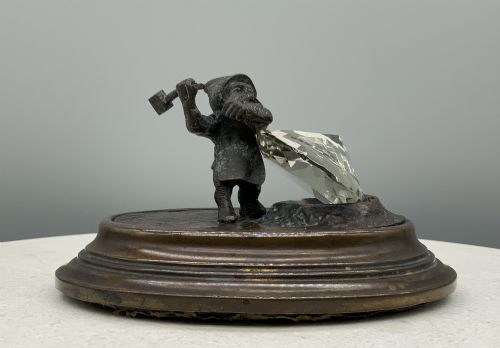
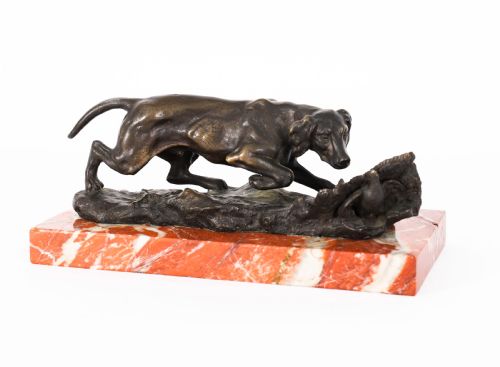
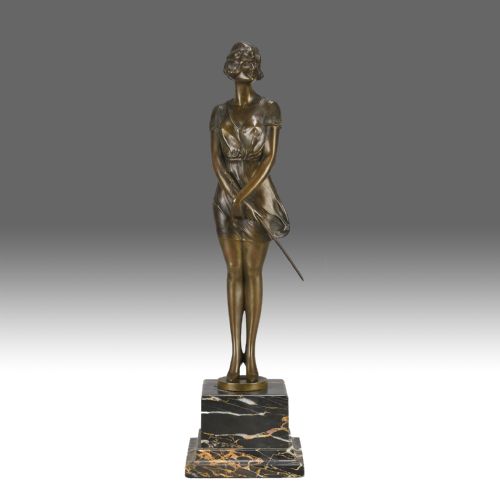
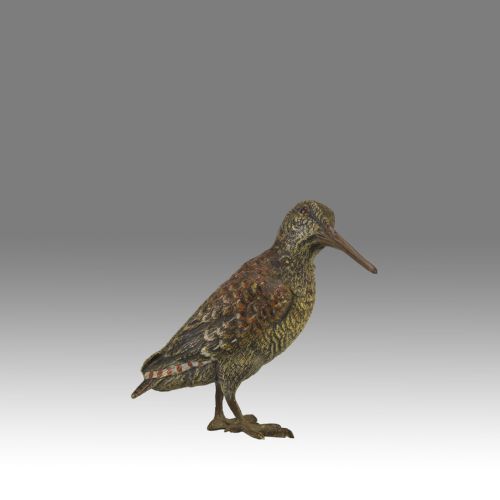
An austrian bronze figurine brings cabinet-scale animal and human subjects into your home through expressive metalwork.
What these pieces are
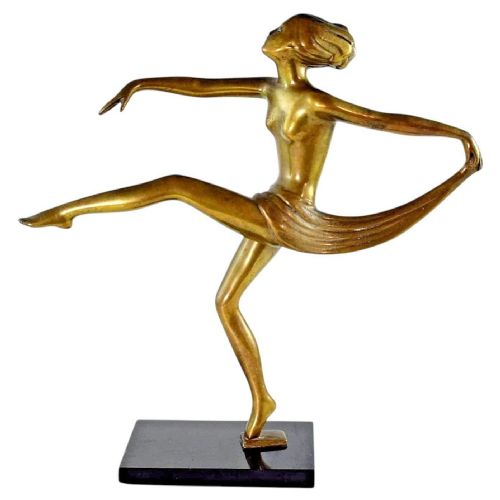
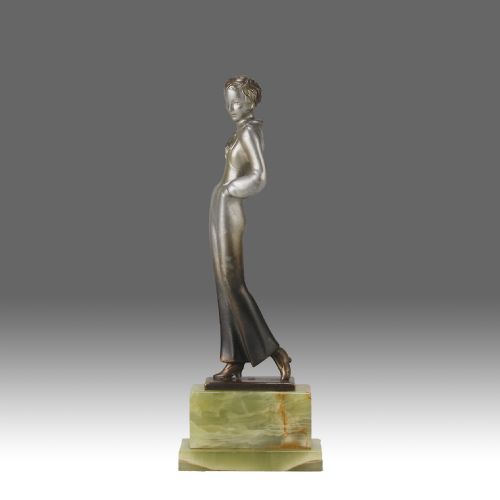
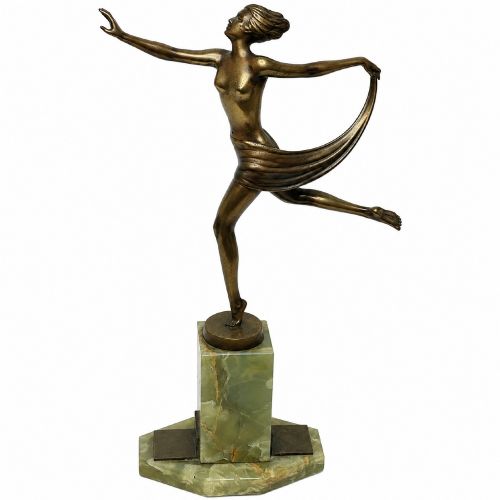
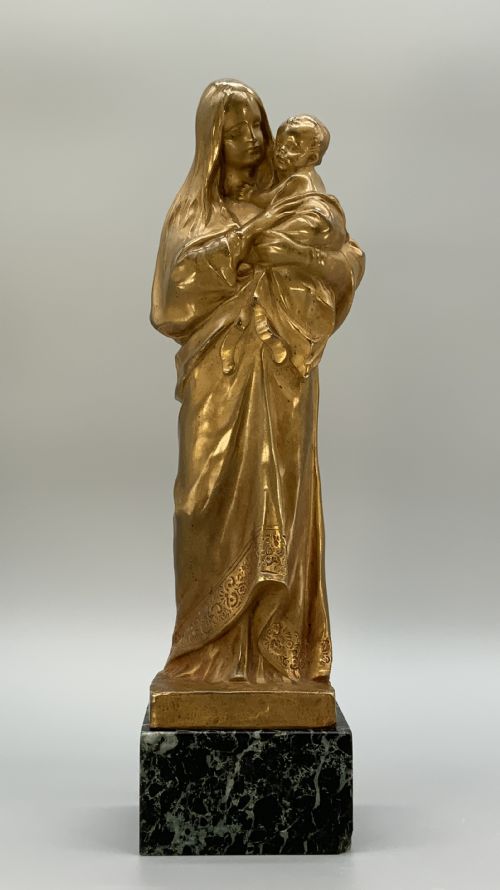
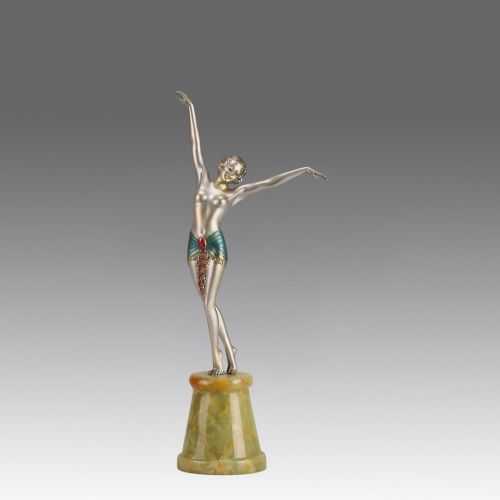
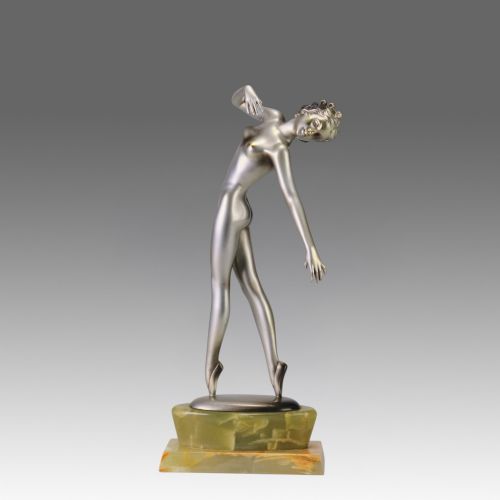
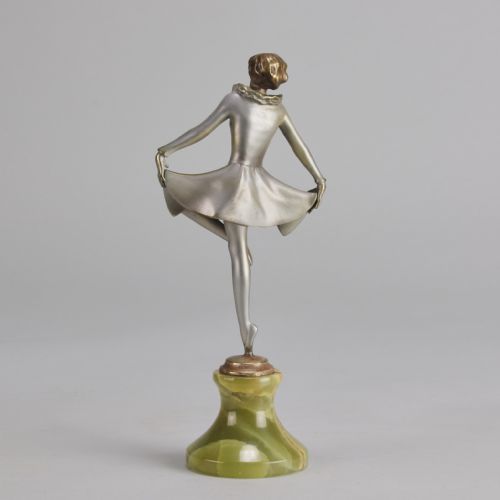
When you search for an austrian bronze figurine, you encounter small sculptural works originating from central European workshops during the early twentieth century. The selection spans the nineteen hundreds, nineteen tens, and nineteen twenties, capturing various human figures and domestic or exotic animals.
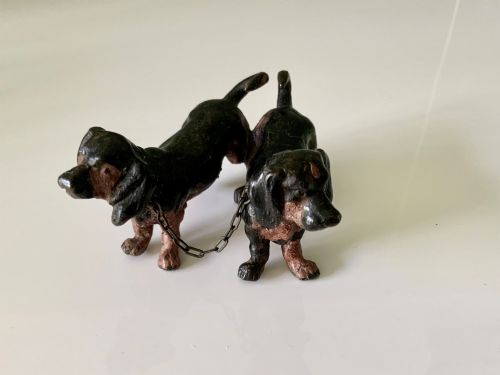
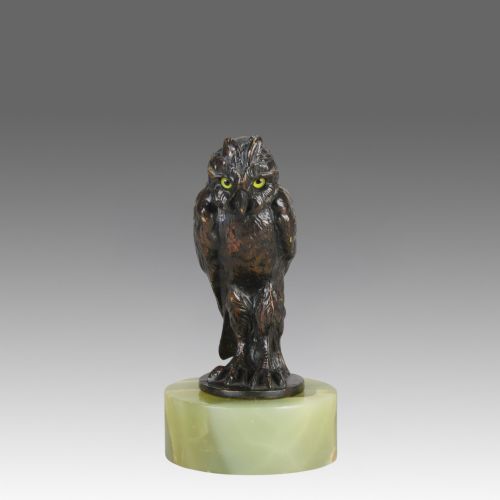
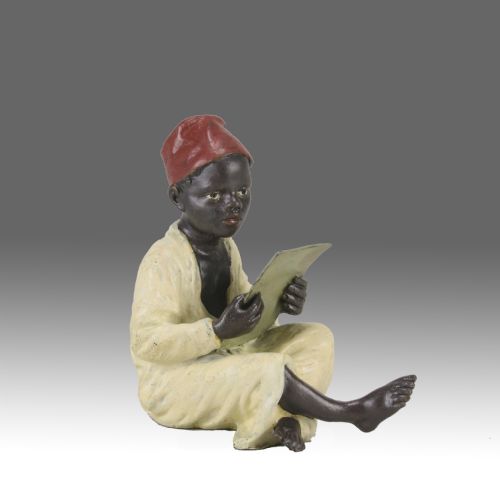
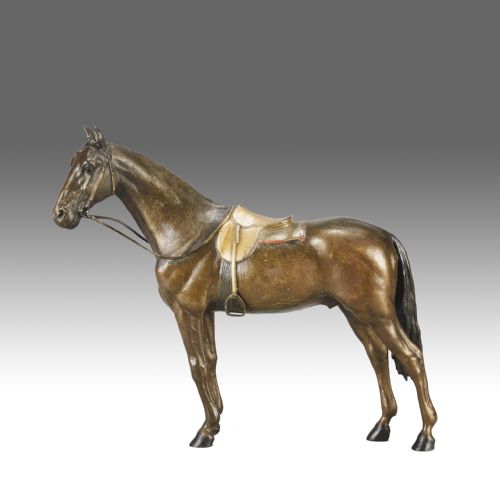
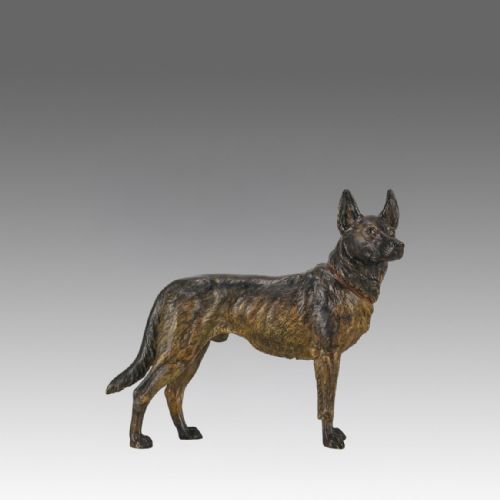
You are most likely to meet cold-painted examples on this page, often depicting cats, dogs, horses, or human subjects styled within orientalist themes. These pieces represent a distinct genre of cabinet bronzes designed for display on desks and mantelpieces.
How they were made
The makers cast these objects in bronze before applying cold paint or polychrome enamel directly onto the metal surface without subsequent firing. This technique allowed for intricate surface detailing on subjects such as horses, dogs, and human figures.
Certain examples incorporate additional materials, mounting the bronze sculptures onto marble bases to provide weight and stability for display.
Retail Price Guide 2026
Typical UK retail prices for austrian bronze figurine, calculated from the Sellingantiques database of over a million retail prices indexed since 2003. This retail price guide relies exclusively on Sellingantiques data; no external sources or auction records are used, so the figures do not describe the wider market.
A sword merchant stands ready for trade alongside a cat and a boxer dog.
What varies in quality
Artistic execution dictates value, where pieces attributed to known masters such as Franz Bergman or Lorenzl display superior anatomical accuracy and character compared to unsigned workshop output.
Franz Bergman·Lorenzl
The Austrian Bronze Figurine Glossary
- Cold-painted bronze
- A metal sculpture technique where paint is applied to a cold bronze casting rather than fired in a kiln. This method allows for delicate surface polychromy that requires careful handling to preserve.
- Vienna bronze
- Small-scale bronze figures produced in Austrian workshops, particularly noted for naturalistic animal subjects and orientalist scenes. These pieces gained international popularity during the late nineteenth and early twentieth centuries.
- Orientalism
- An artistic style reflecting western fascination with Middle Eastern and North African subjects. Figures such as Arab boys and sword merchants frequently appear within this thematic tradition.
- Polychrome enamel
- A vitreous or painted finish utilising multiple colours to decorate the surface of a metal object. It enhances the visual depth of costumes and animal coats.
Frequently Asked Questions
What is an austrian bronze figurine?
These objects are small cast metal sculptures produced primarily in Vienna during the early twentieth century, depicting animals, humans, and genre scenes.
Craftsmen finished many of these pieces with cold-painted polychrome enamel to highlight fine details on the figures.
How do I care for cold-painted bronze?
Protect the delicate cold-painted surface by keeping the sculpture away from direct sunlight and moisture, which can degrade the polychrome enamel.
Dust the piece gently with a dry, soft brush rather than using liquid cleaning products or polishes.
How do I date these figurines?
Examine the style, subject matter, and signature markings to determine the period, noting that many examples date from nineteen hundred to nineteen thirty.
Art deco figures often feature distinct modernist styling, whereas earlier pieces lean towards naturalism and orientalist themes.
Were these figures mounted on bases?
Certain figural sculptures include integral bases or are mounted onto marble plinths to provide structural support and display elevation.
Smaller animal subjects typically stand independently without additional base materials.