



Austrian Art Deco Bronze
Austrian art deco bronze works capture the elegance and movement of the interwar period through striking figural sculptures and functional items.

Austrian Art Deco Bronze
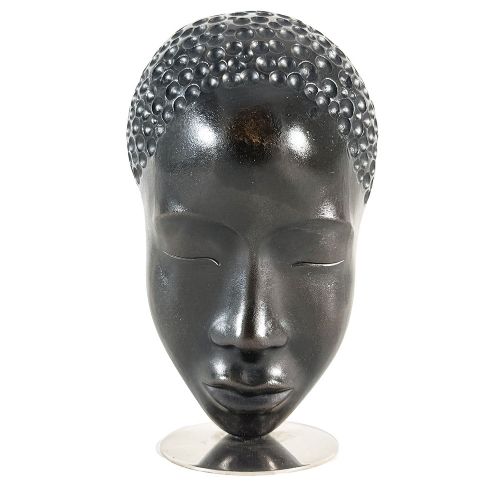
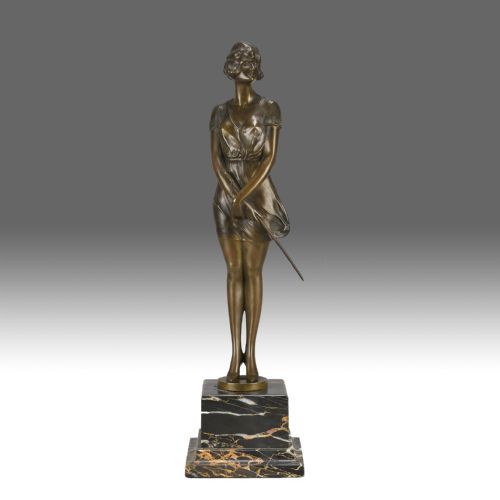
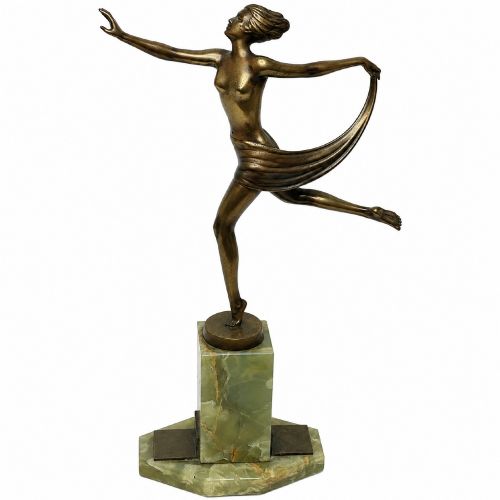
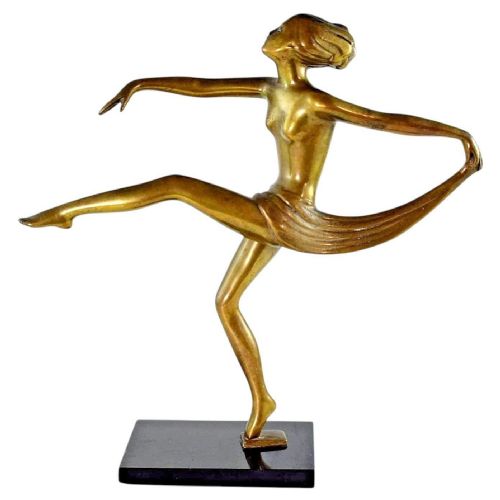
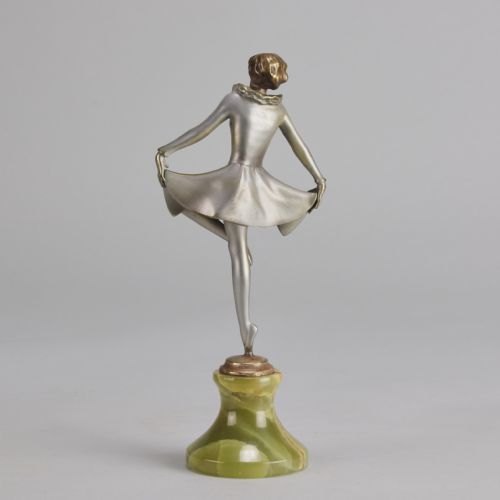
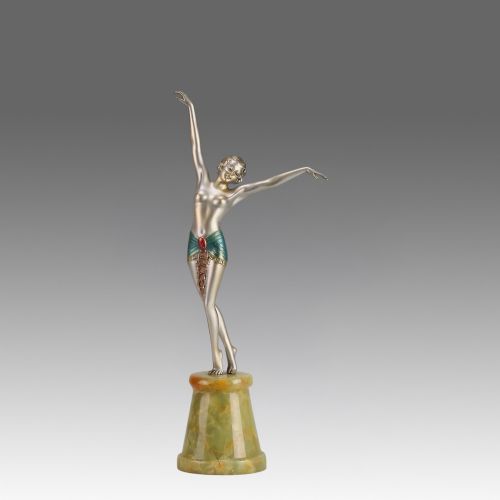
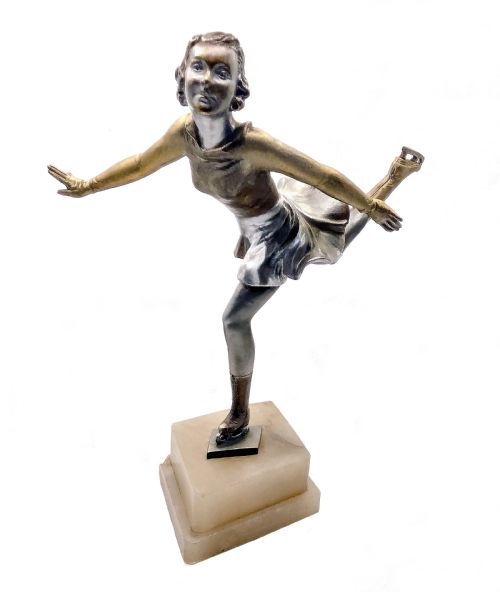
When you search for austrian art deco bronze, you are looking at figural sculptures, statuettes, and desk accessories created during the 1920s and 1930s. The most common pieces you will meet on this page are dynamic female dancers, alongside animal studies and figural bookends.
The forms range from solo dancers with outstretched arms and scarf dancers to power lifters and jousters. Many of these figures stand upon integral or fitted stone bases designed to anchor the slender forms.
Materials and Construction
The pieces on this page are fashioned from metal, predominantly bronze and spelter, often enhanced with cold-painted surfaces or silvered finishes. Cold painting involves applying naturalistic or vibrant pigments directly to the metal surface after casting.
Sculptures frequently incorporate stone elements, with onyx and marble utilised for circular or stepped bases. Certain works also integrate wood components to complement the metallic figures.
Austrian Art Deco Bronze Retail Price Guide 2026
Typical asking prices for austrian art deco bronze among the pieces listed under this phrase on Sellingantiques today, from the lower quarter to the upper quarter. They describe what is for sale here now, not the wider market.
Materials span standard bronze, silvered bronze, and spelter, anchored by bases of marble, onyx, and wood.
Distinguishing Quality
The distinction between tiers of work rests upon the crispness of the casting and the preservation of the applied cold-painted or silvered surfaces. Finer examples display meticulous facial expressions, detailed hand-finishing, and smooth patination.
The choice and integration of the supporting stone base also influence the overall character of the piece. Substantial marble and onyx plinths provide better weight distribution and aesthetic balance compared to simpler mounts.
Bruno Zach·Josef Lorenzl·Franz Gruber
The Austrian Art Deco Bronze Glossary
- Cold-painted bronze
- A metal sculpture painted with unfired oil-based colours after casting. This technique creates vivid polychrome clothing and realistic skin tones on dancers and animal studies.
- Spelter
- A zinc alloy commonly utilised as a substitute for bronze during the period. It takes patination and cold paint well while offering a lighter weight.
- Onyx
- A banded variety of chalcedony frequently used for the weighty bases of figures. Its natural striations contrast sharply with the dark patinated metal above.
- Silvered bronze
- Metal treated with a silver finish rather than a traditional dark patina. This method produces a bright reflective surface popular on interwar decorative objects.
Austrian Art Deco Bronze: Frequently Asked Questions
What subjects do these figures show?
The subjects focus heavily on female dancers, stage performers, and athletic figures in active poses. You will also find animal studies, including birds and squirrels.
Alongside standalone sculptures, makers produced functional items such as bookends, lamps, and trinket boxes featuring the same figural style.
Are these pieces dated to specific years?
The listings on this page originate primarily from the 1920s and 1930s. This timeframe encompasses the height of the art deco movement in Austria.
Individual works often carry dates or attribution to specific makers active during those decades. The overall aesthetic relies on sleek geometric lines and stylised human forms.
How should I display them at home?
These sculptures suit placement on flat surfaces such as mantelpieces, desks, or dedicated display cabinets. Their heavy stone bases provide stability on wooden furniture.
Keep them away from direct sunlight and damp environments to protect the painted and patinated metal surfaces from degradation.