




Austrian Art Ceramics
Austrian art ceramics combine sculptural ambition with striking glazes, offering collectors expressive figures and vases that define turn-of-the-century interiors.
Austrian Art Ceramics
When you search for austrian art ceramics, you encounter a diverse selection of sculptural figures, monumental vases, and decorative plaques dating from the late nineteenth century through the interwar decades. The selection spans distinct aesthetic movements, from flowing floral motifs to geometric lines, capturing the evolution of continental design.
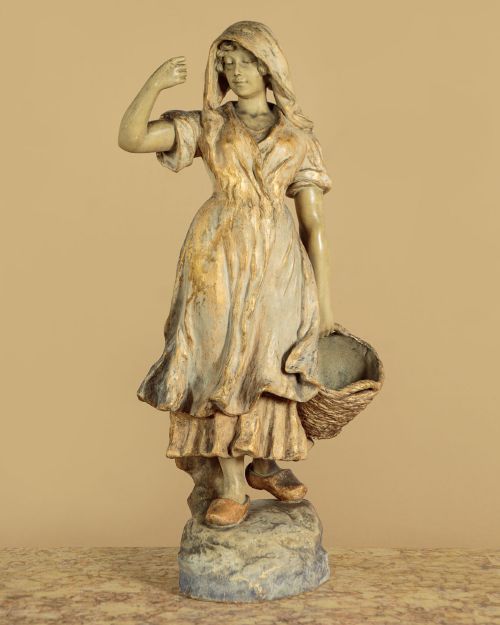
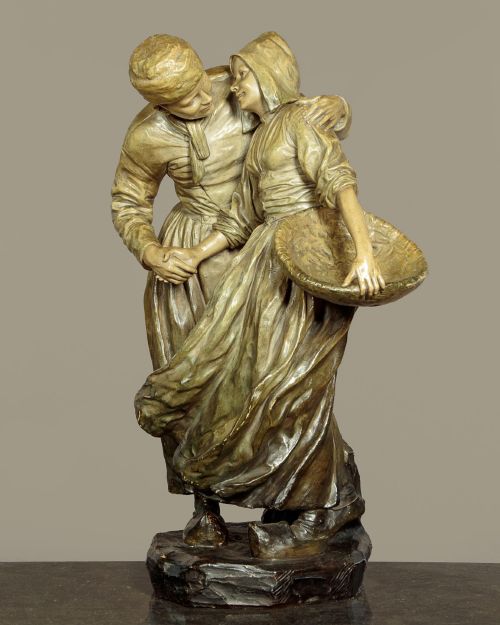
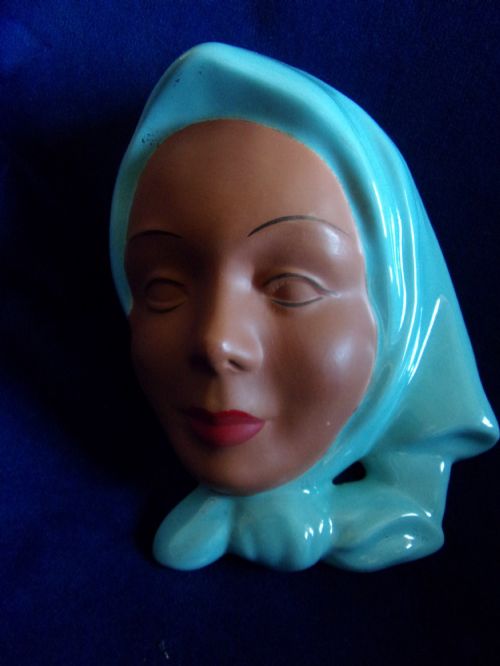
You are most likely to meet pieces from the Art Nouveau period on this page, particularly sculptural terracotta figures and iridescent porcelain vases. Works representing Classical Revival and Art Deco also appear, alongside majolica jardinières and wall masques that reflect the diverse output of Central European kilns.
How they were made
Potters and sculptors utilised terracotta, earthenware, and porcelain as the primary foundations for these works. Slip casting allowed workshops to produce complex figurative compositions and relief plaques with consistent detail.
Makers applied intricate glazes, bronzed slips, and touches of gilt to enrich the surfaces of vases and sculptures. This combination of ceramic bodies and surface finishes produced the varied textures seen across the period.
Materials represented include terracotta, porcelain, earthenware, and glazed ceramic bodies enhanced with gilt and bronzed slip.
What varies in quality
The degree of sculptural nuance and the crispness of the modelling distinguish standard wares from exceptional creations. Pieces originating from prominent Viennese studios typically display superior anatomical definition in figures and more ambitious proportions in vases.
The complexity of the glaze work and the precision of hand-finishing further separate individual examples. Mastery in applying lustres, coloured slips, and gilding elevates the visual impact of both earthenware and porcelain objects.
Goldscheider·Ernst Wahliss·Julius Dressler·Eichwald·Turn Vienna
The Austrian Art Ceramics Glossary
- Terracotta
- A porous, unglazed or glazed fired clay body used extensively for figurative sculptures and wall plaques. Its reddish-brown tone provided an ideal warm base for painted or bronzed finishes.
- Majolica
- A type of earthenware coated with an opaque tin-glaze and painted with metallic oxide colours. It allowed makers to achieve vibrant hues on jardinières and decorative vessels.
- Slip
- Liquid clay applied to ceramic bodies for casting or surface decoration. Coloured slips created contrasting details on figures and ewers.
- Wall Masque
- A sculptural ceramic plaque depicting a human face or theatrical mask, designed to be hung on a wall. These pieces became particularly popular during the Art Deco era.
- Cornucopia
- A horn-shaped vessel symbolising abundance, utilised as a distinct form for ornamental vases. This classical shape was reinterpreted through flowing organic lines during the Art Nouveau period.
Austrian Art Ceramics: Frequently Asked Questions
How do I identify an Ernst Wahliss piece?
Ernst Wahliss items often bear factory marks relating to the Vienna works or Alexandra Porcelain Works. Look for porcelain figures and vases displaying distinct late nineteenth or early twentieth-century styling.
Examining the modelling quality and the characteristically delicate floral or figurative subjects helps confirm attribution to this important Viennese house.
What is the difference between terracotta and earthenware figures?
Terracotta utilises a porous, unglazed or slip-finished reddish clay body that emphasises sculptural texture. Earthenware employs a wider range of clay compositions often sealed with opaque or coloured glazes.
Both mediums were used by major Viennese foundries to create expressive busts, maidens, and allegorical subjects.
How should I display large ceramic vases safely?
Large monumental vessels and ewers require sturdy, level surfaces away from high-traffic household areas. Their weight and proportions demand stable placement to prevent accidental tipping.
Positioning them where natural light catches the metallic slips or iridescent glazes enhances their decorative impact.
Are Art Deco wall masques different from Art Nouveau plaques?
Art Deco wall masques feature stylised, geometric facial expressions characteristic of the interwar period. Art Nouveau plaques rely on flowing organic lines, floral motifs, and naturalistic hair.
Comparing the contouring and decorative motifs clarifies the stylistic shift between the two eras.