

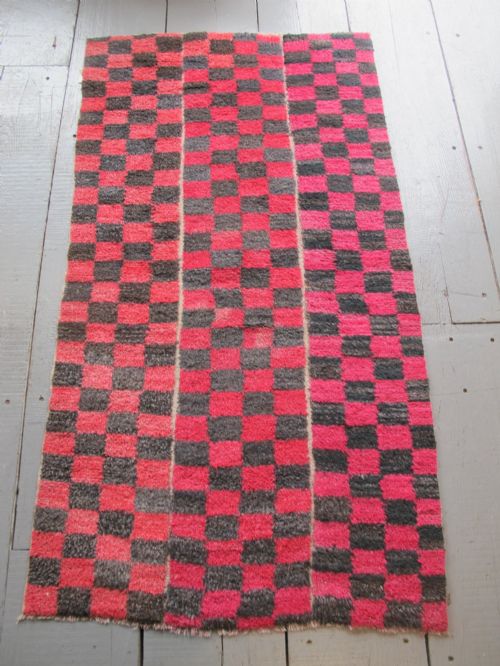


Asian Wool Area Rug
An asian wool area rug brings historic nomadic artistry and enduring textile traditions directly onto the floor of a modern room.
Asian Wool Area Rug
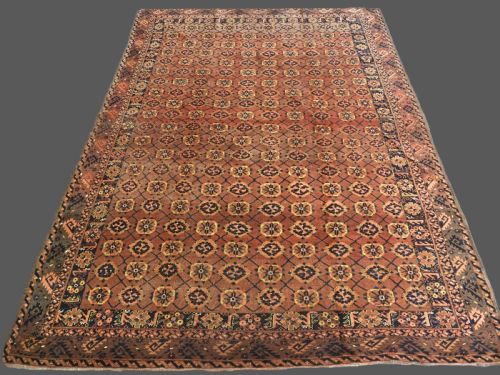
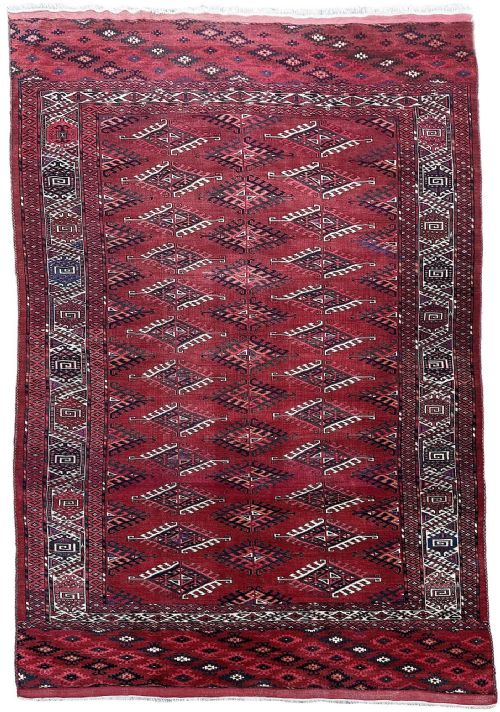
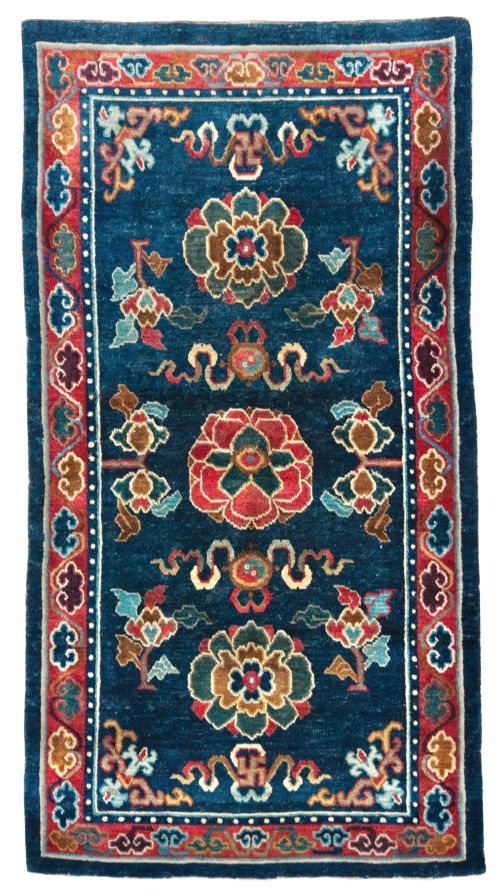
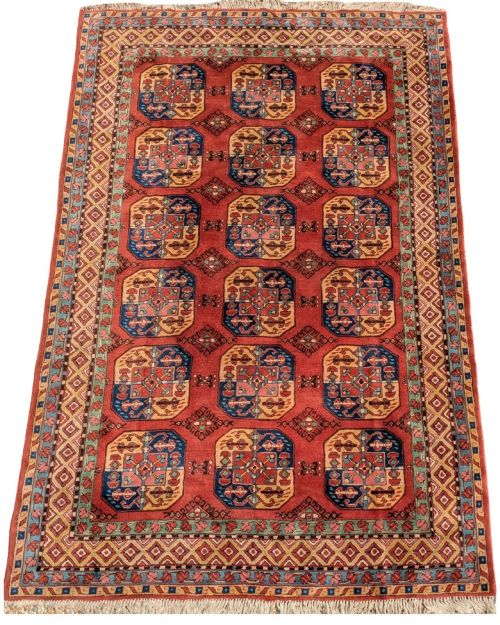
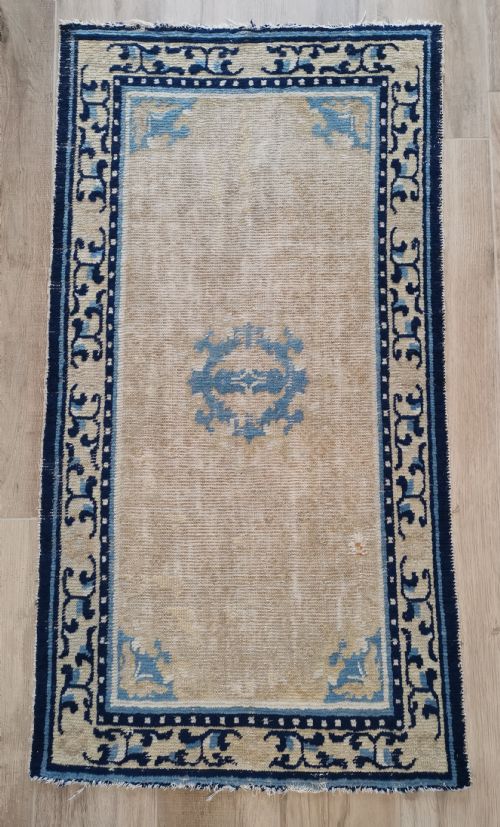
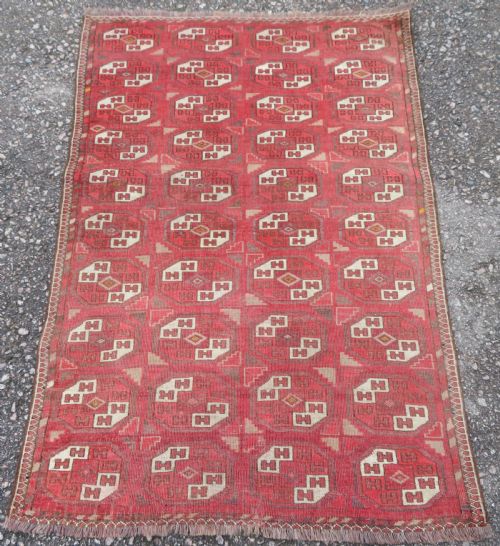
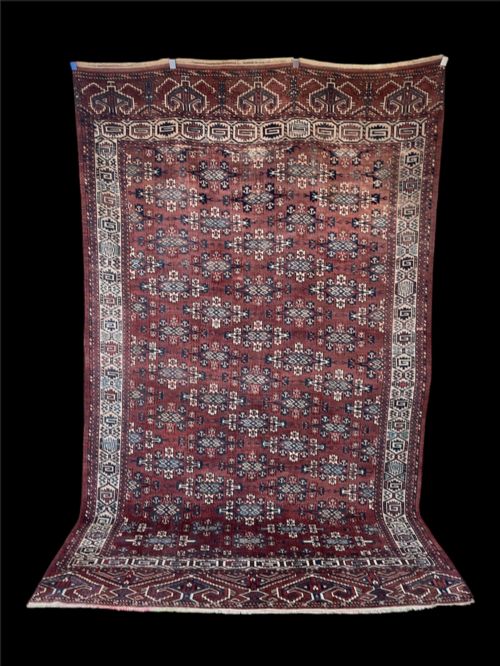
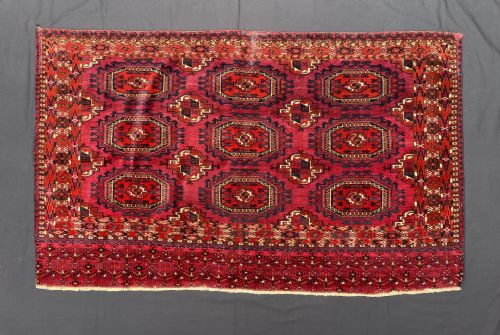
When searching for an asian wool area rug, buyers encounter tribal carpets, village floor coverings, and smaller meditation or tent door rugs originating from Central Asia, Tibet, and China.
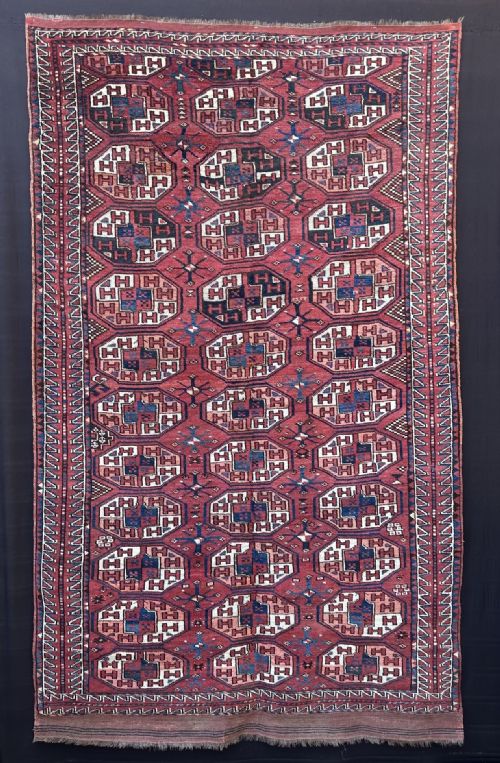
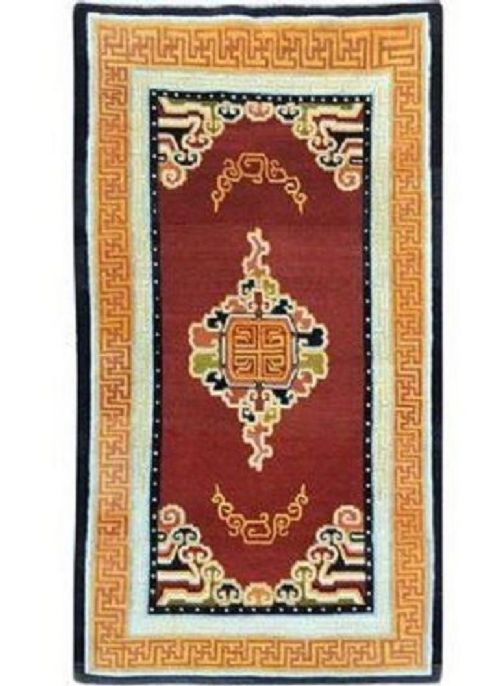
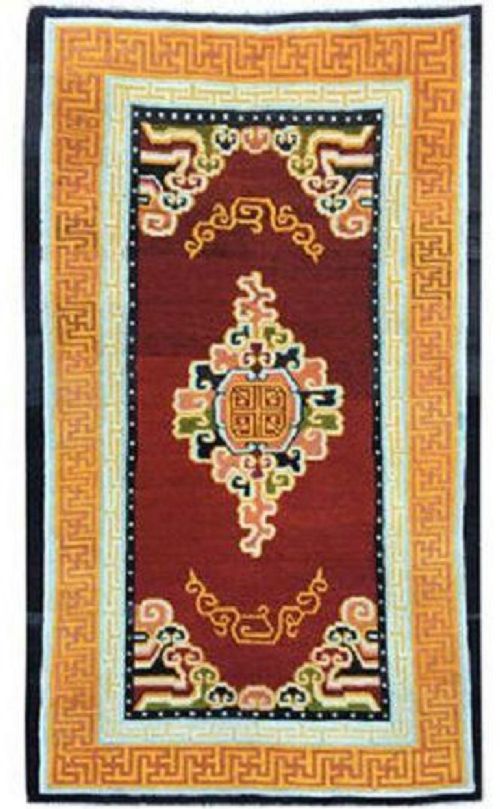
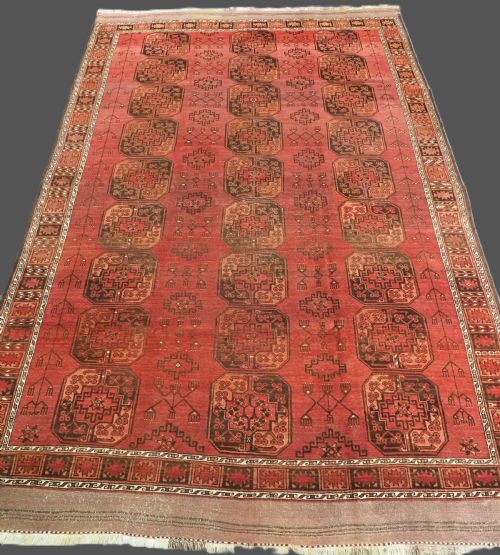
The selections span distinct regional weaving traditions, with Turkmen tribal groups, Ersari, Yomut, and Tekke makers appearing frequently alongside Tibetan and Chinese Ningxia examples.
These textiles take various functional forms on this page, ranging from expansive main carpets for large rooms down to smaller prayer rugs, torba faces, and specialised kelim weaves.
Distinctions in craftsmanship
Quality separates along the precision of the weave and the complexity of tribal guls, lattice patterns, or pictorial elements executed by the makers.
The depth, stability, and absorption of natural dyes heavily influence the visual impact of a rug, alongside the physical condition of the wool pile and foundational weave over decades of age.
Listings span production dates from the mid-nineteenth century through the 1930s, showcasing Turkmen, Tibetan, and Chinese styles.
The Asian Wool Area Rug Glossary
- Gul
- A repeating primary medallion or octagonal motif characteristic of Turkmen tribal carpet design. These distinct geometric emblems often identify the specific tribe or clan that produced the textile.
- Engsi
- A specialised carpet type traditionally hung over the interior doorway of a yurt or nomadic tent. They feature distinct cross-shaped panel divisions rather than a central open field.
- Khaden
- A Tibetan sleeping or sitting rug, usually longer than it is wide. These smaller format mats often display simple geometric or Buddhist-inspired symbols.
- Soumak
- A flatweave textile technique utilising a wrap-and-weft method that creates a ribbed surface texture on the front and loose floats of yarn on the back. This structure provides greater durability than standard kilims.
- Chuval
- A large nomadic storage bag face woven in tribal regions for domestic utility. They frequently display multiple guls and were later preserved as collector pieces after being separated from their backing.
Asian Wool Area Rug: Frequently Asked Questions
What is an asian wool area rug?
These pieces are historic hand-knotted or flatwoven floor coverings originating from nomadic tribes, villages, and monastic centres across Central Asia, Tibet, and China.
They reflect centuries-old cultural motifs, regional dying methods, and traditional weaving techniques preserved across generations.
How were these rugs used originally?
Nomadic and village communities utilised them as floor carpets, tent door hangings, storage bags, and specialised mats for meditation, prayer, or sleeping.
Larger carpets anchored communal living spaces, while smaller formats served practical domestic functions within portable dwellings.
How do I live with an antique rug?
Integrating these textiles into a modern interior requires a breathable, non-slip underlay to stabilise the flatweave or pile carpet on hard floors.
Positioning them away from direct, harsh sunlight and using gentle, professional cleaning methods preserves the natural wool fibres and dyes.
How can I tell the tribal designs apart?
Tribal distinctions rely on observing specific repeating motifs, such as the characteristic guls of Tekke or Yomut weavers, or the palette choices typical of Ersari carpets.
Structural traits like weave density and edge finishes also point toward specific regional workshops or nomadic groups.