







Asian Red Lacquer Table
An asian red lacquer table brings a striking crimson surface and rich regional character into a room.
Asian Red Lacquer Table
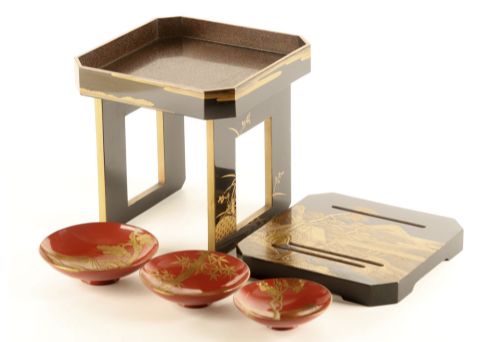
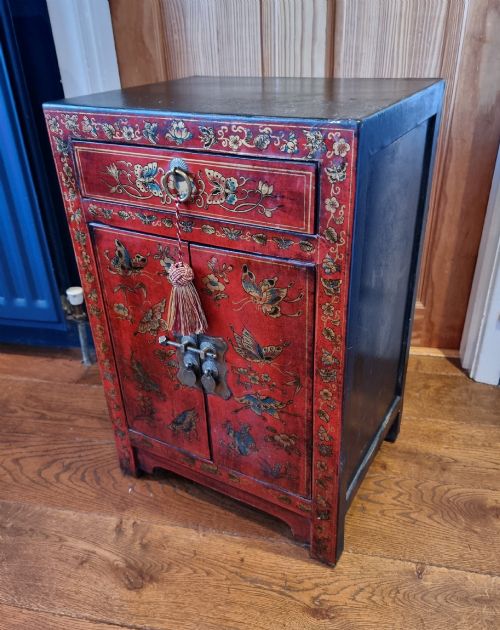
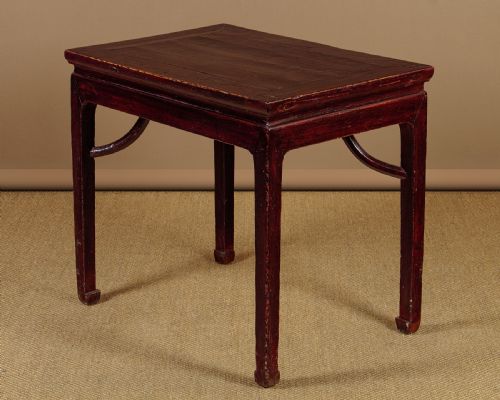
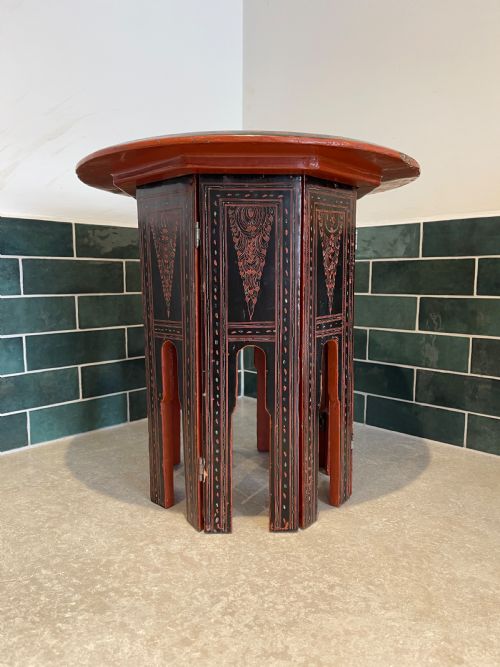
When you search for an asian red lacquer table, you encounter low occasional pieces, side tables, and altar tables spanning the eighteenth century through the early twentieth century. These furnishings originate from diverse traditions including Chinese export, Qing Dynasty, Japanese Meiji, and Burmese workshops.
The version you are most likely to meet on this page is a nineteenth-century Chinese red lacquer table or a Burmese lacquered table from around nineteen twenty. Forms range from compact altar tables and low tea tables to side desks and console tables.
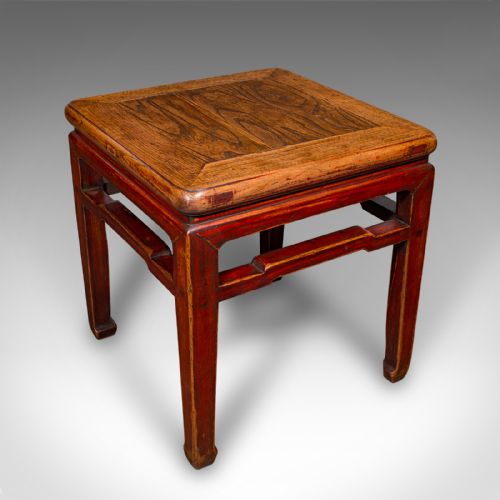
Regional variations span Chinese elm construction, Japanese chabudai designs, and Anglo-Burmese interpretations. Each piece reflects specific domestic and ritual uses across Asian and colonial contexts.
How they were made
Carpenters built the foundational framework using solid timbers such as elm and various hardwoods. Artisans then applied multiple layers of lacquer over the wooden substrate, often incorporating pigment to achieve deep red tones.
Surface decoration frequently involved intricate carving or applied finishing touches to enhance the visual depth. Brass fittings occasionally provided structural reinforcement and functional accents on drawers or corners.
One cheerful item records a temple drum disguised in red lacquer, proving that rhythm and red furniture occasionally share the exact same address.
What varies in quality
The standard of execution in the lacquer application dictates the refinement of the surface. Smooth, even finishes with stable pigment layers demonstrate superior craftsmanship compared to uneven or degraded coats.
Structural integrity depends on the quality of the underlying timber framework, such as seasoned elm or hardwood. Well-joined corners and preserved joinery distinguish finer regional examples from simpler utility pieces.
The Asian Red Lacquer Table Glossary
- Lacquer
- A durable finish applied in successive coats to wood surfaces. It cures to form a hard, smooth protective layer that resists moisture.
- Altar table
- A long, narrow furnishing traditionally used for display or ceremonial purposes in domestic spaces. These tables often feature distinctive upturned ends or carved aprons.
- Chabudai
- A short-legged traditional dining or tea table used while kneeling on tatami mats. They appear in Japanese contexts and offer a compact occasional surface.
- Cinnabar
- A mineral pigment traditionally used to impart a vibrant red hue to lacquerware. It provides both the distinctive colour and historical authenticity of many Asian pieces.
Asian Red Lacquer Table: Frequently Asked Questions
How were red lacquer tables used?
These tables served various practical and ritual functions within traditional households. Lower forms accommodated dining and tea ceremonies while larger console and altar surfaces held decorative objects.
Today, they adapt easily as accent surfaces in contemporary rooms. Their vibrant colour makes them natural focal points for lamps or displays.
How do I care for lacquer furniture?
Protect the surface by avoiding direct sunlight and excessive humidity fluctuations. Clean gently with a soft, dry cloth without harsh chemical polishes.
Maintaining stable indoor conditions preserves the integrity of the wooden substrate and the layered finish. Careful placement ensures the longevity of the lacquer coat.
What periods do these tables represent?
The selection includes pieces spanning from the eighteenth century through the Victorian era and into the early twentieth century. Examples encompass Qing Dynasty designs and later Japanese Taisho or Burmese works.
Each period brings distinct proportions and regional decoration styles. Dating relies on construction techniques and stylistic markers recorded across the inventory.
Are these tables solid wood?
The underlying structures utilise natural timbers such as elm and various hardwoods. Skilled joinery forms the stable carcass necessary to support the layered lacquer finish.
Exterior surfaces receive multiple applications of pigment and lacquer over the timber base. This combination provides both structural strength and decorative impact.