


Asian Porcelain Baluster Vase
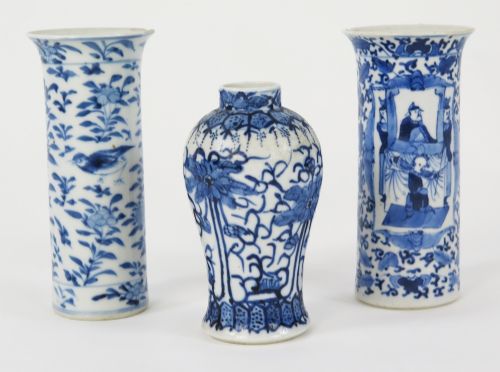
An asian porcelain baluster vase stands out for its graceful trumpet neck and swelling body, bringing centuries of skilled ceramic design into a room.
Asian Porcelain Baluster Vase
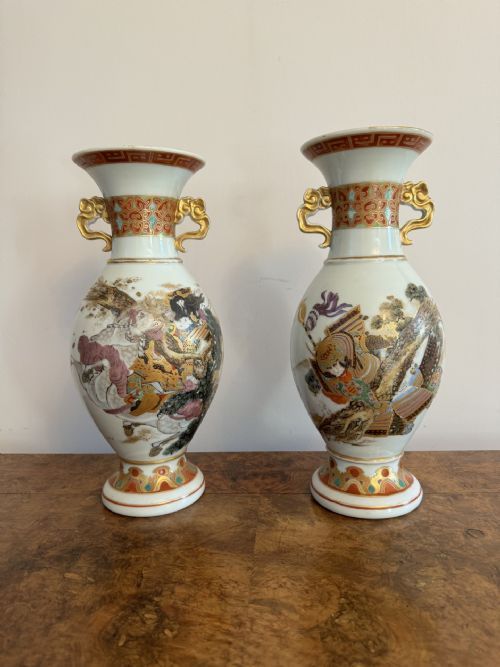
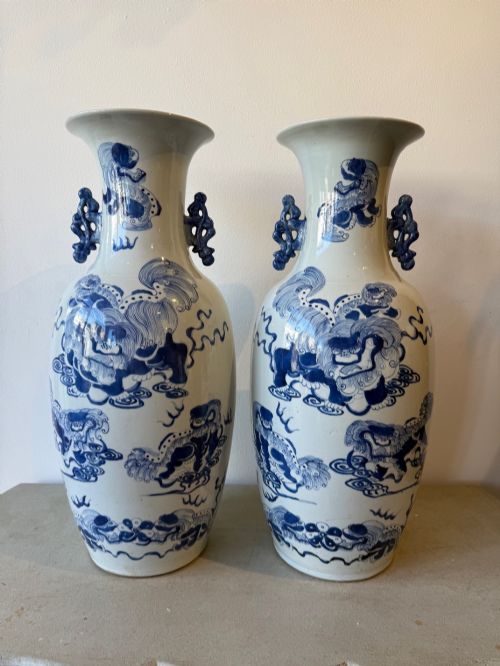
When you search for an asian porcelain baluster vase, you encounter a distinct vessel shape defined by a narrow neck that broadens downward before tapering towards a stable base. The examples gathered here span centuries of production from Chinese and Japanese kilns, taking forms from blue and white storage shapes to elaborately painted display pieces.
The most common versions met on this page date from the nineteenth century and the early twentieth century, reflecting the strong export trade of those periods. Makers utilised traditional techniques to produce both handled vessels and floor-standing pieces, some of which were later adapted with electrical fittings to serve as table lamps.
Chinese production represented in these listings includes blue and white porcelain alongside Famille Verte and celadon glazes, often bearing earlier reign marks. Japanese counterparts showcase the robust palettes of Imari, Kutani, and Satsuma, demonstrating the distinct artistic traditions of the Meiji period.
How they were made
Potters shaped high-fired ceramic clay on the wheel or pressed it into moulds to create the characteristic curvaceous profile of the vessel. Artisans then applied underglaze cobalt or overglaze enamel pigments by hand before a second firing fixed the colours beneath a glassy surface.
Selected vessels received additional decoration in gold leaf or gilding to highlight painted panels, while others incorporated brass elements, carved wood stands, or fabric shades when converted for domestic lighting purposes.
Listings feature porcelain vessels created across the nineteenth and twentieth centuries, alongside select seventeenth and eighteenth-century examples.
What varies in quality
The precision and detail of the hand-painted decoration set the finest examples apart from standard commercial wares. Master painters achieved exceptional tonal depth in blue and white pigments and remarkable fineness in multi-coloured enamel compositions.
Proportion and potting technique also determine distinction, where the balance between the neck, shoulder, and foot remains harmonious and intentional. Well-preserved surfaces with minimal wear to enamels and gilding indicate careful preservation over generations.
MAKUZU KOZAN
The Asian Porcelain Baluster Vase Glossary
- Baluster
- A vertical ceramic form characterised by a narrow neck, swelling body, and spreading foot, resembling the architectural pillar of the same name.
- Imari
- A traditional Japanese porcelain style featuring rich iron red, underglaze blue, and gold highlights, widely produced for export during the Edo and Meiji periods.
- Famille Verte
- A Chinese porcelain palette dominated by green enamel overglaze colours, developed during the Qing dynasty alongside other colour-family classifications.
- Celadon
- A pale green jade-like glaze achieved through iron oxide fired in a reduction kiln, prized for its subtle colour and smooth tactile quality.
- Kutani
- Japanese painted porcelain and pottery originating from Ishikawa prefecture, known for bold pictorial scenes rendered in vibrant enamels and gold.
Asian Porcelain Baluster Vase: Frequently Asked Questions
What is an asian porcelain baluster vase?
An asian porcelain baluster vase is a ceramic vessel featuring a curved silhouette with a flared neck and a wide shoulder tapering toward the base. These pieces originated in traditional East Asian kilns and were created for both decorative display and functional use.
Over centuries, potters in China and Japan refined this classic shape to showcase intricate underglaze blue painting, multi-coloured enamels, and textured glazes. Today, collectors value them for their sculptural form and historical craftsmanship.
How were these vases used historically?
Historically, these vessels served as ornamental centrepieces in scholars' retreats, temples, and elite homes. Large floor-standing versions filled empty architectural corners, while smaller lidded jars stored precious commodities.
Many examples found in Western collections arrived via maritime trade routes during the nineteenth and early twentieth centuries. Some pieces were later wired for electricity to function as decorative table lamps while retaining their original ceramic bodies.
How do I identify the period of a vase?
Dating relies on examining stylistic markers, potting techniques, and pigment characteristics specific to particular dynasties or imperial eras. For instance, nineteenth-century Japanese pieces often display the dense, colourful palettes associated with the Meiji period, while older Chinese works may feature reign marks from earlier emperors.
One must look at the quality of the clay body, the ageing of the glaze surface, and the style of the painted motifs. However, reign marks painted on the base often honour historical periods rather than indicating the exact year of manufacture.
How do I care for antique porcelain?
Antique porcelain requires gentle handling and stable environmental conditions to prevent damage to fragile glazes and overglaze enamels. Cleaning should be limited to dusting with a soft, dry cloth without harsh chemical solvents.
When placed as lamps or heavy decorative objects, ensure they rest on secure, level surfaces away from high-traffic areas. Protecting the base with a padded mat prevents scratching both the ceramic foot and the furniture beneath.