
Blue Glaze Urn
A blue glaze urn brings rich cobalt depth and sculptural form to a room, drawing the eye with enduring ceramic artistry.
Blue Glaze Urn
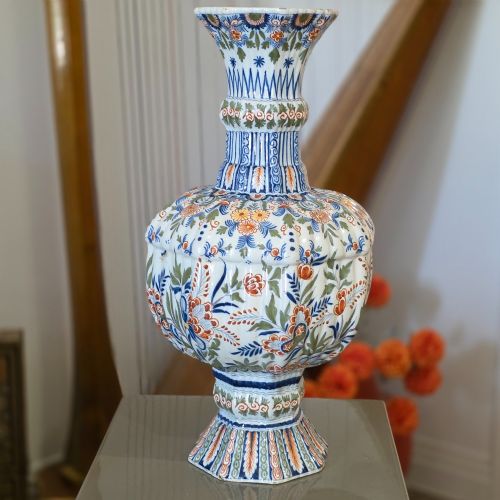
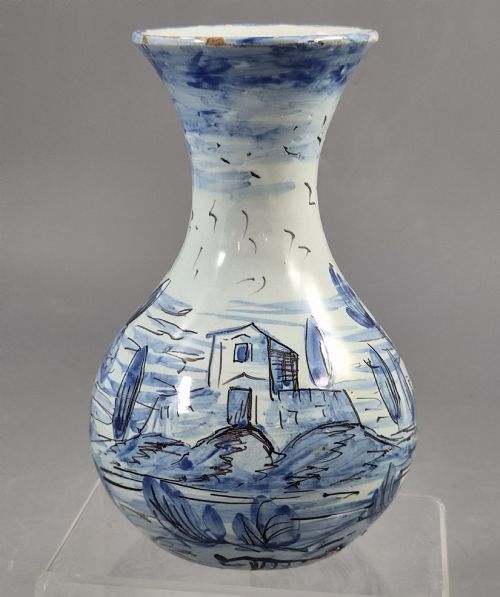
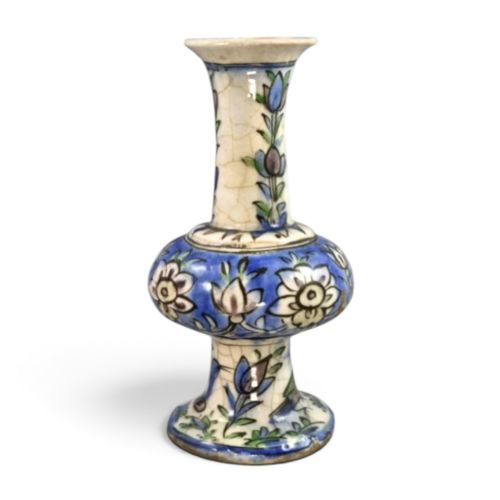
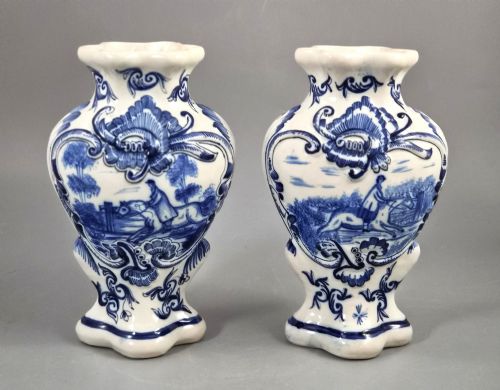
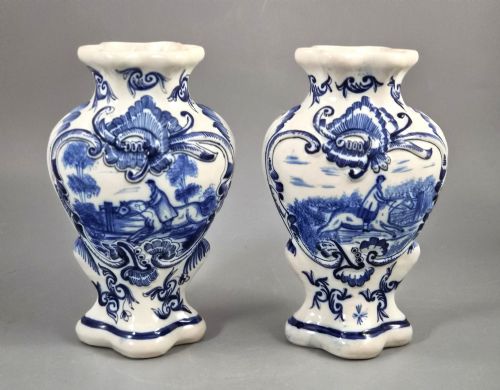
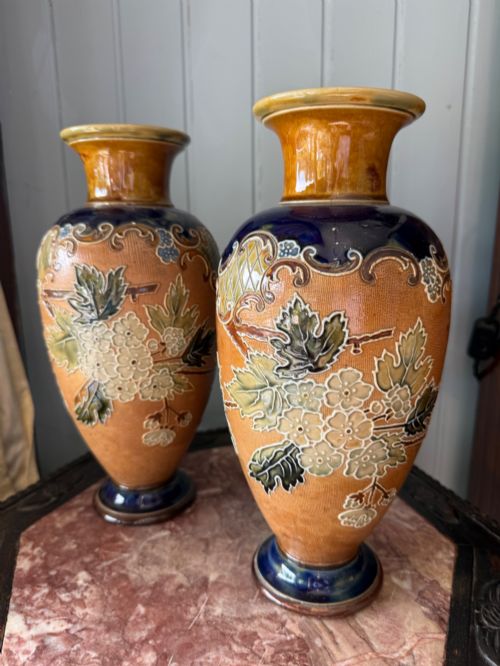
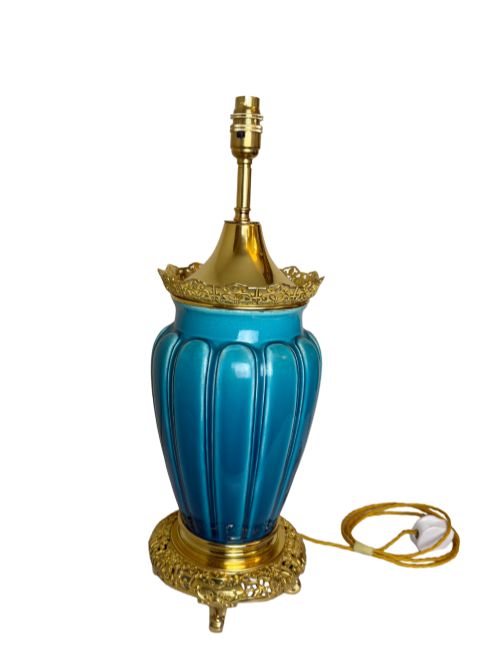
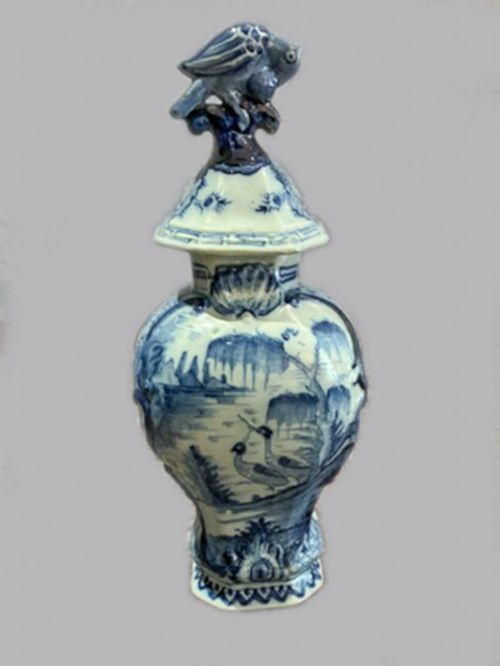
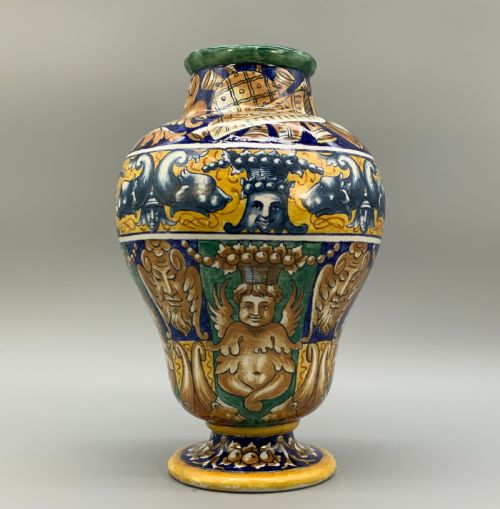
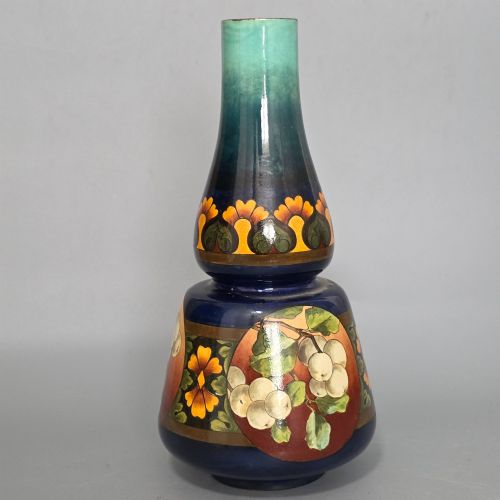
A blue glaze urn encompasses a broad spectrum of decorative vessels, from eighteenth-century Delft jars and lidded vases to nineteenth-century art pottery and porcelain table lamps. Buyers seeking a blue glaze urn typically encounter earthenware, stoneware, and faience pieces shaped into baluster vases, garden urns, and jardinieres with cobalt or turquoise surfaces.
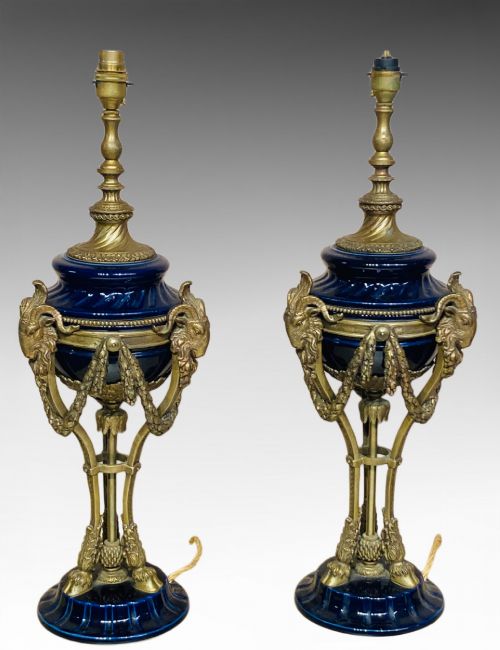
The selections span distinct periods and origins, including Dutch Baroque delftware, French faience, Victorian art pottery, and East Asian porcelain. Many pieces function as traditional lidded jars or display vases, while others are adapted into lamps with gilt bronze or ormolu mounts.
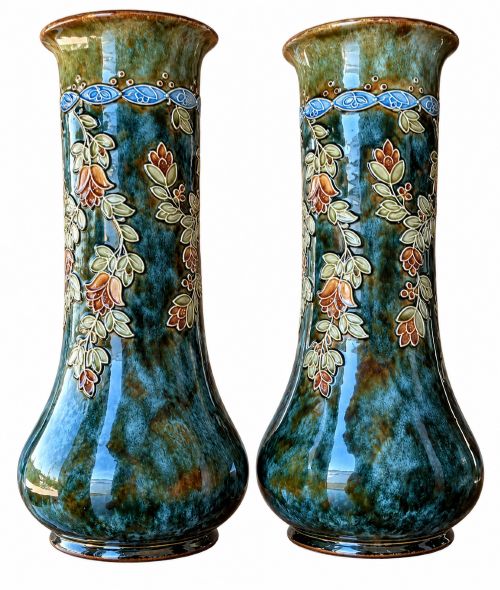
Makers ranged from major European potteries like Royal Doulton and Fourmaintraux-Courquin to historical workshops in Delft, China, and Japan. This diversity means buyers find both monumental floor urns and cabinet-sized vessels reflecting styles from Renaissance Revival to Art Nouveau.
Materials and methods
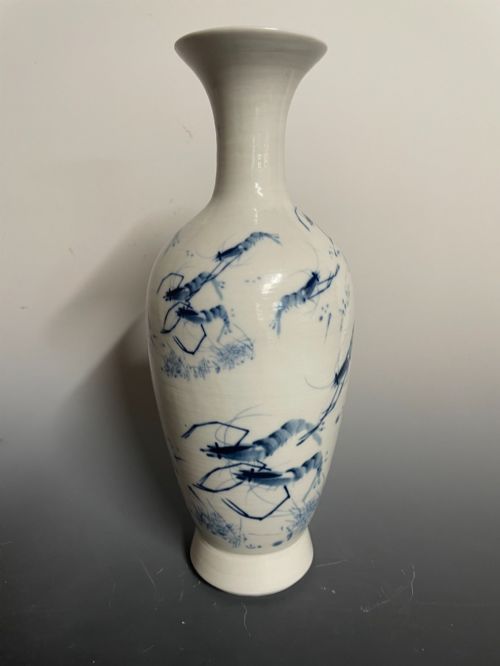
Potters shaped these vessels using ceramic bodies such as earthenware, stoneware, and porcelain, frequently applying tin-glaze or high-temperature cobalt decoration before firing. Artisans often utilised techniques like hand-painting underglaze blue, creating the intricate floral and figural motifs characteristic of delftware and oriental porcelain.
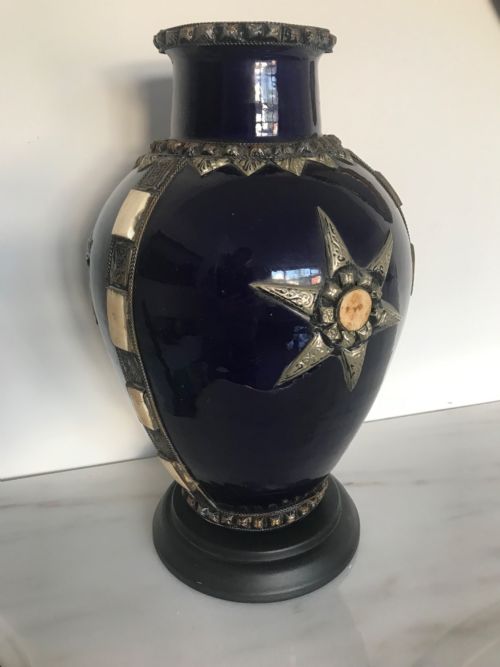
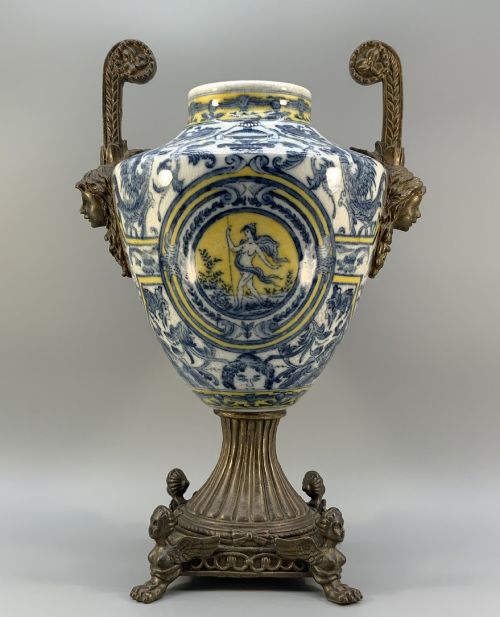
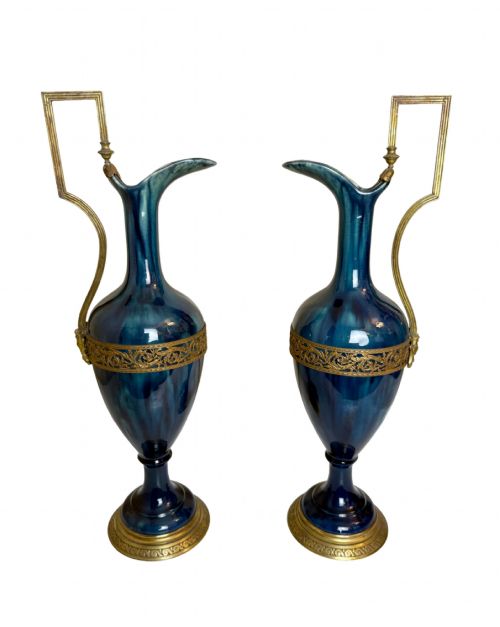
Many European and Asian creations incorporate secondary materials, mounting earthenware and porcelain bodies in ormolu, gilt bronze, silver cabochons, or bronze trims. These metal mounts required specialist metalwork to secure handles, bases, and rims around the fired ceramic forms.
Listings feature ceramics spanning the 18th, 19th, and early 20th centuries, executed in earthenware, stoneware, and porcelain.
Judging the range
Quality rests upon the precision of the ceramic form, the depth and clarity of the blue glaze, and the artistic merit of the hand-painted or moulded decoration. Superior pieces display crisp cobalt tones, balanced proportions, and detailed subsidiary work such as raised moriage or intricate floral patterns.
The integration of secondary elements dictates the distinction between standard production and top-tier examples. Finer urns feature carefully cast bronze or ormolu mounts that complement the contours of the body, whereas lesser vessels rely on simpler ceramic execution without supplementary metalwork.
Royal Doulton·Fourmaintraux-Courquin·Cantagalli·Minton·Wileman·Carlton Ware·Brannam
The Blue Glaze Urn Glossary
- Faience
- Tin-glazed earthenware produced in Europe, particularly associated with French and Italian regional potteries. It provides an opaque white background for painted blue designs.
- Baluster
- A vertical architectural form resembling a vase shape with a rounded lower body and a narrower neck. This profile dominates many traditional jars and urns.
- Ormolu
- Gilt bronze ornamentation applied to furniture and ceramics. It adds decorative structure and weight to nineteenth-century porcelain and stoneware bases.
- Moriage
- A Japanese ceramic technique using raised slip to create textured, three-dimensional decorative patterns on the surface. It appears frequently on cobalt ground Satsuma wares.
- Delftware
- Tin-glazed earthenware made in the Netherlands, renowned for blue and white maritime, floral, and landscape motifs. Production dates back to the seventeenth century and continued across subsequent eras.
Blue Glaze Urn: Frequently Asked Questions
What is a blue glaze urn?
A blue glaze urn is a ceramic vessel finished with a cobalt, turquoise, or blue metallic glaze, spanning styles from eighteenth-century delftware to nineteenth-century art pottery.
These pieces function primarily as decorative ornaments, lidded jars, or converted table lamps, combining utilitarian ceramic forms with artistic surface glazing.
How do I date a blue glaze urn?
Dating relies on examining the ceramic body, glaze characteristics, factory marks, and stylistic indicators such as Art Nouveau curves or Dutch Baroque motifs.
Secondary elements like bronze mounts and wiring also provide clues, as does the specific shade of cobalt and the application method of the blue pigment.
Were these urns used outdoors?
Certain large forms, such as garden urns and jardinieres, were designed to hold plants and display greenery in courtyards, conservatories, or garden settings.
More delicate porcelain and earthenware vases remained strictly indoors as cabinet pieces or table ornaments due to their vulnerability to frost and weathering.
How do I style a blue glaze urn at home?
These vessels suit placement on sideboards, mantels, or console tables where their rich blue tones can contrast against neutral backgrounds.
Larger floor-standing jars and lamp conversions act as focal points in a room, drawing attention to their painted details and metallic mounts.