
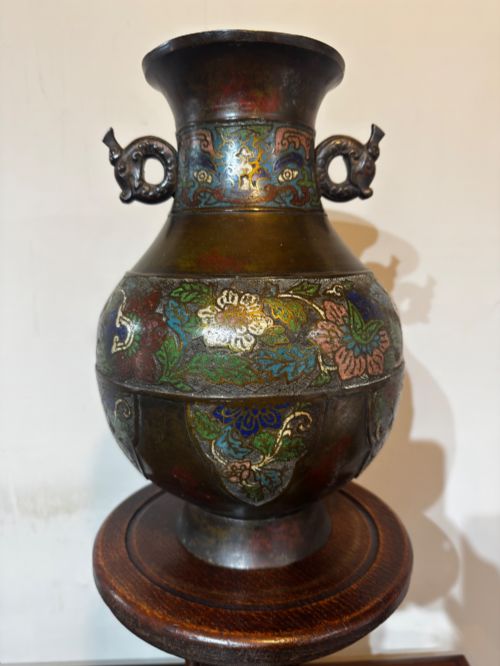


Asian Metalwork Vase
An asian metalwork vase brings the heavy weight and precise chasing of bronze, brass and cloisonne enamel into a room.
Asian Metalwork Vase
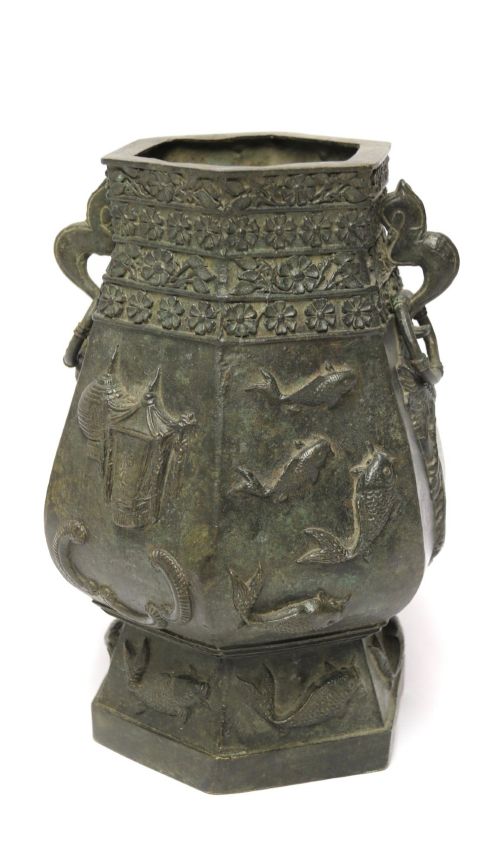
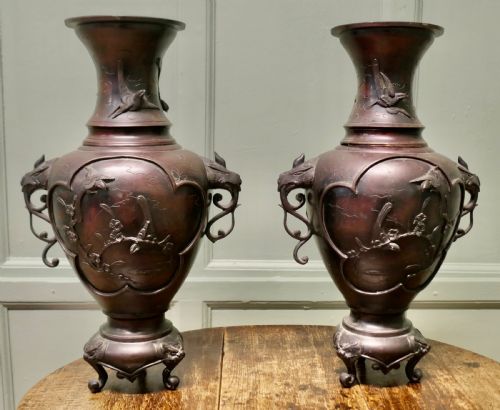
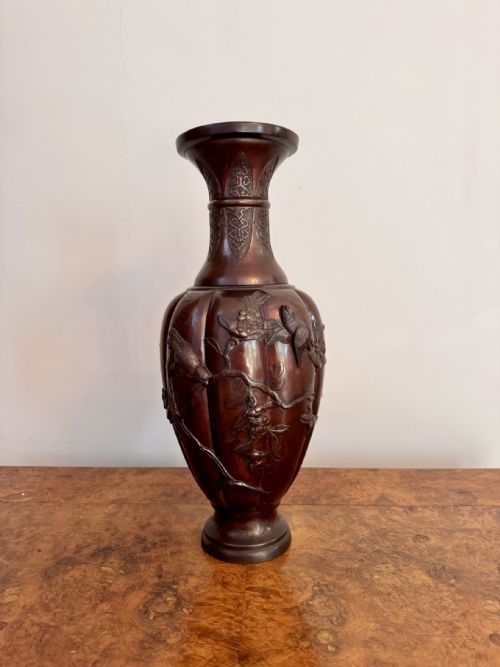
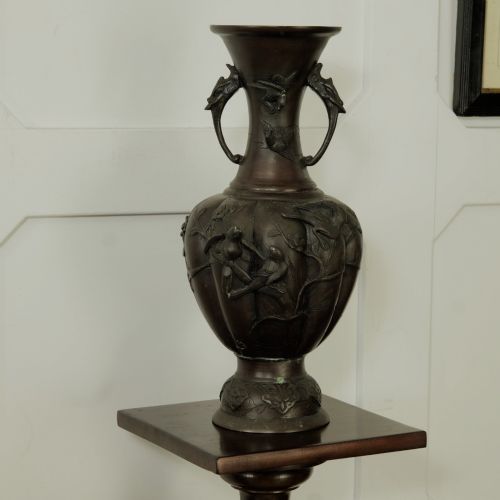
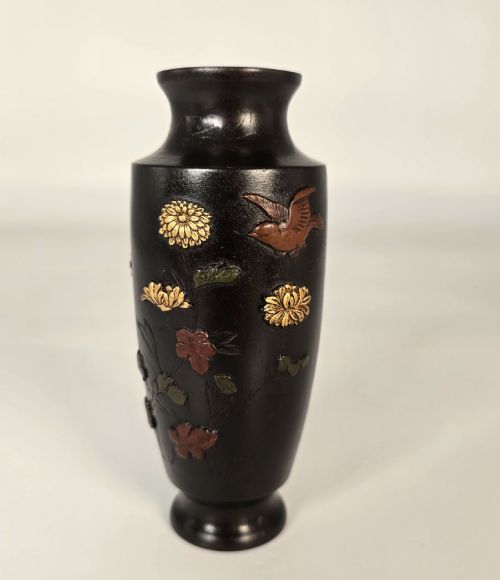
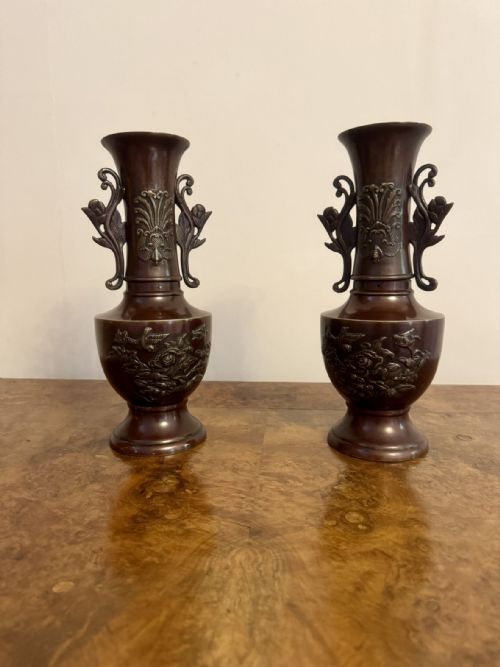
When you search for an asian metalwork vase, you encounter sculptural vessels originating from Japan and China across the nineteenth and early twentieth centuries. The selection spans distinct forms, including baluster urns, hexagonal vessels, twin-handled shapes and garniture sets.
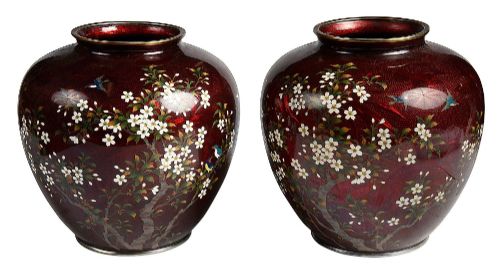
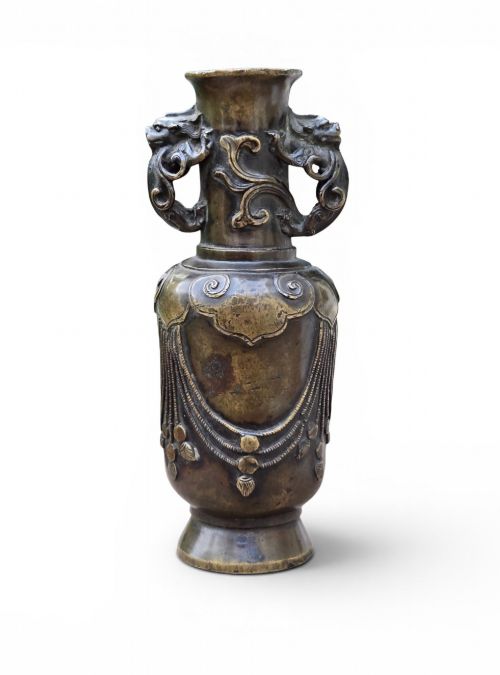
Japanese Meiji period examples dominate the current selection, often cast in bronze with inlaid details, patinated finishes or mixed metals. Chinese pieces appear alongside them, ranging from archaic style bronze vessels to large cloisonne enamel palace vases.
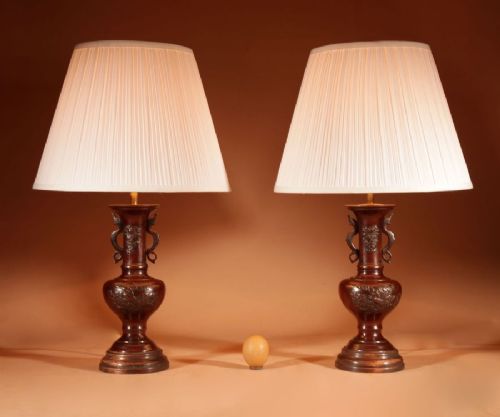
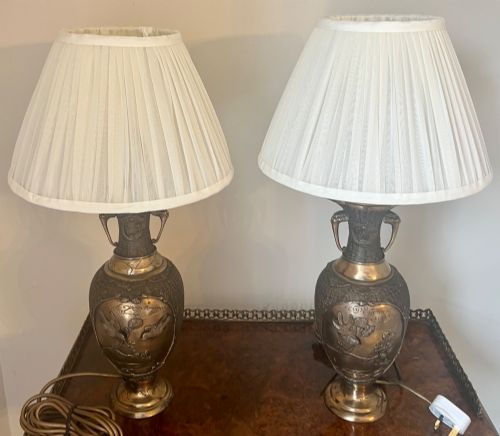
Makers adapted these forms for various domestic settings, producing standard decorative table pieces as well as larger palace urns and pieces converted into table lamps. The variety encompasses simple brass vessels alongside elaborately chased dragon and bird motifs.
Materials and construction techniques
Foundries utilised solid bronze, brass, copper and gilt metal as the primary structural bases for these vessels. Artisans cast these metals using traditional methods before applying patination or incorporating mixed metal elements.
Cloisonne and champleve techniques brought vibrant colour to the metal surfaces through the application of enamel. Craftsmen soldered thin metal wires to form cells for the enamel paste, or carved recesses directly into the bronze before firing.
Several heavy bronze vases double as aquatic menageries, populated entirely by determined carps and dragons holding candle holders.
Differentiating quality in metalwork vases
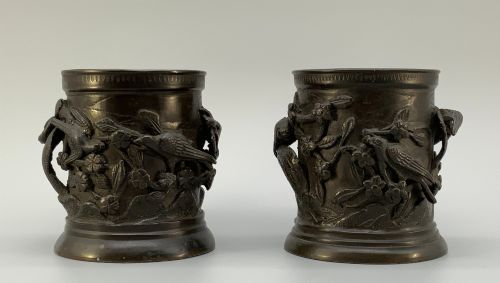
The degree of crispness in the casting and chasing separates standard production pieces from finer works. Sharp relief on dragon handles, birds and floral motifs demonstrates superior control over the bronze or brass.
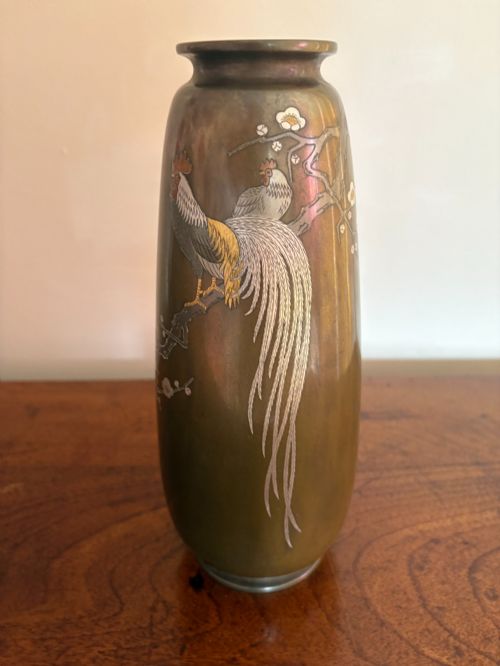
Enamel work shows distinction through the density and evenness of the coloured fills within the wire cells. Mixed metal applications involving silver and gold inlay require precise hand skills that elevate the finish of the piece.
KANASAWA
The Asian Metalwork Vase Glossary
- Meiji Period
- The era in Japanese history spanning from 1868 to 1912, known for significant output in decorative metalwork. Pieces from this time often feature detailed bronze casting and mixed metal inlays.
- Cloisonne
- An enamelwork technique where metal wires are soldered to a vase body to create compartments for coloured paste. These cells are then fired and polished to a smooth finish.
- Champleve
- A technique where troughs or cells are carved directly into the surface of a bronze or metal vase to hold enamel. This method produces thick, defined borders of exposed metal between the coloured areas.
- Archaistic
- A design style that deliberately emulates ancient forms, vessels and motifs from earlier dynasties. In these pieces, modern foundries reference ancient ritual bronze shapes.
- Baluster
- A vase form characterised by a rounded body that tapers toward the base and swells near the lower portion. This classic silhouette provides a stable and balanced profile for heavy metalwork.
Asian Metalwork Vase: Frequently Asked Questions
How were asian metalwork vases used?
These vessels served primarily as decorative ornaments in traditional interiors, often displayed alone or as matched pairs on mantelpieces and tables. Some larger examples functioned as palace urns, while others were later adapted into table lamps.
Many pieces incorporated specific motifs such as dragons, koi fish and phoenix birds, which held symbolic meanings in Chinese and Japanese cultures. Smaller stem vases and bouquet pots accommodated floral arrangements for ceremonial or domestic settings.
How do I date a bronze vase?
Dating relies on stylistic markers, manufacturing techniques and surface treatments recorded across the nineteenth and early twentieth centuries. Pieces associated with the Meiji era or Qing style often bear specific signatures or characteristic patination.
Examining the weight, the alloy composition and the method of construction helps place a vessel within a particular period. Archaistic pieces reference much older dynasties while retaining the manufacturing methods of their actual production era.
What is mixed metal decoration?
Mixed metal work involves combining different metallic elements such as bronze, copper, silver and gold upon a single vase surface. Artisans hammered or inlaid these contrasting metals into the base bronze to create pictorial scenes of birds and blossoms.
This technique required advanced metallurgical skill to ensure the various metals adhered securely during the chasing and finishing process. It became a hallmark of fine Japanese Meiji period production.
How do I care for antique metalwork?
Maintenance requires gentle dusting with a soft, dry cloth to protect the original patination and enamel surfaces. Avoid using abrasive metal polishes or chemical cleaners that can strip away historic patinas or damage cloisonne wires.
Keeping the vessels in stable environmental conditions away from excessive moisture preserves the integrity of both the metal base and any enamel or inlaid elements.