




Asian Metalwork Planters
Asian metalwork planters are robust bronze and brass vessels designed for horticulture, offering lasting character and timeless appeal to any interior space.
Asian Metalwork Planters
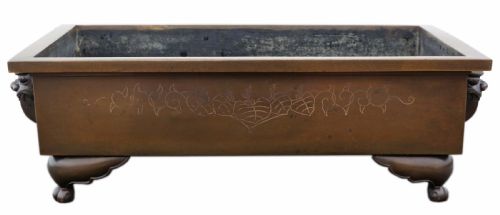
Asian metalwork planters comprise heavy bronze and brass vessels, including jardinieres, bowls, and urns originating from the 19th century and early 20th century. Buyers searching this phrase encounter substantial pieces produced during the Meiji, Edo, Showa, and Qing periods.
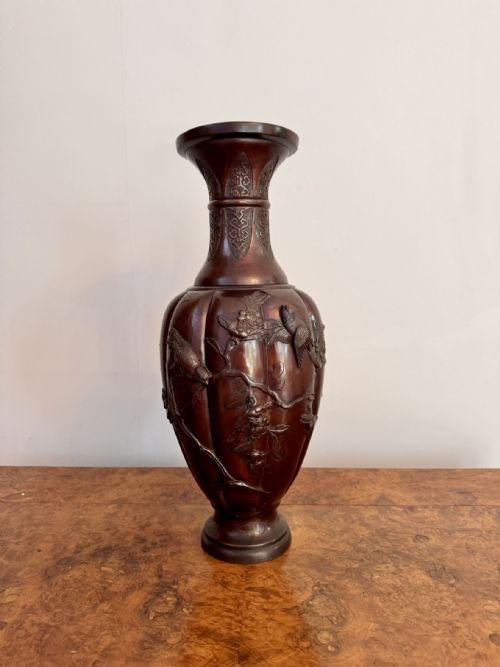
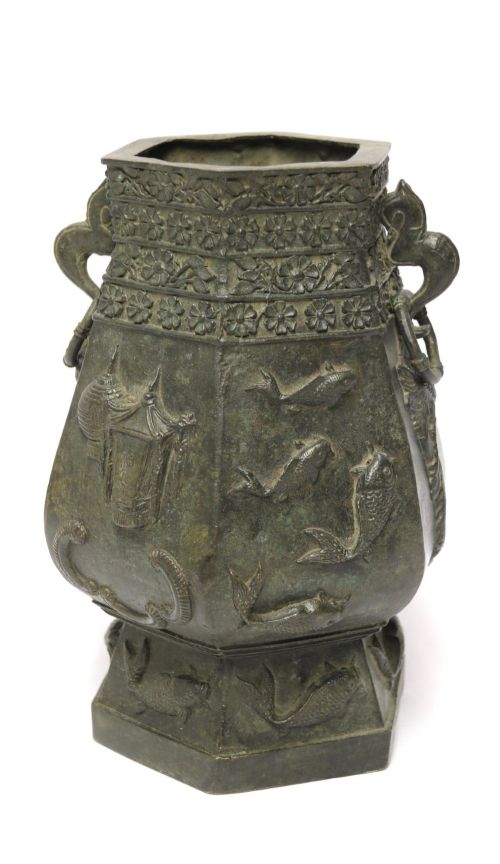
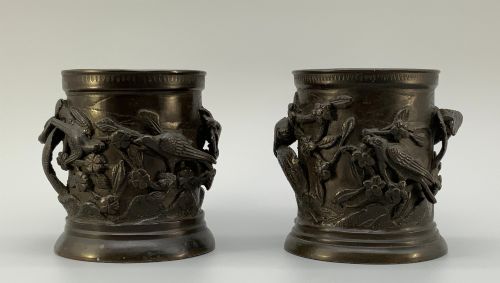
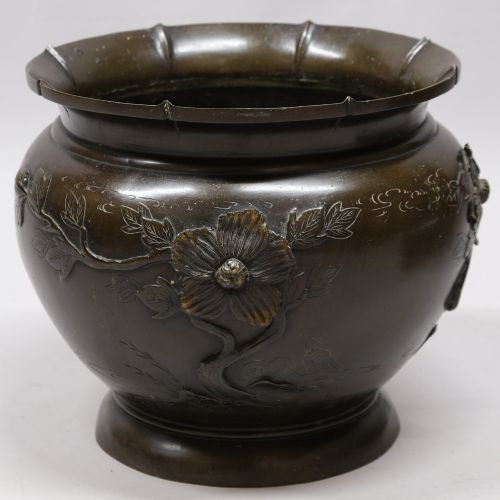
The most common forms on this page are Japanese Meiji period bronze jardinieres and planters, often decorated with botanical and avian motifs such as birds and blossom. Chinese hexagonal vessels and bowls also appear among the selection.
These items function equally well as decorative vessels or traditional planter bowls, bridging historical craftsmanship and functional interior display.
Materials and construction
These pieces are constructed primarily from solid bronze and brass, utilising patinated bronze surfaces that develop depth and character over time. The metal is cast into heavy forms, ranging from delicate stem vases to large bowls weighing multiple kilograms.
Artisans applied surface decoration through casting and chasing, incorporating intricate details like birds and blossom into the heavy metal body.
Asian Metalwork Planters Retail Price Guide 2026
Typical asking prices for asian metalwork planters among the pieces listed under this phrase on Sellingantiques today, from the lower quarter to the upper quarter. They describe what is for sale here now, not the wider market.
Several heavy bronze bowls weigh over two and a half kilograms, proving that seventeenth and nineteenth-century artisans took their plant housing very seriously indeed.
Evaluating quality in metalwork
Quality rests in the weight, wall thickness, and refinement of the surface decoration, distinguishing robust vessels from simpler forms. Heavier pieces, such as large bronze bowls exceeding two kilograms, reflect substantial material investment and superior foundry work.
The precision of the patination and the clarity of applied motifs set finer Meiji and Qing pieces apart from standard decorative items.
The Asian Metalwork Planters Glossary
- Jardiniere
- A large ornamental pot or stand for plants or flowers, usually made of ceramic or metal. These heavy bronze examples serve as prominent interior decorative planters.
- Meiji Period
- A period of Japanese history dating from 1868 to 1912, noted for significant artistic output in bronze and metalwork. Pieces from this era frequently feature naturalistic motifs.
- Patinated Bronze
- Bronze that has developed a surface sheen or colour alteration through age and chemical treatment. This finish enhances the visual texture of the metal.
- Suiban
- A shallow Japanese basin typically used for flower arrangements such as ikebana. These vessels hold water and plant material within a restrained metal form.
- Edo Period
- The period between 1603 and 1867 in Japan, preceding the Meiji era and characterised by distinct traditional craftsmanship.
Asian Metalwork Planters: Frequently Asked Questions
What is an Asian bronze jardiniere?
An Asian bronze jardiniere is a heavy metal vessel originally cast to hold potted plants or floral displays.
These pieces typically date from the nineteenth or early twentieth century and showcase traditional casting and patination techniques.
How do I date Meiji bronze pieces?
Dating Meiji bronze items involves examining the stylistic conventions, surface patination, and manufacturing methods typical of Japanese workshops between 1868 and 1912.
Makers during this era focused heavily on naturalistic themes like birds, blossom, and detailed surface textures.
Can these planters hold live plants?
These bronze and brass vessels can accommodate potted plants, though collectors often use inner nursery pots to protect the historical interior metal surface.
Their substantial weight and sturdy construction make them secure and stable for display on tables or heavy furniture.
What is a Suiban?
A suiban is a shallow Japanese bronze basin traditionally utilised for holding water and supporting arrangements in ikebana.
These low vessels emphasise the texture and patination of the metal alongside minimalist floral displays.
How do Chinese and Japanese pieces differ?
Chinese metalwork from this selection includes geometric forms such as hexagonal vessels dating from the mid-nineteenth century.
Japanese pieces from the Meiji and Edo periods frequently lean towards organic forms decorated with explicit natural motifs.