
Asian Lacquer Cabinet
An asian lacquer cabinet brings centuries of Far Eastern craftsmanship, rich surface decoration and practical storage into a room.
Asian Lacquer Cabinet
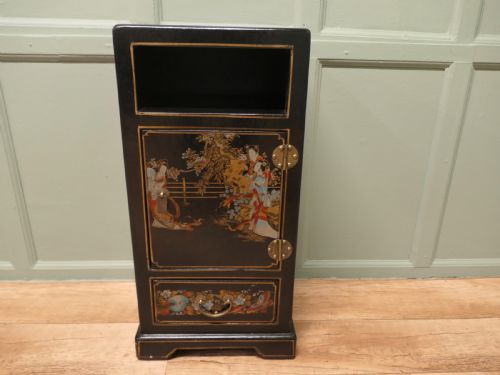
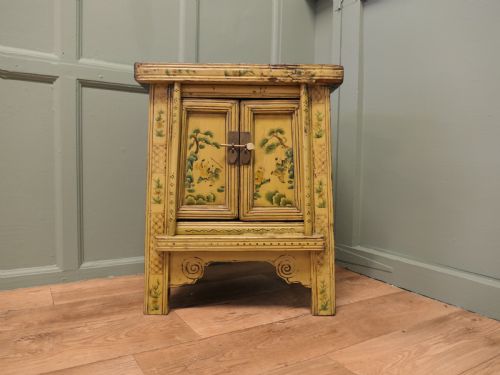
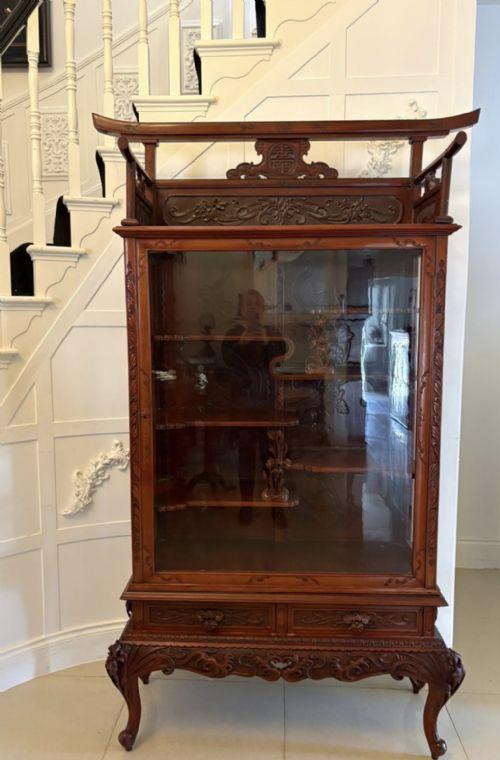
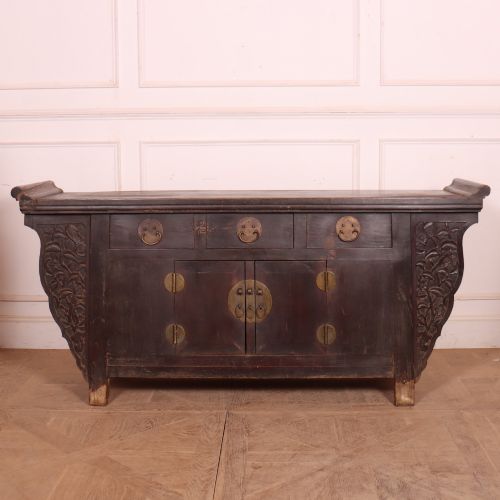
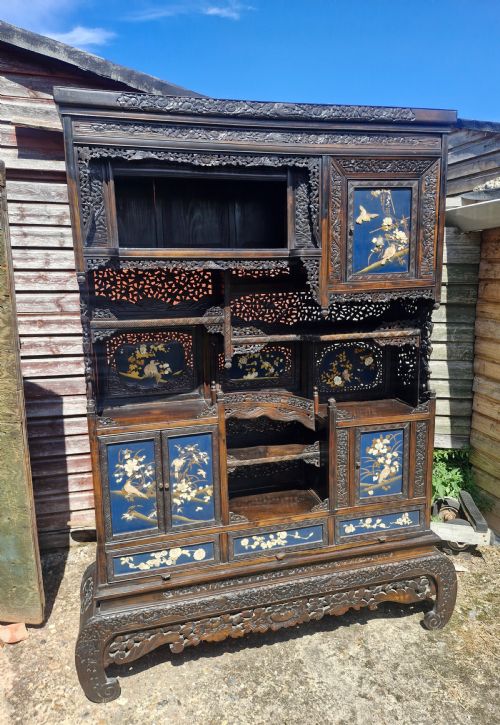
When you search for an asian lacquer cabinet, you encounter a diverse range of forms spanning Chinese marriage chests, Japanese shodana display units, and European-influenced Chinoiserie cupboards. These pieces serve primarily as storage or display furniture, incorporating traditional finishes that highlight distinct regional aesthetics.
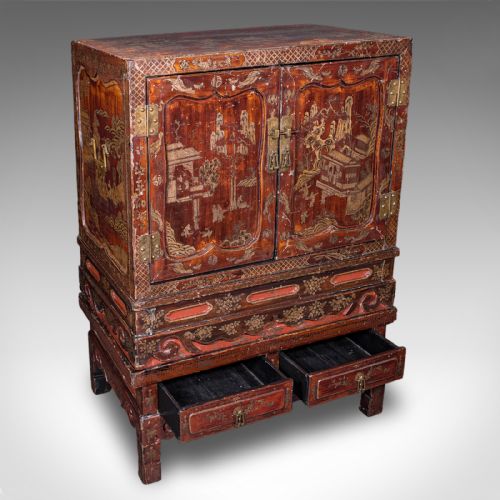
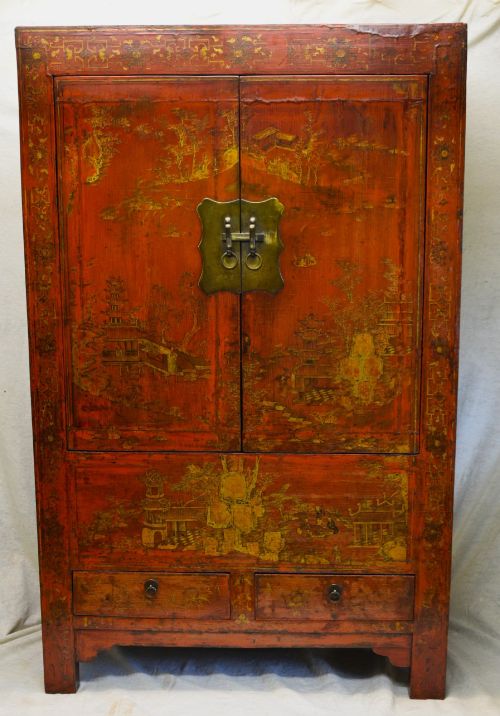
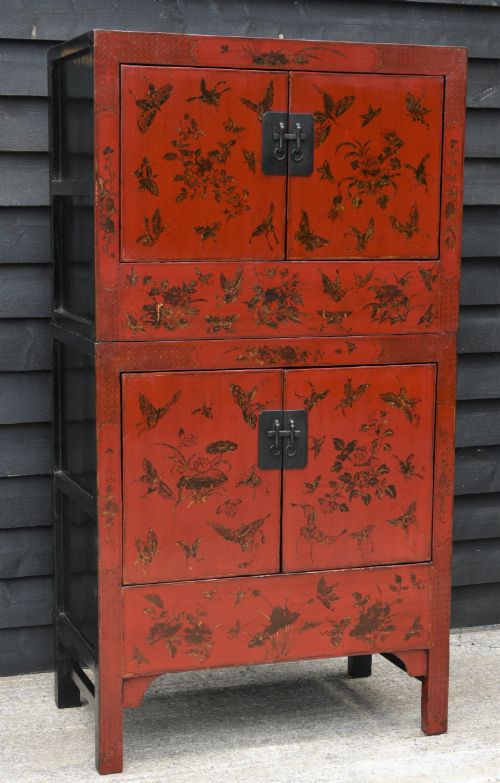
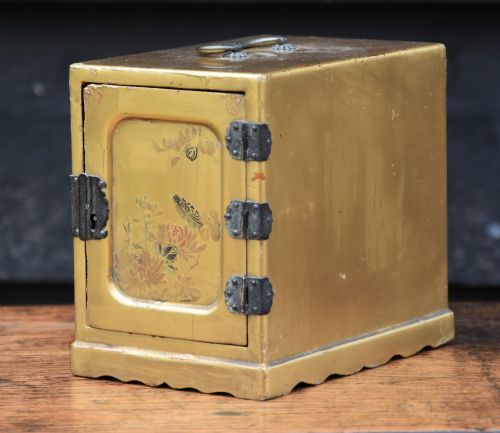
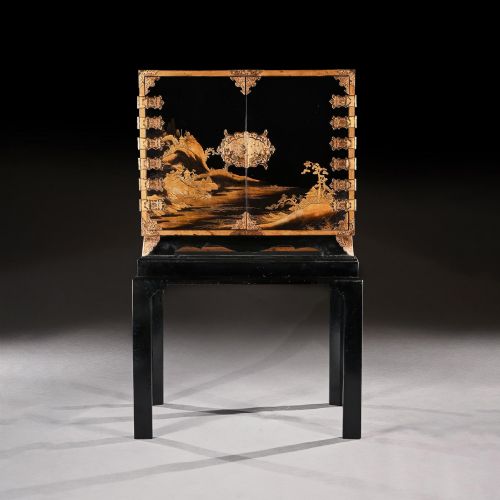
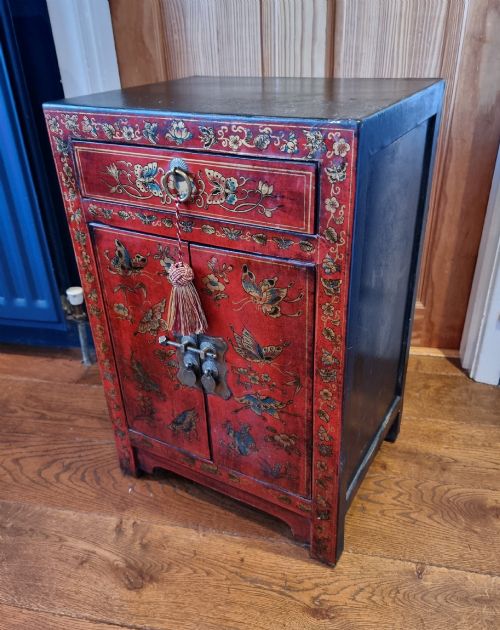
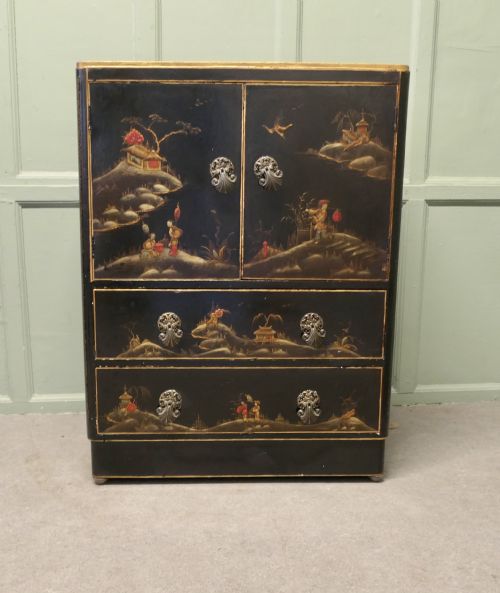
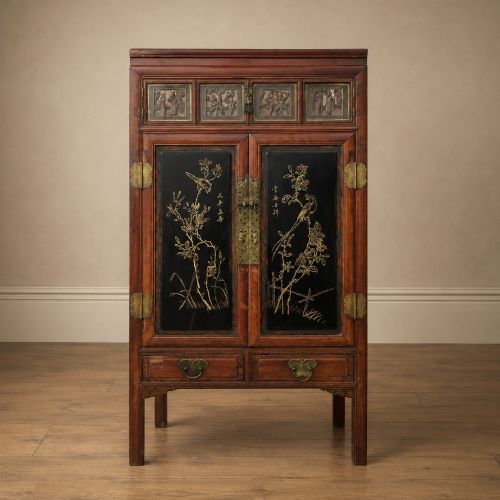
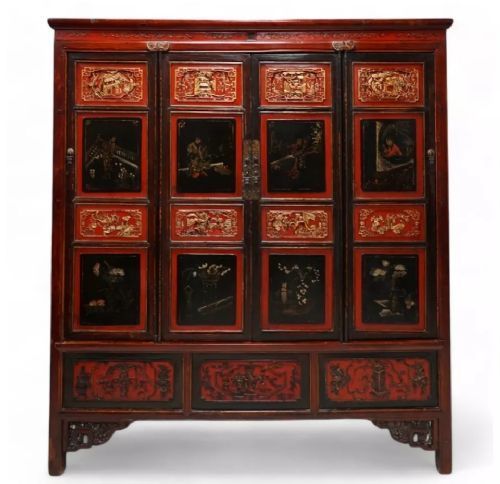
The versions most frequently met on this page include nineteenth-century Chinese red lacquer marriage cabinets and Japanese Meiji period tabletop kodansu or larger shodana cabinets. They appear in finishes ranging from deep black to vibrant red, often embellished with gold leaf and detailed floral or figurative motifs.
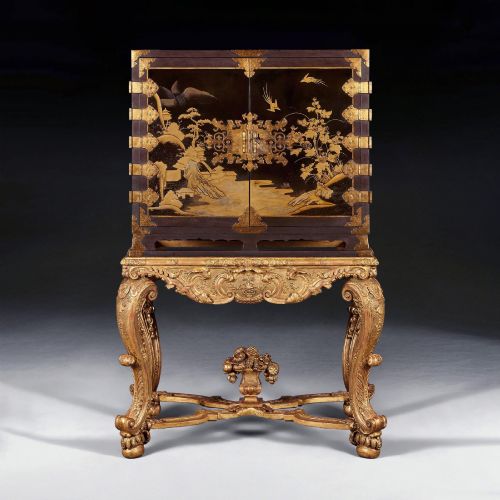
Origins stretch across China and Japan, taking in provincial workshops as well as export pieces designed for Western markets. Many rest upon stands of various periods, combining indigenous cabinet-making traditions with European bases like French giltwood Regence stands.
How They Were Made
Constructed predominantly from hardwood, elm, or lacquered wood, these cabinets rely on skilled joinery to support heavy layers of surface finish. Artisans applied successive coats of lacquer to wooden carcases, building up a durable and lustrous ground.
Decoration involved intricate techniques including the application of gold leaf, hand painting, and inlay work to depict birds, flowers, and traditional scenes. Metal mounts, brass hinges, and iron hardware provided structural reinforcement while adding decorative contrast to the dark or brightly coloured surfaces.
Listings feature woods such as elm and hardwood alongside traditional materials like brass, iron, gold leaf, and lacquer.
What Varies in Quality
The standard of an asian lacquer cabinet depends significantly on the depth and preservation of the original surface finish. Pieces retaining their early layers of hand-applied lacquer and crisp gilding demonstrate superior craftsmanship compared to those with heavy later repainting.
Structural integrity also separates examples, particularly in how well the wooden carcase and internal shelving handle changes in climate. Finer cabinets display precise joinery, well-fitted drawers or doors, and harmonious integration between the main body and any accompanying carved stand.
The Asian Lacquer Cabinet Glossary
- Lacquer
- A durable resin finish applied in multiple layers to a wooden base. It creates a smooth, protective surface that resists moisture and wear.
- Chinoiserie
- European decorative style reflecting Chinese artistic influences. It manifests in painted motifs of figures, pagodas, birds and flowers on furniture.
- Shodana
- A traditional Japanese multi-shelved display cabinet. These pieces feature asymmetrical compartments designed for displaying art objects.
- Kodansu
- A small Japanese tabletop cabinet or box with multiple drawers. They were traditionally utilised for storing documents, seals or jewellery.
- Tansu
- A traditional Japanese mobile storage chest built from wood. These cabinets often incorporate iron hardware and were made for utilitarian storage.
Asian Lacquer Cabinet: Frequently Asked Questions
What is an asian lacquer cabinet?
An asian lacquer cabinet is a storage or display piece finished with natural tree resin sap that creates a hard, glossy surface. These furnishings originate primarily from China and Japan, encompassing diverse forms from large wedding chests to tabletop jewellery boxes.
Craftsmen often embellished the lacquered surfaces with gold leaf, hand-painted floral motifs, and metal hardware. They serve both functional storage roles and striking decorative focal points within interior spaces.
How were asian lacquer cabinets used?
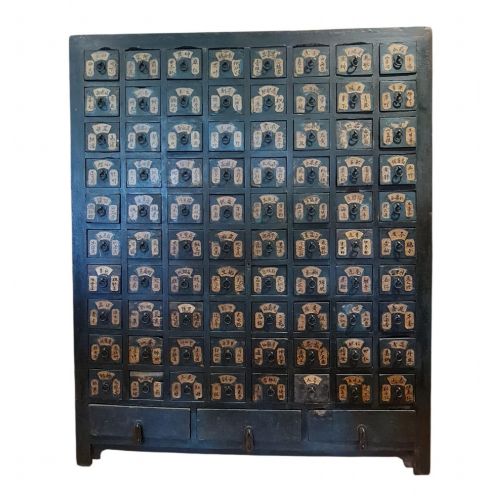
Historically, these cabinets fulfilled specific domestic needs depending on their regional form and interior layout. Large marriage cabinets held textiles and garments for brides, while apothecary chests organised medicinal herbs in numerous small drawers.
Tabletop kodansu and shodana units stored precious documents, personal items, or small scholarly objects. Display cabinets allowed owners to showcase ceramics and prized possessions behind doors or on open staggered shelves.
How do you clean an asian lacquer cabinet?
Maintaining these surfaces requires gentle dusting with a soft, dry cloth to prevent scratching the delicate finish. Avoid using chemical sprays, abrasive cleaners, or excess water which can damage the aged lacquer and gold leaf.
Keep the furniture away from direct sunlight and fluctuating heat sources to prevent the wood underneath from expanding and the lacquer from cracking.
How can you tell Japanese from Chinese lacquer?
Distinguishing between the regional origins involves examining the specific decorative style, hardware choices, and overarching cabinet forms. Japanese pieces often include Meiji period shodana or tansu chests with distinct metal fittings and subtle pictorial themes.
Chinese examples frequently present as bold red or black marriage cabinets, apothecary chests, or Chinoiserie cupboards featuring prominent brass or iron lock plates and figurative courtyard scenes.