








Asian Decorative Ceramic Vessel
An asian decorative ceramic vessel brings centuries of master craftsmanship and intricate glaze work directly into a room.
Asian Decorative Ceramic Vessel
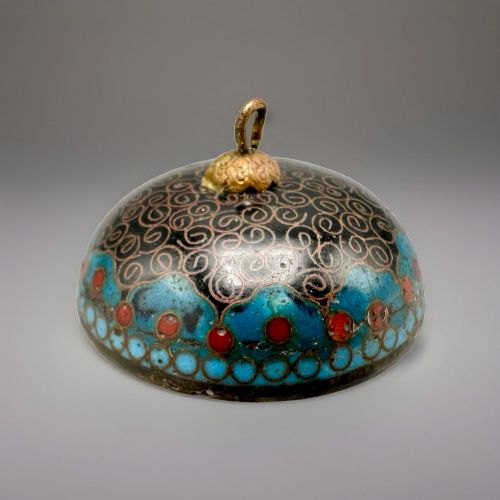
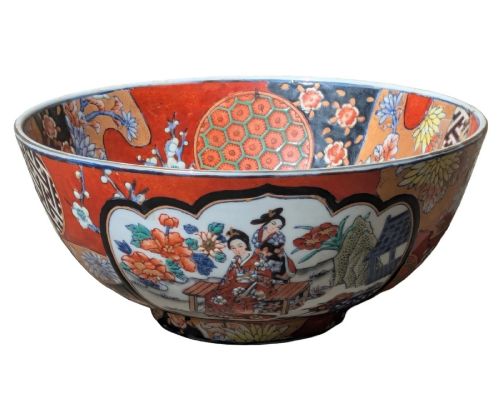
An asian decorative ceramic vessel encompasses a diverse range of forms, from large garden planters and lidded jars down to diminutive snuff bottles and incense burners. These pieces emerge from rich stylistic traditions spanning Song dynasty celadons, Ming dynasty pots, Qing dynasty porcelains, and intricate Japanese Satsuma, Imari, and Kutani wares.
Buyers most frequently encounter items originating from the nineteenth and early twentieth centuries, including pieces tied to the Meiji period and the Guangxu era. These range from conical bowls with incised phoenix motifs to heavy stoneware jardinieres and blue and white bottle vases.
Materials and Construction Techniques
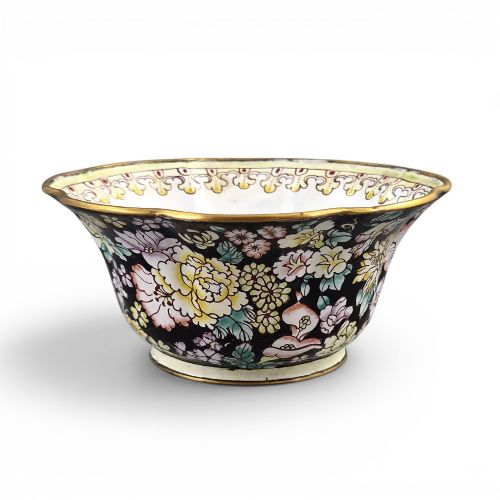
Potters shaped these vessels from foundational ceramic bodies including earthenware, stoneware, and porcelain, often applying rich glazes or painting surfaces with enamel and gold leaf. Copper serves as the structural base for specific painted enamel pieces.
Master artisans executed detailed surface decoration through hand-painting, incising, and glazing techniques. Kiln methods achieved distinctive surface effects, visible in celadon glazes and blue and white underglaze painting.
Asian Decorative Ceramic Vessel Retail Price Guide 2026
Typical asking prices for asian decorative ceramic vessel among the pieces listed under this phrase on Sellingantiques today, from the lower quarter to the upper quarter. They describe what is for sale here now, not the wider market.
Current listings feature ceramics spanning from the Song dynasty up to the Showa period, utilising porcelain, earthenware, stoneware, enamel, and gold leaf.
Assessing Quality and Execution
The standard of a piece rests heavily on the precision of the hand-painted or incised details, such as the clarity of figural scenes, floral motifs, and crests. Superior examples demonstrate exceptional control in brushwork and enamel application.
Signatures by recognised makers, alongside the complexity of form like hexagonal shaping or intricate pierced work on incense burners, elevate individual pieces. The depth, consistency, and preservation of the glaze or enamel finish separate ordinary production from masterworks.
Makuzu Kozan II·Kozan·Chosei·Kizan
The Asian Decorative Ceramic Vessel Glossary
- Satsuma
- A type of Japanese earthenware featuring a crackled ivory glaze decorated with enamels and gold leaf. It often depicts elaborate family scenes or historical figures.
- Celadon
- A term for pottery denoting both wares glazed in jade green and the specific translucent green glaze itself. This finish originated in China during earlier dynasties and imitates the look of jade.
- Imari
- A style of Japanese porcelain decorated in underglaze blue and overglaze red, gold, and other colours. Production centred on the port of Arita for both domestic use and export.
- Koro
- A traditional Japanese incense burner typically standing on legs and fitted with a pierced cover. These vessels allowed scented smoke to drift outward.
- Jardiniere
- A large ornamental pot or bowl designed to hold plants or flowers. In Asian ceramics, these heavy stoneware or earthenware pieces often feature dense surface decoration.
Asian Decorative Ceramic Vessel: Frequently Asked Questions
How do I identify Satsuma ware?
Satsuma ware is recognised by its distinctive ivory-coloured, crackled earthenware body and dense decoration using enamels and gold leaf. Makers frequently included intricate figural scenes or family crests, such as the Shimazu crest, directly onto the surface.
Many pieces bear artist signatures on the base, pointing to specific studios and master painters active during the Meiji period.
What is the difference between porcelain and stoneware?
Porcelain is a fine, dense ceramic fired at extremely high temperatures until vitrified, resulting in a white body that rings when struck and typically shows a smooth, non-porous glaze. Stoneware is likewise hard and waterproof but is heavier, thicker, and usually opaque.
Stoneware bodies often display earthy tones beneath the glaze, whereas porcelain allows for delicate, thin-walled vessel forms like bottle vases and small bowls.
How were incense burners used?
A koro, or incense burner, served both practical and ritual purposes in traditional settings by diffusing fragrant aromatic materials into living spaces. The pierced covers allowed smoke to rise while containing the burning embers safely within the bowl.
These vessels often stood on three or more small feet and occupied prominent positions in rooms or altars.
Where should I place a jardiniere?
A jardiniere is built as a heavy decorative pot intended to house plants, flowers, or large floral arrangements. Their sturdy stoneware or earthenware construction suits placement on low tables, stands, or directly on the floor.
Care should be taken to protect sensitive surfaces from moisture by using an appropriate liner inside the vessel.