





Polychrome Enamel Japanese Vessel
A polychrome enamel japanese vessel brings intense colour and meticulous craftsmanship into a room, drawing the eye instantly.
Polychrome Enamel Japanese Vessel
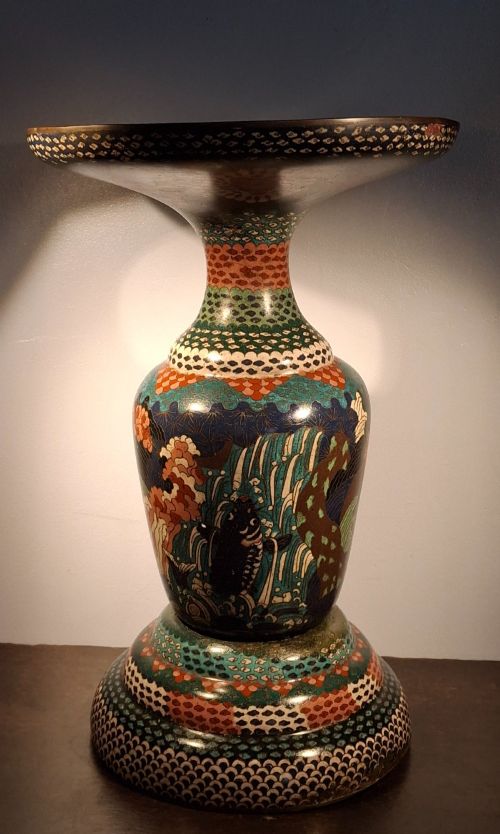
A polychrome enamel japanese vessel encompasses a diverse range of decorative forms created during the nineteenth and early twentieth centuries. Buyers seeking these objects will encounter vases, bowls, censers, planters, and sake kettles.
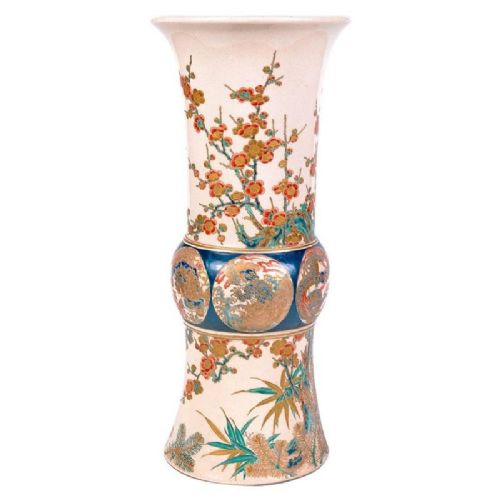
The pieces on this page span the Edo and Meiji periods, showcasing traditional decorative styles such as Kakiemon and Champleve. Vessels often feature intricate bird decoration or floral motifs rendered in vibrant enamels.
Forms vary from large decorative bowls and satsuma vases to specialised incense burners shaped like treasure ships. Each object reflects the distinct artistic output of Japanese workshops during a period of prolific export and domestic craft.
Materials and construction
The foundation of these vessels relies on metals such as copper, bronze, brass, and cast iron, alongside ceramic bodies like earthenware and porcelain. Metal vessels frequently utilise wirework techniques to segment the surface before enamel application.
Enamel fills the designated cells or coats the ceramic base, fired to achieve a durable and lustrous finish. Artisans additionally incorporate gold leaf details to enhance specific decorative elements across the surface.
Polychrome Enamel Japanese Vessel Retail Price Guide 2026
Typical asking prices for polychrome enamel japanese vessel among the pieces listed under this phrase on Sellingantiques today, from the lower quarter to the upper quarter. They describe what is for sale here now, not the wider market.
One censer is thoughtfully shaped as a treasure ship, ready to sail right off the table.
Factors determining quality
Superior quality in a polychrome enamel japanese vessel shows in the precision of the surface decoration and the richness of the palette. Mastery of technique is evident when enamel fills the compartments cleanly without pitting or discoloration.
The complexity of the design, such as elaborate bird motifs or dense floral patterns, distinguishes finer examples from simpler production pieces. A well-balanced form combined with careful finishing separates the work of skilled artisans from standard output.
Kinkozan
The Polychrome Enamel Japanese Vessel Glossary
- Cloisonne
- A decorative metalwork technique where thin metal wires are soldered to a base to form compartments filled with enamel paste before firing. This method creates defined linear patterns across the surface of vases and bowls.
- Champleve
- An enamelling technique where troughs or cells are carved directly into a thick metal surface to hold the enamel. The resulting vessels display bold metallic outlines framing colourful designs.
- Satsuma
- A type of Japanese earthenware featuring a crackled ivory glaze decorated with polychrome enamels and gilding. These ceramics originated in the Satsuma Province and gained immense popularity during the Meiji period.
- Kakiemon
- A style of Japanese porcelain decorated with asymmetric polychrome enamels, typically featuring delicate floral and bird motifs. The palette relies on soft iron red, yellow, green, and blue.
- Koro
- A traditional Japanese incense burner, often supported on feet and fitted with a pierced lid to release fragrance. These vessels appear in ceramic, bronze, and enamel forms.
Polychrome Enamel Japanese Vessel: Frequently Asked Questions
What is a cloisonne vase?
A cloisonne vase is a metal vessel decorated with enamels separated by thin metal wires. The technique requires careful firing to fuse the glass paste into the created cells.
These pieces were produced extensively during the Meiji period for both domestic use and international export. The exterior displays intricate patterns or pictorial scenes in bright colours.
How are satsuma vases identified?
Satsuma vases are recognised by their warm ivory earthenware body covered in a fine network of crackled glaze. They are typically decorated with elaborate enamel designs and gilt highlights.
Many examples date from the nineteenth century and feature rich pictorial narratives or dense floral compositions. The ceramic base provides a textured ground distinct from smooth porcelain.
What is a censer used for?
A censer functions as a vessel for burning incense during traditional ceremonies or for scenting living spaces. The pierced lid allows the aromatic smoke to disperse evenly.
In Japanese art, these vessels take various forms, including traditional tripod shapes and figurative designs like treasure ships. They combine practical function with sculptural decorative appeal.
How do I date these vessels?
Dating relies on identifying the prevailing manufacturing techniques, materials, and stylistic markers associated with specific historical eras. Edo period pieces reflect earlier traditions, while Meiji period items often display the heightened ornamentation developed for global markets.
Examination of the base, metal alloy, and enamel composition helps establish the likely period of manufacture. Surviving examples demonstrate the evolution of Japanese craftsmanship across the nineteenth and early twentieth centuries.