




Asian Ceramic Wall Charger
An asian ceramic wall charger brings vibrant colour and pattern to a room, drawing the eye with traditional hand-painted motifs.
Asian Ceramic Wall Charger
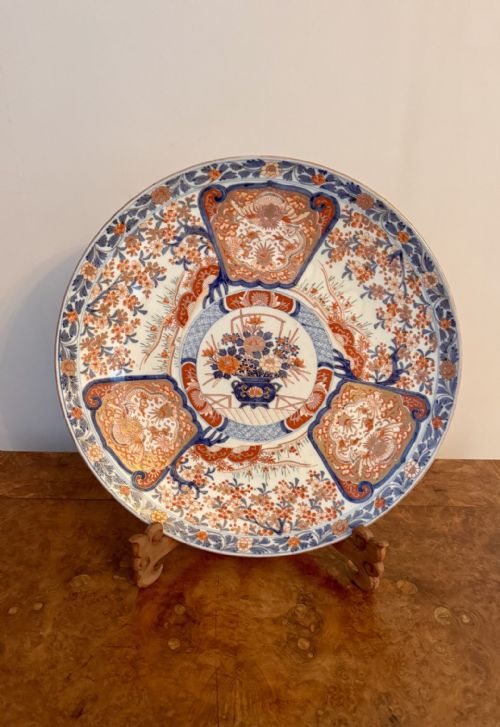
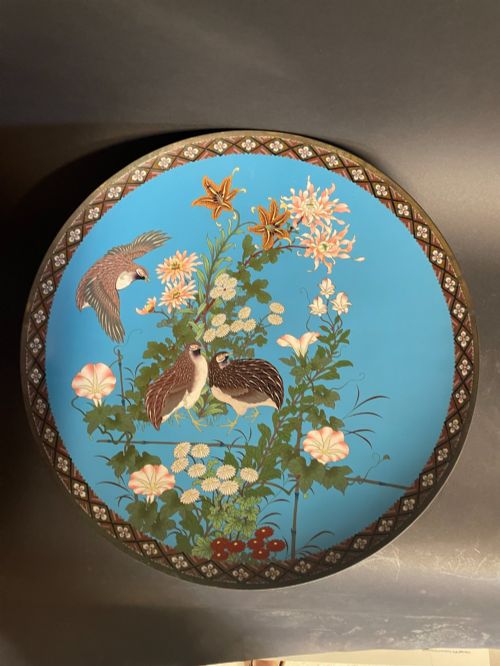
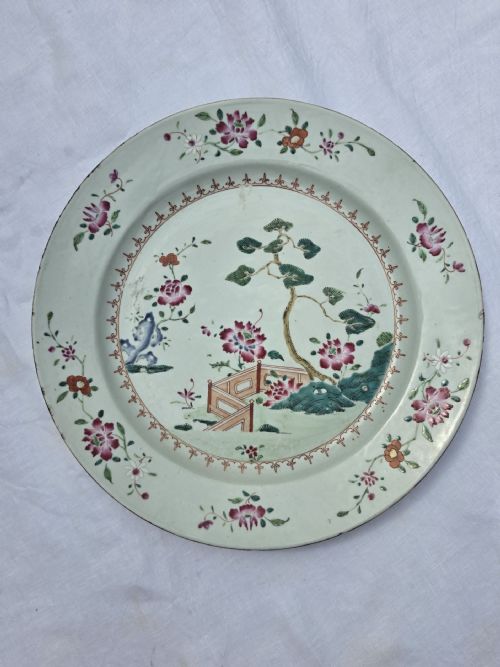
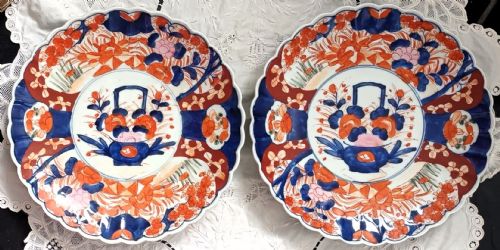
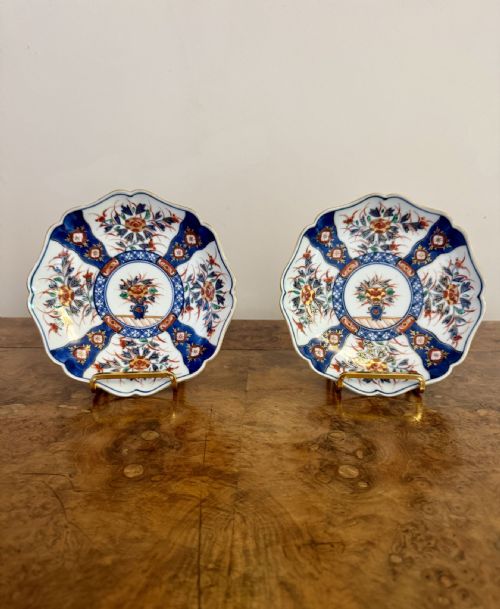
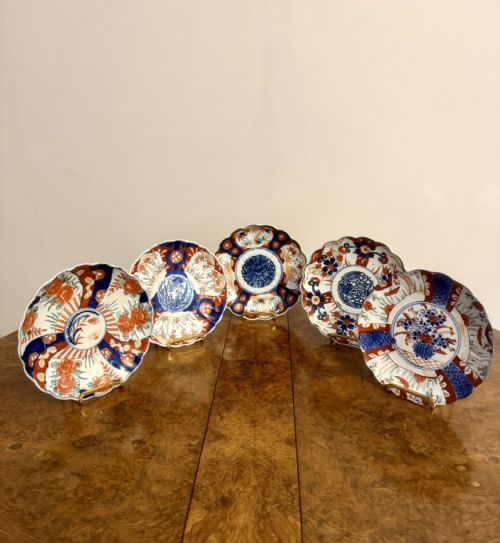
When someone searches for an asian ceramic wall charger, they are looking at large decorative plates and platters designed for display. These pieces originate primarily from Japanese and Chinese traditions spanning the eighteenth, nineteenth, and early twentieth centuries.
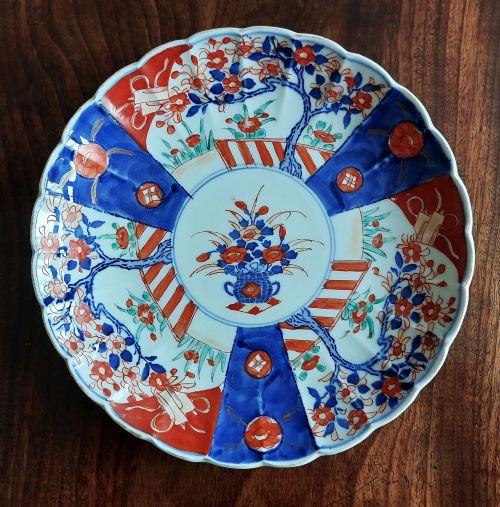
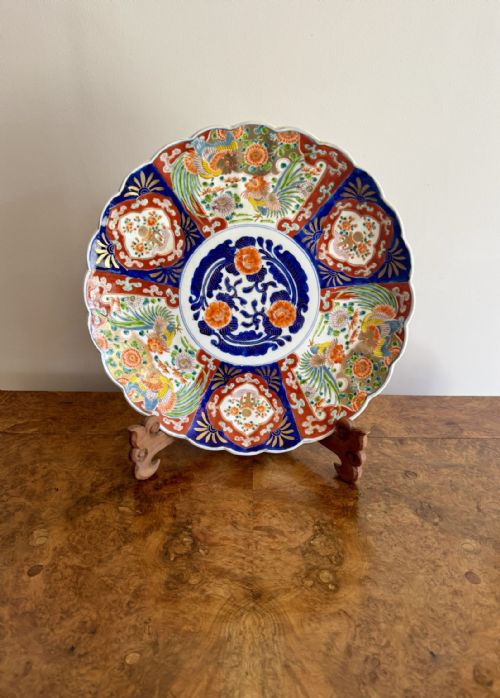
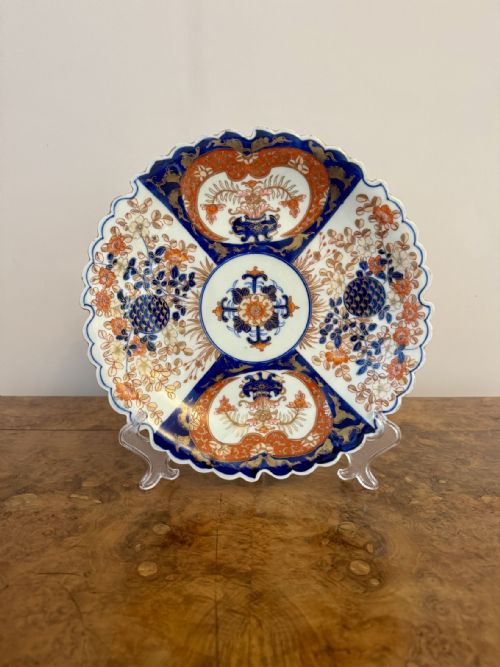
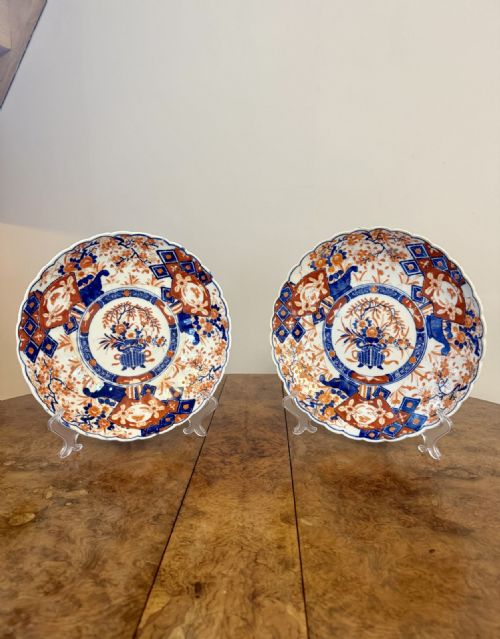
The most common version met on this page is the Japanese Imari charger, typically dating from the Meiji period or around nineteen hundred. These pieces often feature bold blue and iron-red designs accented with gold leaf.
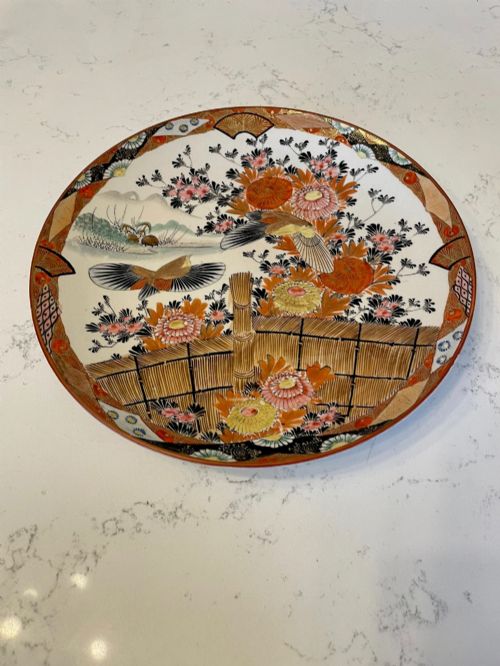
Other forms include Chinese export porcelain from the Qianlong era and intricate Kutani or Satsuma wares. They range from shallow bowls to wide chargers intended to hang securely on a wall or rest on a cabinet.
How they were made
Potters shaped these chargers in clay and fired them to create a durable ceramic or porcelain body. Cobalt underglaze was applied before the initial firing to produce deep blue details beneath a clear glossy finish.
Overglaze enamel and gilt or gold leaf were added in subsequent steps to introduce bright reds, greens, and metallic highlights. Artisans then fired the pieces again at a lower temperature to fuse the colourful pigments to the surface.
Listings span from the late seventeenth century through the Victorian era to nineteen twenty, featuring porcelain, enamel, and gold leaf.
What varies in quality
The precision of the hand-painted brushwork distinguishes standard production ware from superior examples. Master artisans achieved fine control over intricate birds, figures, and geometric borders.
The richness of the palette, including the purity of the cobalt underglaze and the application of gold leaf, marks the upper tier of the range. Heavier, well-balanced porcelain bodies with crisp shapes also indicate finer craftsmanship.
Shozo·Koshida·Meizan
The Asian Ceramic Wall Charger Glossary
- Imari
- A style of Japanese export porcelain featuring a distinctive palette of underglaze blue, iron-red, and gilt. These patterns often incorporate floral and brocade motifs.
- Meiji Period
- An era in Japanese history lasting from eighteen sixty-eight to nineteen twelve. Pieces from this time frequently demonstrate highly detailed hand-painted designs.
- Qianlong
- A period of Chinese imperial rule during the eighteenth century noted for famille rose porcelain and export wares. These items display soft enamel colours and complex figurative scenes.
- Cobalt Underglaze
- A blue pigment applied to the raw ceramic body before glazing and firing. This technique protects the colour beneath a glassy seal.
- Overglaze Enamel
- Coloured glass decoration applied on top of the fired glaze and heated again at a lower temperature. It provides vibrant reds, greens, and yellows.
Asian Ceramic Wall Charger: Frequently Asked Questions
How do I hang an asian ceramic wall charger safely?
Display heavy ceramic and porcelain chargers using a properly fitted spring-loaded wire hanger designed for the specific diameter of the piece. Ensure the wall fixing is secure enough to bear the weight of solid earthenware or porcelain.
Avoid hanging pieces in areas subject to direct sunlight or temperature fluctuations, which can stress the glaze and antique materials over time.
What is the difference between Imari and Kutani wares?
Imari pieces rely on a tripartite palette of underglaze blue, iron-red, and gold, featuring dense floral and panelled designs. They were produced primarily in the Arita region for both domestic and export markets.
Kutani wares often utilise a broader range of pictorial colours, frequently depicting figurative scenes, landscapes, and birds with expressive brushwork.
Can these chargers be used for serving food?
While these items are primarily decorative plates and chargers, historical pieces may contain lead or other materials in the overglaze enamels. Modern use for food is generally discouraged to preserve the delicate painted surfaces.
Washing antique porcelain by hand using mild soap protects the gold leaf and enamel from unnecessary wear.
How do I identify a Meiji period piece?
Meiji period items date from eighteen sixty-eight to nineteen twelve, a time when Japanese export ceramics flourished. They often feature intricate hand-painted motifs and rich gilding.
Many pieces from this era bear maker marks or signatures on the base, though unsigned works of high quality are also common.