






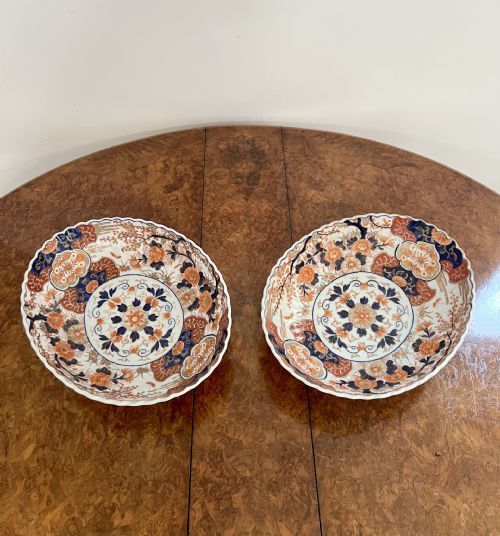


Red Orange Porcelain Dish
These red orange porcelain dish pieces bring vibrant Japanese Imari and Georgian ironstone ceramic forms into a room.
Red Orange Porcelain Dish
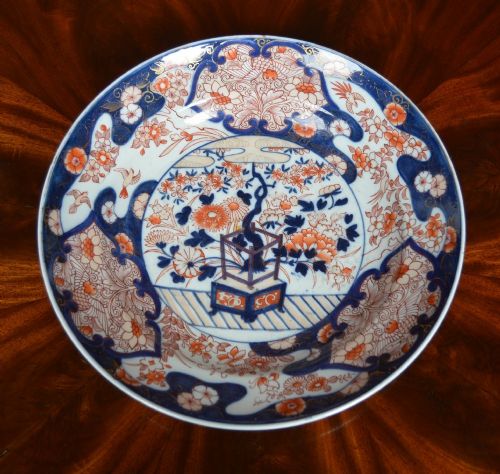
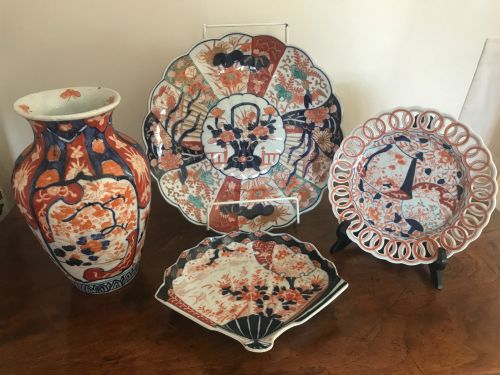
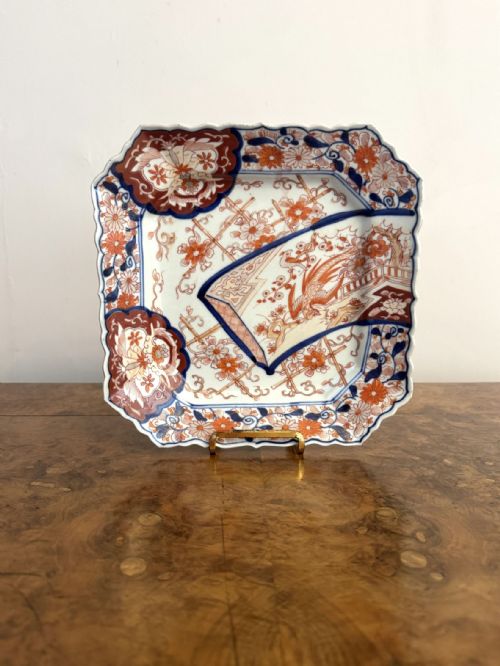
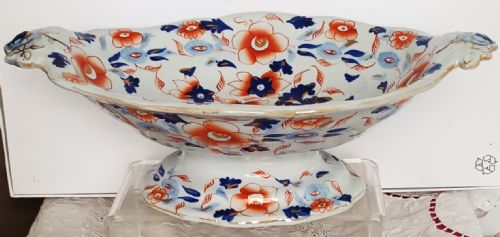
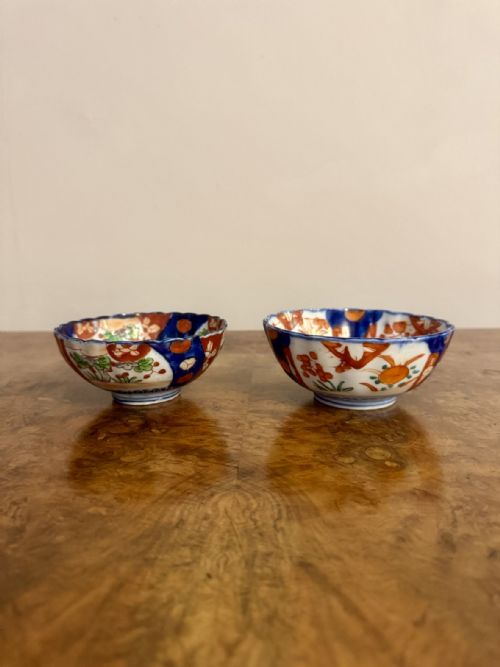
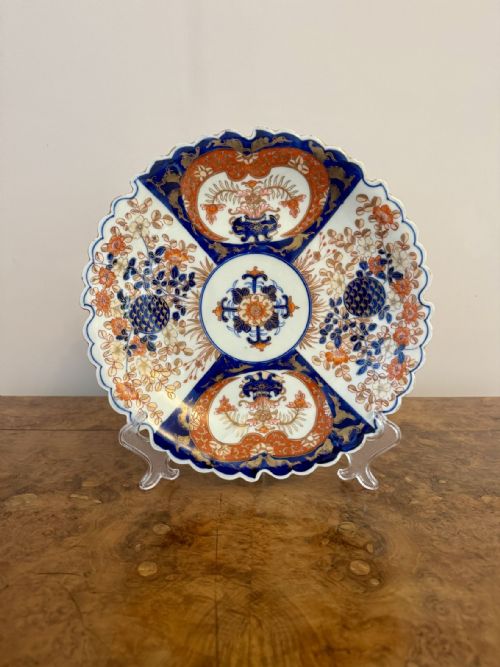
When you search for a red orange porcelain dish, you are looking at decorative ceramics spanning the nineteenth century and the early twentieth century. The items on this page primarily consist of Japanese Imari plates, bowls, chargers, and shaped dishes alongside nineteenth-century English Georgian ironstone.
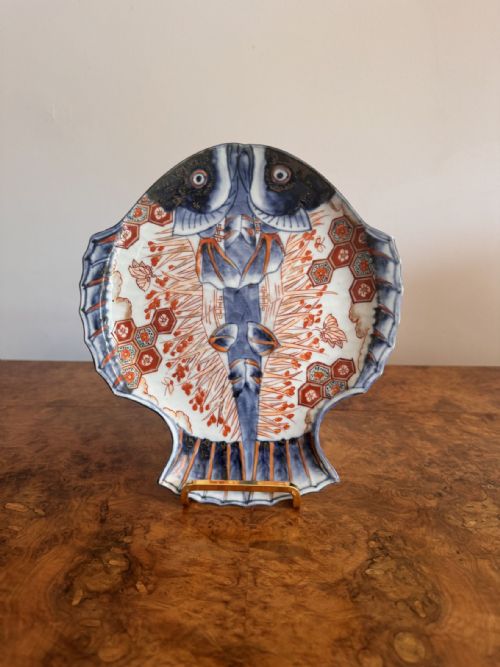
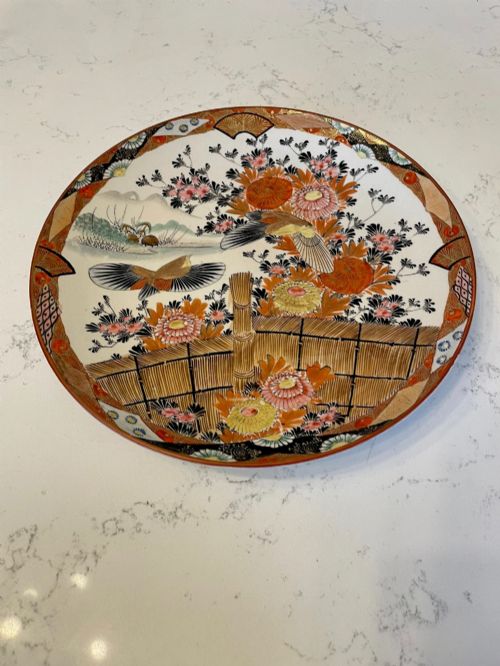
The most common version you will meet is the Japanese Imari plate or charger, often featuring scalloped, hexagonal, square, ribbon, shell, or boat forms. These pieces serve as striking decorative display items rather than utilitarian tableware.
Materials and construction
Potters built these items using porcelain, ceramic, and ironstone, shaping them into plates, comports, chargers, and bowls. Artisans applied overglaze enamel and glaze to the ceramic body to create colourful, durable surfaces.
Many items incorporate gold leaf, gilt, and gilding to highlight painted details and edge patterns. Hand painting forms a central part of the manufacturing process across these historical Japanese and English pieces.
Red Orange Porcelain Dish Retail Price Guide 2026
Typical asking prices for red orange porcelain dish among the pieces listed under this phrase on Sellingantiques today, from the lower quarter to the upper quarter. They describe what is for sale here now, not the wider market.
Potters shaped these ceramics into fish, boat, and ribbon forms, proving that eighteenth and nineteenth-century dining tables possessed a healthy sense of fun.
Quality differences
The top of the range shows exceptional hand-painted detail in the enamel work, particularly where artisans rendered complex motifs such as figures and traditional patterns with precision. Superior pieces often feature unusual forms like fish, boat, or shell shapes that demand greater skill from the potter.
Lower tiers tend to show simpler brushwork and more common circular plates with standard repeating patterns. The crispness of the glaze and the intentional application of gold leaf or gilding also separate standard items from outstanding examples.
Shozo
The Red Orange Porcelain Dish Glossary
- Imari
- A style of Japanese porcelain decorated in underglaze blue and overglaze red, gold, and other colours. This distinctive palette creates the characteristic red orange appearance collectors seek.
- Charger
- A large decorative plate used historically for display rather than for serving food. These items form a substantial portion of larger ceramic displays.
- Comport
- A footed dish or bowl raised on a pedestal, used traditionally for serving fruit or sweets. They add height and architectural interest to a collection.
- Ironstone
- A type of heavy, durable ceramic developed in nineteenth-century England as a robust alternative to porcelain. It takes enamel decoration well and resists chipping.
Red Orange Porcelain Dish: Frequently Asked Questions
What is a red orange porcelain dish used for?
These pieces function primarily as decorative display items rather than everyday tableware. Collectors place chargers and large plates on walls or stands, while bowls and comports sit on tables as centrepieces.
Their vibrant palettes and unusual shapes make them natural focal points in a room. Historically, larger chargers were also used to serve food at formal meals.
How do I identify Japanese Imari ware?
Japanese Imari pottery is recognised by its distinct colour palette, which typically combines underglaze blue with iron red, orange, and gilt highlights. The designs often feature intricate floral and geometric patterns.
Pieces frequently take unconventional shapes such as fish, shells, boats, or scalloped edges rather than simple circles.
What is Georgian ironstone china?
Georgian ironstone china refers to durable ceramic wares produced in England during the nineteenth century. These sturdy pieces often borrow stylistic cues from imported Asian designs, creating hybrid patterns known as Japan ware.
They combine the heavy practicality of ironstone bodies with colourful enamel painting.
How should I care for antique ceramic dishes?
Antique porcelain and ironstone require gentle handling to protect their hand-painted enamels and gold leaf details. Dust them softly with a dry cloth and avoid harsh chemical cleaners or dishwashers.
Display them away from direct sunlight and areas prone to heavy vibrations or accidental knocks.