



Asian Carved Display Table
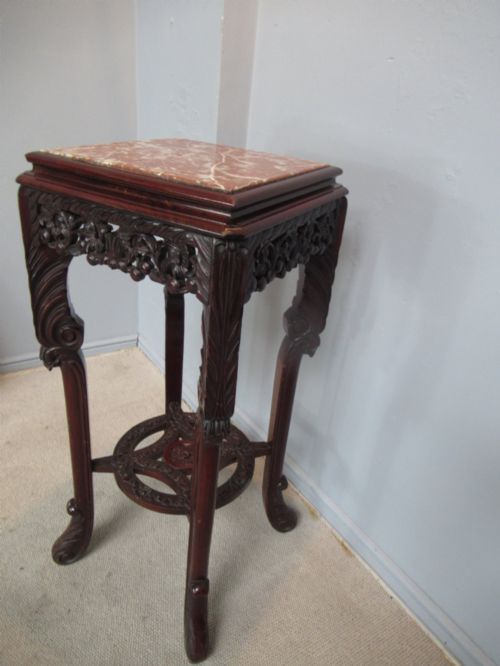
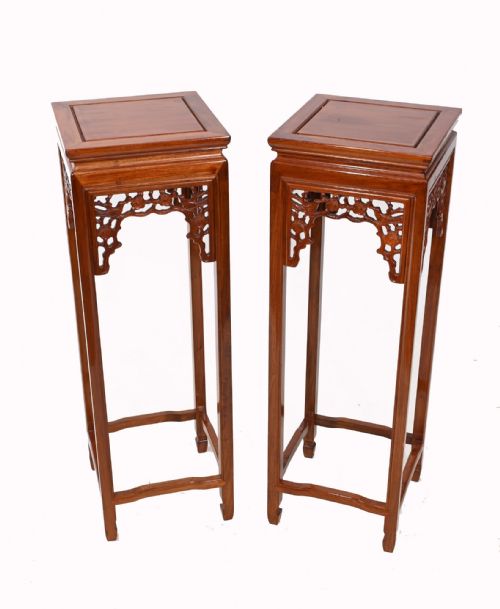
An asian carved display table brings intricate oriental craftsmanship into a room, offering a solid platform for a ceramic vase or jardiniere.
Asian Carved Display Table
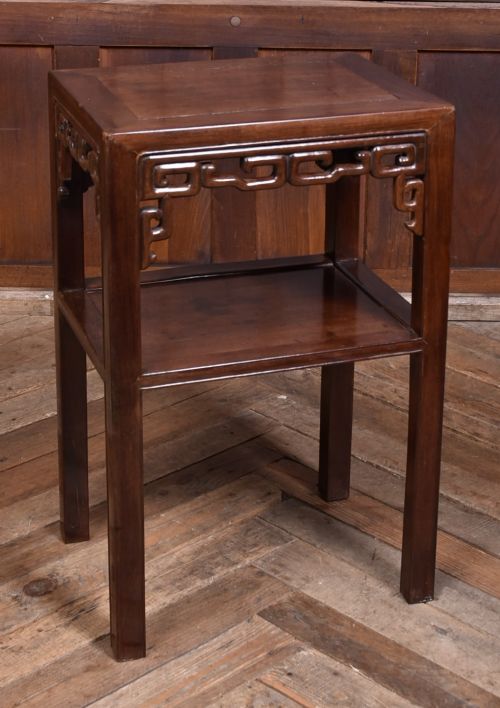
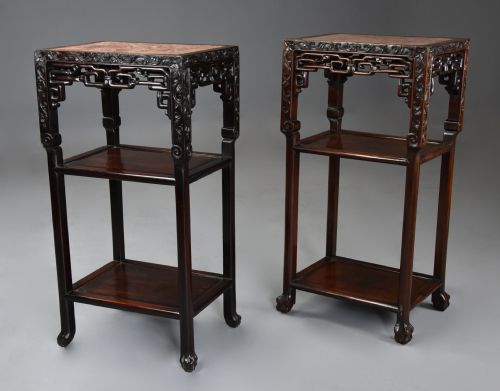
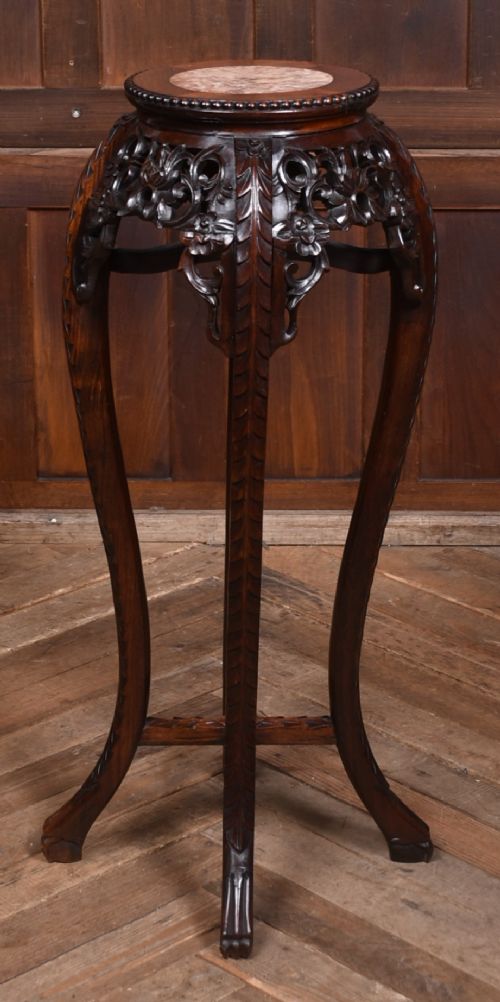
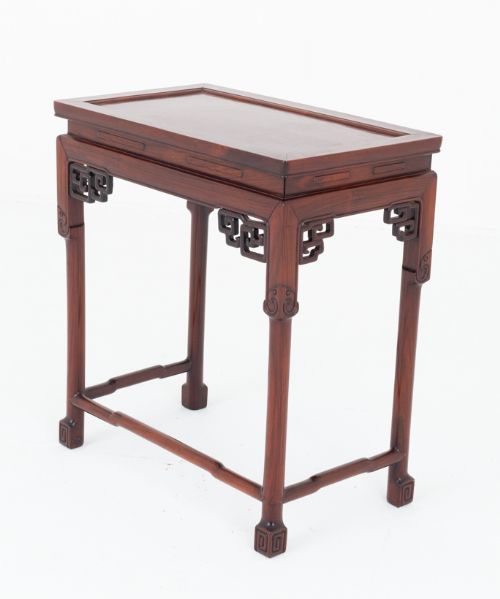
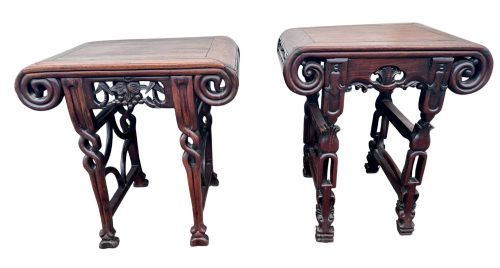
When you search for an asian carved display table, you encounter a variety of forms designed to elevate decorative objects within a interior space. The selection consists principally of plant stands, pedestal tables, occasional tables, and low kang tables originating from the nineteenth and early twentieth centuries.
The pieces on this page span several stylistic categories, prominently featuring Chinese Qing Dynasty designs, Chinese Export pieces, and Chinoiserie interpretations. You will frequently find tall jardiniere stands and multi-tiered tables alongside compact nests of tables and square scholar's tables.
Origins stretch across Chinese traditional workshops and Meiji period production, reflecting periods such as the Victorian era through the late nineteenth and early twentieth centuries. These tables served practical domestic functions for holding lamps, urns, and vases while displaying elaborate traditional carving.
Distinction in Craft
The distinction between standard examples and superior pieces rests upon the crispness and depth of the wood carving. Master carvers achieved high relief with undercut details that remain sharp, whereas lesser items display shallow, mechanical incision.
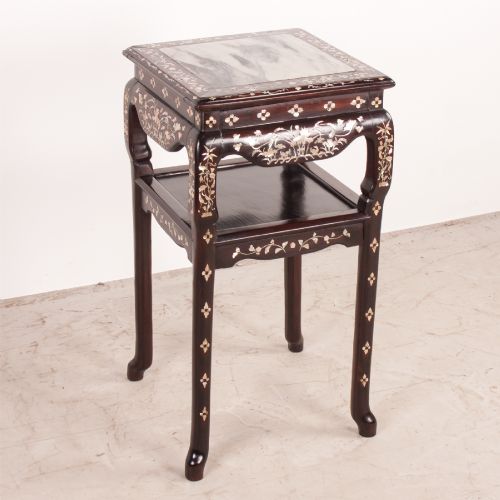
The selection of timber and the stability of the joinery dictate longevity. Dense rosewood and hongmu specimens with well-fitted marble inserts or secure mother of pearl inlay represent the higher tier of surviving production.
The documented pieces span the nineteenth century through the early twentieth century, encompassing Victorian and Meiji production periods.
The Asian Carved Display Table Glossary
- Hongmu
- A dense, dark tropical hardwood traditionally utilised in high-end Chinese furniture construction. It provides the heavy weight and dark tone seen in many nineteenth-century stands.
- Kang table
- A low domestic table originating from China, traditionally placed upon a heated brick bed for dining or writing. Smaller scale variants function well as low display surfaces.
- Jardiniere stand
- A tall, slender pedestal designed specifically to support a heavy ceramic plant pot or flower bowl. These pieces usually feature a circular or square top.
- Padouk
- A heavy, durable reddish-brown timber utilised in fine oriental furniture. Its stable nature allowed craftsmen to execute intricate pierced carvings without splitting.
- Mother of pearl inlay
- A decorative technique where thin pieces of iridescent shell are embedded into wood. Craftsmen create floral or geometric patterns that catch the light against dark timber.
Asian Carved Display Table: Frequently Asked Questions
What is a plant stand used for?
These tall tables elevate heavy ceramic pots, jardiniere bowls, and decorative vases to eye level. They allow plants and ornaments to receive better light and prevent dampness from touching the floor.
In period interiors, they functioned as dedicated furniture pieces for botanical displays in reception rooms and hallways.
How do I identify a Qing Dynasty table?
Qing Dynasty tables typically exhibit dense tropical hardwoods like hongmu or rosewood combined with deep, pierced relief carving. They often incorporate inset marble tops designed to resist moisture from plant pots.
Examining the construction methods and the depth of the hand carving helps distinguish authentic nineteenth-century production from later revivals.
Where should I place a low table?
Low tables and kang tables work well as central coffee surfaces or low display platforms in contemporary living spaces. Their compact proportions suit placement in front of low seating.
They provide a stable surface for books, lamps, or small decorative objects without dominating the room's vertical space.
How do I care for hardwood furniture?
Maintain hardwood surfaces by dusting regularly with a soft, dry cloth and avoiding placement near direct heat sources. Excessive temperature fluctuations can cause timber to split or marble inserts to shift.
Apply natural beeswax occasionally to nourish the wood and preserve the deep natural sheen of rosewood or hongmu.