




Asian Bronze Flower Vase
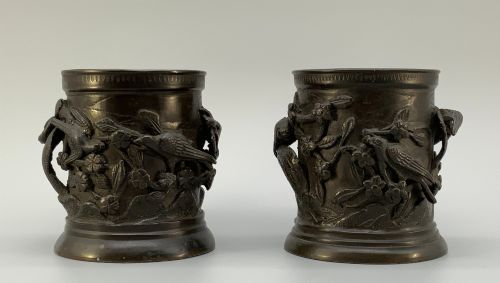
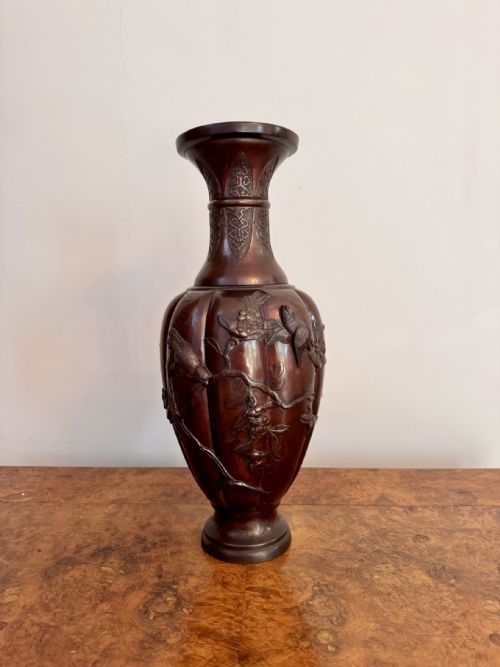
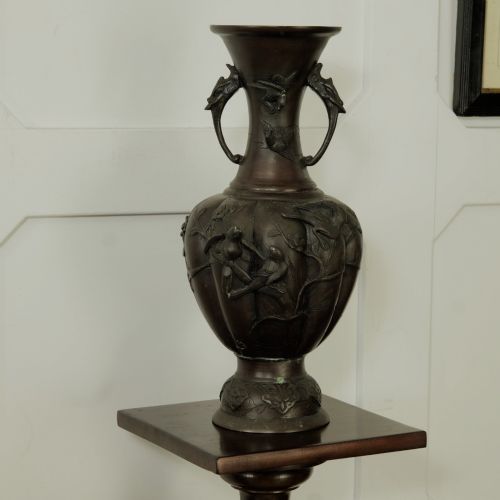
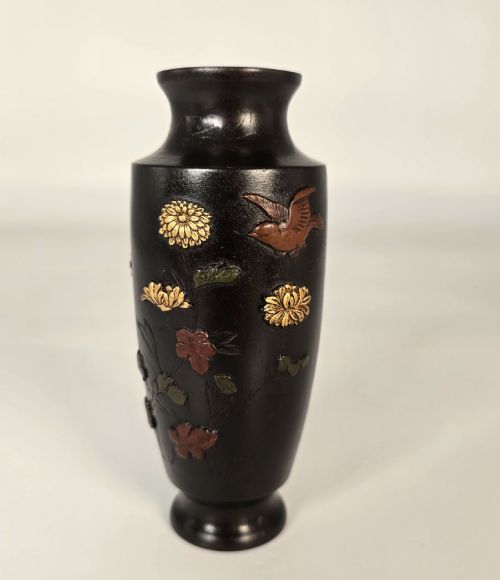
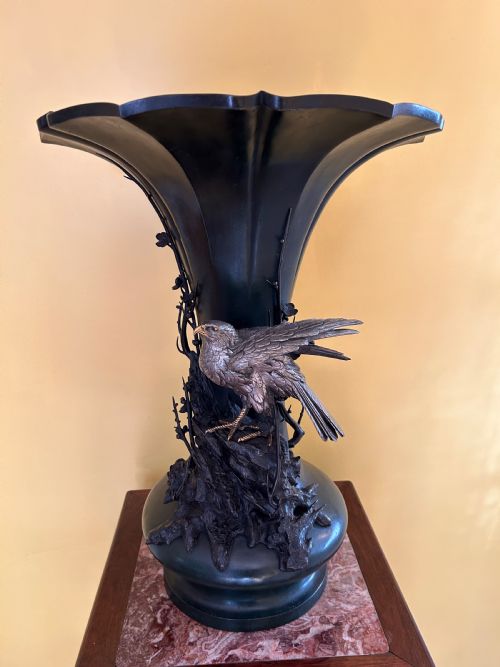
These asian bronze flower vase examples bring heavy cast metal and intricate surface detail into a room.
Asian Bronze Flower Vase
An asian bronze flower vase brings cast metal form and patinated surface into a room, serving as both a functional vessel and a sculptural object. When you search for an asian bronze flower vase, you encounter pieces primarily originating from Japanese Meiji workshops and Chinese periods spanning the late nineteenth and early twentieth centuries.
The selections on this page range from modest posy vases and stem vases to large baluster urns and decorative jardinieres. Japanese Meiji period examples dominate the listings, often featuring slender necks, bulbous bodies, and paired configurations.
Chinese pieces also appear, including cloisonne and gilt metal variations alongside heavy bronze forms. These vessels accommodate floral arrangements while holding their own as substantial decorative centrepieces.
Materials and construction
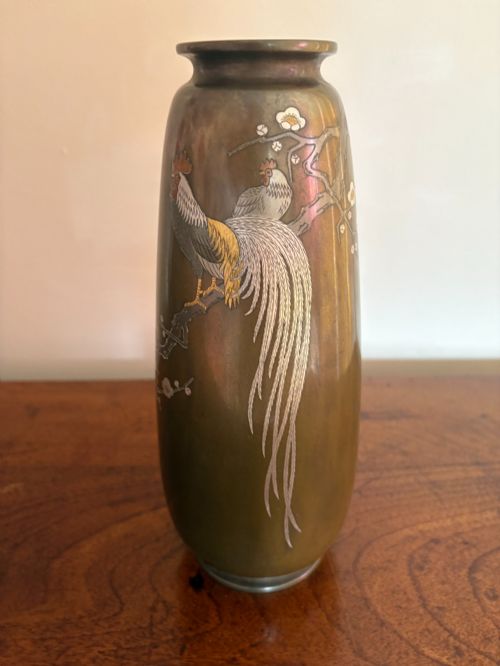
The foundational material across these listings is bronze, frequently finished with patination to achieve deep brown, black, or greenish tones. Artisans also utilise copper, brass, silver, and gold alongside bronze to create mixed metal effects.
Surface ornamentation relies heavily on specialist techniques such as enamel work, cloisonne, and gold inlay. Many pieces incorporate engraved or applied motifs depicting birds, blossoms, and natural scenes directly into the metal body.
The listings on this page span several decades, stretching from the Victorian era through the 1930s with a strong concentration of Japanese Meiji period examples.
Assessing craftsmanship and finish
Quality in these vessels reveals itself in the crispness of the casting and the precision of the surface decoration. Superior examples display finely detailed inlay work, secure mixed metal elements, and balanced proportions.
Artisanal signatures and marks indicate higher workshop standards, whereas simpler commercial pieces show less refined surface tooling. The depth and stability of the patina further distinguish standard production from exceptional artistry.
KANASAWA
The Asian Bronze Flower Vase Glossary
- Meiji Period
- The era in Japanese history spanning from 1868 to 1912, known for a surge in metalwork craftsmanship destined for export. Pieces from this period frequently display detailed depictions of flora and fauna.
- Patinated Bronze
- Metal treated with chemicals or heat to alter its surface colour and texture. This finish protects the underlying bronze while adding aged depth to the appearance.
- Cloisonne
- An enamel technique where thin metal wires are soldered to a metal base to create compartments filled with coloured paste. These are then fired and polished to a smooth finish.
- Baluster Urn
- A vase form featuring a rounded body that tapers toward a narrow neck, resembling the architectural profile of a stair baluster.
- Mixed Metal
- A decorative approach combining bronze with contrasting metals such as silver, gold, and copper to create multi-toned pictorial designs on the vessel surface.
Asian Bronze Flower Vase: Frequently Asked Questions
How do I date a Japanese bronze vase?
Dating relies heavily on stylistic markers associated with the Meiji period, alongside evidence of manufacturing methods and signatures. Many pieces correlate with late nineteenth and early twentieth-century export production.
Examining the depth of the patina and the complexity of any mixed metal inlay provides further clues regarding the era of manufacture.
Can these vases hold water safely?
While many of these vessels were originally designed to hold flower arrangements, age and historic construction methods mean some metal seams may weep. Using a discreet internal glass liner protects the antique interior from moisture damage.
Checking the base for historic repairs or hairline fractures ensures the vessel remains stable when filled.
What is the difference between Japanese and Chinese bronze vases?
Japanese pieces from the Meiji era frequently utilise mixed metal inlay and naturalistic bird and blossom motifs. Chinese examples often incorporate distinct vessel forms such as archaic ritual bronzes or cloisonne enamel work.
Examining the specific style of surface decoration and the weight of the casting helps distinguish between the two regional traditions.
How should I clean an antique bronze vase?
Maintenance requires only gentle dusting with a soft, dry cloth to remove surface particles. Avoid chemical polishes, as they strip the patination and historical finish accumulated over decades.
Preserving the original surface texture maintains the integrity and visual character of the bronze.