


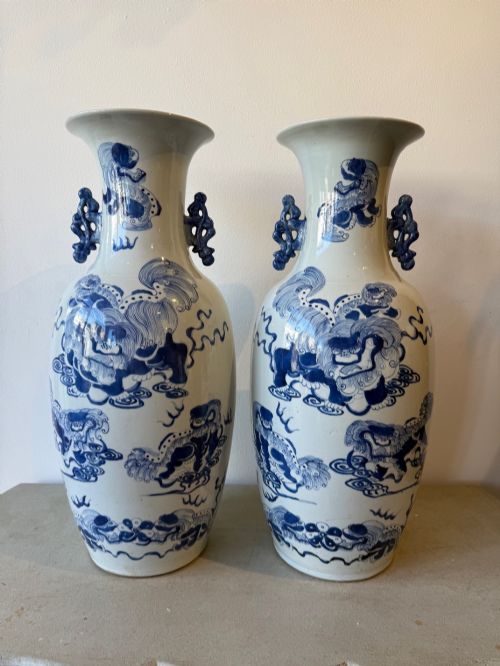


Asian Blue White Jar
An asian blue white jar brings enduring ceramic craft into a room, offering timeless pattern and form.
Asian Blue White Jar
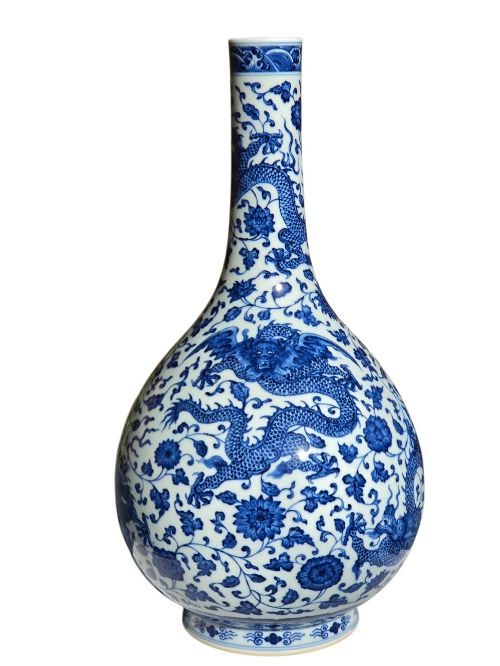
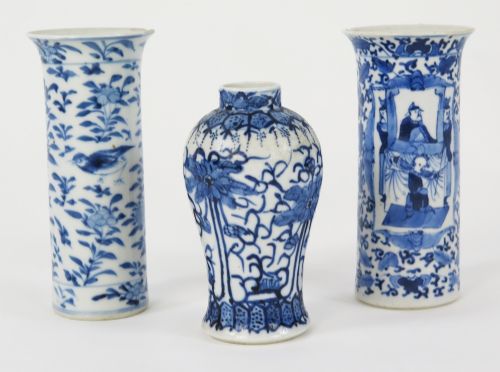
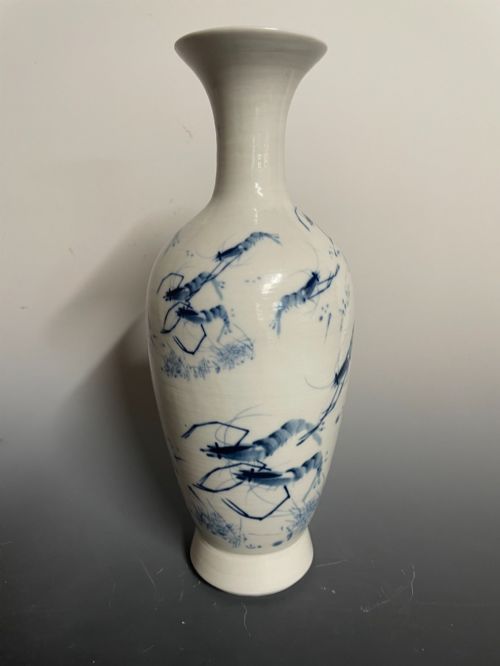
When searching for an asian blue white jar, you are looking at items shaped from ceramic and porcelain, often taking the form of ginger jars, vases, and tea caddies. These pieces span the eighteenth century, the nineteenth century, and the early twentieth century, reflecting periods such as the Qing dynasty and the Japanese Meiji period. You are most likely to meet large ginger jars and vases bearing traditional Chinese or Japanese styles on this page.
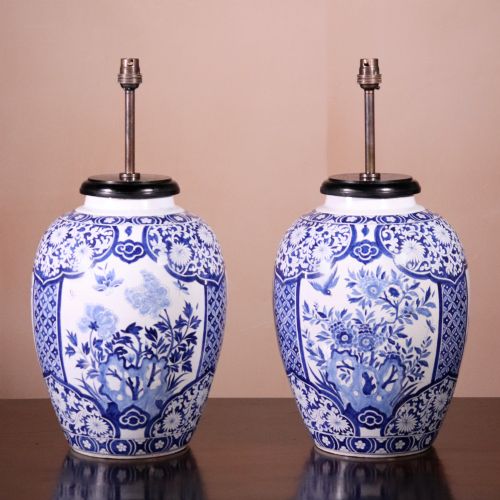
The objects frequently display historical marks or interpretations of earlier reigns, including Kangxi marks, alongside specific forms like the Kamcheng jar or snuff bottle canister. Alongside standard vessels, several examples appear mounted as table lamps with wood and brass elements. They originate from diverse workshops and traditions in East Asia, serving both decorative and functional roles in historic interiors.
Assessing quality
Quality varies in the clarity of the cobalt pigment and the precision of the hand-painted motifs across the ceramic surface. Vessels with crisp brushwork and deep underglaze colour command greater visual presence than simpler, more hastily decorated counterparts.
The condition of the porcelain body, the intact nature of any applied glaze, and the structural integrity of converted lamp bases or original covers also differentiate individual pieces within the range.
Asian Blue White Jar Retail Price Guide 2026
Typical asking prices for asian blue white jar among the pieces listed under this phrase on Sellingantiques today, from the lower quarter to the upper quarter. They describe what is for sale here now, not the wider market.
Listings feature items from the eighteenth, nineteenth, and early twentieth centuries, including pieces from the Qing dynasty and Meiji period.
Makuzu Kozan
The Asian Blue White Jar Glossary
- Cobalt glaze
- A vitreous coating containing cobalt oxide used to produce deep blue coloration on ceramics before firing. This mineral application creates the characteristic tonal variations seen across traditional vessels.
- Ginger jar
- A high-shouldered storage vessel originally designed for holding spices, later adopted as a standard decorative form. These pots usually feature broad bodies and matching domed lids.
- Kamcheng
- A traditional covered jar originating from Southeast Asian trade ceramics produced in Chinese kilns. These lidded containers often serve specific domestic storage functions.
- Kangxi period
- An era within the Qing dynasty associated with high standards of porcelain production and distinct reign marks. Later pieces frequently reference these earlier aesthetic markers.
- Meiji period
- A historic era in Japan marked by significant artistic output and export ceramic manufacture. Works from this time often combine traditional motifs with innovative forms.
Asian Blue White Jar: Frequently Asked Questions
How were ginger jars originally used?
These jars were manufactured to transport and store spices, salt, and other valuable commodities in domestic settings. Their broad shoulders and secure lids kept contents protected from moisture and pests.
Over time, their pleasing proportions led to their adoption purely as decorative objects in both Asian and European interiors.
How do I care for antique porcelain?
Dust the ceramic surface gently with a soft, dry cloth to prevent the accumulation of particles. Avoid using harsh chemical cleaners or abrasive materials that could harm the glaze.
Keep the vessel away from direct sunlight and areas prone to sudden temperature changes to protect the material integrity.
Are these jars waterproof?
Many older ceramic vessels were fired primarily for decorative display and may possess porous bodies or unglazed interior bases. Using them to hold water for fresh flowers can sometimes risk moisture seepage.
It is safer to place a small glass or plastic liner inside the vessel if you intend to use it with liquids.
How do I identify a Meiji period piece?
Meiji period items typically reflect Japanese aesthetic traditions, often featuring distinct glaze characteristics and stylistic motifs associated with late nineteenth and early twentieth century production. Examining the specific ceramic body and decorative style helps distinguish them from Chinese counterparts.
Signatures or workshop marks on the base can also provide clear indicators of their Japanese origin.