

Asian Bronzes
These asian antique bronzes bring the weight and craft of Tibetan shrines, Japanese Meiji studios and Qing dynasty literati desks straight into modern rooms.
Asian Bronzes
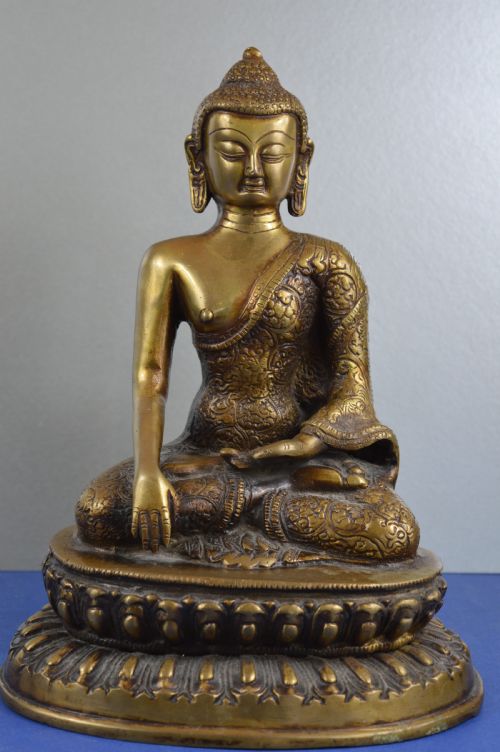
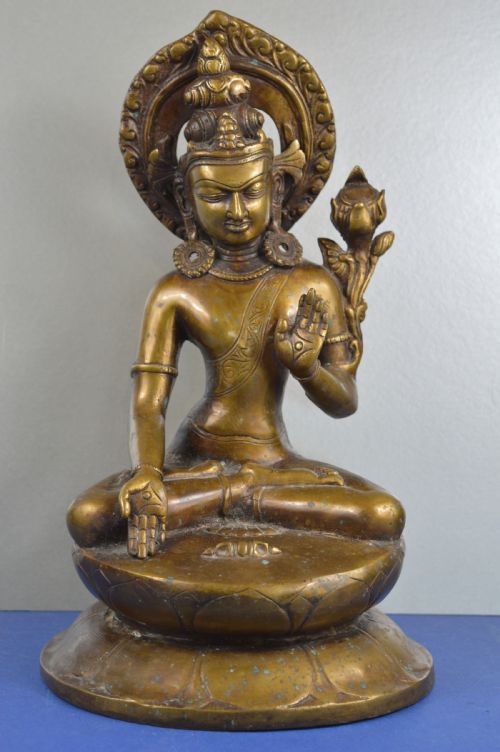
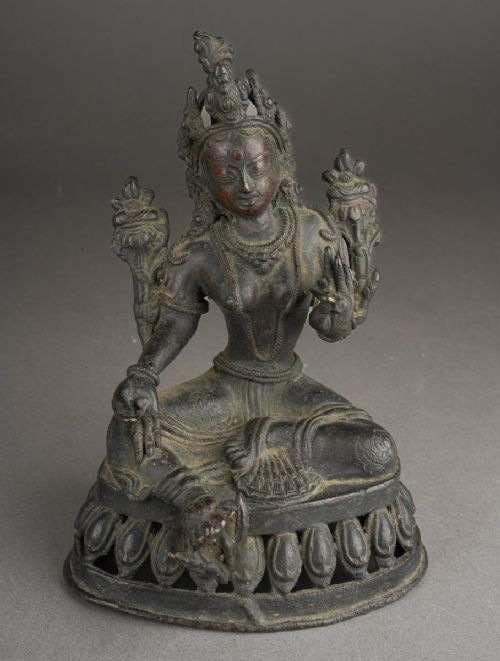
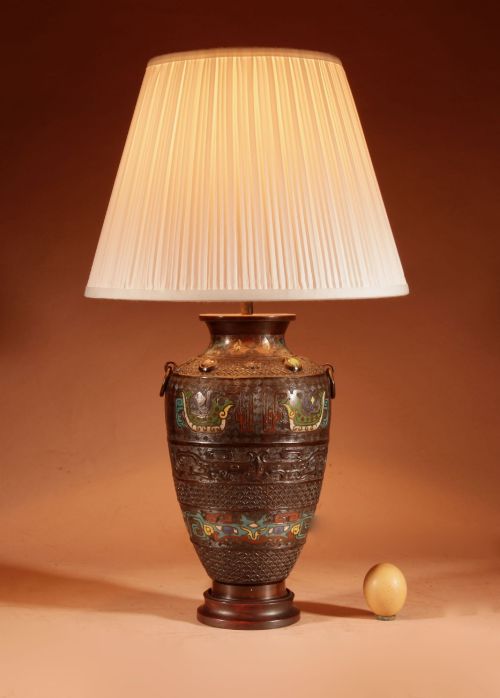
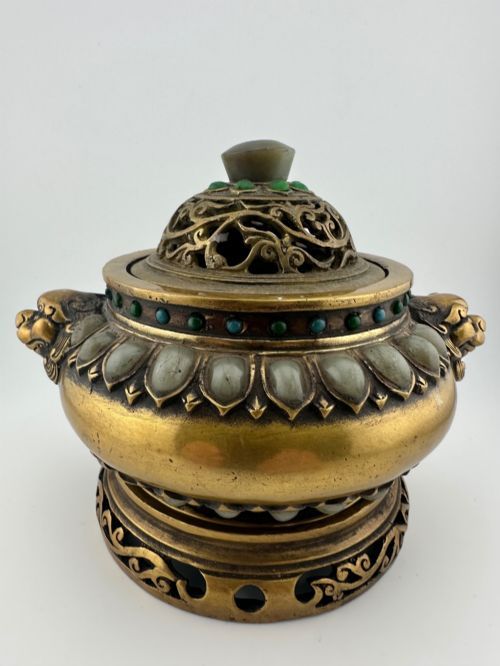
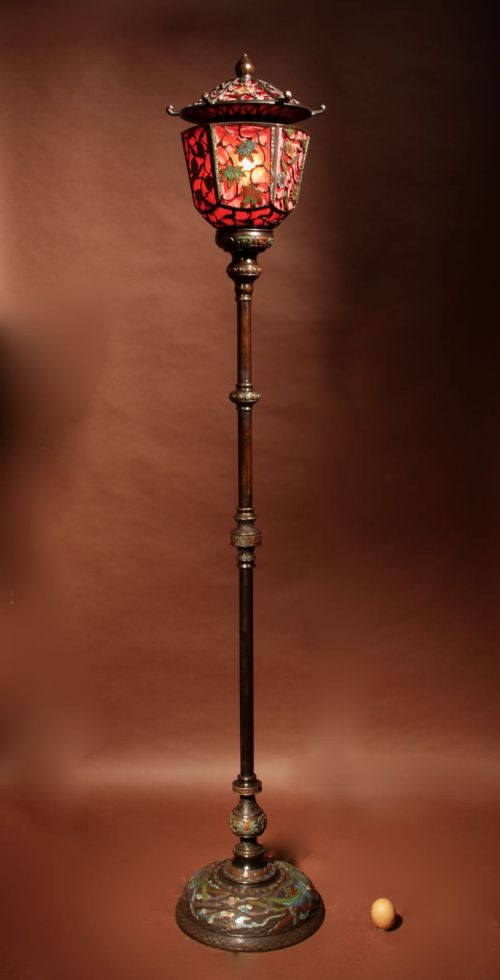
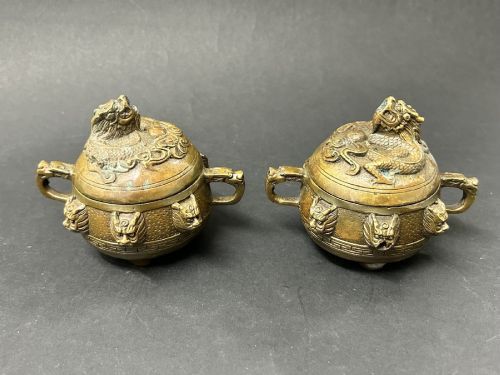
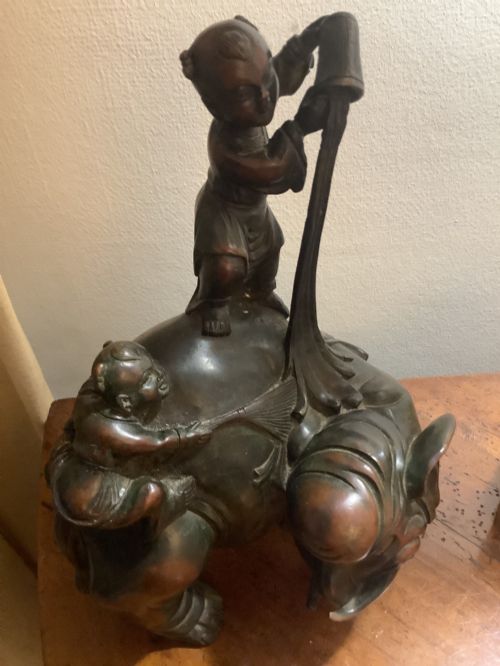
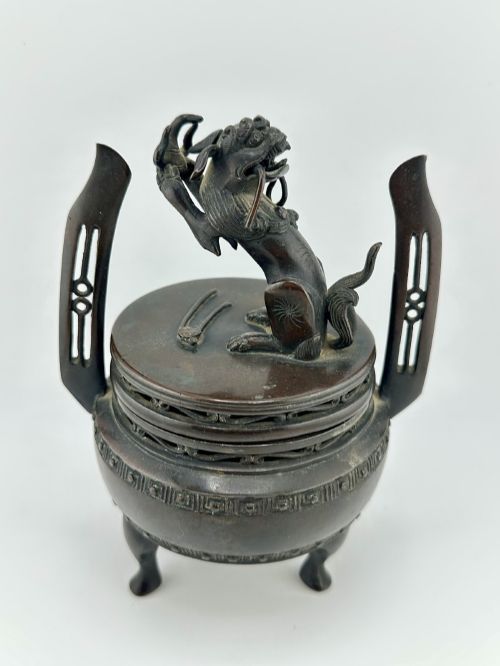
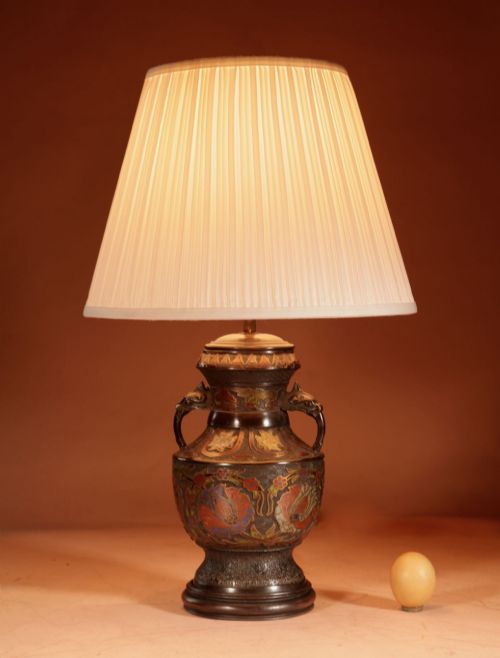
When you search for asian antique bronzes, you encounter heavy ritual vessels, detailed animal studies and Buddhist figures spanning the nineteenth century and the early decades of the twentieth. The examples most frequently met here take the form of Japanese Meiji period table lamps, incense burners, and Chinese censers adorned with mythical beasts.
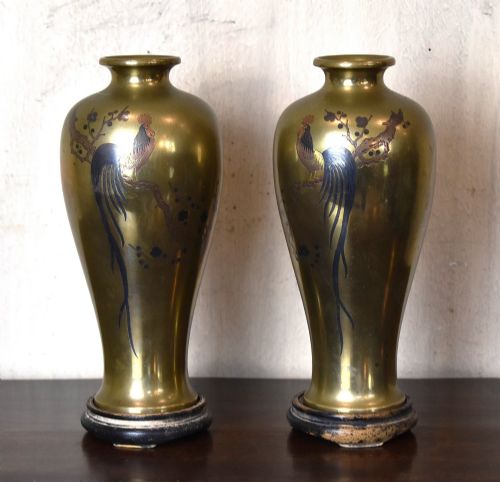
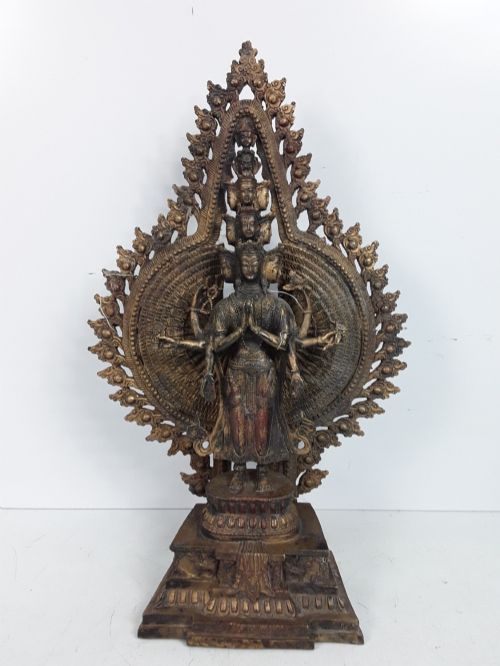
The selection ranges from large temple lions and multi-armed figures down to miniature ritual vases and opium weights. Makers across China, Japan, Tibet, Burma and Bali produced these works for domestic worship, scholarly pursuits or export during the Victorian and Edwardian eras.
How They Were Made
Foundries shaped these pieces primarily in bronze, brass and copper alloy, often employing lost-wax casting methods to achieve complex figures like elephants, dragons and Buddhas. Metalworkers integrated other elements into the core structure, applying hardstone inlays and mounts of wood.
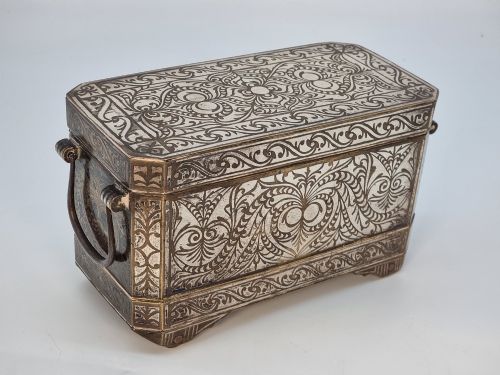
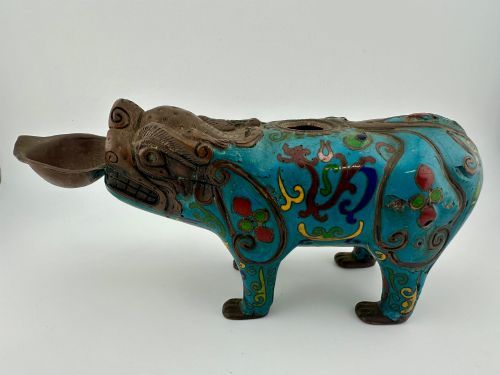
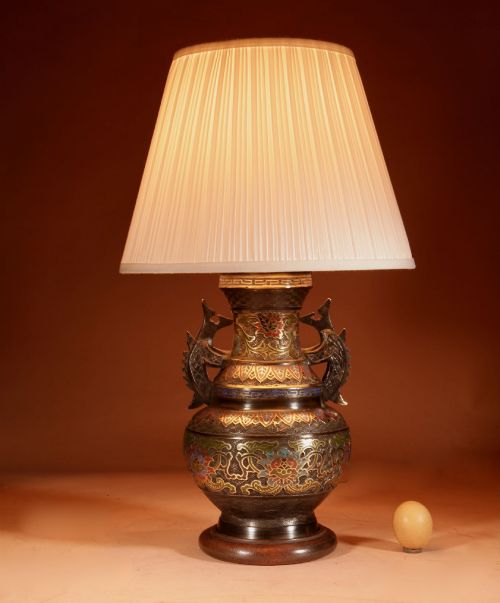
Surface decoration frequently involves cloisonné and champlevé enamel work, where coloured glass pastes fill wire cells or recessed troughs before firing. Artisans also utilised silver and other metals for intricate inlay patterns across surfaces like betal boxes and vase bodies.
Asian Bronzes Retail Price Guide 2026
Typical asking prices for asian bronzes among the pieces listed under this phrase on Sellingantiques today, from the lower quarter to the upper quarter. They describe what is for sale here now, not the wider market.
Listings feature items utilising bronze, brass, copper, enamel, and wood across the nineteenth and early twentieth centuries.
What Varies in Quality
The distinction between standard commercial pieces and finer works lies in the crispness of the chasing and the complexity of the surface integration. Superior examples display precise control in champlevé enamel cells and deeply articulated details in animal fur, feathers and facial expressions.
Scale and completeness also separate the output, as matching pairs of temple lions or censers with original covers and stands demand closer attention than single, altered items. The integration of specialised decorative elements, such as multi-layered patination or fine silver wire inlay, marks out the more ambitious studio output.
Tsukamoto Hikokichi
The Asian Bronzes Glossary
- Censer
- A vessel designed for burning incense during religious rituals or scholar room ceremonies. These often feature tripod legs and pierced covers topped with qilin or mythical beast finials.
- Champlevé
- An enamel technique where troughs or cells are carved directly into the bronze surface and filled with coloured vitreous paste before firing. This method creates bold coloured patterns flush with the metal partitions.
- Cloisonné
- A decorative process utilising thin metal wires soldered to the bronze base to create compartments that receive enamel paste. The piece is then fired and polished to a smooth finish.
- Meiji Period
- The era in Japanese history spanning from 1868 to 1912, characterised by a surge in highly detailed metalwork, bronze animal studies and export arts. Works from this time often show exceptional naturalistic observation.
- Qing Dynasty
- The final imperial dynasty of China, lasting from 1644 to 1912, noted here through late-period archaistic bronze vessels and ritual items bearing imperial marks. Pieces from this era frequently reference earlier historic forms.
- Archaistic
- A deliberate stylistic choice where later makers recreate the forms, patination and motifs of ancient ritual bronzes from earlier dynasties. This revival style honours historical Chinese ritual vessels.
Asian Bronzes: Frequently Asked Questions
What is a champleve bronze lamp?
These lamps repurpose Japanese Meiji period vases or lantern standards decorated with recessed enamel work into functional household lighting. Artisans mounted the antique bronze bodies with electrical fittings during later periods.
They retain their original hand-chased metalwork and coloured enamel cells while serving a modern domestic purpose as table lamps.
How do I care for antique bronze?
Keep these metal objects away from direct moisture and chemical cleaners that can strip the historic patination. Dust them gently with a soft, dry cloth to protect the underlying bronze and delicate enamel inlays.
Allow the natural ageing process to continue without applying abrasive polishes that damage the surface.
What are Japanese temple lions?
Temple lions, often called guardian lions or foo dogs, are paired sculptural figures traditionally placed outside sacred spaces to ward off malevolent spirits. In domestic contexts, they served as decorative or protective statuary.
Pairs typically feature one animal with an open mouth and one with a closed mouth, symbolizing the articulation of the universe.
How can I tell the period?
Dating relies on stylistic markers, manufacturing techniques, and specific period attributes such as Meiji signature styles or late Qing dynasty vessel forms. Materials like cloisonné enamel and specific casting weights help narrow down the production era.
Inscriptions, marks, and associated stands also provide context for when the bronze was cast.