


Asian Bench
An asian antique bench brings solid wood character and regional carving traditions into a modern room, offering low seating or elevated window perches.
Asian Bench
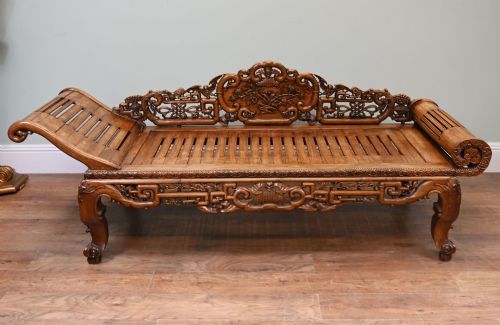
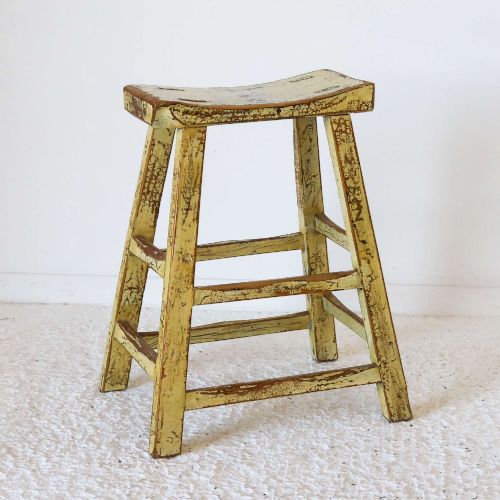
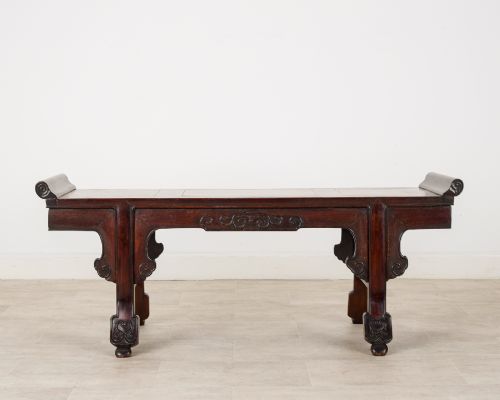
When you search for an asian antique bench, you encounter seating forms originating across Chinese provinces, spanning the nineteenth century and the early decades of the twentieth century. These pieces encompass long hall benches, window seats, settles, and day beds fashioned for domestic spaces.
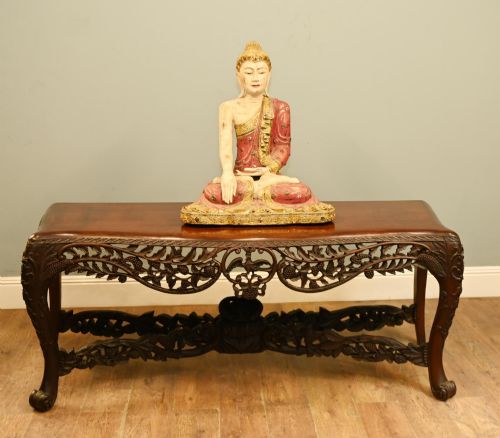
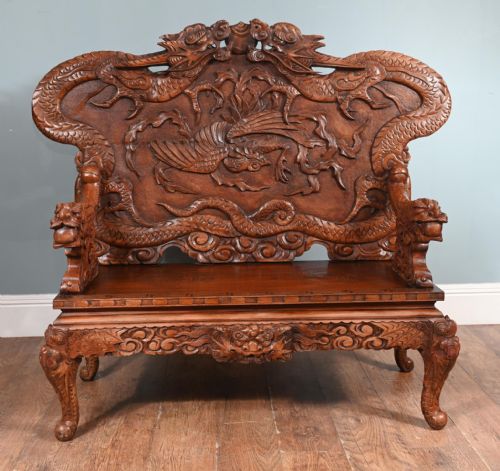
The version you are most likely to meet on this page is a carved hardwood hall bench or low seating piece linked to the Qing Dynasty or regional rustic traditions. Builders shaped timber into sturdy frames designed for practical daily use, employing plank tops and solid joinery rather than upholstery.
How they were made
Craftsmen utilised dense timbers including rosewood, hongmu, huanghuali, and elm, selecting each for structural resilience and grain quality. Carpenters joined components using traditional interlocking methods that dispensed with metal nails.
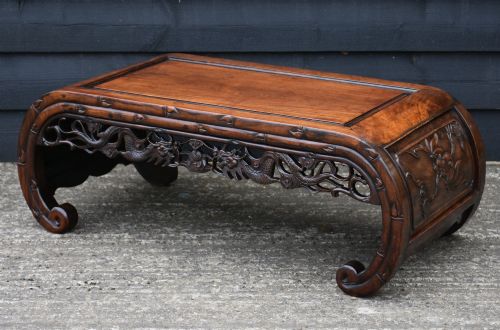
Surfaces received applied finishes such as red cinnabar lacquer or transparent polish to highlight the natural properties of the wood. Carvers worked directly into the solid material to render dragon motifs, scroll ends, and geometric borders along aprons and backsplashes.
Listings span the nineteenth and early twentieth centuries, featuring materials from elm and rosewood to marble and lacquer.
What varies in quality
The distinction between standard domestic seating and superior examples rests on the selection of timber and the crispness of the carving. Dense rosewoods and figured hongmu command greater regard than basic elm or softer blonde woods.
Original finishes and intact surface patination preserve the integrity of a piece. Subtle detailing on scroll ends and dragon panels demonstrates the hand of a skilled regional artisan rather than routine workshop production.
The Asian Bench Glossary
- Hongmu
- A dense tropical hardwood prized in Chinese furniture making for its deep colour and heavy weight. It frequently appears in formal tables and seating.
- Kang table
- A low platform table traditionally placed on a heated brick bed for dining or writing. These forms translate well into modern coffee tables.
- Cinnabar lacquer
- A traditional coating made from the mineral vermilion applied in multiple layers. Artisans carved intricate patterns into the hardened surface.
- Settle
- A wooden bench featuring a high back and solid arms designed to block drafts in domestic interiors. They offer substantial seating capacity.
- Huali
- A fragrant hardwood variety associated with classical Chinese furniture. It displays distinct grain patterns and warm tones.
Asian Bench: Frequently Asked Questions
How were asian antique benches used?
These pieces served practical functions in traditional households as seating along walls, window platforms, or sleeping spaces.
Lower forms acted as surfaces for daily tasks or resting tea sets, while larger hall benches accommodated multiple sitters in communal areas.
Where should I place an antique bench?
An antique bench suits entryways, hallways, or living spaces where low seating creates a focal point against plain walls.
Compact low versions function effectively as coffee tables in front of modern sofas.
How do I care for lacquered wood?
Maintain lacquered surfaces by dusting gently with a soft dry cloth and avoiding harsh chemical cleaning agents.
Keep wooden furniture away from direct heat sources and dramatic humidity shifts to protect the original finish.
How do I identify Qing Dynasty pieces?
Look for characteristic carving styles, dense hardwood construction, and traditional joinery methods associated with nineteenth-century workshops.
Details such as scroll ends and dragon motifs provide strong indicators of period manufacture.