

Arts Crafts Sterling
Exploring arts crafts sterling reveals hand-wrought silver pieces shaped by early twentieth-century ideals and defined by visible craft.
Arts Crafts Sterling
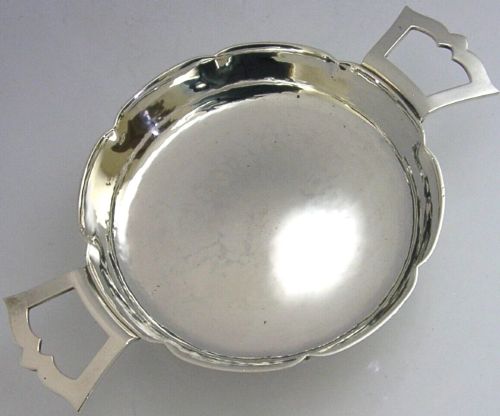
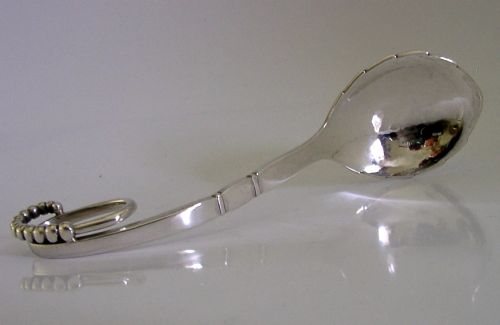
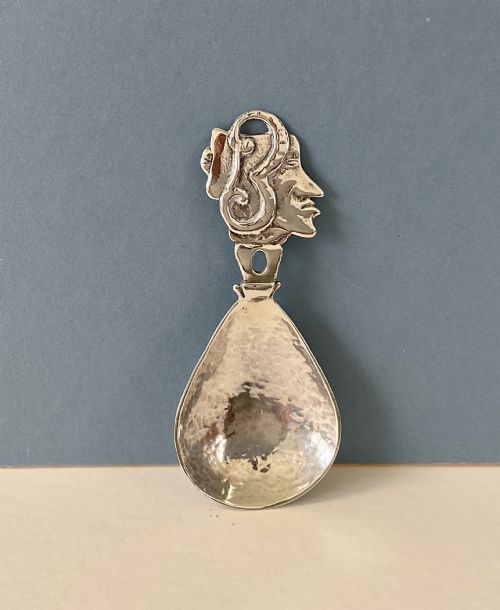
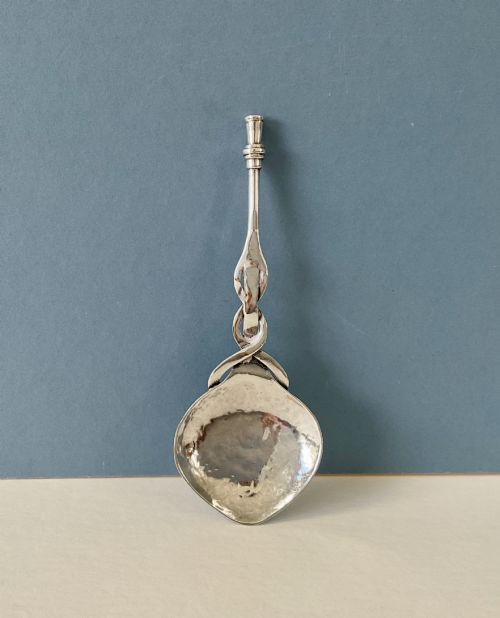
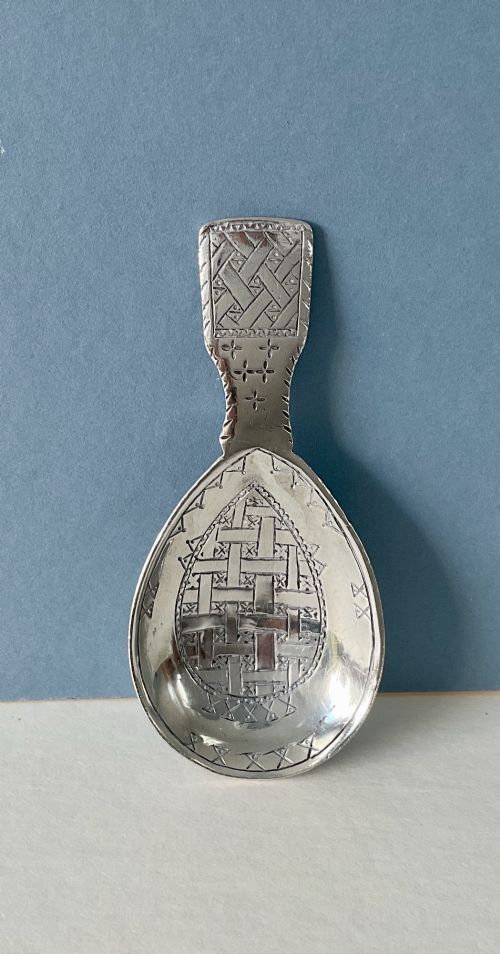
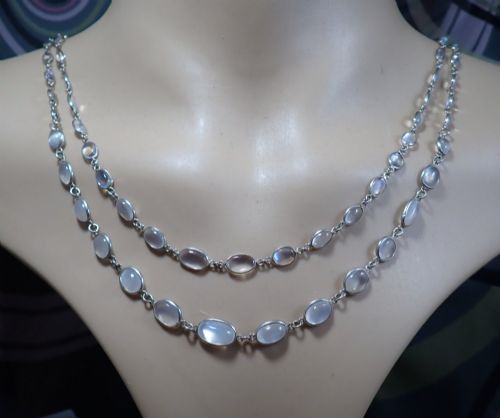
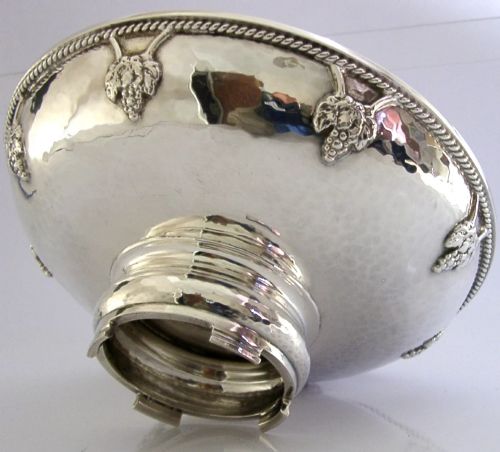
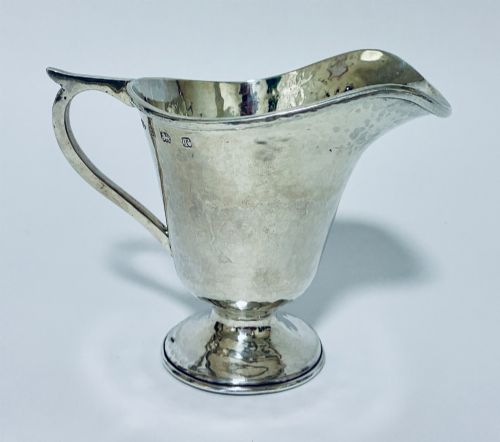
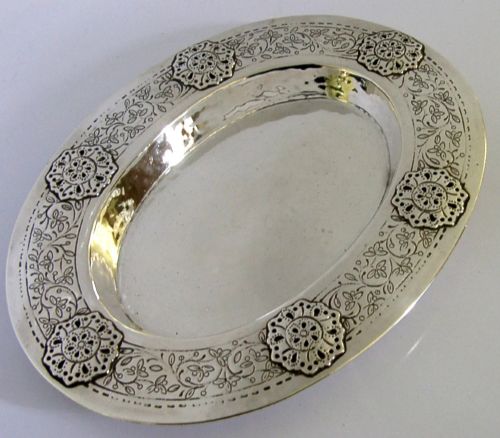
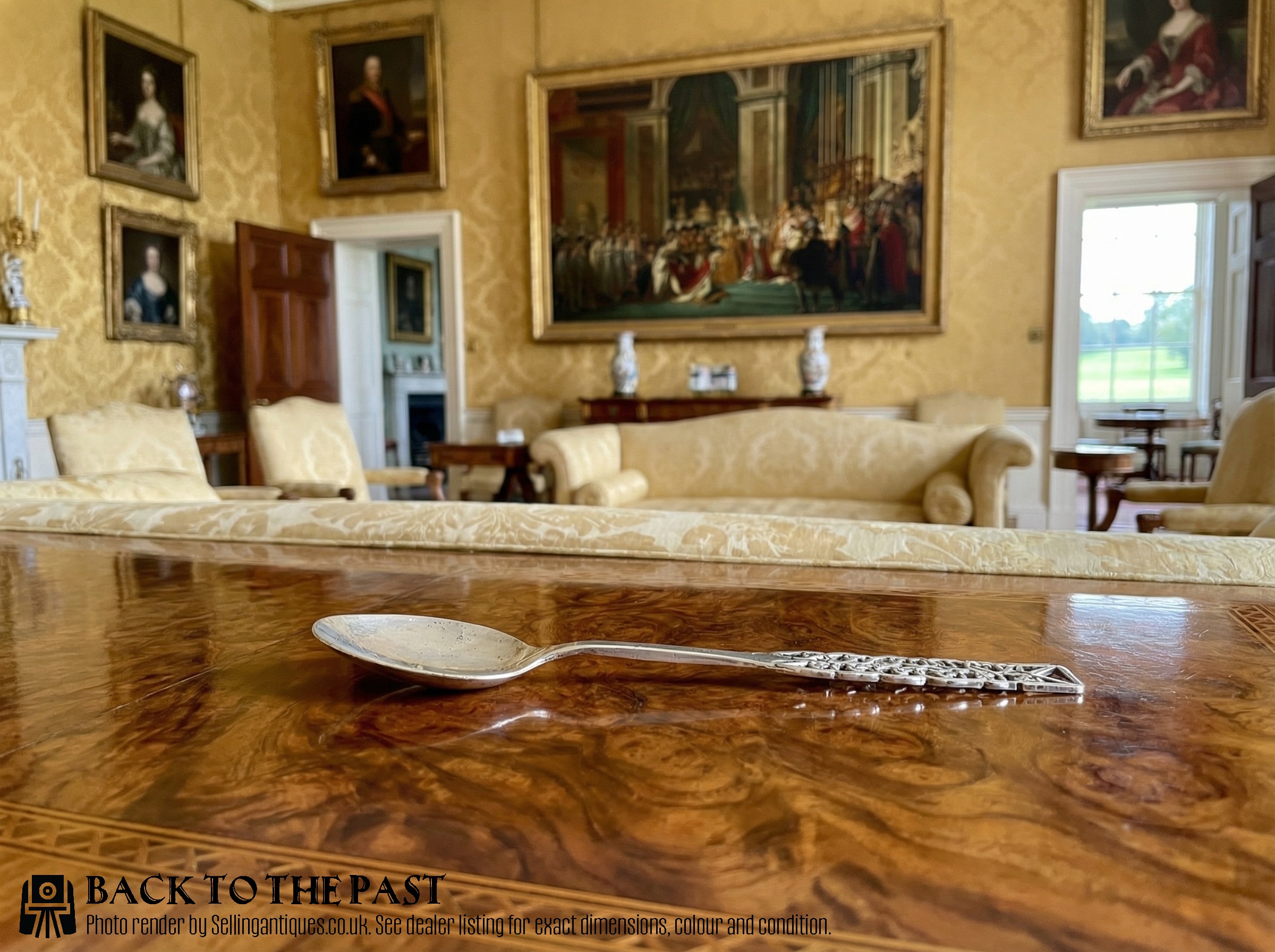
When considering arts crafts sterling, buyers encounter functional domestic objects and personal adornments created primarily between the late nineteenth century and the mid-twentieth century. The selection ranges from tableware such as caddy spoons, bowls, quaichs, and cream jugs to wearable items including pendants, necklaces, brooches, and rings.
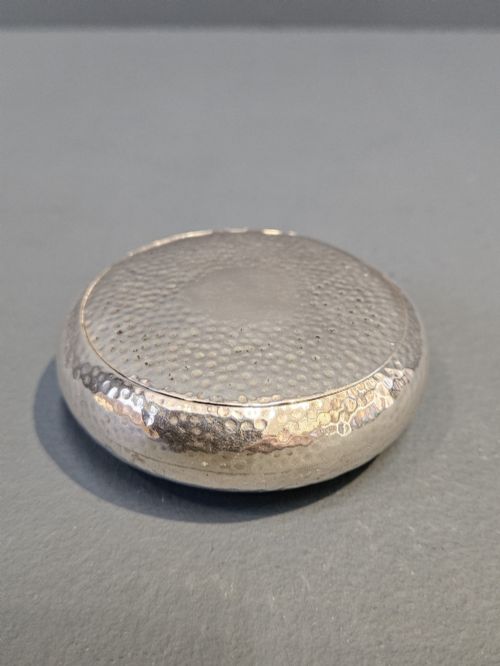
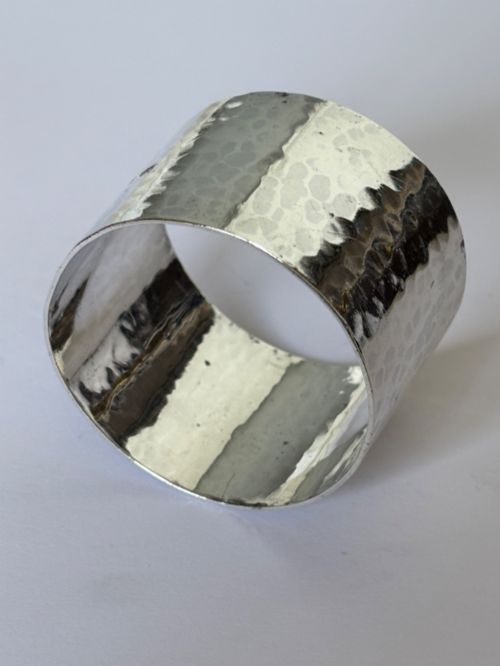
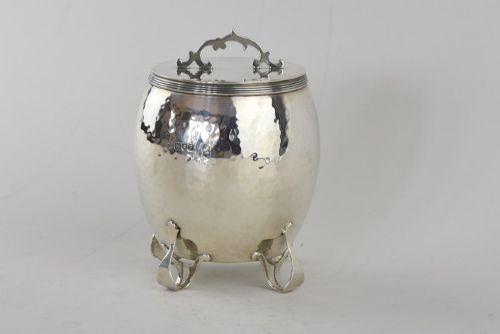
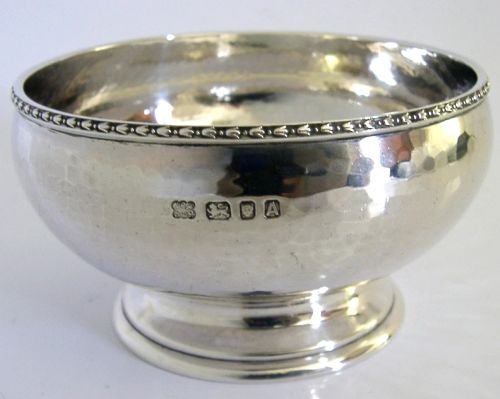
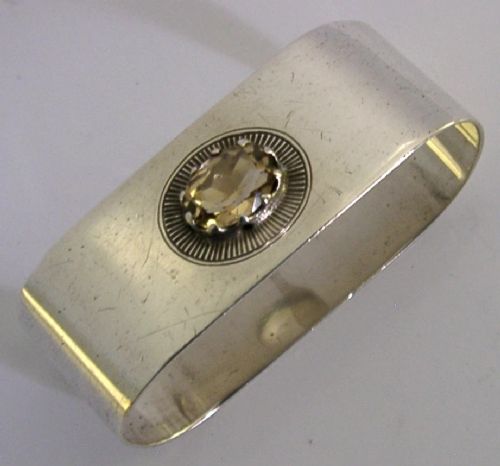
The most frequent examples on this page are small silver vessels, napkin rings, and spoons displaying the characteristic hand-hammered finish of the movement. Many pieces originate from British workshops and guilds, alongside occasional continental and American examples produced during the same design era.
Materials and technique
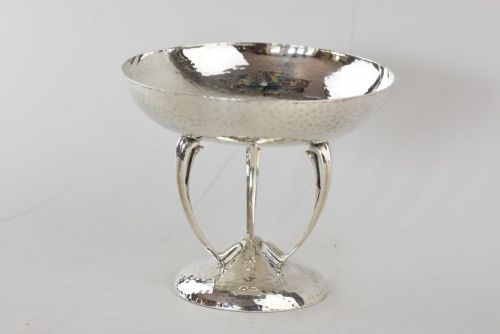
Makers of arts crafts sterling relied on solid sterling silver, often shaping sheets by hand using hammers to create distinctive planished or spot-hammered surface textures. This deliberate technique left small, uniform facets across the metal, showing the physical labour of the silversmith rather than the smooth perfection of machine stamping.
Vitreous enamel in vibrant shades of blue, green, and white frequently added colour to surface details, while cabochon-cut gemstones such as moonstones, amethysts, citrines, and opals were securely set into bezels to accent jewellery, boxes, and spoons.
Some pieces were hammered into existence while tea was likely getting cold in the corner of the workshop.
What varies in quality
Quality in arts crafts sterling is determined by the distinctness of the hand-craftsmanship and the harmony of the overall design. Pieces exhibiting crisp, purposeful planishing marks and well-balanced proportions reflect a higher level of workshop execution.
The integration of decorative elements also separates standard items from superior works. Master silversmiths carefully matched the tones of inlaid enamel and selected high-grade, luminous cabochon stones that complement the heavy gauge of the underlying silver.
Georg Jensen·A E Jones·Liberty and Co·Nathan and Hayes·W Comyns·R E Stone
The Arts Crafts Sterling Glossary
- Planished
- Finished with a small-faced hammer to create a textured pattern of flat, overlapping facets across the silver surface. This technique imparts a tactile quality unique to hand-wrought metalwork.
- Cabochon
- A gemstone shaped and polished with a smooth, convex dome rather than faceted edges. This cut was favoured by silversmiths for displaying the natural depth of moonstones and opals.
- Quaich
- A traditional two-handled drinking vessel originating in Scotland, often rendered in solid silver by guilds during the twentieth century. It serves as a distinctive form of ceremonial bowl.
- Caddy spoon
- A short-handled spoon specifically designed for measuring loose tea leaves from a caddy. These items frequently feature decorative hammered bowls and stylized handles.
- Vitreous enamel
- Glass fused to the surface of metal at high temperatures to produce durable coloured decoration. It provides rich colour accents on buckles, pendants, and boxes.
Arts Crafts Sterling: Frequently Asked Questions
What defines arts crafts sterling?
These pieces are hand-worked silver items created during the design reform movements that prioritized traditional craftsmanship over industrial mass production. They are distinguished by visible hammer marks and structural simplicity.
Collectors value them for their honest construction and integration of natural motifs, gemstones, and enamels.
How were these silver items used?
Many objects served daily domestic functions, including serving tea, holding condiments, or adorning dining tables as bowls and napkin rings. Others were worn as personal jewellery or carried as small personal accessories.
Their dual purpose as practical tools and decorative art made them central to early twentieth-century domestic life.
How do I care for silver with enamel?
Enamelled and gemstone-set pieces require gentle cleaning with a soft cloth and warm soapy water, avoiding harsh chemical dips that can damage fragile glass surfaces. Store them separately to prevent scratching the softer stones and enamel.
Proper handling preserves the original coloured finishes and stone settings.
How can I tell the period?
Dating relies heavily on hallmarks stamped into the silver, which record the assay office, date letter, and maker's mark. Stylistic indicators like Edwardian proportions or Art Nouveau lines also help establish the era.
Comparing the specific hammer work and bezel settings provides further context for the production decade.