


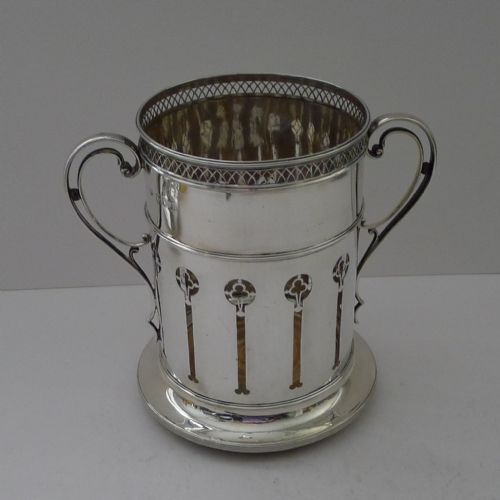
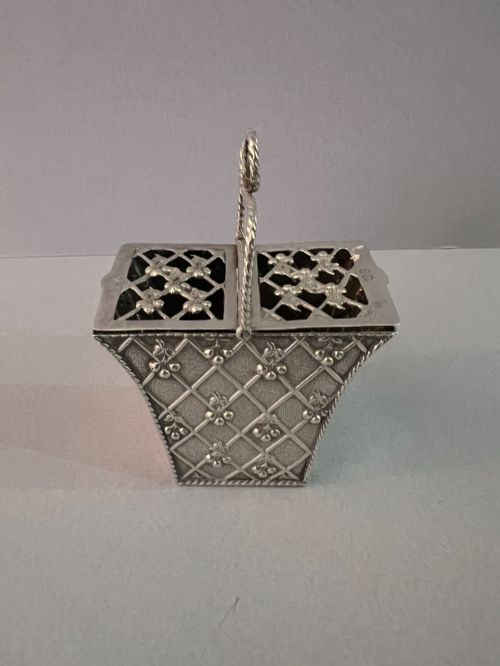
Pierced Silver Handle
These pierced silver handle pieces unite functional domestic vessels with intricate openwork metal craft.
Pierced Silver Handle
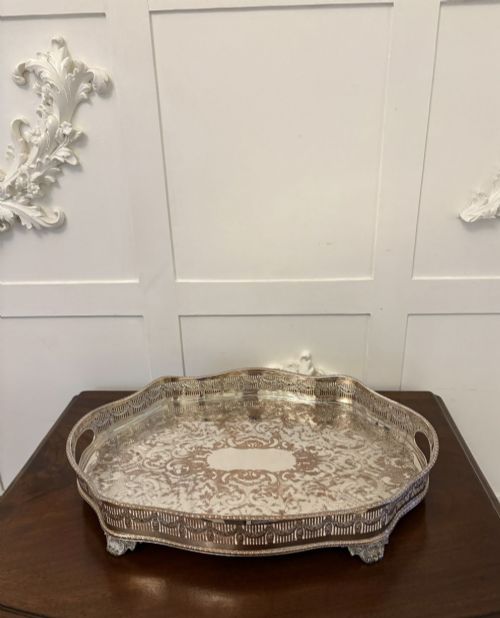
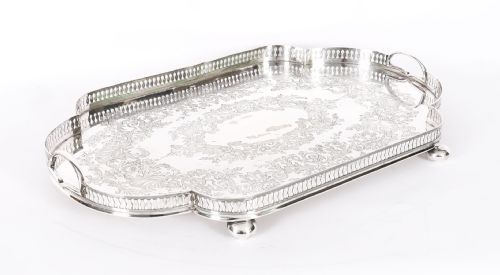
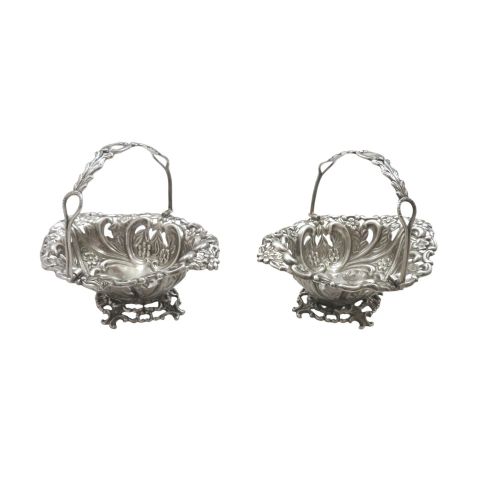
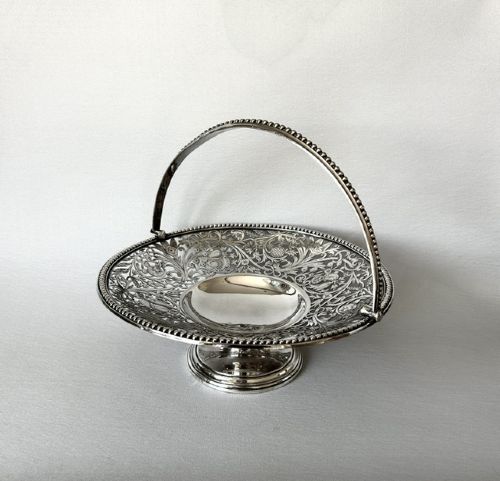
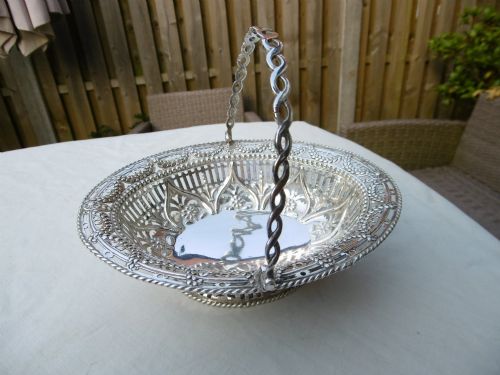
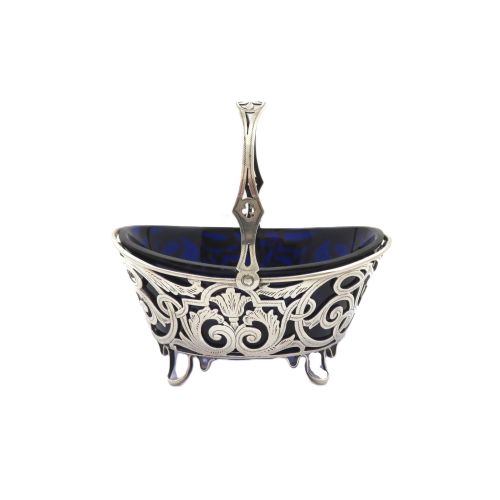
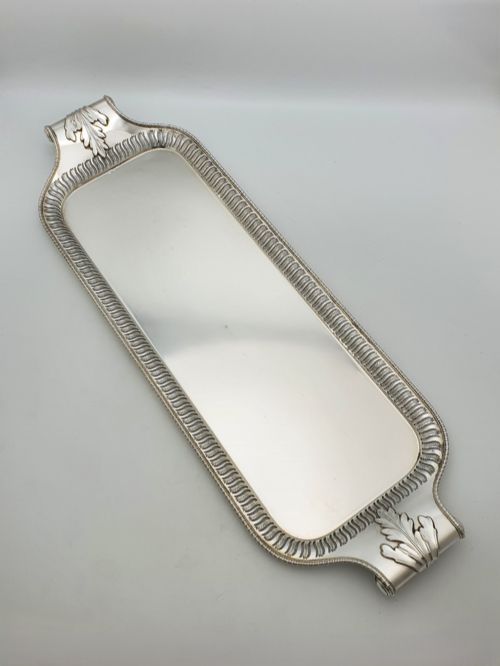
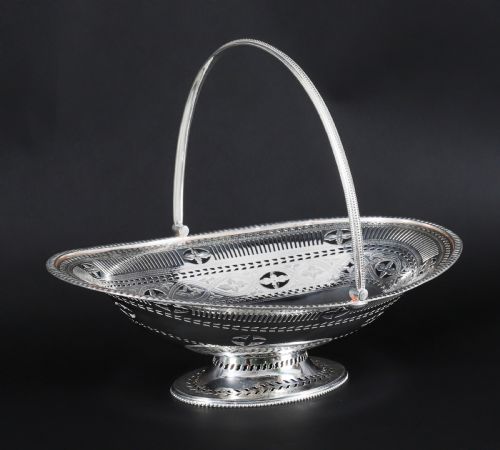
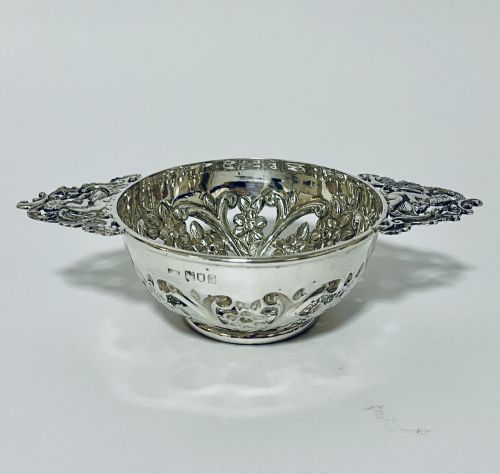
A pierced silver handle appears most frequently on baskets, trays, and dishes intended for sugar, fruit, cake, or wine. These items emerge predominantly from Georgian, Victorian, and Edwardian periods.
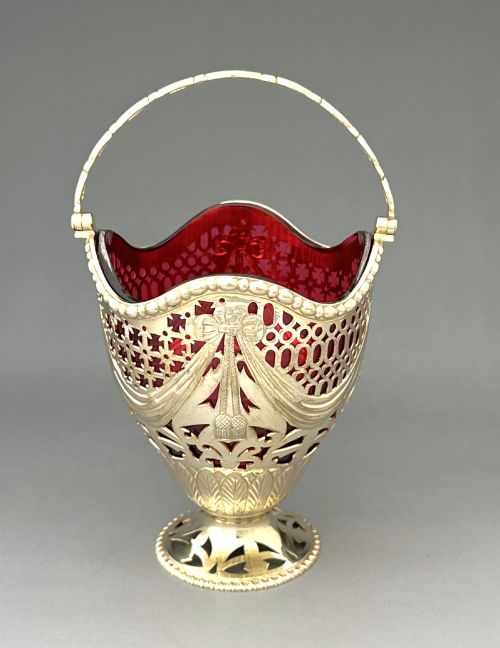
The handle is often integrated into a swing mechanism above a basket, or shaped as rigid side grips on trays and dishes. Sterling silver and silver plate dominate the offerings on this page.
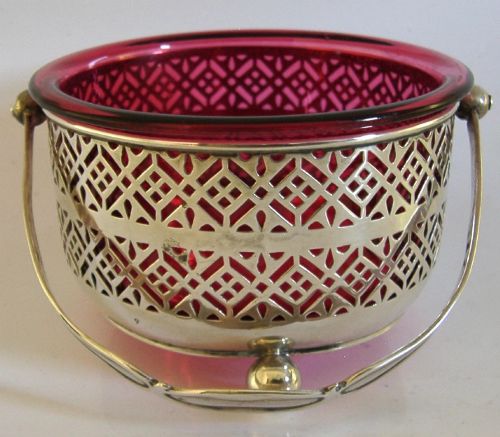
Buyers will encounter vessels accompanied by glass liners in ruby, cranberry, or amethyst hues. Forms range from small bonbon dishes to large serving trays with pierced borders and galleries.
Materials and technique
Silversmiths utilised sterling silver and silver plate over base metals, shaping them through casting, hammering, and piercing. Piercing work involved sawing or cutting intricate patterns into the metal plate.
Handles were cast separately with floral or reeded details before being soldered or pivoted onto the main body. Glass liners were blown and fitted to rest securely within the openwork frames.
Object forms include sugar baskets, wine coasters, tea trays, and bonbon dishes, frequently paired with glass liners.
Distinctions in quality
The crispness of the piercing separates ordinary output from superior examples, as clean edges and symmetrical lattice work require skilled hand-sawing. Weight and gauge of the metal also dictate the substantial feel of the piece.
Maker marks and hallmarks provide evidence of provenance and standard, with well-documented workshops achieving higher regard. The integration between the handle mechanism and the body reveals the precision of the initial construction.
James Deakin·Aldridge and Green·Thomas Bradbury·John Hunt·Samuel Herbert·Hammond Creake and Co
The Pierced Silver Handle Glossary
- Pierced
- Metalwork that has been cut through to create an open pattern or design. This technique lightens the object while adding decorative detail.
- Swing handle
- A movable handle attached to the rim of a basket by pivots. It drops to either side when the vessel is at rest.
- Gallery
- A pierced or openwork metal railing surrounding the edge of a tray or basket. It prevents items from sliding off the flat surface.
- Liners
- Removable glass vessels inserted inside silver baskets or bowls. They protect the openwork metal from moisture and acidic contents.
- Hallmark
- Official stamps struck into precious metal indicating the standard of purity, assay office, and year of manufacture. These marks verify the origin of the silver.
Pierced Silver Handle: Frequently Asked Questions
What were pierced silver handle baskets used for?
These vessels served elite dining tables to present fruit, bread, cakes, or sugar sweetmeats during formal meals and afternoon tea.
The openwork design allowed guests to view the contents while the swing handle facilitated passing the dish around the table.
How do I care for a pierced silver handle piece?
Gentle cleaning with a soft cloth and proprietary silver polish maintains the metal without abrading the delicate pierced edges.
Glass liners should be washed separately in warm soapy water to prevent residue buildup against the metal frame.
How can I tell a Georgian piece from an Edwardian one?
Georgian items often display hand-cut piercing with heavier gauge silver and simpler proportions suited to formal dining rooms.
Edwardian examples frequently incorporate machine assistance alongside hand finishing, reflecting broader manufacturing changes and lighter decorative styles.
Why do some baskets include coloured glass liners?
Coloured glass provided a striking visual contrast behind the pierced silver lattice work of the basket body.
Cranberry, ruby, and amethyst glass liners also served a practical purpose by holding loose or moist foodstuffs safely.