


Arts Crafts Oak Chair
An arts crafts oak chair brings honest joinery and vernacular warmth into a room, offering both everyday utility and distinct period character.
Arts Crafts Oak Chair
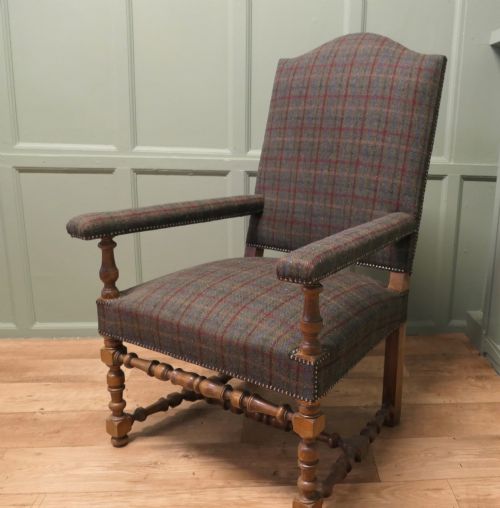
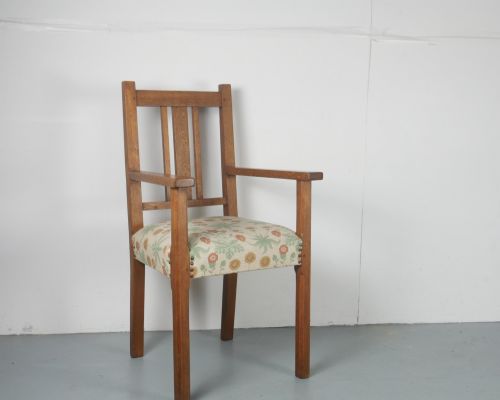
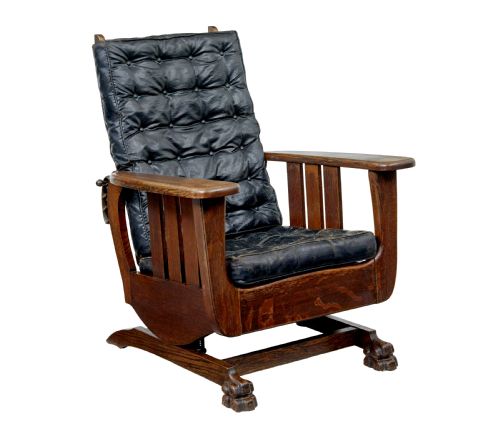
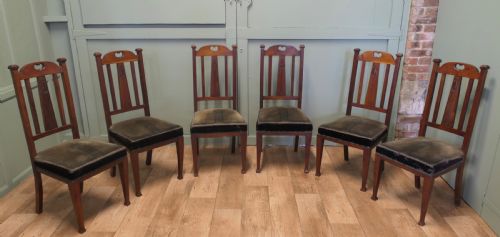
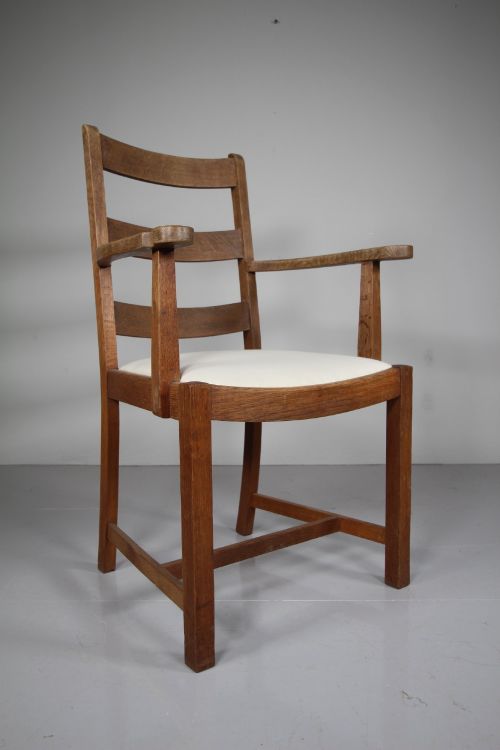
An arts crafts oak chair embodies the shift towards handcrafted simplicity and structural honesty that defined the late nineteenth and early twentieth centuries. Buyers seeking this phrase encounter seating that ranges from sturdy dining chairs to reclining armchairs and fireside models.
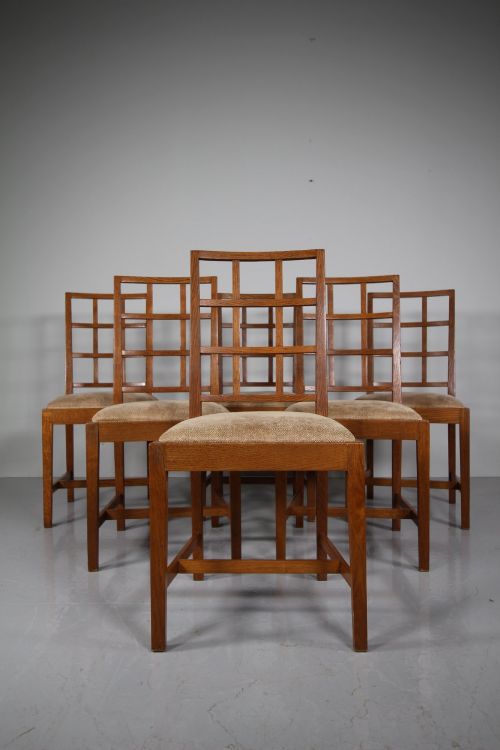
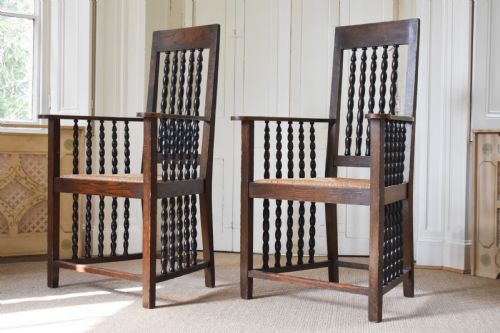
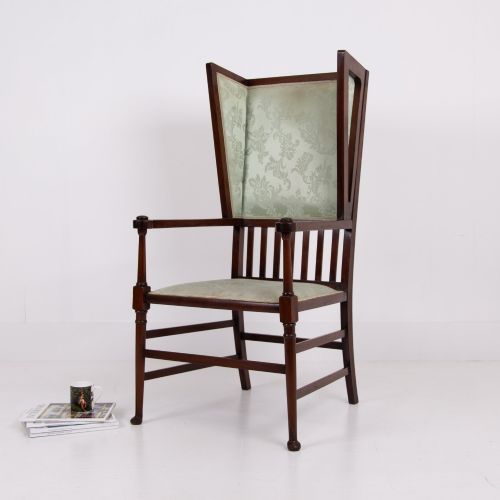
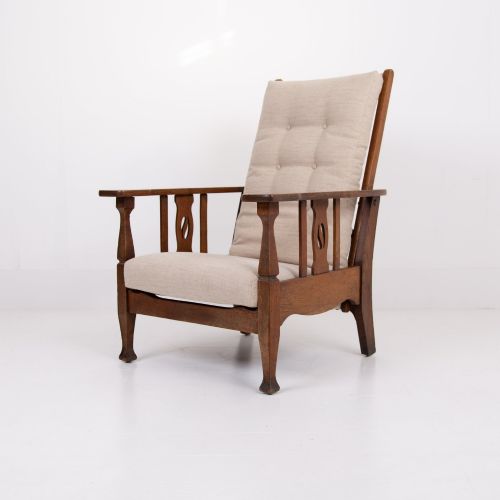
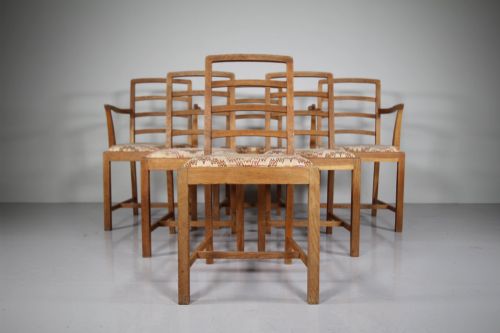
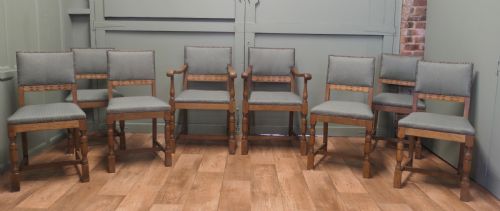
The selections span distinct regional outputs, including Scottish school designs, vernacular styles, and London retail pieces. Forms vary from ladderback dining sets and low armchairs to rocking chairs and hall seats.
Originating predominantly from the late nineteenth century through to the 1930s, these chairs reflect the enduring influence of designers and workshops associated with the movement.
How they were made
Makers utilised solid oak, often selected for its golden grain and durability, building frames with visible pegged joints and unpretentious structural lines. This emphasis on natural materials extended to traditional woven rush seats.
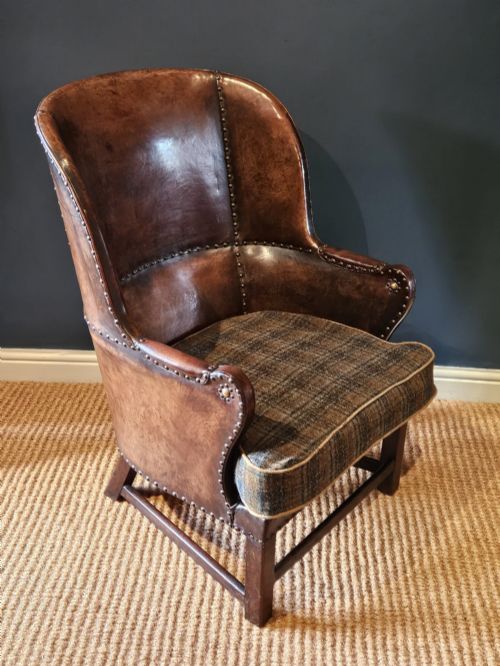
Upholstery materials typically include leather, tweed, velvet, and cane, secured to support comfortable fireside and reclining forms. Metal accents such as brass fixtures occasionally appear on specialist reclining mechanisms and decorative details.
Arts Crafts Oak Chair Retail Price Guide 2026
Typical asking prices for arts crafts oak chair among the pieces listed under this phrase on Sellingantiques today, from the lower quarter to the upper quarter. They describe what is for sale here now, not the wider market.
Listings feature oak chairs spanning from the late nineteenth century through to the 1930s, incorporating materials such as rush, leather, and brass.
What varies in quality
The distinction between standard commercial production and exceptional workshop output lies in the integrity of the timber selection and the precision of the hand-carved or pegged joinery. Stamped maker marks or workshop labels elevate the standing of a piece.
The balance of proportions and the retention of original seating materials, whether rush, leather, or cane, influence the overall integrity of the design. Subtle variations in regional vernacular detailing separate standard dining sets from architect-designed commissions.
Neville Neal·Edward Barnsley·Heinrich Vogeler·Heals of London·Goodyers London·Liberty Morris And Co·William Morris
The Arts Crafts Oak Chair Glossary
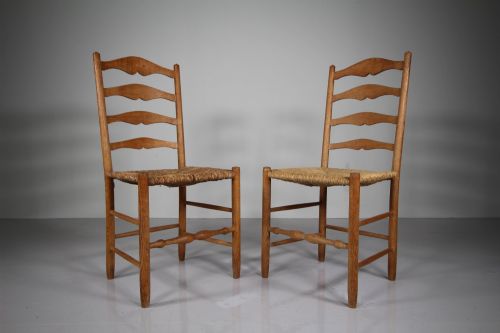
- Ladderback
- A chair back featuring horizontal slats between the vertical posts. This form is common in vernacular and traditional regional seating.
- Rush
- A traditional seating material woven from marsh plants. It provides a durable, textured surface frequently utilised in movement-era chairs.
- Glastonbury chair
- A distinctive folding armchair design with X-shaped supports and a sloping back. Versions appeared in Gothic Revival and early twentieth-century contexts.
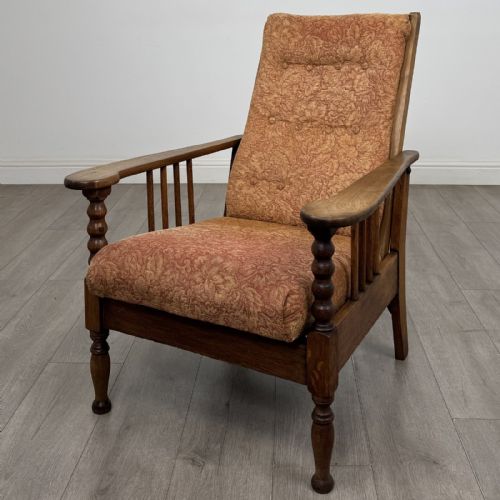
- Morris chair
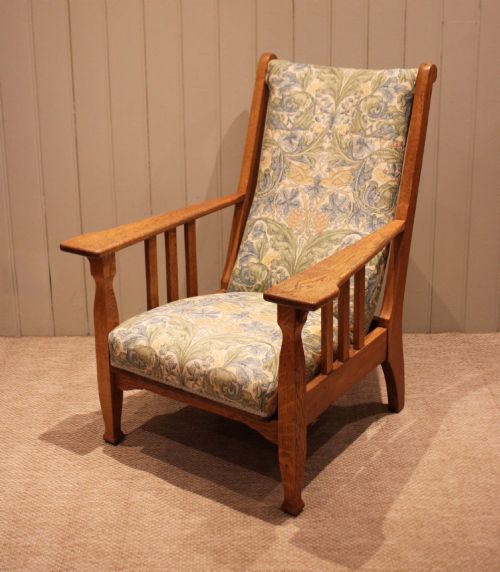
- An adjustable reclining armchair with a hinged back and adjustable brass rod. This form heavily influenced later lounge seating.
- Golden oak
- A bright, warm timber tone characteristic of period finishes. It highlights the natural grain of the wood.
Arts Crafts Oak Chair: Frequently Asked Questions
How do I identify an arts crafts oak chair?
Look for exposed construction methods such as pegged mortise and tenon joints, plain timber surfaces, and an absence of excessive machine carving. The focus rests on structural honesty and utilitarian form.
Many pieces also feature specific design vernaculars, such as ladderbacks, rush seats, or adjustable reclining mechanisms associated with the period's workshops.
Are these chairs comfortable for daily use?
Many forms, particularly fireside armchairs, reclining models, and upholstered dining chairs, were designed specifically with ergonomics and domestic comfort in mind. Deep seats and supportive backs make them practical for modern living.
Chairs fitted with original or replacement leather, tweed, or plush cushioning offer a supportive sit suited to regular daily use.
How do I care for oak and leather furniture?
Keep wooden frames away from direct heat sources and strong sunlight to prevent the oak from drying out or splitting. Occasional treatment with suitable wax helps maintain the finish of the timber.
For leather components, gentle cleaning and conditioning preserve the suppleness of the hide without altering its historical patina.