


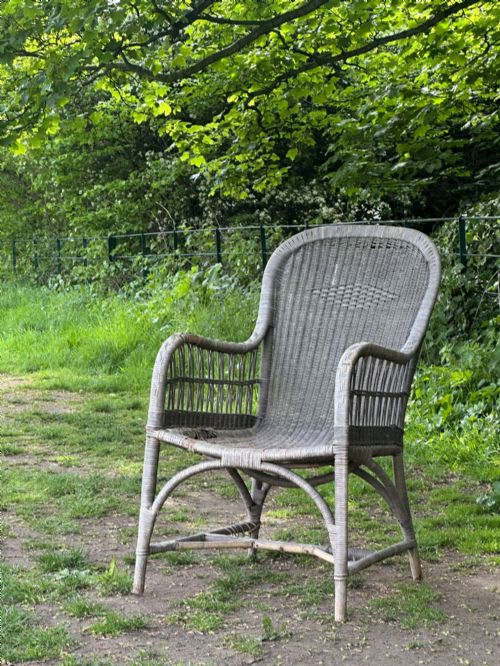


Arts Crafts Accent Chair
An arts crafts accent chair brings honest construction and simple form into a room.
Arts Crafts Accent Chair
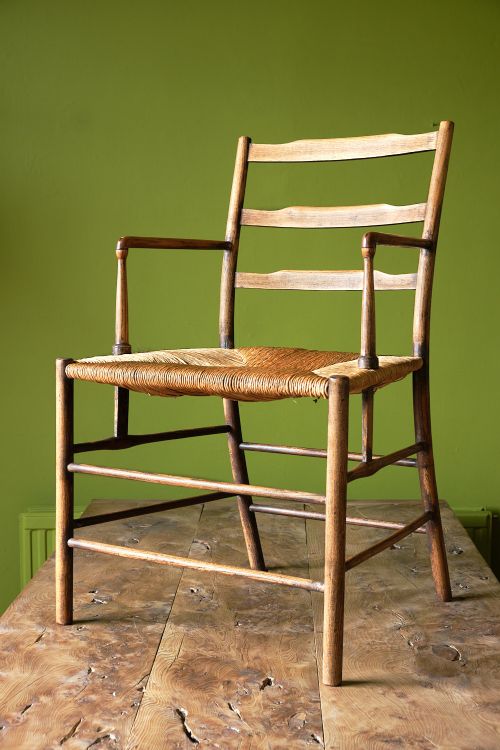
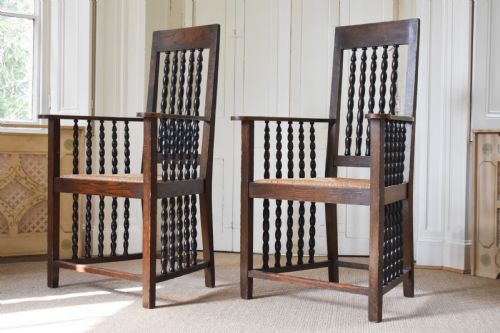
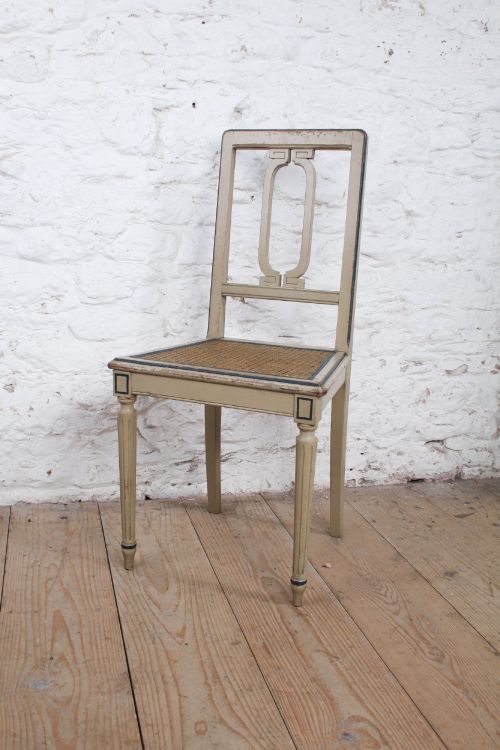
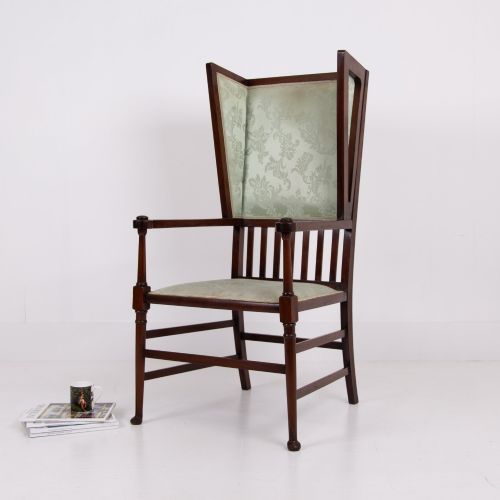
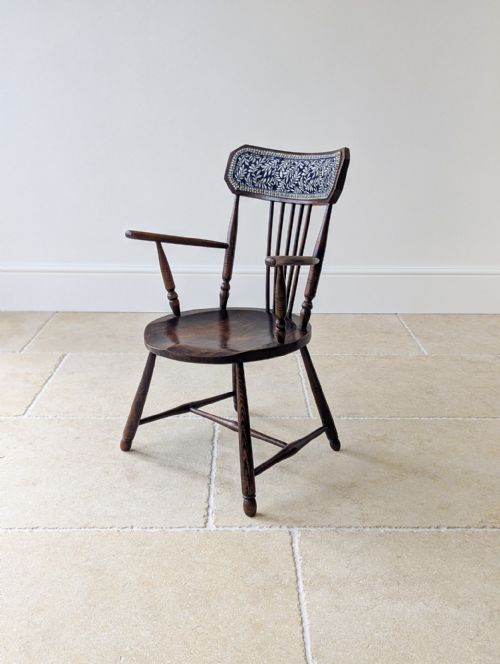
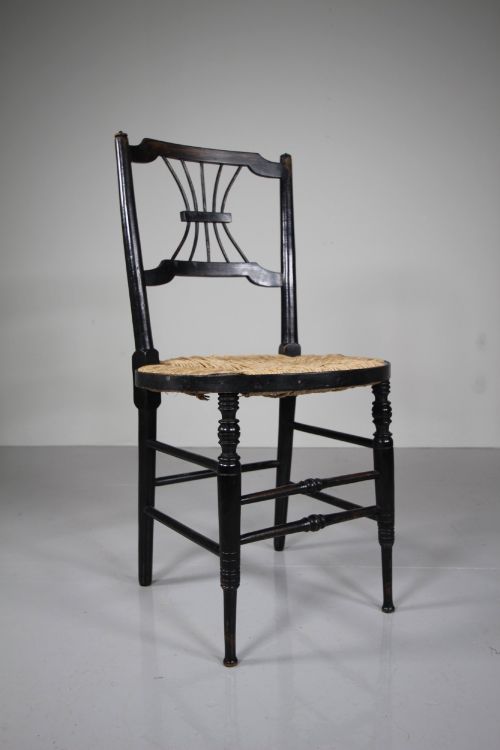
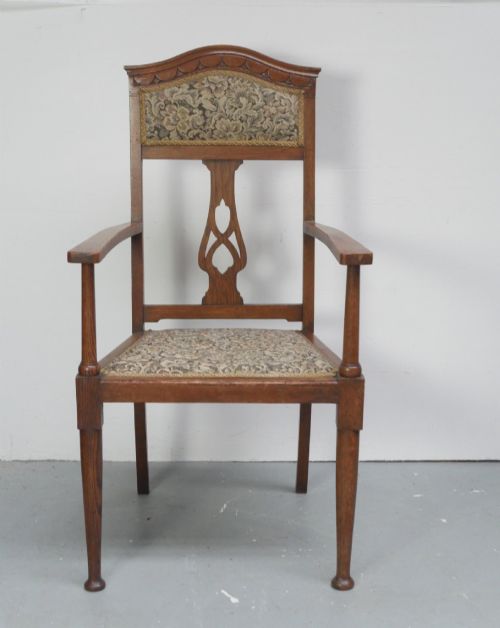
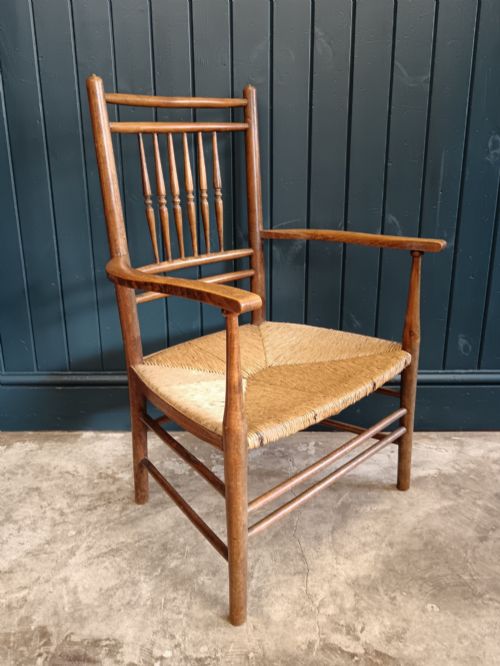
When searching for an arts crafts accent chair, you encounter seating built during the late nineteenth and early twentieth centuries, spanning periods from Victorian and Edwardian times through to the nineteen thirties. These pieces encompass various forms including armchairs, low fireside chairs, spindle-backed Sussex models, and high-backed hall chairs.
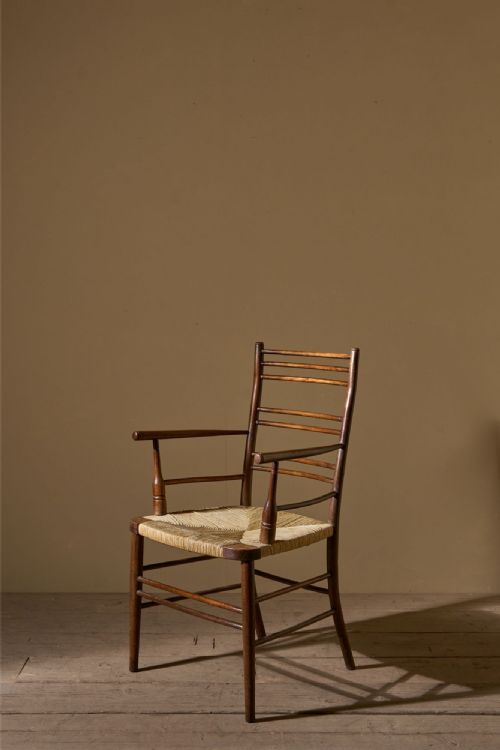
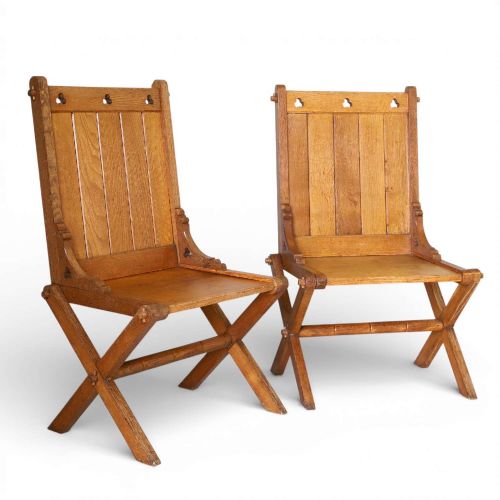
The most common iterations on this page are oak armchairs featuring rush or cane seats, alongside pieces reflecting related styles such as Art Nouveau, Aesthetic Movement, and Gothic Revival. Makers and retailers like Liberty, William Morris, and Dryad of Leicester shaped this tradition of domestic seating.
Materials and construction methods
Timbers such as oak, walnut, beech, mahogany, and fruitwood form the structural foundation of these chairs, often joined using traditional pegged mortise and tenon joints rather than metal fixings. Frames frequently incorporate turned wooden spindles, carved details, or trefoil cutouts.
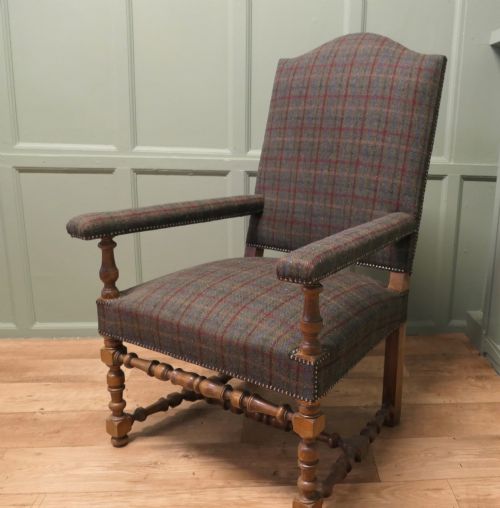
Seats rely on natural materials like woven rush, handwoven cane, or leather and fabric upholstery including velvet. Some specialised regional forms, such as Orkney chairs, incorporate oatmeal straw work tied with split cane over a wooden frame.
Arts Crafts Accent Chair Retail Price Guide 2026
Typical asking prices for arts crafts accent chair among the pieces listed under this phrase on Sellingantiques today, from the lower quarter to the upper quarter. They describe what is for sale here now, not the wider market.
Some chairs were specifically designed for gossip, proving that Victorians enjoyed a telephone chat just as much as anyone today.
Distinctions in quality and execution
The standard of a chair depends on the integrity of its timber framing and the tightness of its joints. Examples originating from notable workshops or retailers exhibit refined proportions and careful selection of grain in woods like oak or walnut.
The durability of the seating surface determines longevity, particularly in rush and cane examples where tight, uniform weaving withstands regular use. Original upholstery detailing and verified attribution to makers elevate the standing of a piece.
William Morris·Liberty of London·Dryad of Leicester·Wheeler of Arncroach·E W Godwin
The Arts Crafts Accent Chair Glossary
- Rush seat
- A woven seating surface made from dried marsh grasses twisted into cords. It offers a resilient and tactile texture common in vernacular seating.
- Spindle back
- A chair back composed of numerous thin, turned wooden uprights. This design distributes weight and lightens the visual mass of heavy timber frames.
- Gossip chair
- A small low seat designed for telephone conversations or social seating. These typically feature asymmetrical or compact arrangements suited for hallways and corners.
- Gothic Revival
- A design style drawing on medieval ecclesiastical architecture. Pieces display pointed arches, trefoil motifs, and heavy structural framing.
- Aesthetic Movement
- A late nineteenth-century design current promoting art for art's sake. Furniture from this circle values simplicity, artistic harmony, and slender profiles.
Arts Crafts Accent Chair: Frequently Asked Questions
Where should I place an arts crafts accent chair?
These chairs suit reading corners, bedrooms, or hallways where their timber frames and natural seating materials provide textural contrast. Low fireside models work particularly well near hearths or in smaller sitting rooms.
Their restrained decoration allows them to sit comfortably alongside both antique and contemporary furnishings.
Are rush and cane seats durable?
Woven rush and cane surfaces offer considerable strength when kept in dry conditions and used with care. Natural cordage flexes slightly under weight, distributing pressure evenly across the frame.
Avoiding excessive moisture and direct sunlight helps preserve the flexibility of the plant fibres over decades of use.
What is an Orkney chair?
An Orkney chair is a distinctive regional armchair featuring a high woven straw back supported by a wooden frame. The traditional oatmeal straw work is secured using split bramble or cane ties.
Originally developed to protect sitters from drafts in northern stone cottages, they serve as striking sculptural accents in modern interiors.