


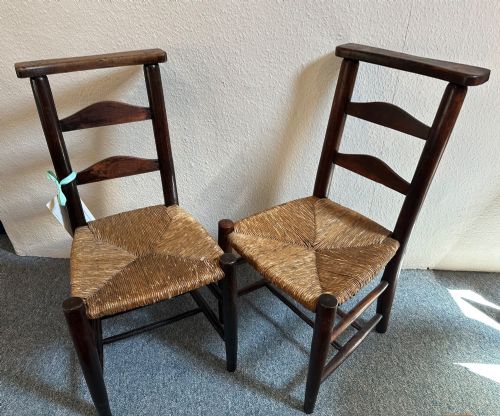
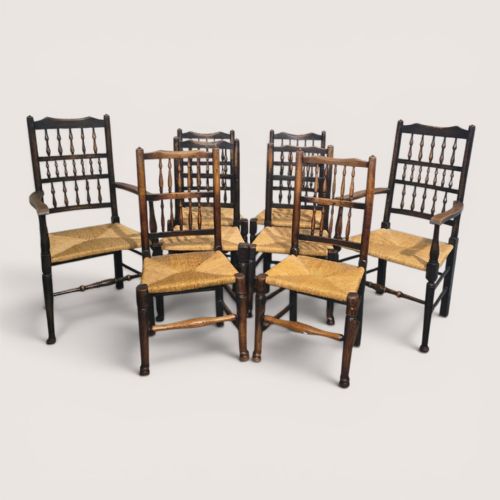
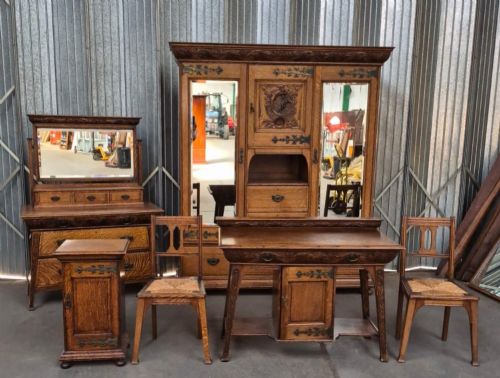

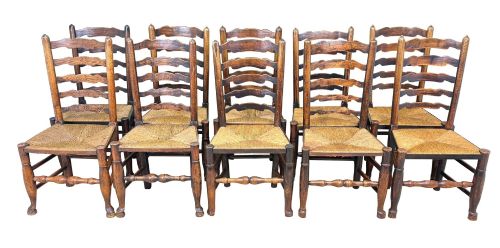

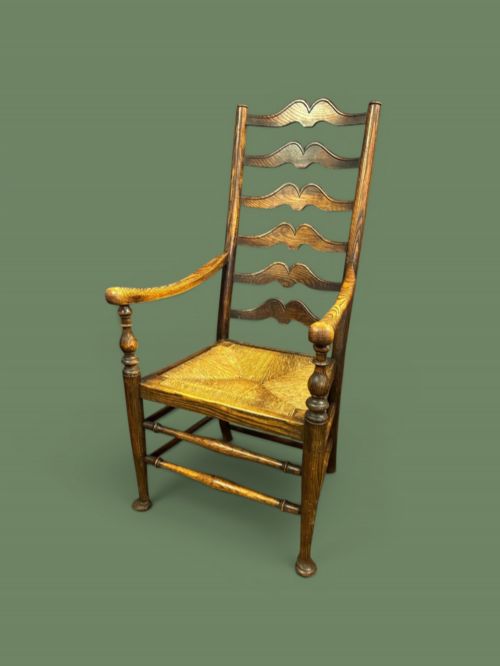
Oak Rush Chairs
Oak rush chairs bring organic texture and sturdy country craftsmanship into a room, offering enduring utility across centuries of domestic life.
Oak Rush Chairs
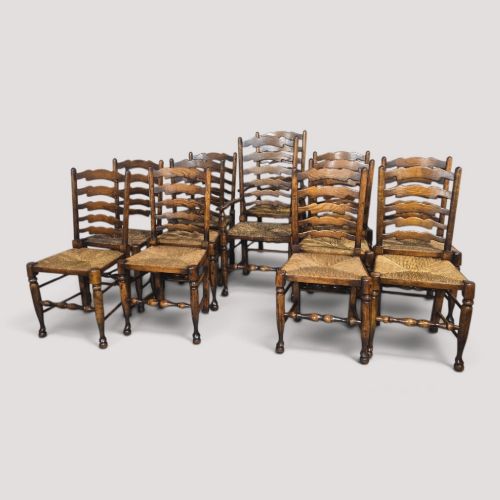
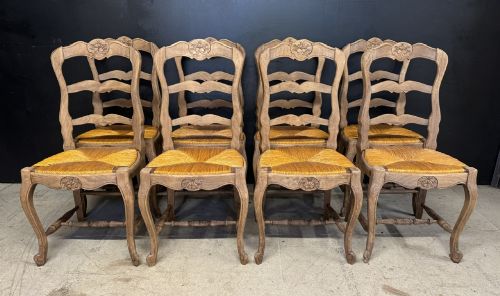
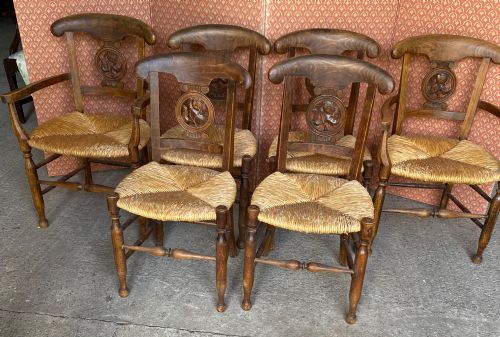
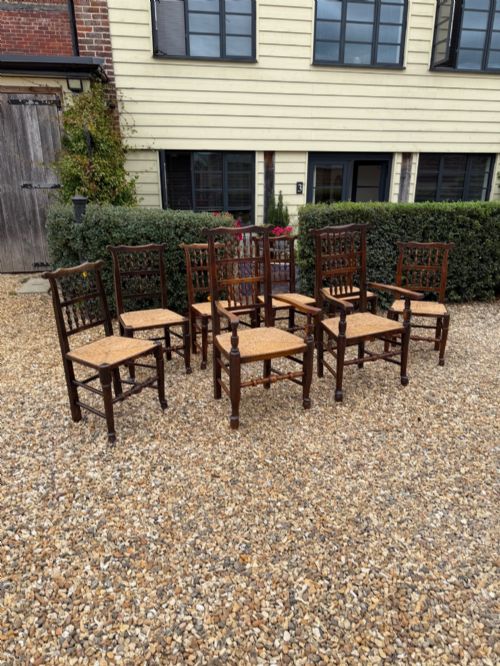
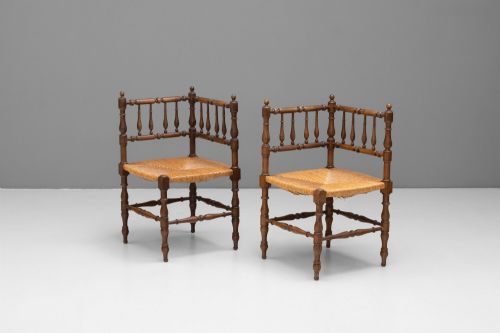
When searching for oak rush chairs, buyers encounter sturdy seating originating from periods spanning the eighteenth century through the twentieth century. These pieces encompass dining chairs, armchairs, rocking chairs, and corner chairs built for functional everyday use.
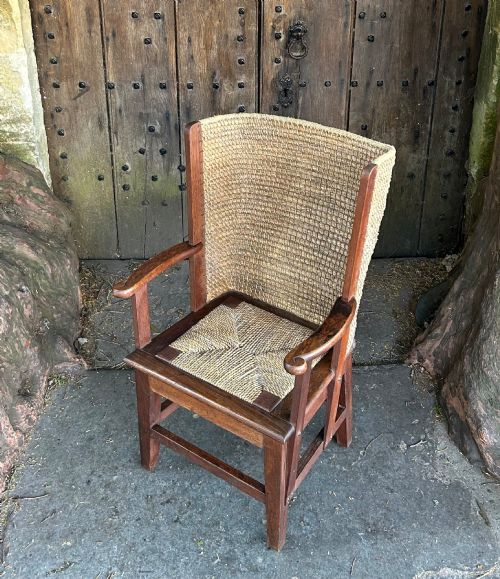
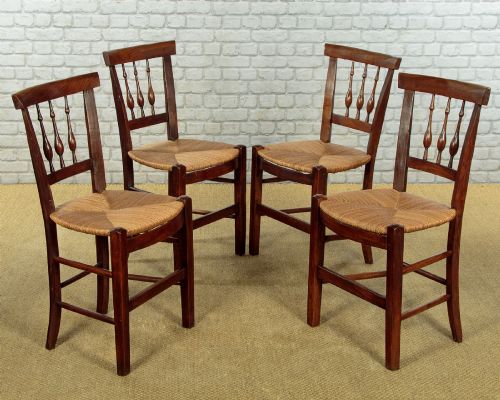
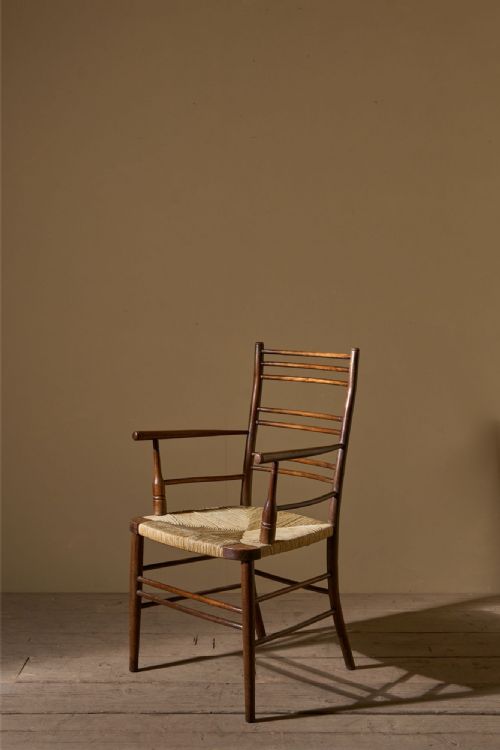
The selections on this page frequently display regional English and French vernacular designs, including ladderbacks, spindle backs, and spindle back farmhouse seating. Makers constructed these items using local timber frames paired with woven rush seating.
Examples range from single country side chairs to large sets intended for dining spaces, alongside specialised forms like Orkney chairs and children's high chairs. The forms reflect traditional domestic requirements from Georgian, Victorian, and Arts and Crafts eras.
Materials and construction methods
Frames rely predominantly on native hardwoods such as oak, ash, and elm, selected for structural strength and resilience. Woodworkers turned spindles on lathes or shaped ladderbacks by hand to form the supportive skeletons of the seating.
Seats utilise natural rush or straw woven tightly around wooden rails to create a flexible, durable surface. Artisans secured these organic fibres by hand, building tension into the weave to support daily weight.
Oak Rush Chairs Retail Price Guide 2026
Typical asking prices for oak rush chairs among the pieces listed under this phrase on Sellingantiques today, from the lower quarter to the upper quarter. They describe what is for sale here now, not the wider market.
Materials recorded across the inventory include oak, elm, ash, rush, straw, and iron elements.
Quality differences in seating
The integrity of the woven rush seat determines longevity, as tight, uniform strands withstand continuous pressure better than loose or brittle weaving. Original frames that retain their structural tightness without excessive replacement parts hold greater architectural integrity.
Refinements in turning, such as well-balanced ladderback slats and smooth spindle turnings, separate standard utility pieces from finely finished workshop productions. Matching sets with consistent timber patination command greater attention than assembled harlequin groups.
Morris and Co·Liberty and Co·Lawrence Neal·Edward Gardener
The Oak Rush Chairs Glossary
- Ladderback
- A chair back constructed with horizontal wooden slats resembling the rungs of a ladder. These slats are tenoned into the rear upright posts.
- Rush
- Marshland plants utilised for weaving chair seats into a durable, textured pad. This material provides a resilient surface that flexes with use.
- Spindle back
- A chair design incorporating numerous thin turned wooden rods along the backrest. These spindles distribute pressure evenly across the sitter's back.
- Orkney chair
- A traditional Scottish seating form distinguished by a high, woven straw back supported by a wooden frame. They were originally designed to shield occupants from draughts in coastal cottages.
- Vernacular furniture
- Domestic objects made by local craftsmen using regional materials and traditional methods rather than following high-style academic designs. These pieces prioritise practical utility and local availability.
Oak Rush Chairs: Frequently Asked Questions
How do I clean rush seats?
Maintenance requires dry brushing or gentle vacuuming with a soft brush attachment to remove dust from the woven strands. Moisture damages natural plant fibres, so liquid cleaners must remain avoided.
Spills require immediate blotting with a dry cloth rather than rubbing. Keeping the seating in stable humidity prevents the rush from drying out or splitting prematurely.
Are these chairs suitable for daily dining?
Sturdy solid wood frames and tightly woven rush provide robust support for regular meals and daily household use. Many surviving examples retain the structural strength required for active domestic environments.
Placing felt pads beneath the legs protects wooden floors and reduces joint stress when moving the furniture. Regular inspection of the stretcher joints maintains long-term stability during everyday seating.
What defines an Arts and Crafts chair?
Arts and Crafts pieces emphasise visible construction, honest materials, and rejection of industrial ornamentation. Workshops influenced by this movement highlighted the natural grain of oak and the tactile quality of hand-woven rush.
These designs often feature clean lines, exposed joinery, and functional simplicity. Makers aimed to revive traditional handcraft techniques that had declined during mass production.
How do I spot a replacement rush seat?
Original seating displays uniform ageing, mellow colouration, and wear patterns consistent with the age of the wooden frame. Replacement weaving often appears noticeably brighter, tighter, or constructed with modern synthetic binders.
Examining the underside reveals whether the wrapping technique matches period methods of the surrounding framework. Professional rewoven seats are common due to the organic nature of plant fibres wearing out before hardwood.