

Arts and Crafts Server
These arts and crafts server pieces combine honest construction with utilitarian grace, offering both robust storage and distinct regional character.
Arts and Crafts Server
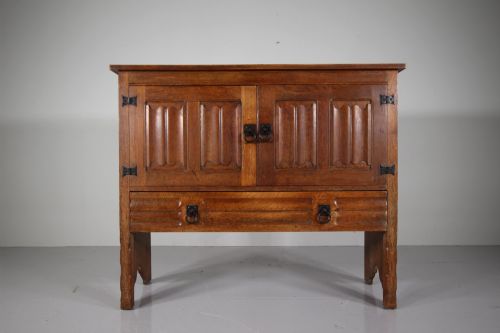
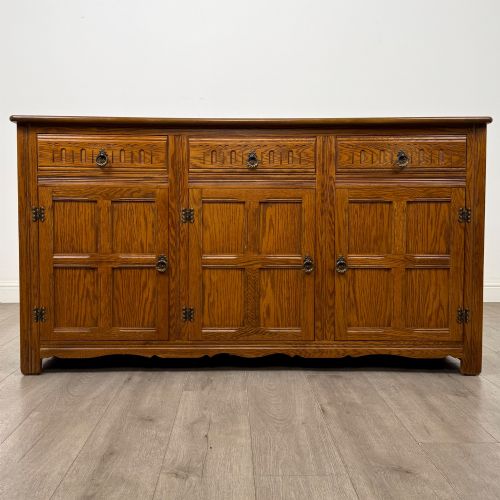
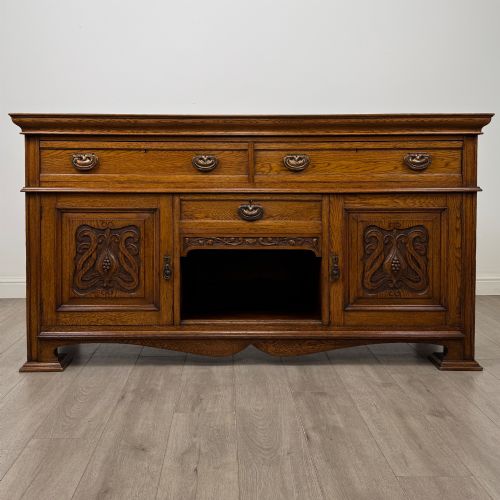
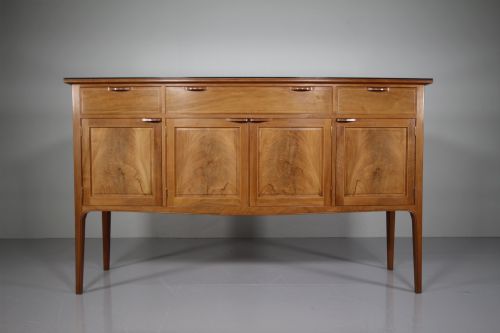
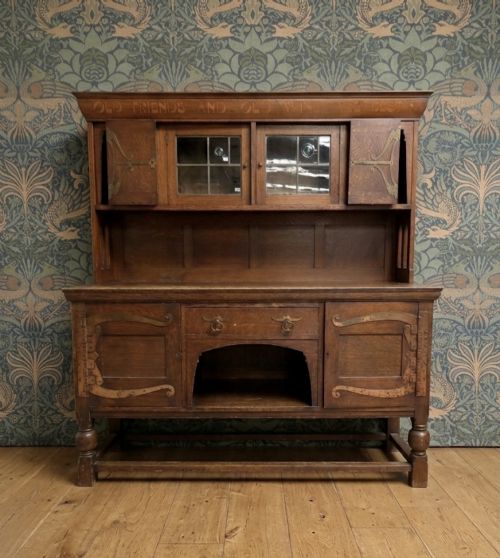
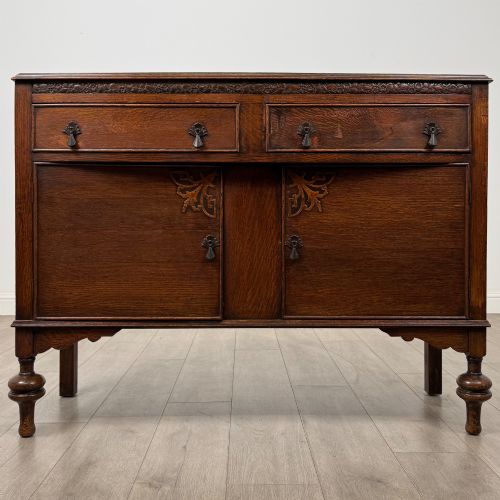
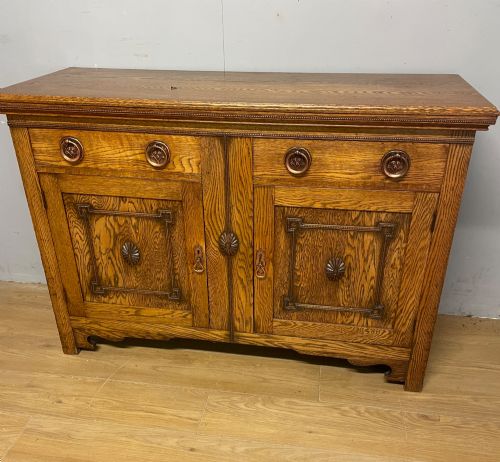
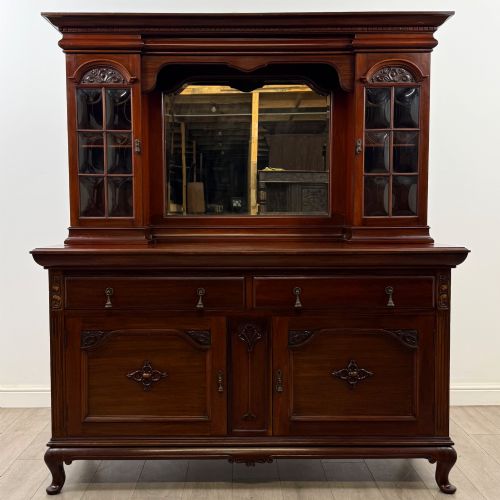
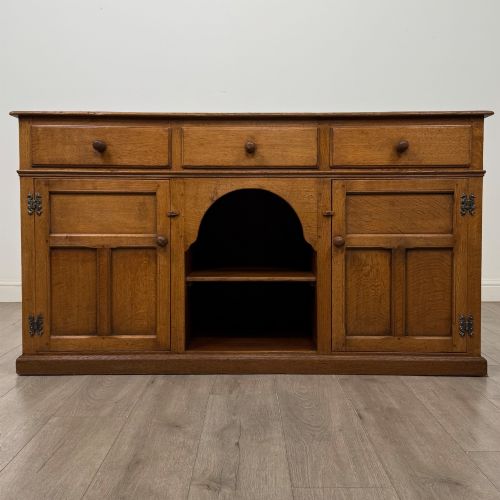
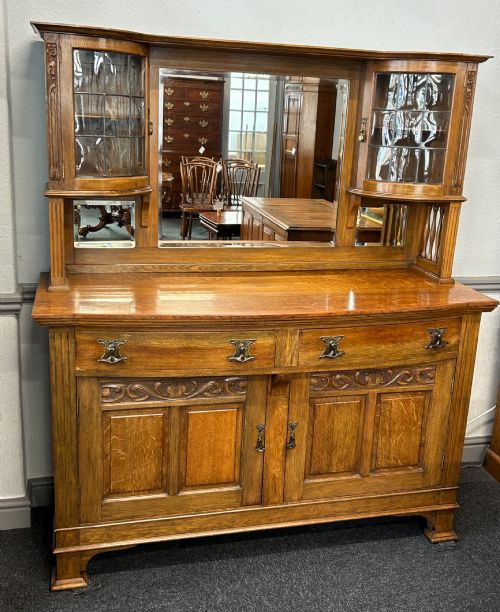
When you search for an arts and crafts server, you encounter substantial dining furniture intended to hold tableware and provisions, most frequently seen as oak sideboards and dresser bases from the late nineteenth and early twentieth centuries. These forms reflect a movement away from industrial mass production toward simpler, honest lines that emphasise natural timber grain.
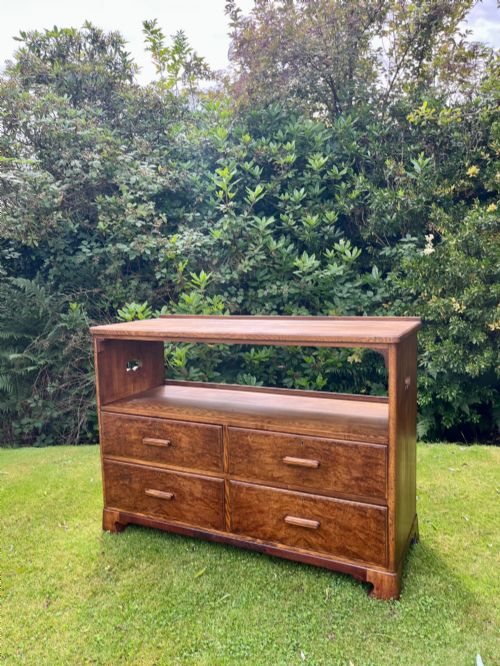
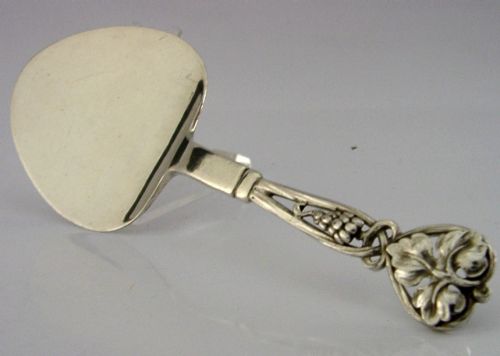
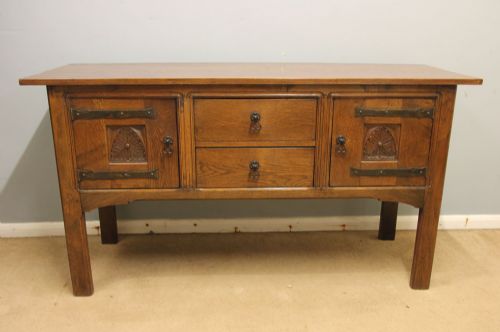
The pieces on this page span several decades, reaching from late Victorian iterations through Edwardian examples up to items from the nineteen-thirties.Alongside heavy oak sideboards, you meet side tables, slim console tables, and occasional smaller implements designed for serving food.
Makers working within this idiom also produced specialised side cabinets and mirrorback dressers, drawing on Cotswold School and continental influences like the Amsterdam School.This variety ensures that whether you need a commanding dining room focal point or a compact surface, the movement provides a fitting proportion.
Materials and construction methods
Solid oak dominates the construction of these items, selected for its durability and prominent medullary rays, often finished in golden or light tones that reveal the natural figure of the wood. Workshops also utilised mahogany, elm, and pale walnut for specific commissions, occasionally pairing timber with ash or incorporating iron and brass fittings.
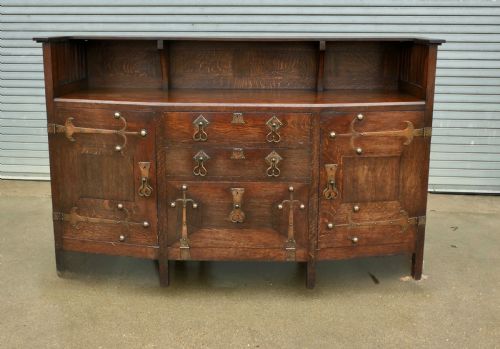
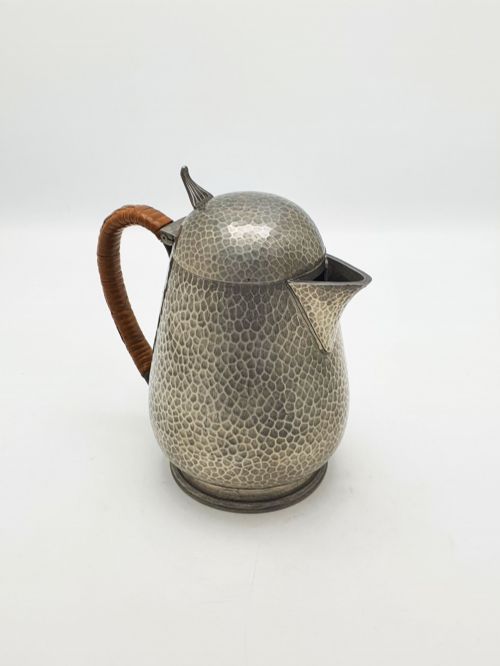
Metalwork played a vital role in surface detail, with hinges, drop handles, and escutcheons hammered from copper, brass, or pewter.These metal elements display visible hand-beating marks, grounding the decorative scheme in traditional blacksmithing techniques rather than machine stamping.
Early twentieth-century dining habits demanded specialised furniture compartments for everything from pastry servers to bulky roasting joints.
Separating standard output from masterworks
Quality in these items rests upon the integrity of the joinery and the selection of timber, where quartersawn oak with prominent figuring elevates a standard sideboard into a superior piece. Master workshops avoided excessive applied ornamentation, relying instead on thoughtful proportions, pegged mortise and tenon joints, and the natural beauty of the grain.
The distinction between standard commercial output and fine workshop production often appears in the handling of auxiliary materials, such as hand-hammered hardware or custom drawer linings. Pieces bearing direct attribution to notable designers or specific retail houses demonstrate a higher degree of sculptural refinement and structural confidence.
Ambrose Heal·Heal and Son·Edward Barnsley·Whytock and Reid·Leonard Wyburd·Shapland and Petter·T Simpson and Son·Roberts and Belk
The Arts and Crafts Server Glossary
- Quartersawn oak
- Timber cut radially to the growth rings, producing a distinct flecked pattern known as medullary rays.This method yields a stable board that resists warping and displays a characteristic decorative figure.
- Mortise and tenon
- A traditional woodworking joint where a protruding tongue fits snugly into a corresponding cavity.This method creates a strong mechanical connection without relying entirely on metal fasteners.
- Mirrorback
- A sideboard superstructure incorporating an integrated mirror above a low shelf or tier.This addition reflects light and displays decorative ceramics or glassware.
- Cotswold School
- A twentieth-century design philosophy emphasising hand-tooling, traditional construction, and respect for natural materials.Makers in this tradition favored honest, unpretentious forms over machine polish.
- Pewter
- A malleable metal alloy primarily composed of tin, used for decorative vessels and hardware.Arts and crafts workshops revived the material for its muted, non-reflective sheen.
Arts and Crafts Server: Frequently Asked Questions
What defines an arts and crafts server?
These items prioritize utility and visible craftsmanship, avoiding heavy Victorian revival ornamentation in favor of clean lines and exposed joinery. They range from large oak sideboards to compact side tables designed for everyday domestic use.
Makers focused on letting the natural qualities of oak, mahogany, or metal take precedence over applied surface decoration.
How do I identify the period of a sideboard?
Examining the hardware, timber selection, and construction marks helps narrow down the decade of production. Earlier pieces from the eighteen-eighties often show Gothic or Jacobean revival influences, while nineteen-tens and twenties examples tend toward simpler, lighter forms.
Makers' stamps or retailer labels tucked inside drawers offer the most reliable dating evidence.
Where were these pieces used originally?
Dining rooms formed the primary destination for these sideboards and dresser bases, serving as storage units for silver, linen, and serving dishes. Smaller side tables and cabinets found placement in hallways or drawing rooms to hold decorative objects.
Their sturdy construction meant they were built to withstand heavy daily use in busy family homes.
How do I care for golden oak furniture?
Maintaining these wooden surfaces requires minimal intervention, avoiding harsh chemical polishes in favour of traditional beeswax applied sparingly. Keeping them away from direct heat sources prevents the solid timber from drying out and splitting.
Regular dusting with a soft, dry cloth preserves the natural lustre of the grain over time.