
Arts and Crafts Occasional
An arts and crafts occasional table brings functional movement and honest construction to a room without heavy formality.
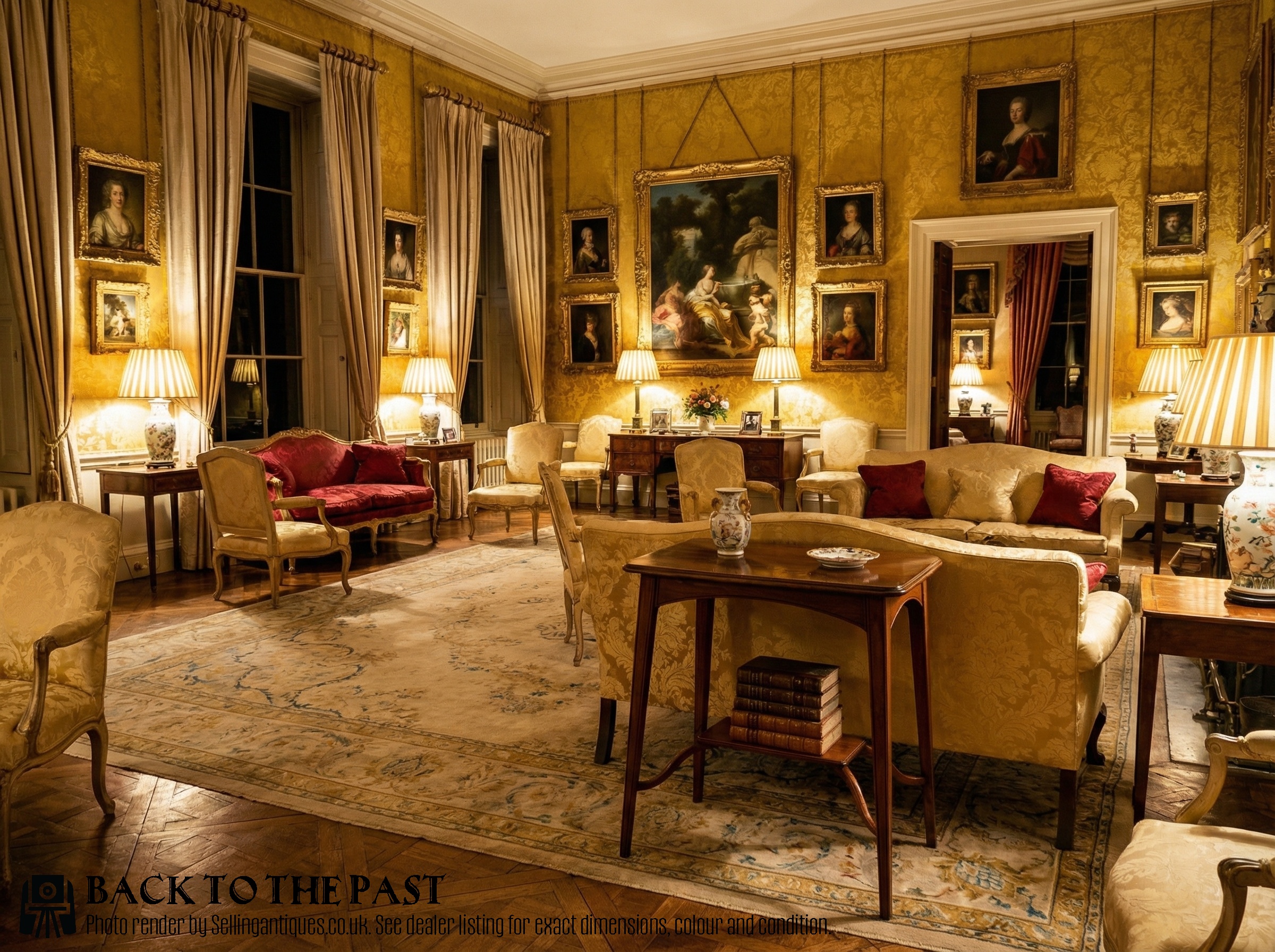
Arts and Crafts Occasional
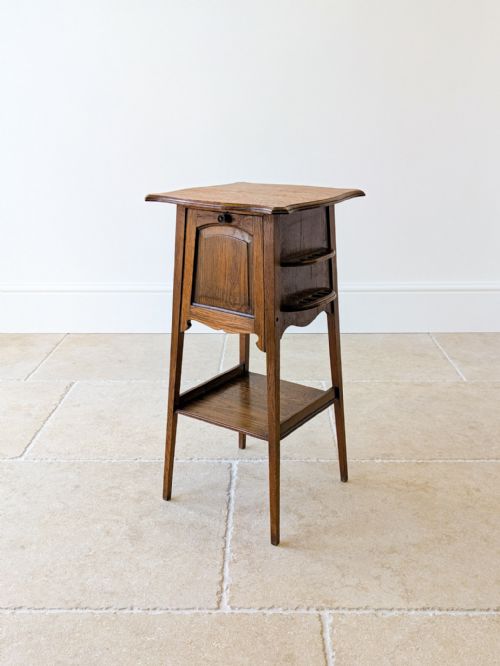
When searching for an arts and crafts occasional table, a buyer encounters versatile smaller furniture designed for flexible placement in domestic spaces. These pieces function as side tables, plant stands, card tables, and low coffee tables rather than grand dining furniture.
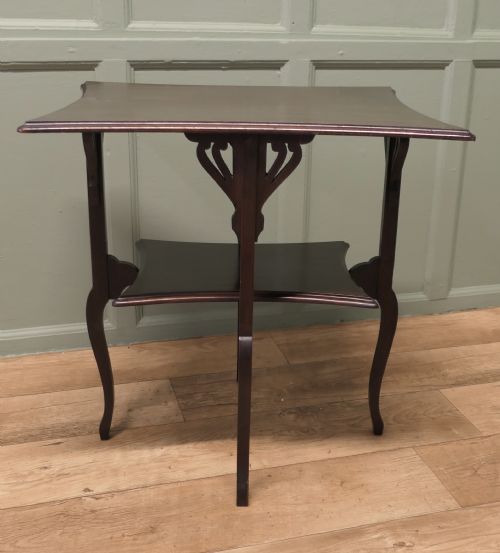
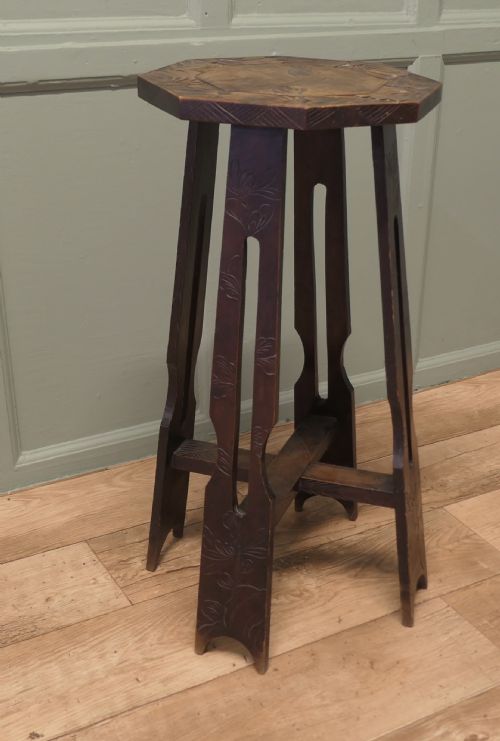
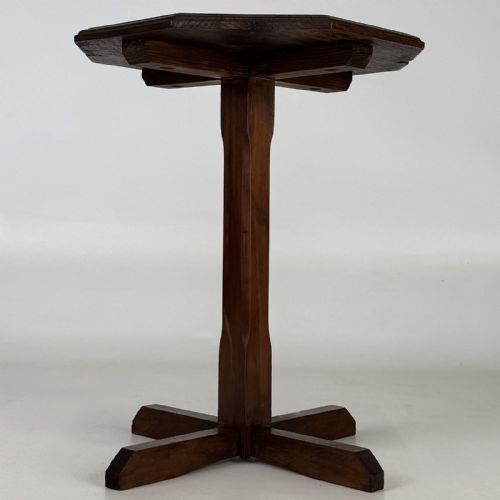
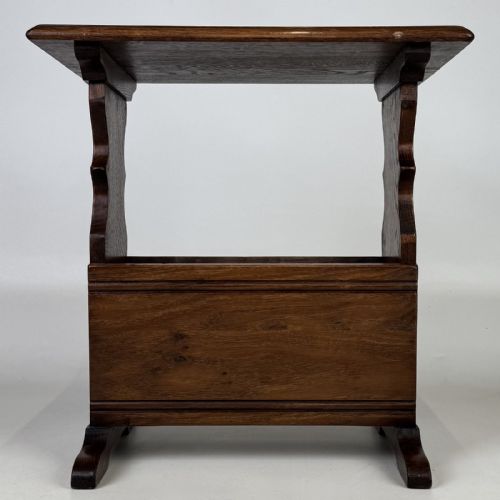
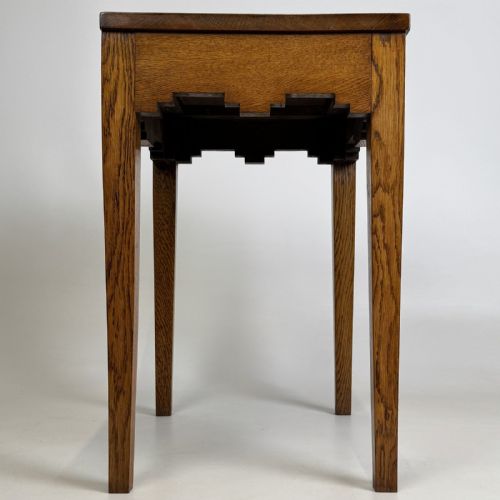
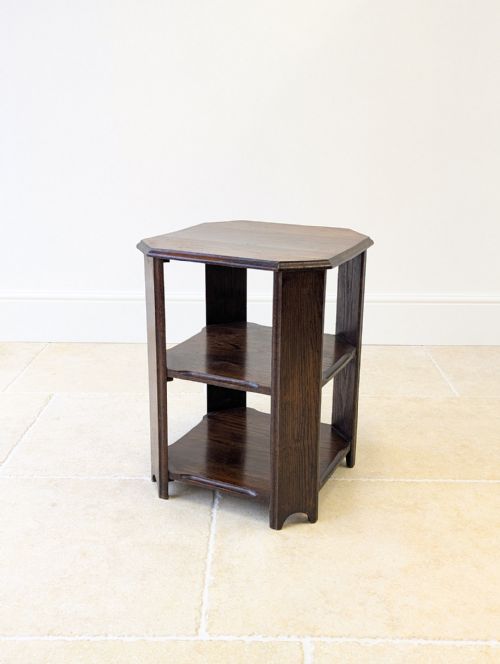
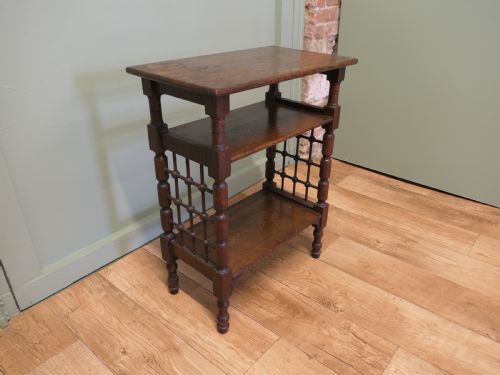
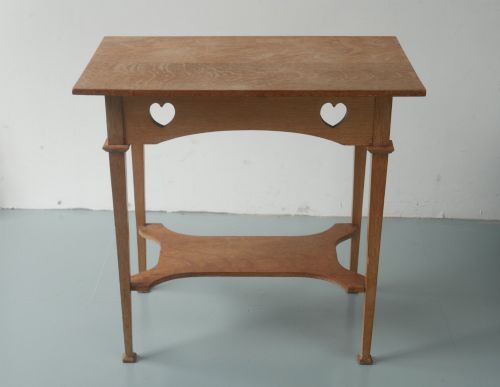
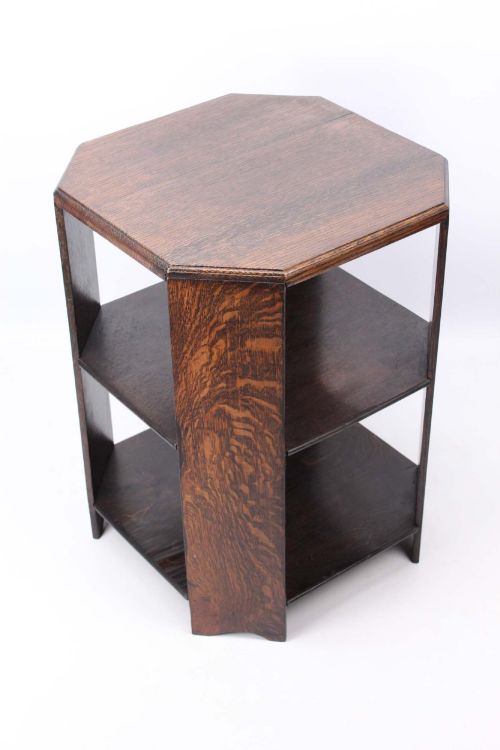
The version most commonly met on this page is the solid oak side table, often square or octagonal in top form, reflecting the movement's widespread adoption of native timbers. Many examples incorporate lower tiers or shelves supported by stout uprights, emphasising utility and straightforward geometry.
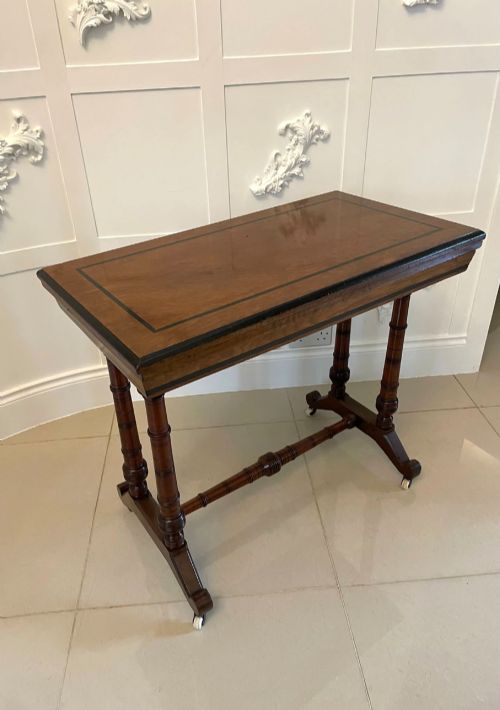
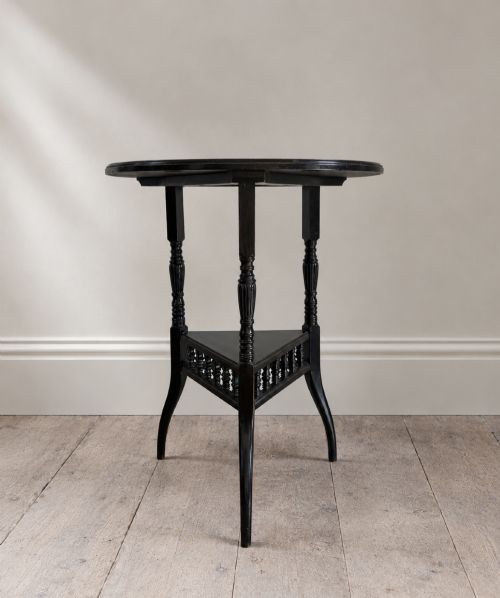
Origins span from the late nineteenth century through the Edwardian era and into the nineteen-twenties, incorporating regional British workshop traditions such as the Cotswold School and retail houses like Liberty. Alongside oak, makers utilised walnut, mahogany, and ebonised wood, occasionally accented with ceramic tiles or metal inlays.
Materials and Technique
Makers relied heavily on solid oak, selected for its durable grain and treated with wax finishes that highlighted natural figuring rather than heavy staining. Walnut and mahogany also appear in finer variants, while ebonised finishes offered a distinct dark surface popular in aesthetic and reform movements.
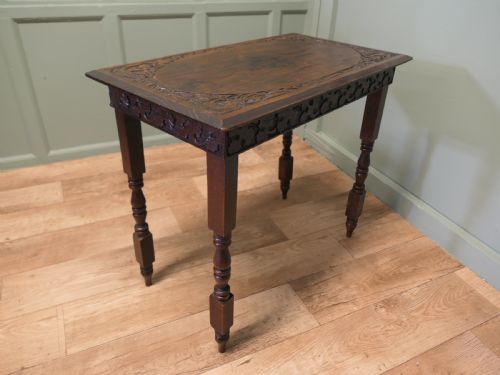
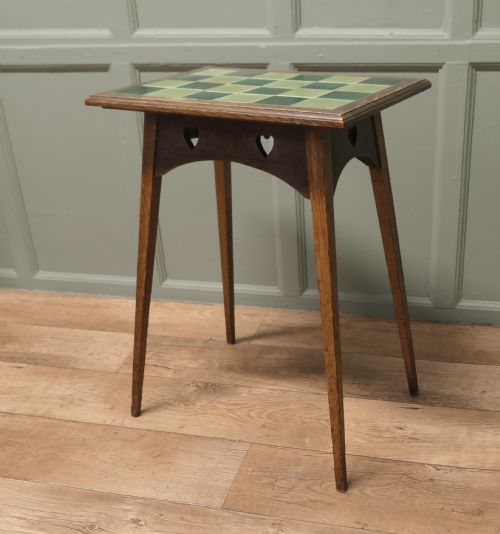
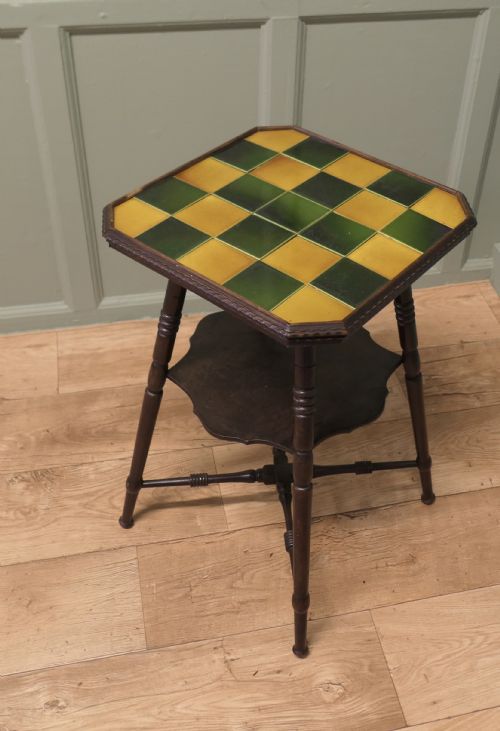
Joinery methods prioritized visible construction, employing pegged mortise and tenon joints that celebrated how the object was assembled. Surfaces frequently incorporated applied details such as chip carving, brass fittings, ceramic tiles, or chequered wood inlay to break up plain planes.
Listings span from the eighteen-eighties through the nineteen-thirties, showing a strong preference for oak construction.
Assessing Quality
Quality rests upon structural integrity and the thoughtfulness of the timber selection, distinguishing robust workshop output from mass-produced commercial interpretations. Superior pieces show careful matching of grain across visible surfaces and precise, tight joinery that remains stable without modern reinforcement.
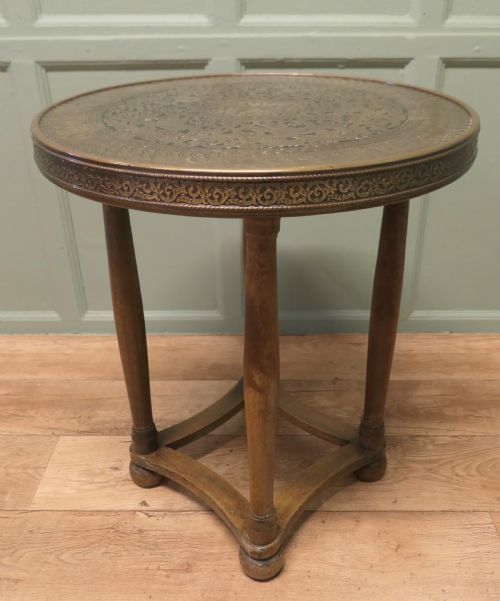
The presence of designated maker signatures, workshop stamps, or retail labels from prominent firms elevates an item beyond anonymous production. Additionally, the integration of secondary materials like hand-beaten copper tops, decorative ceramic inserts, or intricate chip carving demonstrates a higher tier of design ambition.
Shapland and Petter·Liberty and Co·William Birch·Dryad of Leicester·Hubert Simpson of Kendal·Archibald Knox
The Arts and Crafts Occasional Glossary
- Occasional Table
- A small, movable table intended for specific, temporary uses such as holding books, lamps, or tea.
- Ebonised
- Wood finished with a dark stain or paint to imitate ebony, commonly utilised in nineteenth-century aesthetic design.
- Tile Top
- A table surface inset with decorative ceramic tiles, providing a heat-resistant area often found on plant and tea stands.
- Mortise and Tenon
- A primary joint method where a projecting peg fits tightly into a matching cavity, securing two pieces at an angle.
- Sutherland Table
- A narrow drop-leaf table with hinged flaps that fold down nearly vertically, designed to save space when not in use.
Arts and Crafts Occasional: Frequently Asked Questions
What defines an arts and crafts occasional table?
These tables are distinguished by honest construction, visible joinery, and a rejection of industrial mass production in favour of hand-finished integrity.
They typically make use of solid oak with minimal ornamentation, focusing instead on geometric forms and utility.
How were these tables used originally?
Households placed them around living spaces to hold reading material, lamps, tea services, or potted plants.
Their lightweight nature allowed them to be moved easily to wherever surface space was needed.
How do I care for an oak table?
Maintain the wood by applying natural beeswax periodically to nourish the grain and protect against surface drying.
Keep the piece away from direct heat sources and moisture to preserve the original finish.
How do I distinguish regional styles?
Regional pieces often show specific local workshop traits, such as the Cotswold School's emphasis on unadorned solid timber.
Retailers like Liberty introduced distinct artistic touches including inlaid motifs and metal or tile inserts.