
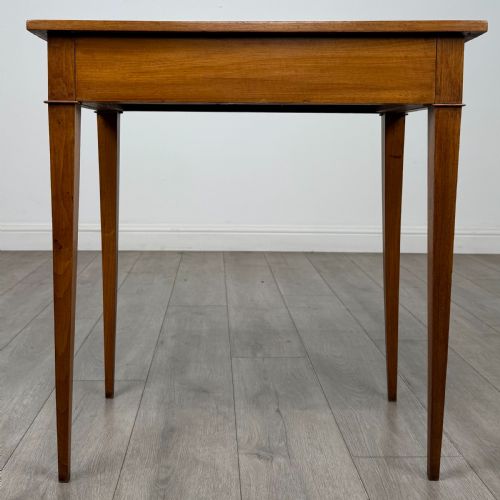
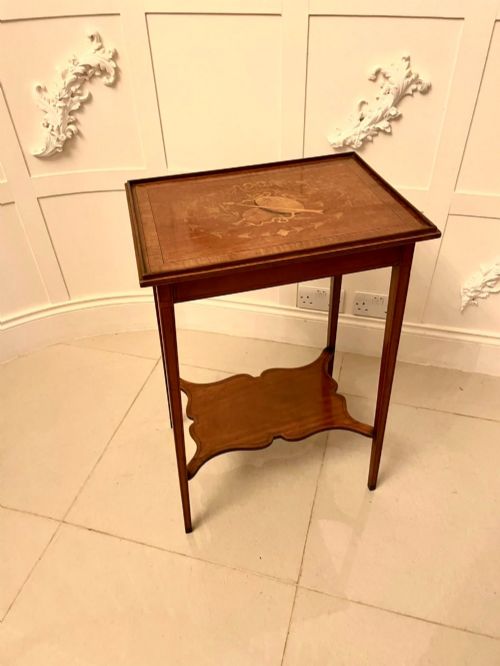
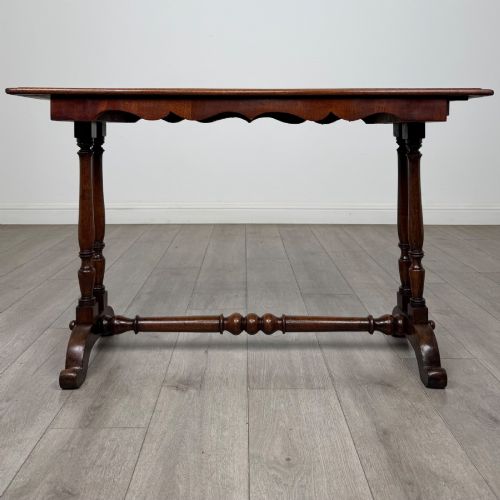
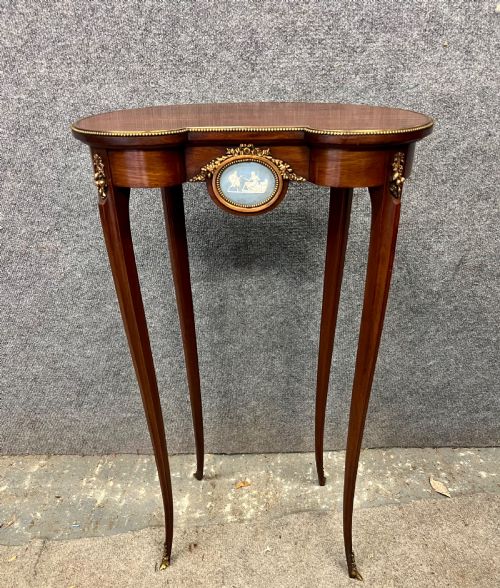
Edwardian Wood Accent Table
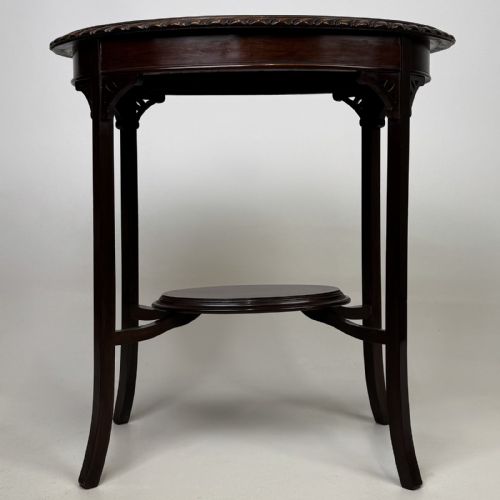
An edwardian wood accent table brings practical surface space to a room through refined period craftsmanship.
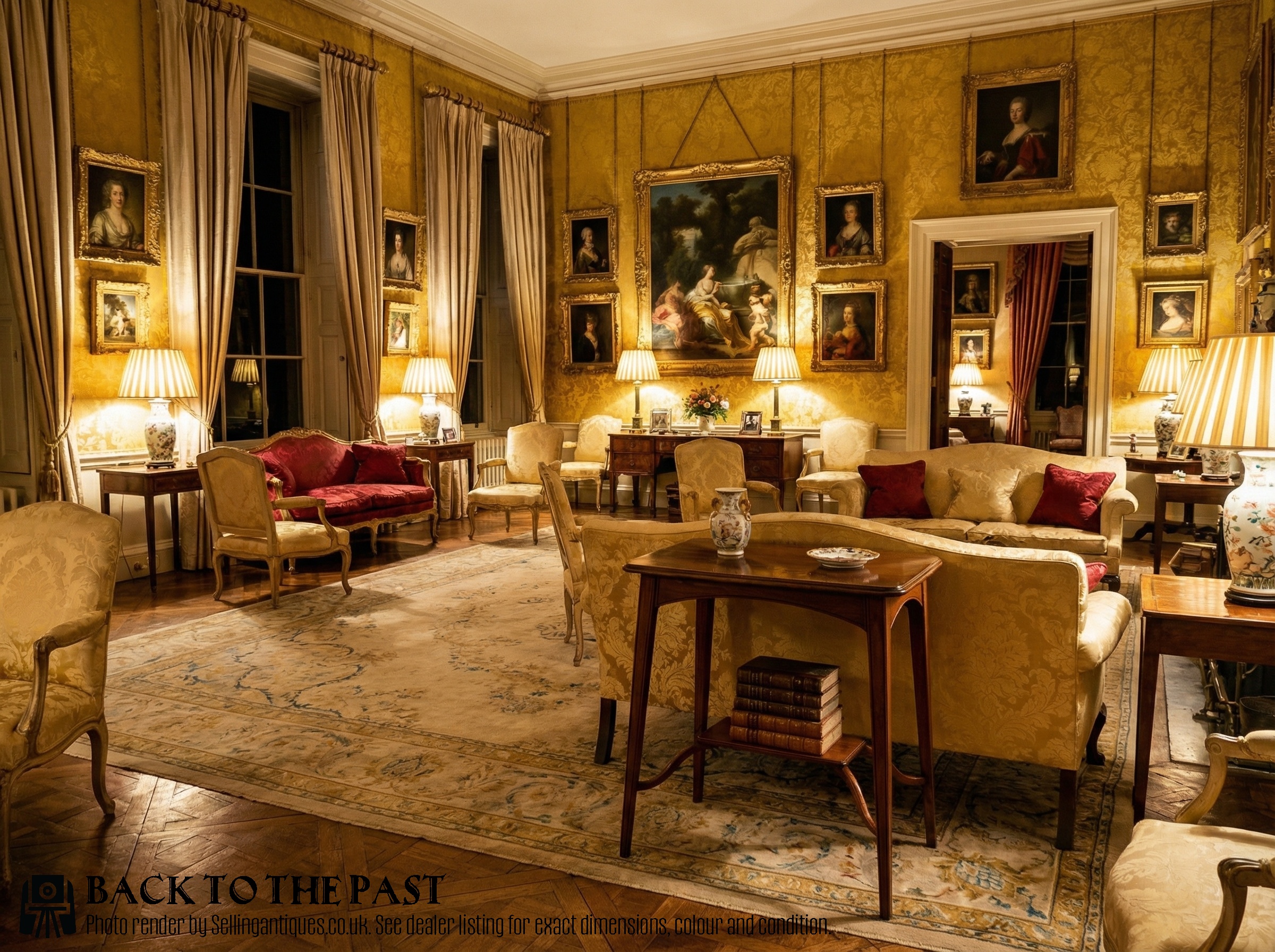
Edwardian Wood Accent Table
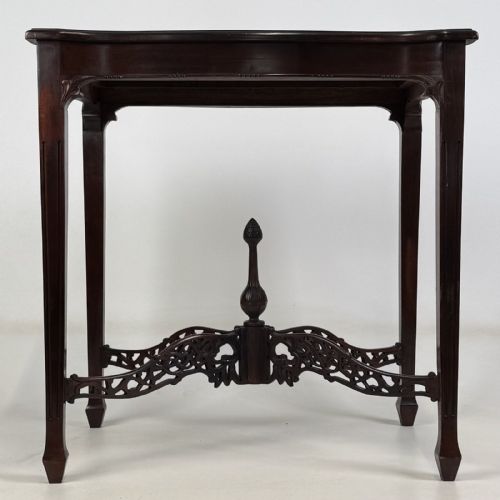
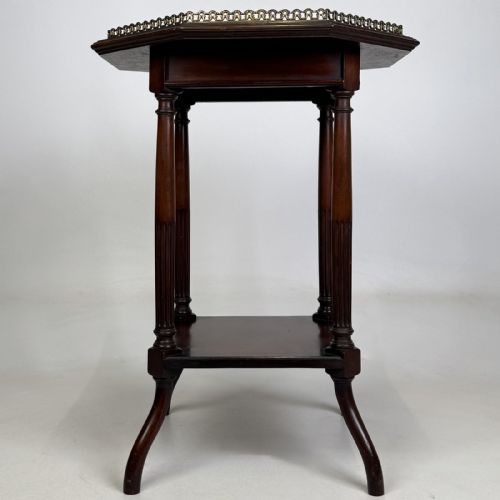
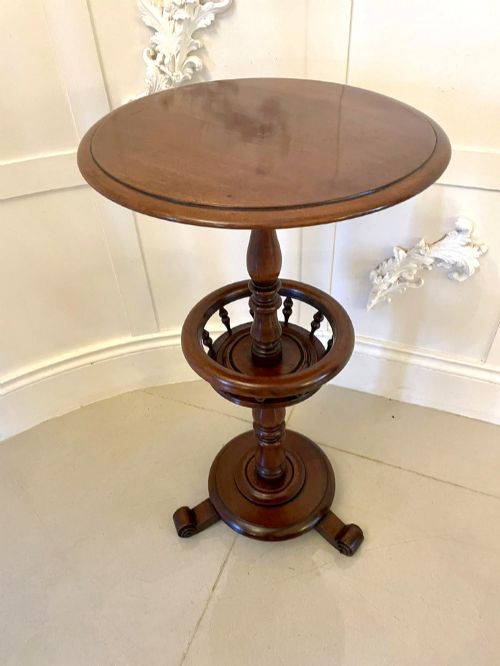
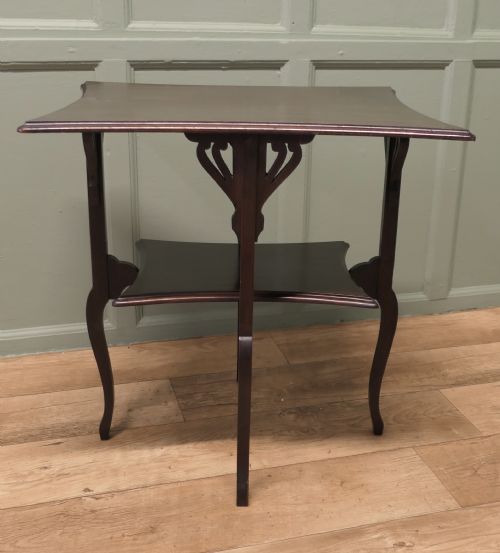
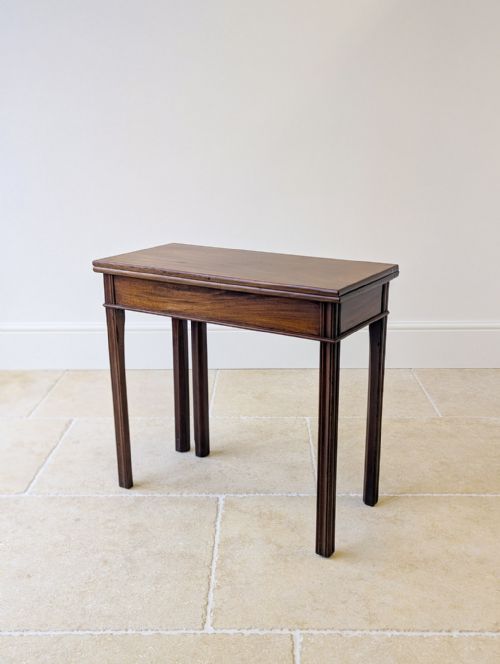
When you search for an edwardian wood accent table, you are looking at versatile smaller furniture pieces designed for daily utility in the home. These items typically function as side tables, occasional tables, or lamp tables, offering a compact surface for everyday objects.
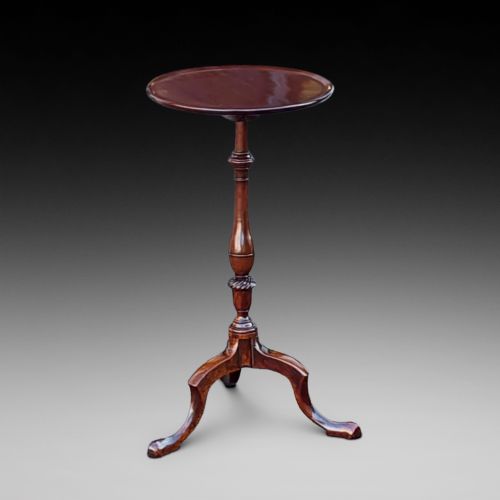
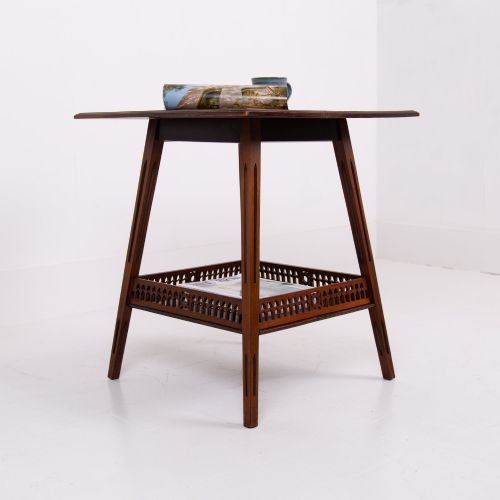
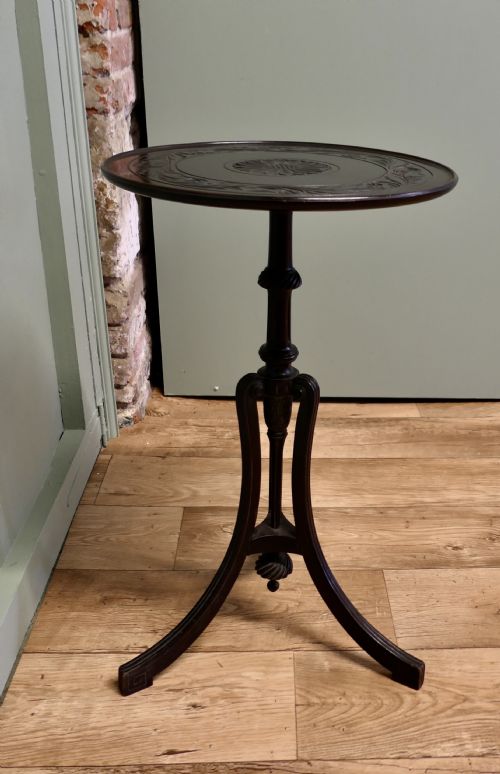
The pieces you meet most often on this page date from the Edwardian period and the early twentieth century, alongside select late nineteenth-century examples. They appear in forms such as tray tops, nests of tables, and tripod bases, reflecting the domestic needs of their original era.
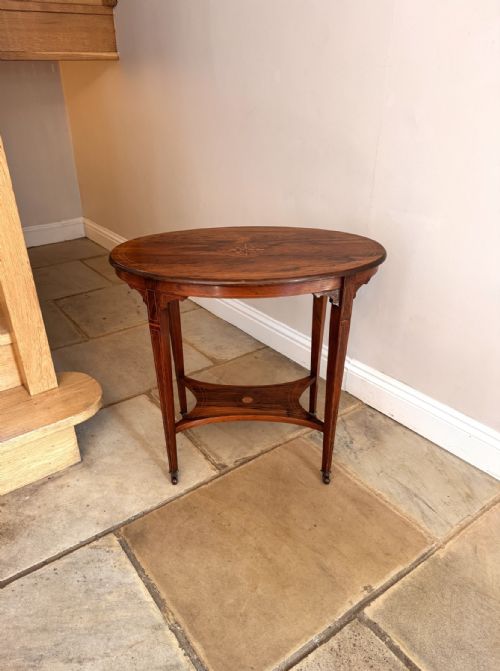
Makers and workshops constructed these smaller tables primarily in mahogany and oak, frequently incorporating satinwood, walnut, or rosewood veneers. Many examples display stylistic influences ranging from Georgian design revivals to Arts and Crafts simplicity.
Materials and Construction Techniques
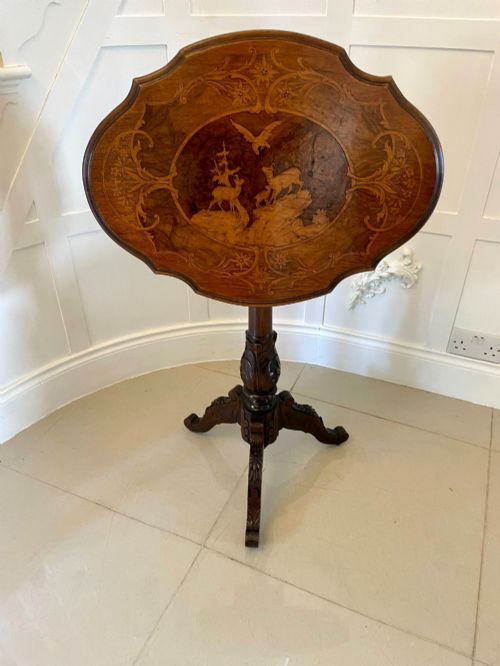
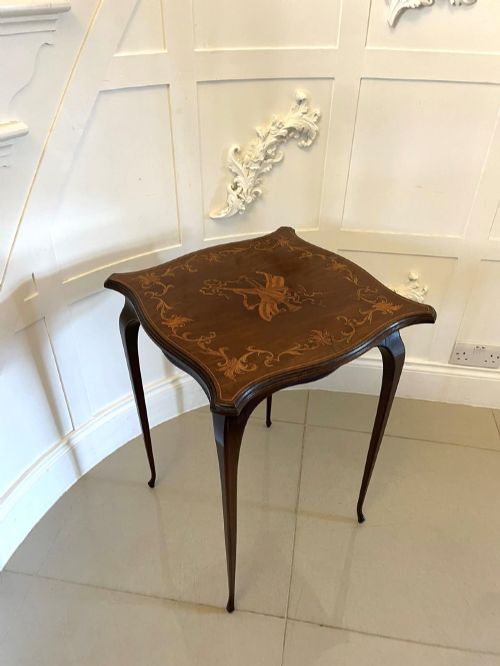
Cabinetmakers built these tables using solid timbers like oak and beech alongside richly grained hardwoods such as mahogany and walnut. Marquetry, inlay work in boxwood, and painted floral decoration frequently adorn the surfaces of finer occasional tables.
Structural methods combine traditional joinery with decorative elements like barley twist turnings, bobbin legs, and carved details. Brass hardware and occasional bone inlay complete the construction of specific campaign or regional pieces.
Current listings feature materials ranging from traditional mahogany and oak to painted satinwood and bone inlay.
What Varies in Quality
The grade of an edwardian wood accent table depends significantly upon the selection of timber and the precision of its veneers. Figured walnut and finely matched mahogany signify a higher tier of production compared to plain utility stock.
Execution of decorative details marks the division between standard workshop output and exceptional items. Hand-carved mouldings, delicate marquetry, and signed work by established retailers elevate a piece above ordinary domestic furniture.
Liberty and Co·Druce and Co London·Shapland and Petter
The Edwardian Wood Accent Table Glossary
- Occasional table
- A small, movable table designed for specific, intermittent use within a room. These pieces provide convenient surfaces for lamps, books, or decorative objects without dominating the floor plan.
- Marquetry
- The art of applying decorative veneer pieces in wood to form geometric patterns or pictorial designs. This technique adds visual complexity to tabletops and cabinet fronts.
- Tray top
- A tabletop featuring a raised gallery edge designed to prevent items from sliding off. This practical form appears frequently on occasional and side tables.
- Barley twist
- A type of turning shaped like a spiral helix, commonly found on the legs of oak and walnut tables. This decorative feature derives from seventeenth-century furniture styles.
- Tripod table
- A small round table supported by three individual legs radiating from a central pillar. These pieces offer stable placement on uneven period floorboards.
Edwardian Wood Accent Table: Frequently Asked Questions
How do I use an accent table today?
These compact pieces fit easily beside armchairs or sofas to hold lamps, drinks, or small decorative items. Their modest scale allows them to function effectively in hallways or bedrooms as well as main reception rooms.
Because they are lightweight, you can move them easily around the home to suit changing seating arrangements or spatial requirements.
What woods were commonly used?
Mahogany and oak predominate among surviving examples, ranging from dark solid boards to lighter decorative veneers. Walnut and satinwood also appear frequently, often enhanced by contrasting stringing or painted motifs.
Secondary timbers like beech or pine were utilised for internal framing and structural supports beneath the visible decorative surfaces.
How do I distinguish Edwardian from Victorian?
Edwardian furniture generally exhibits a lighter, more graceful aesthetic with simpler lines compared to heavier, darker Victorian designs. Finer inlay work and brighter polished veneers often characterise the transition into the twentieth century.
Victorian pieces lean towards robust proportions and heavier carved ornamentation, though late nineteenth-century output frequently anticipates Edwardian lightness.
Are nest of tables practical for daily life?
A nest of tables provides multiple surfaces that stack together compactly when floor space is at a premium. They offer exceptional versatility for entertaining guests without cluttering the room.
Individual tables slide out independently to serve multiple users simultaneously before returning to a single footprint.