

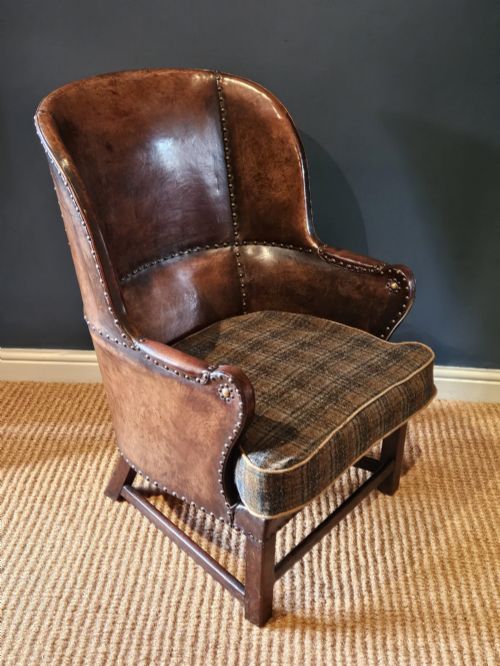
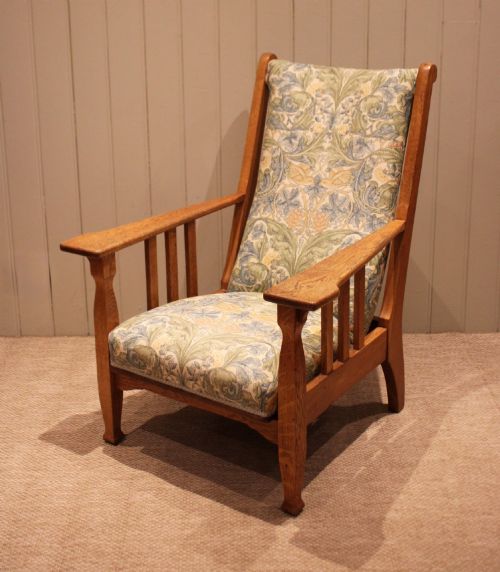
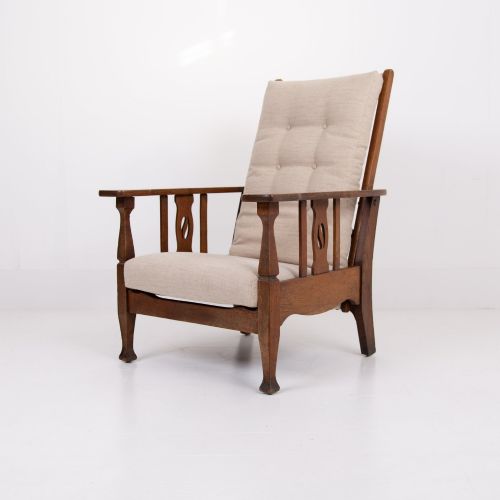
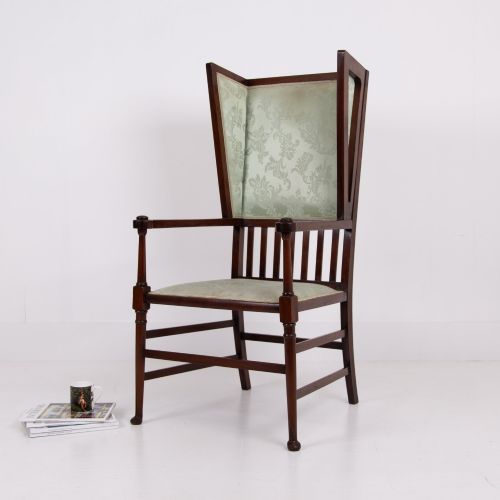



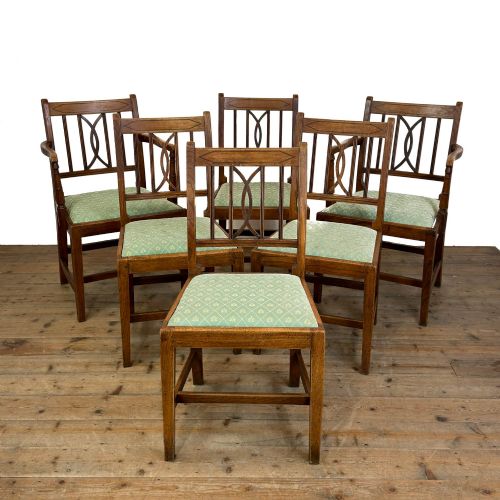
Arts and Crafts Oak Armchairs
Arts and crafts oak armchairs combine honest construction with utilitarian comfort, bringing robust timber frames and traditional seating into modern living spaces.
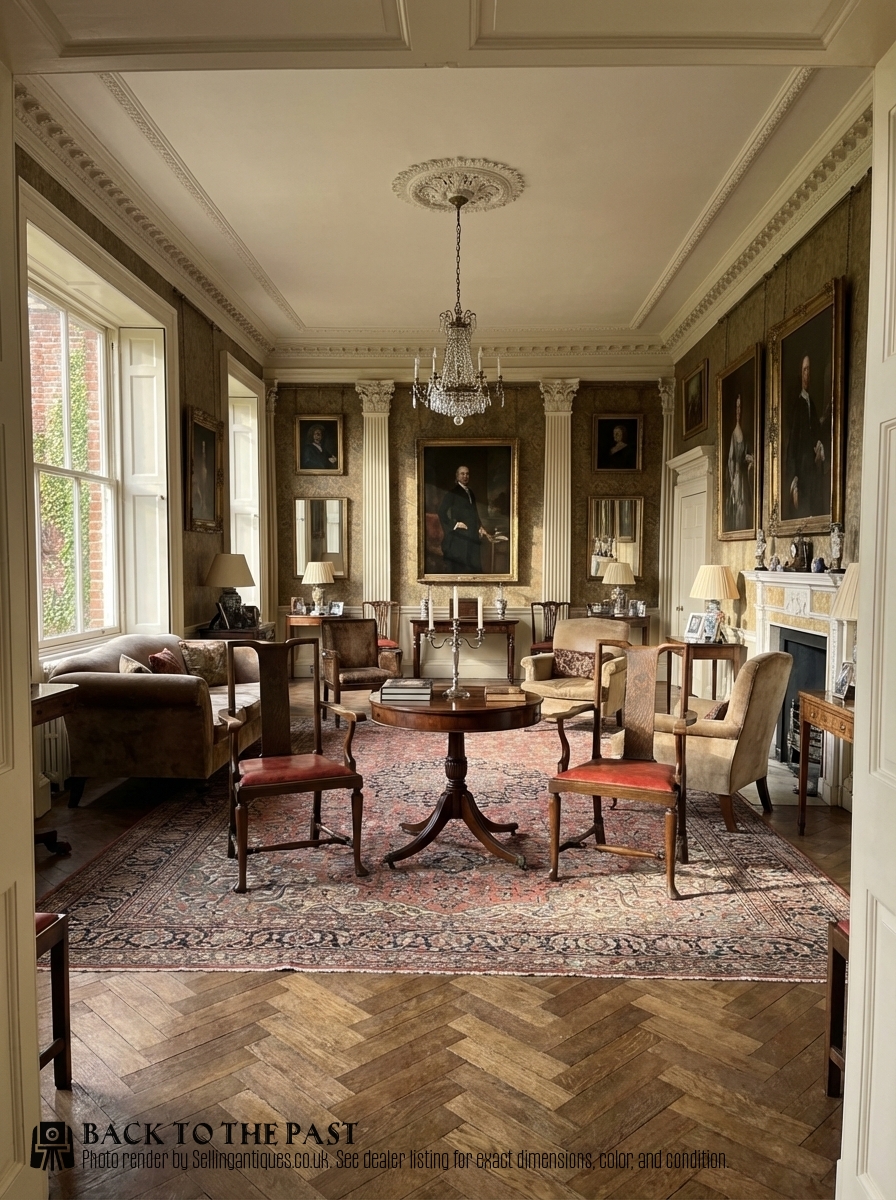
Arts and Crafts Oak Armchairs
When you search for arts and crafts oak armchairs, you encounter sturdy timber seating originating primarily from the late nineteenth century through to the 1930s. These pieces reflect a movement that valued visible craftsmanship and natural materials over mass production.
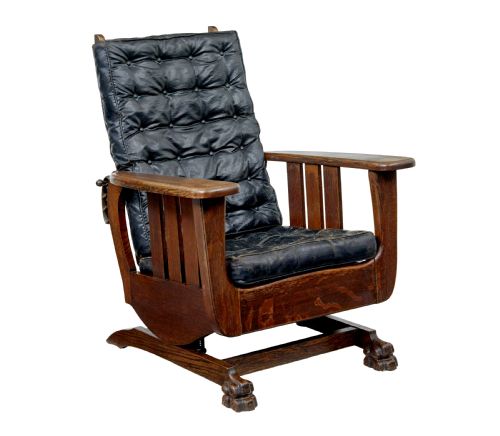
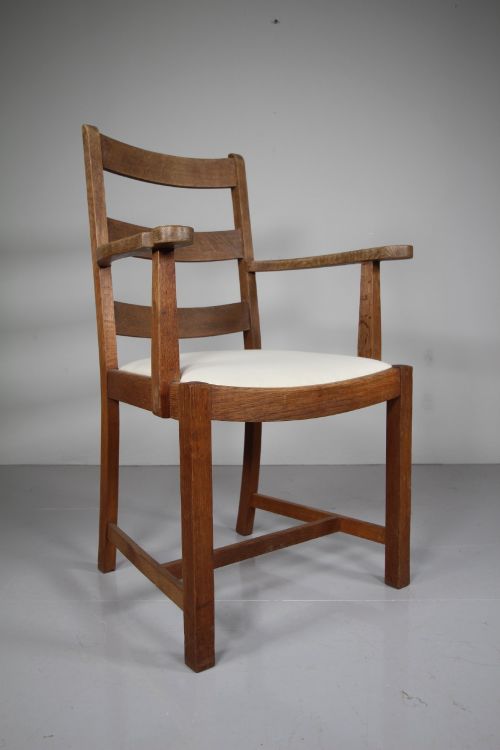
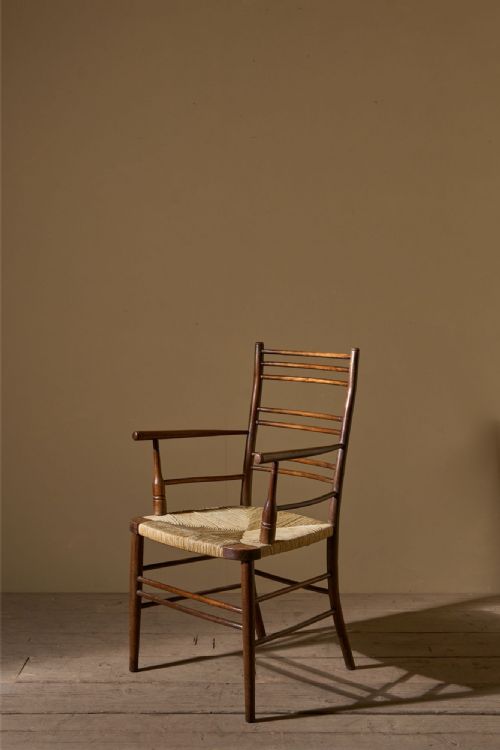
The selections available range from simple ladder-back reading chairs fitted with rush seats to heavy reclining models and joined desk chairs. Most common are early twentieth-century interpretations, showing influences from vernacular traditions and regional workshops.
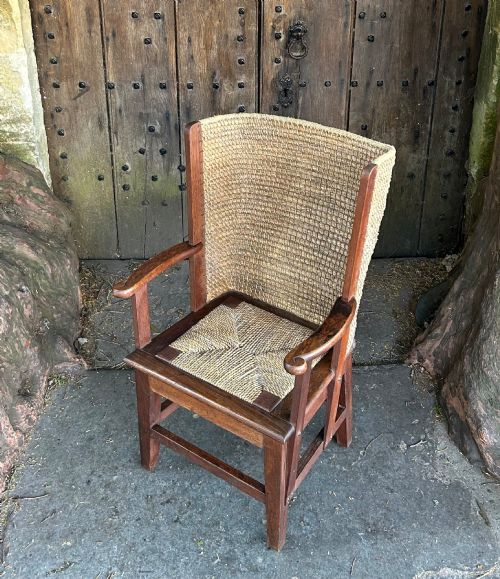
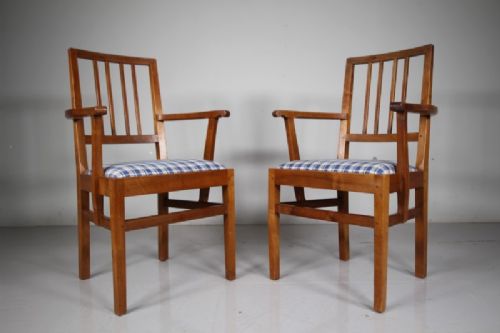
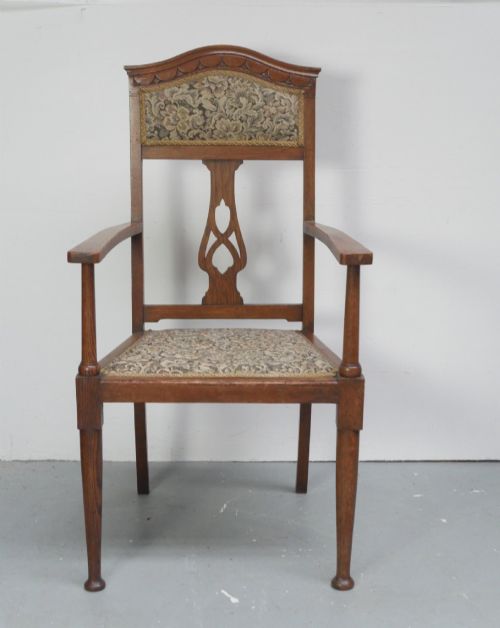
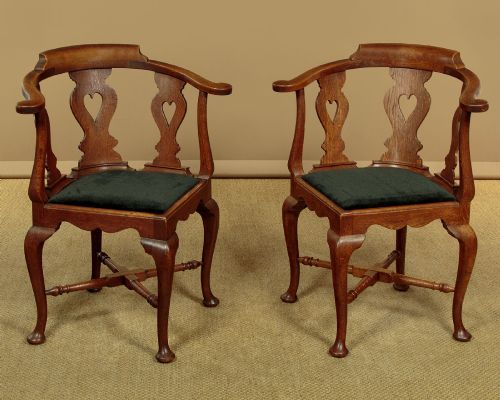
Makers utilised solid oak extensively, often pairing the timber with woven rush, leather panels, or loose fabric cushions. Forms vary from low fireside models to upright dining and hall chairs with straightforward joinery.
Materials and Construction
Cabinet makers built these chairs using solid oak, chosen for its durability, varied grain patterns, and ability to take a deep polish or wax finish. Workshops frequently incorporated quartersawn timber to display characteristic medullary rays across the woodwork.
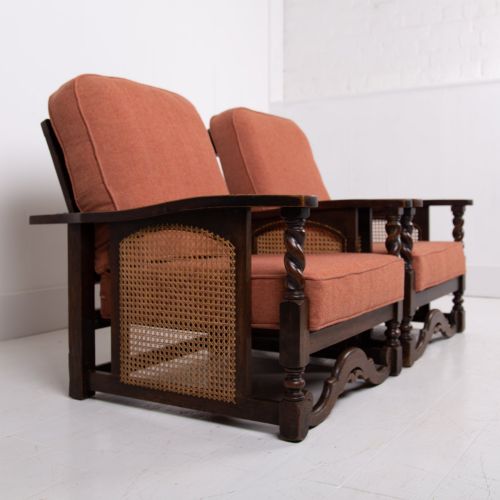
Seating surfaces relied heavily on natural materials such as twisted rush, woven straw, split cane, or supportive leather and fabric upholstery secured with metal studs. Frames utilised visible tenon joints and wooden pegs rather than hidden metal fasteners, celebrating structural honesty.
Reclining mechanisms on adjustable chairs utilised simple rack-and-pinion systems or hinged back rails operated by brass rods. Carved detailing remained restrained, typically limited to geometric strapwork, chamfered edges, or pegged joints.
Arts and Crafts Oak Armchairs Retail Price Guide 2026
Typical asking prices for arts and crafts oak armchairs among the pieces listed under this phrase on Sellingantiques today, from the lower quarter to the upper quarter. They describe what is for sale here now, not the wider market.
The listings show pieces spanning from the nineteenth century through the 1940s, constructed predominantly in oak with rush, leather, and fabric elements.
Assessing Quality
The distinction between standard commercial production and superior workshop output rests in the selection of timber and the precision of the joinery. Fine examples display carefully chosen quartersawn oak with continuous grain matching across structural members.
Proportion and comfort elevate certain chairs above basic utilitarian forms, particularly in adjustable reclining models and pieces designed by notable architects or cooperative guilds. Integrated details such as pegged tenons, hand-twisted rush, and original stamped maker marks indicate higher workshop standards.
Liberty & Co·Edward Barnsley·Goodyers of London·Kendrick & Jefferson·Shapland & Petter·Robert Mouseman Thompson·Bruce James Talbert·William Morris
The Arts and Crafts Oak Armchairs Glossary
- Quartersawn
- Timber cut radially from the growth rings to produce a durable board with prominent grain flecks. This method reduced warping and enhanced the decorative surface of arts and crafts furniture.
- Rush
- Dried marsh grass twisted into cords and woven tightly to form a supportive, resilient seat base. It was favoured by traditional makers for its rustic texture and hard-wearing qualities.
- Tenon
- The projecting end of a piece of wood shaped to fit into a mortise hole to form a secure joint. Visible pegs often locked these joints together without the need for metal screws.
- Ladder-back
- A chair back constructed with horizontal rails resembling the rungs of a ladder between upright posts. This traditional form often appeared in vernacular and arts and crafts seating.
- Strapwork
- Flat, interlaced bands carved into wood panels in geometric patterns. It provides low-relief decoration characteristic of revivalist and movement-era furniture.
Arts and Crafts Oak Armchairs: Frequently Asked Questions
How do I identify a genuine arts and crafts armchair?
Look for honest construction methods, such as exposed pegged joints, solid oak frames, and a lack of excessive applied ornamentation. Design influences typically favour clean structural lines, simple ladder backs, or utilitarian comfort over Victorian upholstery.
Examine the chair for maker stamps, retailer labels, or workshop burn marks usually found underneath the seat rails or on the inside of the frame.
Were these chairs used for dining or lounging?
Makers produced both upright forms for dining desks and lower, wider variants intended for firesides, reading, or general lounging. Reclining models featured adjustable backs designed specifically for relaxation.
Armchair formats varied from rigid hall seats to deeply padded leather armchairs and rush-seated low chairs suited for domestic living spaces.
How should I care for vintage oak furniture?
Maintain the timber by applying a microcrystalline wax or traditional beeswax polish periodically to nourish the dry oak. Avoid placing chairs near direct heat sources or strong sunlight, which can dry out the wood and split the joints.
Protect rush and leather seats by keeping them away from excessive moisture and dusting them gently with a dry, soft cloth.