
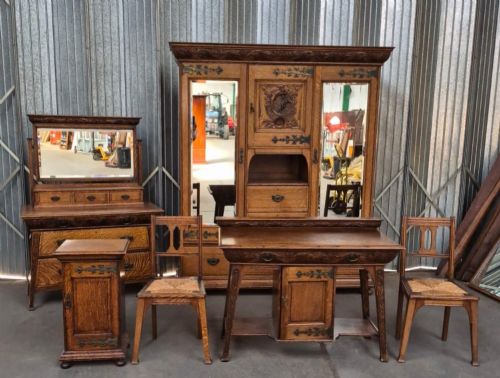
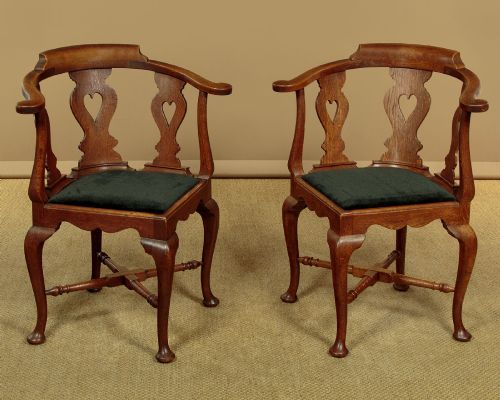

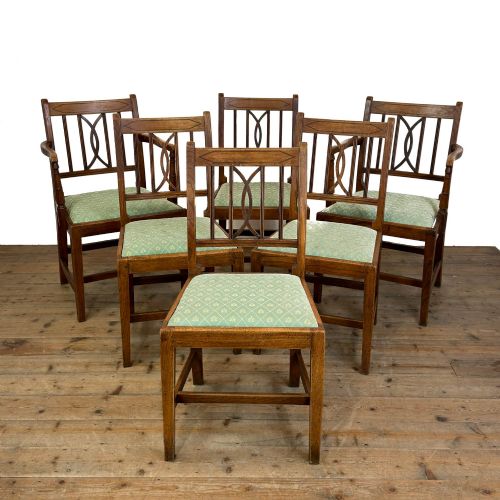
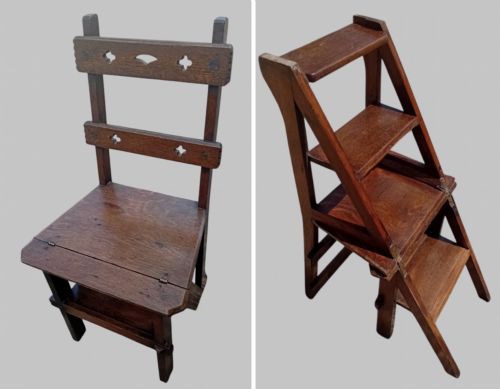


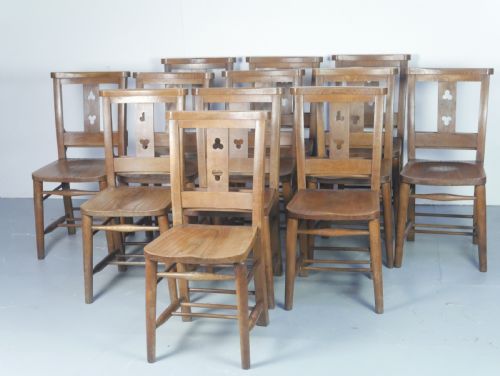
Arts and Crafts Carved Chair
An arts and crafts carved chair brings solid timber and honest joinery into a room, offering both everyday utility and distinct historic character.
Arts and Crafts Carved Chair
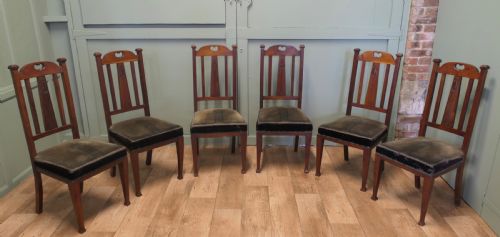
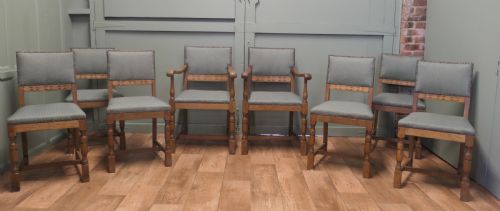
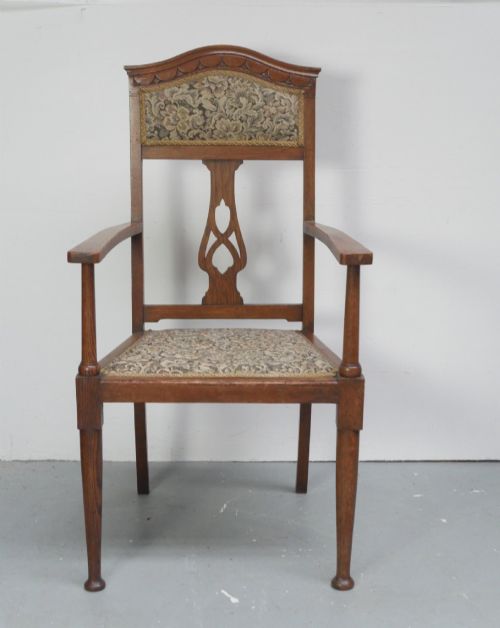
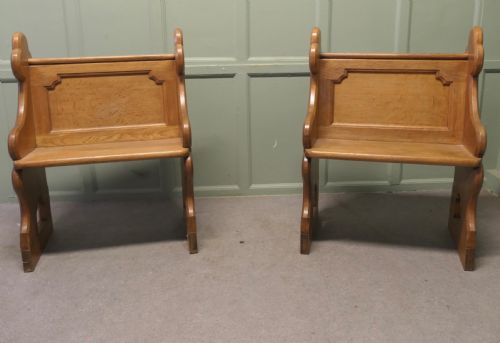
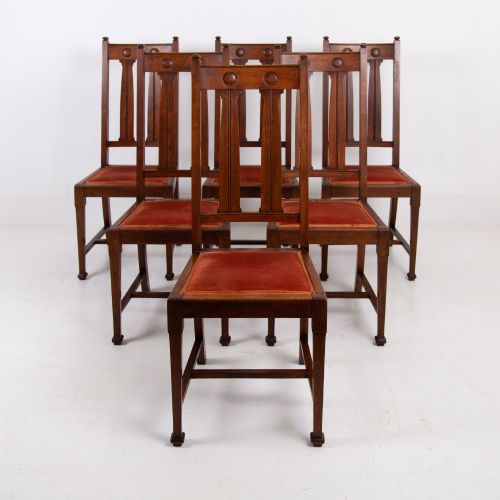
When you search for an arts and crafts carved chair, you encounter sturdy seating designed to display the natural grain of the wood rather than hidden veneers. The examples found here span dining sets, hall chairs, and individual armchairs originating from the late nineteenth century through to the early decades of the twentieth century.
Dining chairs and sets of multiple matching seats appear frequently alongside specialised forms like library chairs, spinning chairs, and metamorphic library steps. These pieces reflect a movement that valued hand-carved details, structural honesty, and functional design over excessive ornamentation.
How They Were Made
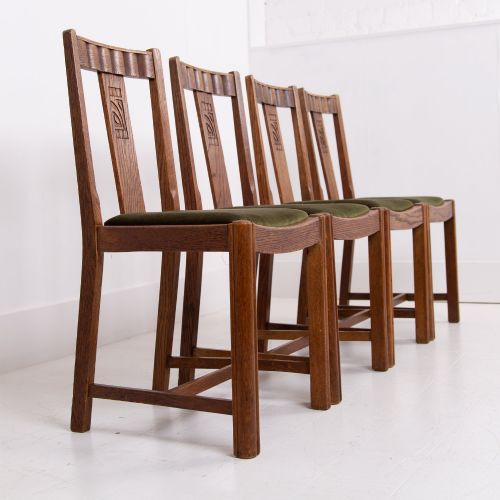
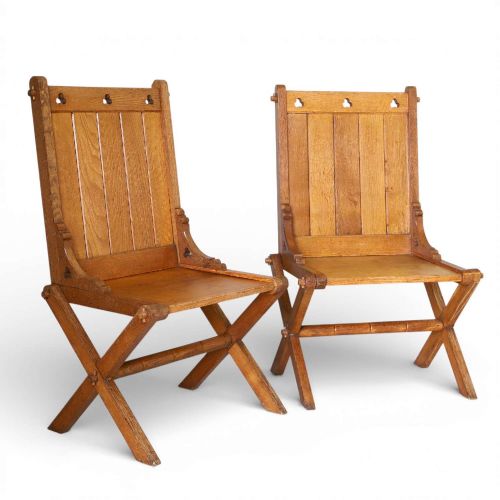
Oak forms the primary material for the majority of these pieces, often finished in golden or dark tones to highlight the grain, while walnut, fruitwood, and mahogany appear in select designs. Makers utilised traditional joinery methods, incorporating exposed tenons and pegged joints alongside carved botanical motifs, trefoil details, and geometric panels.
Upholstery materials such as leather, fabric, velvet, and rush provide the seating pads and back panels, sometimes complemented by brass hardware or ceramic tile insets. The construction prioritises durability and weight, relying on solid timber frames built to withstand daily use.
The inventory includes single armchairs, corner seats, metamorphic step chairs, and dining sets numbering up to fourteen pieces.
What Varies in Quality
The distinction between standard examples and finer pieces lies in the depth and crispness of the hand-carved decoration, the selection of figured timber, and the integrity of the original structure. Chairs attributed to specific workshops or notable designers often display more refined proportions and carefully balanced decorative elements.
Preservation of original surfaces, hardware, and upholstery materials influences the character of a piece. Chairs retaining their initial finish and uncompromised joinery command greater interest than those with heavily altered components or replaced structural members.
Gillows·Bruce James Talbert·Heals of London·Liberty of London·Liberty and Co·Goodyers of London·Wheeler Of Arncroach·Shoolbred
The Arts and Crafts Carved Chair Glossary
- Glastonbury chair
- A folding wooden armchair with an X-framed base and a sloping back, frequently associated with Gothic Revival and Arts and Crafts design. This form derives from medieval precedents interpreted by nineteenth-century makers.
- Gossip chair
- A low, upholstered seat designed for seated conversation, often featuring a shaped back or an asymmetrical frame. These compact chairs appear commonly in Edwardian and late Victorian settings.
- Metamorphic furniture
- Pieces engineered to transform from one functional form into another, such as an armchair that converts into a set of library steps. This clever mechanism combines utility with space-saving design.
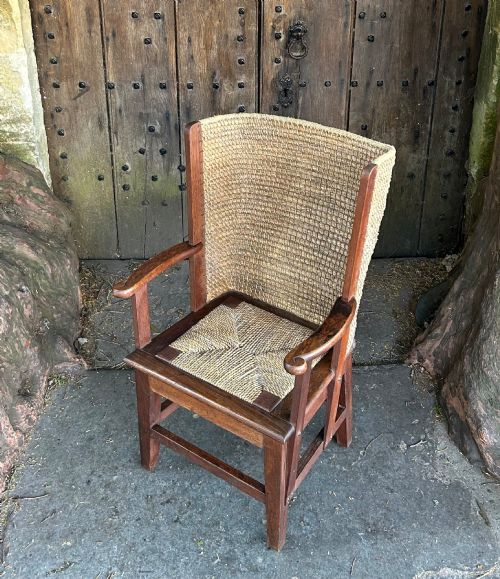
- Orkney chair
- A traditional Scottish regional chair characterised by a high, rounded back woven from oat straw over a wooden frame. They are typically fitted with a low wooden seat and side wings.
- Trefoil
- A graphic ornament composed of three overlapping rings or lobes, commonly carved into panels or pierced through chair backs. This motif references Gothic architecture and medieval ecclesiastical design.
Arts and Crafts Carved Chair: Frequently Asked Questions
How do I identify an arts and crafts chair?
Look for exposed construction details, solid oak or walnut timber, and hand-carved motifs that celebrate natural materials rather than masking them with heavy veneer.
The absence of excess ornamentation and the presence of geometric or botanical carving typically point toward this movement.
Were these chairs used at the dining table?
Many of these pieces were produced as matched sets of dining chairs for domestic interiors, often featuring high backs and solid wooden seats.
Larger sets sometimes included carver armchairs intended for the heads of the table alongside side chairs for guests.
What is a metamorphic chair?
A metamorphic chair is a dual-purpose piece engineered to pivot or unfold into a different item of furniture, such as a set of library steps.
This clever mechanical design allowed Victorian and Edwardian households to maximise space in smaller studies and libraries.
How should I care for an oak chair?
Maintain solid oak furniture by keeping it away from direct heat sources and sudden humidity changes to prevent the timber from splitting.
Apply a traditional wax polish occasionally to nourish the wood and preserve the natural finish without building up heavy residues.