
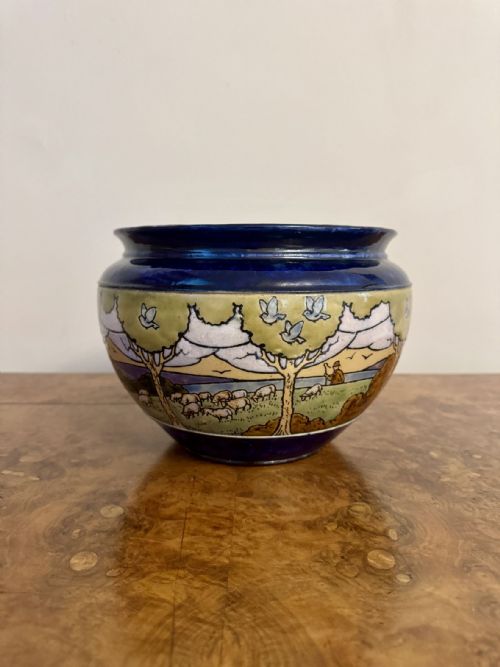
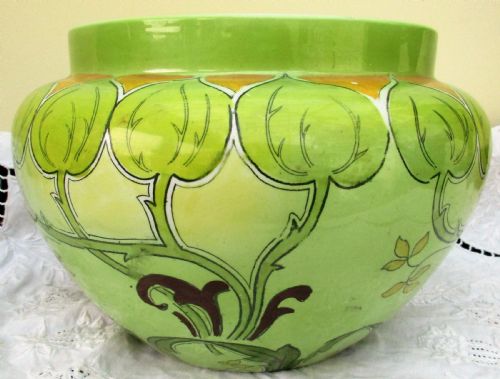


Art Nouveau Glazed Pot
An art nouveau glazed pot brings fluid, organic lines and rich surface treatments straight into a room, offering both decorative presence and practical utility.
Art Nouveau Glazed Pot
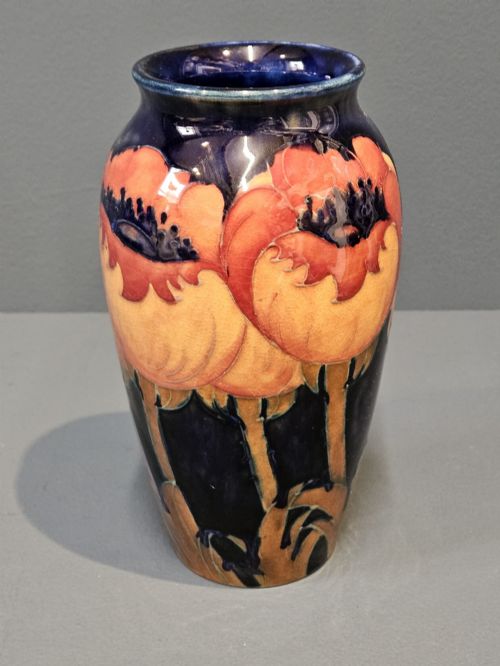
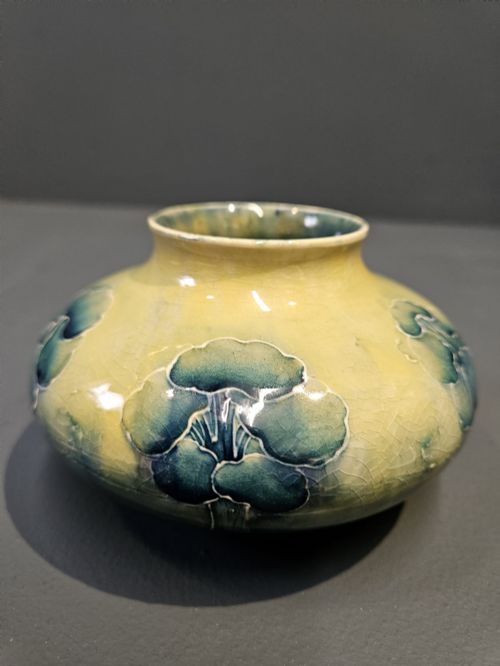
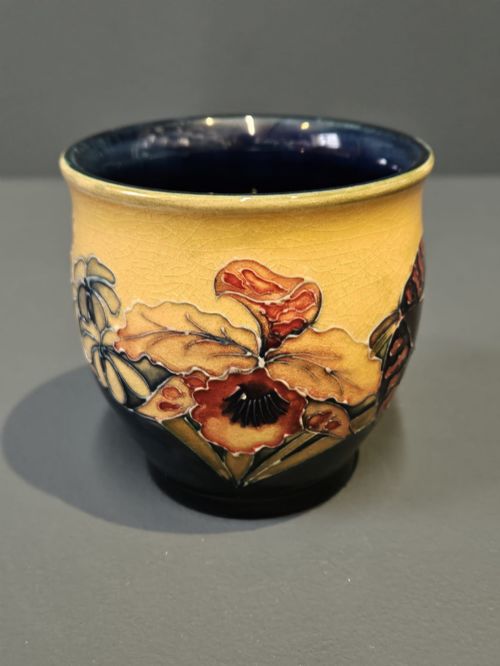
When you search for an art nouveau glazed pot, you encounter pieces spanning from the late Victorian era through the early decades of the twentieth century. These vessels primarily take the form of vases, jardinieres, and tobacco jars.
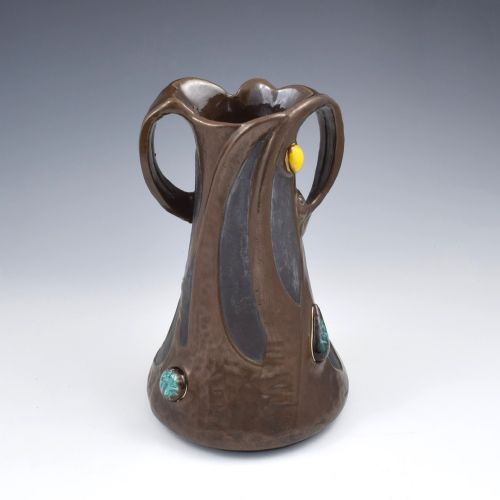
The aesthetic embraces floral motifs, copper effects, and jewelled cabochons that reflect the characteristic styling of the period. Makers of the time channelled natural forms into everyday ceramics.
You are most likely to meet earthenware and stoneware bodies, finished with lustrous or salt glazes. These pots capture a distinct moment when design shifted towards flowing, naturalistic contours.
Methods and materials
Potters utilised earthenware and stoneware as the foundational bodies for these vessels, shaping them into bulbous vases and heavy jardinieres. These materials provided the necessary strength for sculptural additions and large forms.
Surface decoration relied heavily on specialised ceramic glaze, sometimes enhanced with gold leaf or copper effects to catch the light. Salt glazing also appeared on robust outdoor or utilitarian pieces.
Artisans applied intricate details by hand, incorporating jewelled cabochons and slip-trailing directly onto the wet or fired clay body. This combined industrial pottery production with meticulous artistic finishing.
The documented forms span functional tobacco jars, large plant jardinieres, and decorative vases dating from the late nineteenth century onward.
Assessing quality
The depth and consistency of the ceramic glaze separate standard production runs from superior studio output. Rich colour transitions and smooth, even coverage indicate careful kiln control and superior chemical composition.
The crispness of moulded or applied details, such as cabochons and raised slip, dictates the overall refinement of the piece. Sharp, well-defined motifs reflect the skill of the designer and the precision of the original mould.
Association with notable designers and retail houses elevates the standing of a vessel. Pieces bearing distinct factory marks alongside specific retailer stamps demonstrate documented provenance and artistic ambition.
Moorcroft·Bretby Pottery·Royal Doulton·W.A. Adderley·Macintyre And Co
The Art Nouveau Glazed Pot Glossary
- Earthenware
- Porous pottery fired at lower temperatures, requiring a complete glaze to become waterproof. It serves as the base for many brightly coloured decorative vessels.
- Stoneware
- A dense, impermeable ceramic fired at high temperatures until vitrified. This material resists liquids naturally and forms robust jardinieres.
- Jardiniere
- A large ornamental pot designed to hold a live plant or floral arrangement. These pieces often feature prominent decorative handles or wide rims.
- Cabochon
- A polished, convex gem or glass ornament applied to the surface of a pot. It adds tactile dimension and metallic or jewelled highlights to the ceramic body.
- Slip
- Liquid clay mixture used for decorating pottery surfaces before firing. Artisans trail or paint it onto the pot to create raised patterns and textures.
Art Nouveau Glazed Pot: Frequently Asked Questions
What is an art nouveau glazed pot?
These pieces are ceramic vessels produced during the late nineteenth and early twentieth centuries, characterised by flowing lines and natural motifs. They include decorative vases, large plant holders, and lidded tobacco jars.
Potters utilised earthenware and stoneware, applying rich glazes and decorative elements like copper effects or cabochons. Collectors seek them for their distinct aesthetic and representation of period craftsmanship.
How were jardinieres used historically?
Jardinieres served as ornamental indoor planters designed to house potted palms, ferns, or floral displays within domestic interiors. They protected fine furniture from moisture while bringing nature indoors.
Placed on tables, pedestals, or hearths, these large pots added a dramatic decorative focal point to Victorian and Edwardian rooms. Their substantial size allowed roots adequate space while showcasing elaborate ceramic artistry.
How do I identify the period of a pot?
Dating relies on examining factory backstamps, impressed registry marks, and the specific style of the glaze and clay body. Victorian pieces often display registration numbers or impressed maker symbols from established potteries.
The transition from late Victorian ornamentation to cleaner Arts and Crafts or early Art Deco lines helps narrow down the decade of production. Stylistic markers like copper effects and jewelled cabochons point firmly toward the turn of the century.