


Art Deco Study Furniture
Art deco study furniture brings geometric form and rich woods together, offering practical workspaces built with distinct 1930s style.
Art Deco Study Furniture
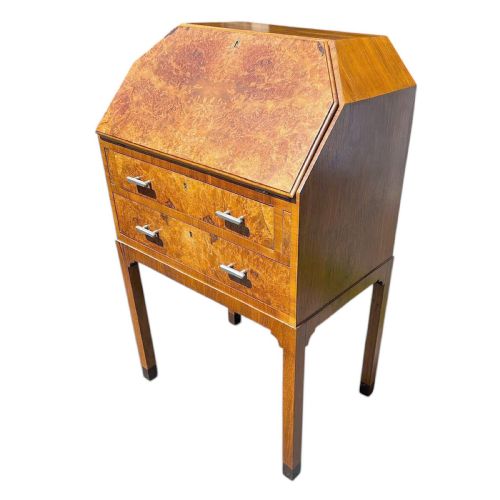
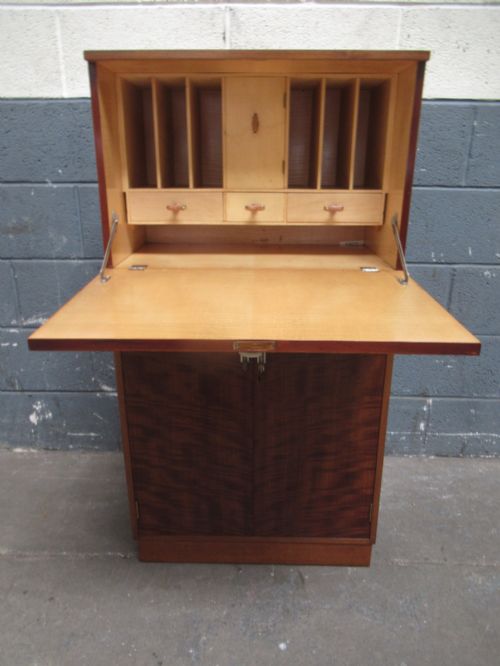
Art deco study furniture comprises desks and writing bureaus dating from the 1930 period, designed with clean lines and practical proportions. These items serve as functional workspaces that double as statement furniture pieces within a room.
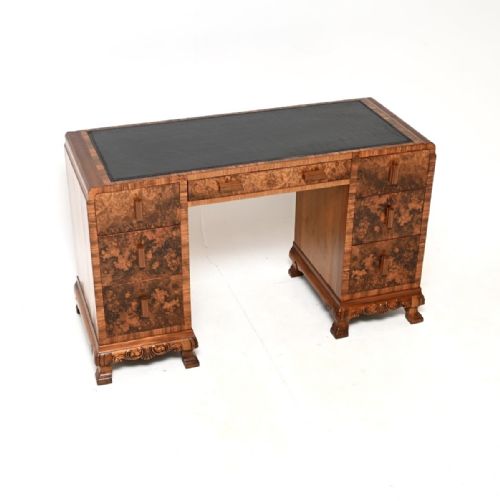
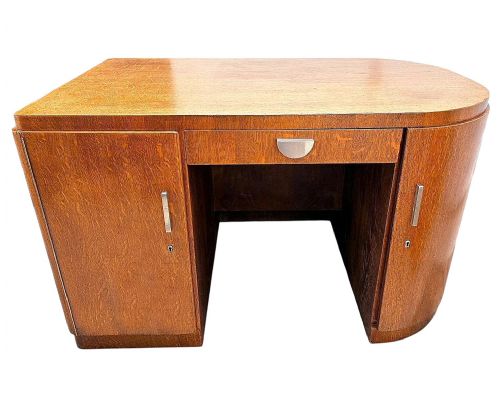
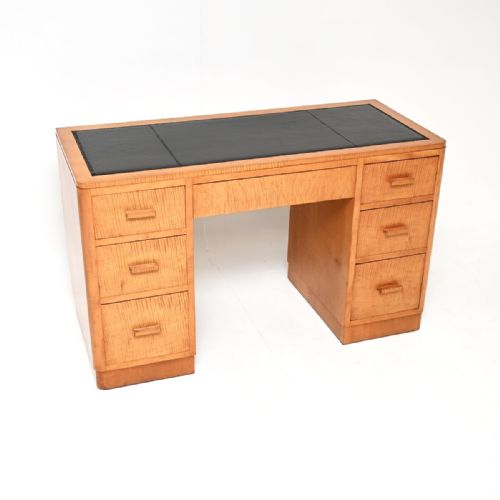
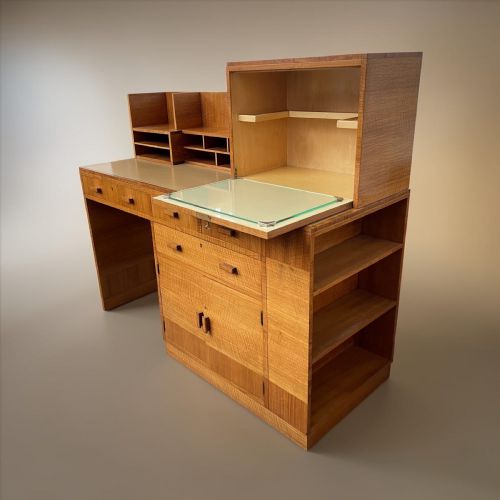
Pedestal desks and two-sided D-end formats appear frequently in this category, often featuring integrated leather writing surfaces. Buyers will regularly encounter English examples that showcase the streamlined aesthetic characteristic of the era.
How they were made
Cabinet makers utilised choice timbers such as walnut, burr walnut, oak, and satin birch, often applying figured veneers to create striking patterns across flat surfaces. Solid wood construction forms the structural core of these desks, ensuring long-term durability.
Chrome and metal elements appear alongside traditional woodwork, providing the contrasting metallic shine associated with modernist design. Desk surfaces frequently incorporate inset leather panels framed by polished timber.
Listings feature items from the 1930 period, utilising walnut, oak, satin birch, burr walnut, chrome, metal, and leather.
What varies in quality
The distinction between standard production items and exceptional pieces rests upon the selection of timber veneers and the sophistication of the joinery. Master workshops employed symmetrical grain matching that elevates the visual impact of the wood.
Attribution to documented makers and the presence of original maker labels elevate the standing of a desk significantly. Furthermore, the integration of specialised hardware and balanced proportions distinguishes superior examples from simpler utilitarian office furniture.
Heal's·Betty Joel·Maurice Adams
The Art Deco Study Furniture Glossary
- Pedestal desk
- A freestanding office desk supported by two separate pedestals containing drawers or cupboards. This form provides substantial storage capacity beneath the main writing surface.
- Burr walnut
- Wood grain taken from a growth on a walnut tree, yielding intricate swirling patterns used for decorative veneer. Cabinet makers prized this material for its rich visual texture.
- Writing bureau
- A desk featuring a sloping flap that opens to reveal internal pigeonholes and small drawers. These pieces combine compact storage with a dedicated writing space.
- Modernist
- A design movement prioritising function, clean geometry, and industrial materials over traditional ornamentation. This philosophy shaped the architectural lines of 1930s office furniture.
- Satin Birch
- A pale, lustrous hardwood utilised for decorative furniture surfaces during the period. Its light tone offers a distinct contrast to darker woods like walnut.
Art Deco Study Furniture: Frequently Asked Questions
What defines art deco study furniture?
These pieces originate from the 1930 period and combine geometric forms with polished wood and metal details. They prioritize streamlined utility alongside decorative timber veneers.
Desks and writing bureaus form the primary examples available in this style, designed to serve as functional office furniture.
Are these desks suitable for daily work?
Most pedestal desks and writing tables offer generous surface areas and integrated storage that accommodate modern laptops and paperwork easily. Their sturdy construction ensures they withstand regular daily use.
Leather top inserts also provide a durable and smooth surface for writing and administrative tasks.
How do I identify a 1930s piece?
Look for characteristic geometric silhouettes, symmetrical burr walnut or satin birch veneers, and occasional chrome accents. Maker labels or stamps inside drawers can also confirm the production era.
English pieces from this decade often display specific modernist proportions distinct from earlier Victorian or Edwardian desks.
What maintenance do wood and leather surfaces require?
Timber surfaces benefit from occasional application of quality furniture wax to nourish the grain and protect the finish from drying out. Avoid placing them in direct sunlight to preserve the colour of the veneer.
Leather inserts require gentle cleaning with a damp cloth and occasional conditioning to prevent cracking over time.