


Art Deco Silver Plate
Art deco silver plate brings the geometric edge and streamlined glamour of the interwar years straight onto the modern table.

Art Deco Silver Plate
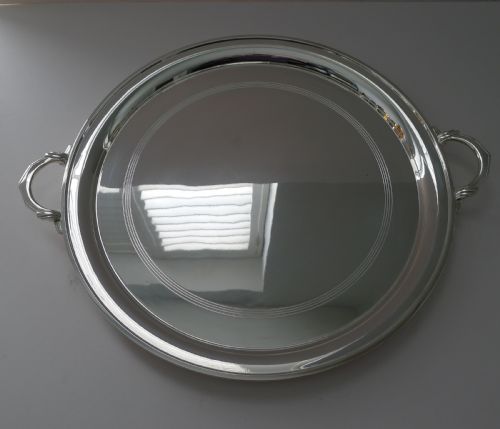
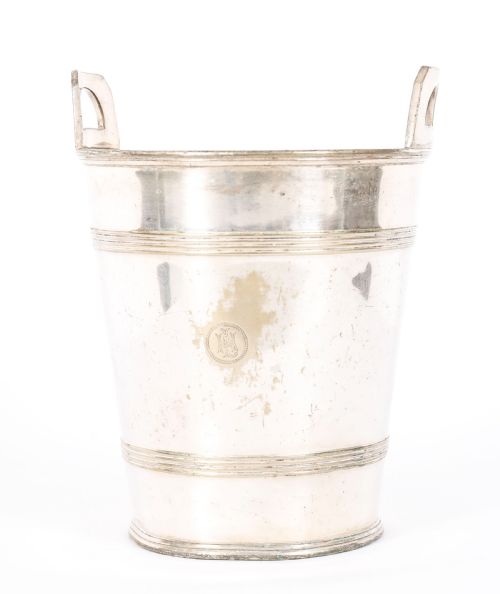
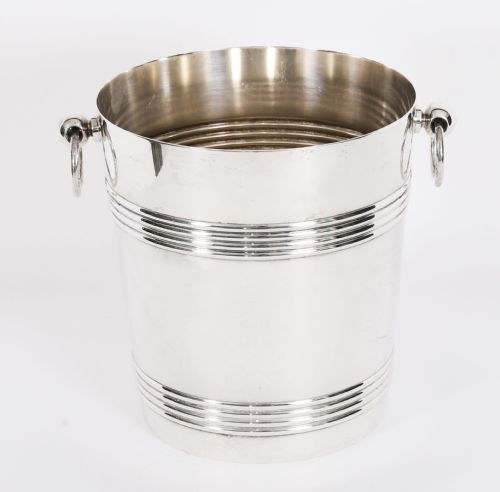
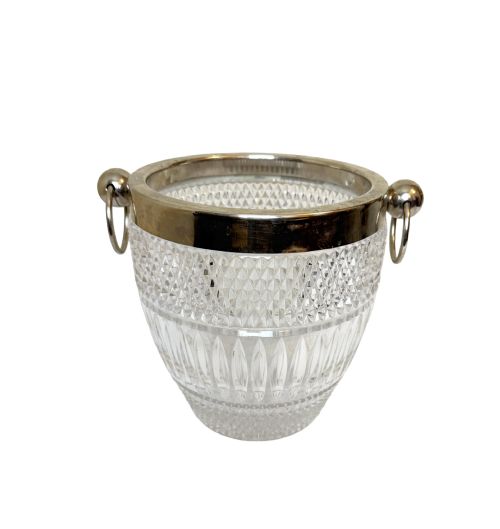
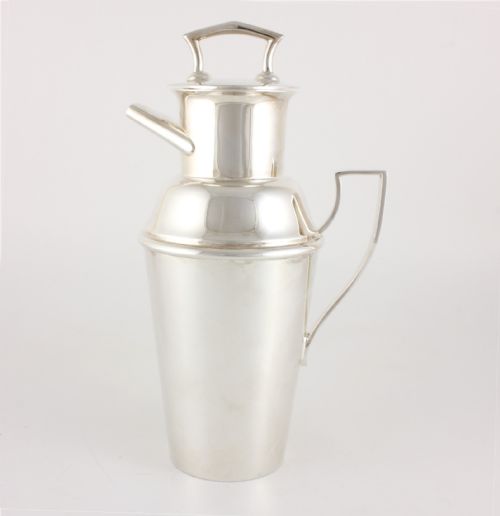
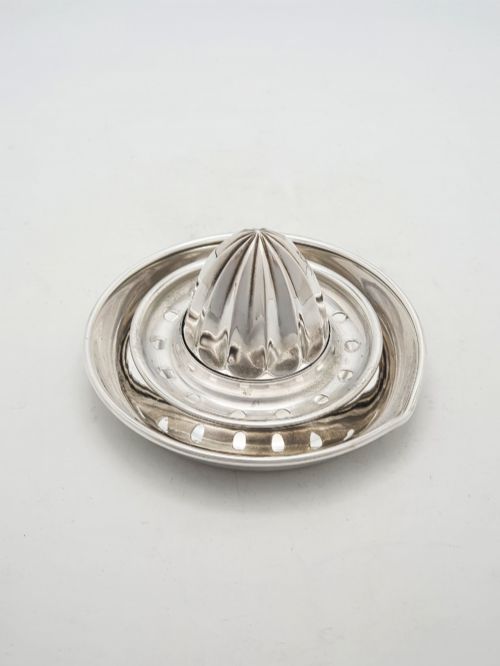
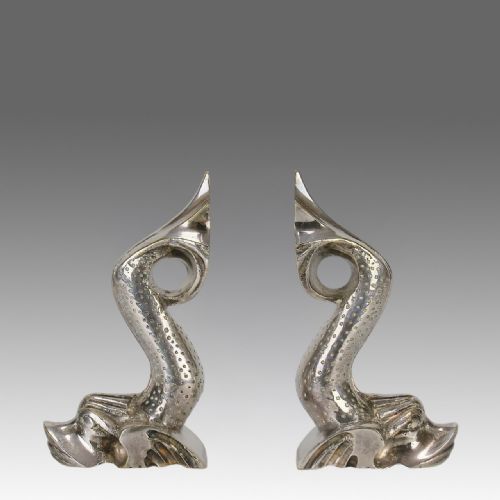
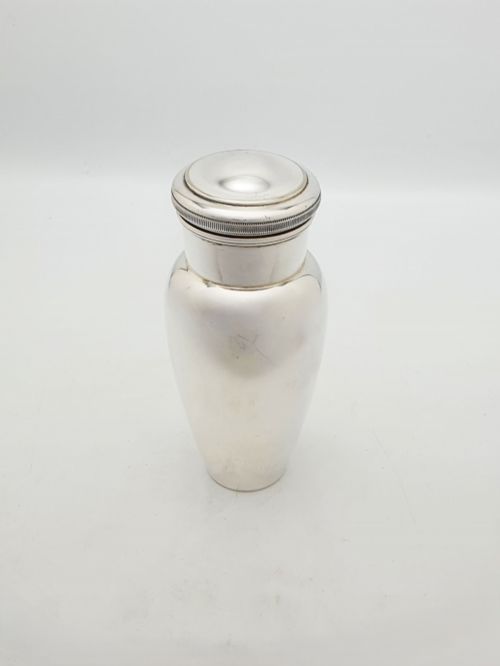
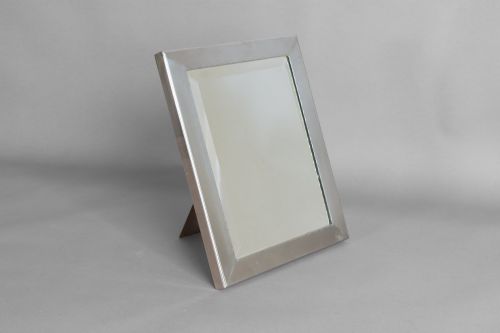
Art deco silver plate encompasses functional dining ware, barware, and decorative accessories created primarily during the 1920s, 1930s, and 1940s. These items range from heavy cocktail shakers and champagne coolers to serving trays, clocks, and vanity mirrors.
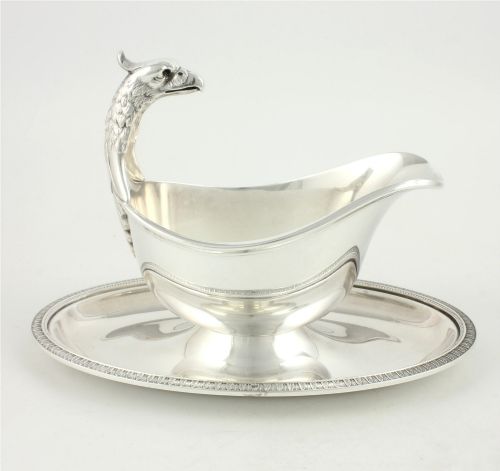
The selection on this page relies heavily on hosting equipment, reflecting the era's enthusiasm for home entertaining and cocktail culture. Alongside barware, buyers frequently encounter tableware such as toast racks, cake stands, and condiment sets.
Originating largely from British and French makers, these objects utilise geometric motifs, stepped forms, and clean lines. They translate industrial progress into domestic luxury through durable metal plating.
How they were made
Makers built these pieces using base metals like copper, nickel brass, or white metal, subsequently coating them in a fine layer of silver through electroplating. This technique allowed manufacturers to achieve the brilliance of solid silver while meeting mass production demands.
Designers combined the gleaming silver surfaces with contrasting materials such as cut glass, crackle glass, coloured enamel, cork, and Bakelite. These mixed media compositions defined the modernist aesthetic, pairing cold metal with tactile accents.
Some cocktail shakers arrived with built-in rotating recipe dials so hosts could spin up a Manhattan formula on the spot.
What varies in quality
Quality rests upon the weight of the metal blank, the thickness of the silver deposit, and the crispness of the secondary decoration. Substantial gauge metal prevents denting and ensures the object retains its structural integrity through decades of use.
Design attribution also separates standard production from exceptional examples. Pieces bearing the marks of celebrated designers or prestigious retail houses demonstrate superior casting, tighter mechanical fits in items like cocktail shakers, and more harmonious proportions.
Keith Murray·Mappin and Webb·Christofle·Asprey and Co·Harrods of London
The Art Deco Silver Plate Glossary
- Electroplated Nickel Silver
- A copper, nickel, and zinc alloy coated with a layer of pure silver through an electrolytic process. This substrate provides a durable and stable foundation for the silver finish.
- Guilloche
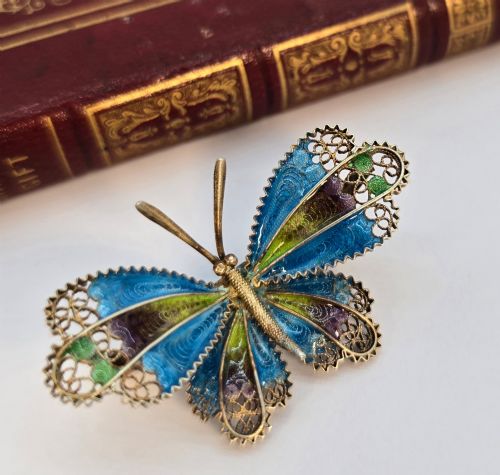
- A decorative technique where a precise, intricate pattern is mechanically engraved into the underlying metal before translucent enamel is applied. It creates a shimmering, repeating geometric backdrop.
- Salver
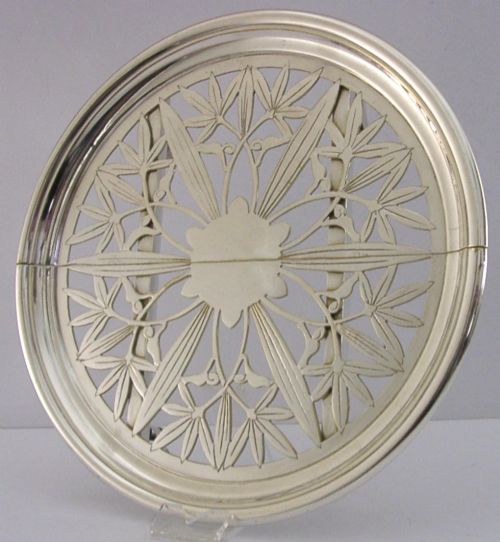
- A flat serving tray, usually circular with a raised decorative border, used for presenting drinks or calling cards. These often feature distinctive art deco shell or stepped motifs along the rim.
- Silver Gilt
- Silver object coated with a thin layer of gold on its surface. This technique protects the underlying metal from tarnishing while introducing a warm, dual-tone metallic appearance.
- Triptych
- A three-panelled object, most commonly seen in dressing table mirrors where the two outer hinged wings fold inward. This configuration allows the user to adjust the viewing angles.
Art Deco Silver Plate: Frequently Asked Questions
How do I clean art deco silver plate?
Wash pieces gently in warm soapy water using a soft cloth, avoiding harsh abrasive dips that strip the plating. Dry thoroughly with a microfiber towel to prevent water spots.
Polish the surface infrequently with a dedicated silver cream, moving in straight lines rather than circles. Take extra care around enamel or glass components to keep cleaning agents away from mixed media joints.
How can I tell genuine art deco from later copies?
Examine the manufacturing methods, maker marks, and overall weight, as genuine interwar pieces utilise heavier gauge metals and traditional electroplating techniques. Look for authentic retail stamps and registration numbers characteristic of the period.
Stylistic cues also reveal authenticity, as period items integrate modernist geometry naturally rather than as a forced caricature. Compare the patina and wear patterns, which should reflect genuine age across decades of handling.
What caused the shift from silver to chrome?
The introduction of chromium plating in the late 1920s offered a brighter, harder finish that resisted tarnishing entirely. Manufacturers adopted chrome because it eliminated the need for regular polishing, aligning with the era's machine-age ethos.
Silver plate remained popular for formal dining and luxury goods due to its softer lustre and traditional associations. Many makers produced parallel lines in both silver plate and chrome to satisfy changing consumer budgets.