






English Silver Plated Platter
These English silver plated platter options bring centuries of hosting heritage to the table, offering durable silver surfaces over robust metal cores.
English Silver Plated Platter
When searching for an english silver plated platter, buyers encounter an array of serving vessels spanning from the seventeenth century through to the mid-twentieth century. The selection ranges from early pewter chargers and Victorian presentation trays to Edwardian oak-rimmed platters and Art Deco cocktail servers.
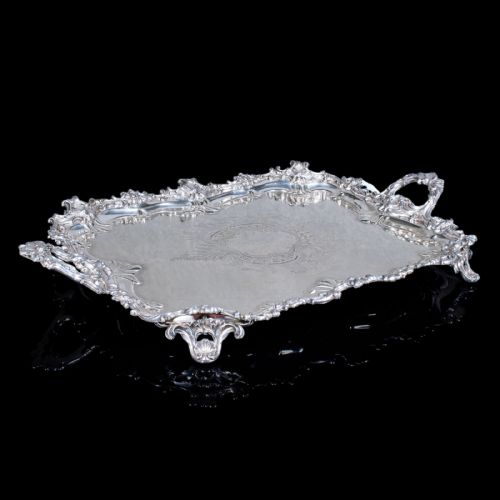
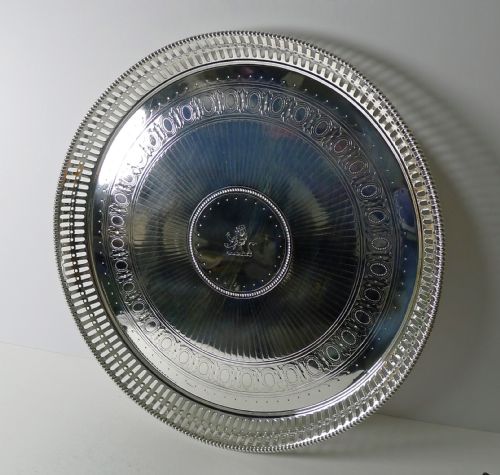
The version most frequently met on this page is the nineteenth or early twentieth-century silver plated tray, often designed with pierced galleries, reticulated borders, or integrated handles for formal entertaining and afternoon tea. These pieces reflect the shifts in domestic dining habits across the Georgian, Victorian, Edwardian, and Art Deco periods.
Alongside plated copper and nickel alloys, the historical record includes foundational pewter chargers from the seventeen-hundreds, demonstrating how utilitarian dining ware evolved into decorative display pieces. Each object carries the specific aesthetic markers of its decade, from nineteenth-century ornamentation to twentieth-century modernist restraint.
Materials and methods of construction
The construction of these items relies heavily on base metals such as nickel silver, standard pewter, and oak, coated with a layer of silver via electroplating techniques. This method allowed makers to achieve the visual brilliance of solid silver while maintaining structural rigidity through sturdy metallic cores.
Makers utilised specialised forming processes, including hand-piercing and reticulation, to create ornate openwork borders on serving trays and platters. Wooden elements, such as oak rims and bases, appear in combination with silver plate to provide thermal insulation and contrasting textures for drinks and afternoon tea service.
Makers marked their work with stamps and hallmarks denoting firm names and plating standards, providing a clear record of nineteenth and twentieth-century workshop output.
Materials across the selection range from traditional pewter and oak to electroplated nickel silver and standard silver plate.
Distinctions in craftsmanship and design
Quality across these serving pieces is determined by the precision of the metalwork, the weight of the base material, and the crispness of any pierced or reticulated detailing. Heavier gauges of nickel silver and substantial pewter foundations indicate higher initial manufacture, ensuring the platter resists bending under weight.
The execution of decorative elements, such as engraved presentation inscriptions, cast handles, and applied borders, separates standard utilitarian wares from top-tier workshop productions. Pieces bearing the marks of prominent makers demonstrate superior hand-finishing in the chasing and polishing stages.
The integrity of the remaining silver plating relative to the underlying base metal reflects both the original thickness of the deposit and the subsequent handling of the object over generations.
J B Chatterley & Sons·James Dixon & Sons·Asprey London·Elkington·Atkin Brothers·Mappin and Webb·Lee & Wigfull·J H Potter·Thomas Templeman·S Duncomb
The English Silver Plated Platter Glossary
- Silver plate
- A thin layer of silver bonded to a base metal core, such as copper or nickel silver, through chemical or electrochemical processes. This technique provided an accessible alternative to solid sterling silver.
- Pewter
- A malleable alloy historically composed primarily of tin with copper and antimony, used widely for early chargers and flatware before the widespread adoption of silver plating.
- Reticulation
- A network of openwork patterns or pierced decorative cutouts forming borders on trays and platters. It requires careful hand-sawing or casting to achieve symmetrical designs.
- Charger
- A large decorative platter or dish used traditionally beneath other courses at formal dinners, or displayed upright on sideboards. Surviving examples date back to the seventeenth and eighteenth centuries.
- EPNS
- Electroplated Nickel Silver, a standard designation stamped on nineteenth and twentieth-century items indicating a silver coating applied electrolytically over a nickel alloy base.
English Silver Plated Platter: Frequently Asked Questions
How do I clean an antique silver plated tray?
Clean these items using a soft cloth and specialised silver cream designed for plated surfaces, avoiding abrasive pads that wear through the thin silver layer.
Rinse the tray gently in warm water and dry immediately with a lint-free cloth to prevent water spotting.
Can I use these platters for serving food?
Most antique silver plated platters and serving trays function adequately for dry foods, cheeses, and bottled beverages during modern gatherings.
Verify the condition of the surface plating and avoid acidic foods that might react with exposed base metals.
What is the difference between a tray and a charger?
Chargers are typically large, round dishes designed historically for ceremonial dining tables or as decorative under-plates rather than for carrying items.
Trays usually feature handles, rims, or galleries specifically engineered for transporting drinks, tea sets, and serving dishes.
How do I identify the date of a silver plated tray?
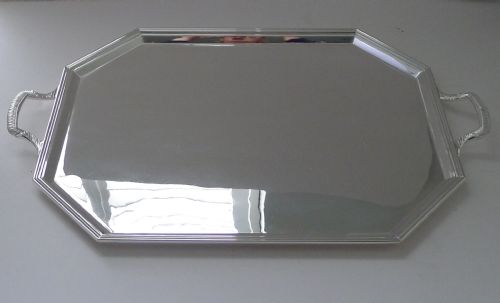
Examine the piece for workshop stamps, registry marks, and style indicators such as Edwardian oak mounts or Art Deco geometric framing.
Comparing maker stamps against historical trade directories helps narrow down the decade of manufacture.