



Art Deco Opalescent Vessel
An art deco opalescent vessel catches the light with milky translucence and subtle blue or amber fire, bringing geometric elegance to a room.
Art Deco Opalescent Vessel
An art deco opalescent vessel combines the sleek geometry and stylised motifs of the interwar period with a glass body that shifts in tone according to the angle of the light. Buyers searching this phrase encounter French decorative glass originating from the nineteen-twenties and nineteen-thirties.
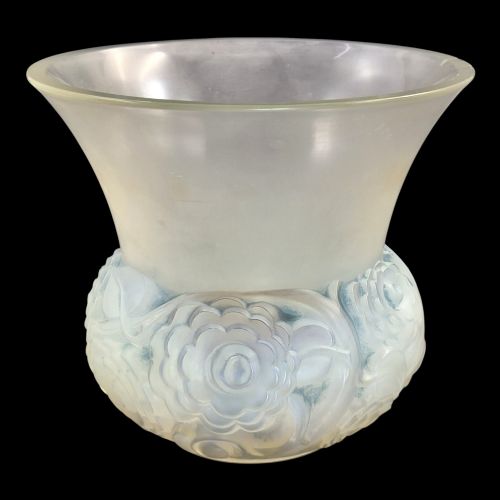
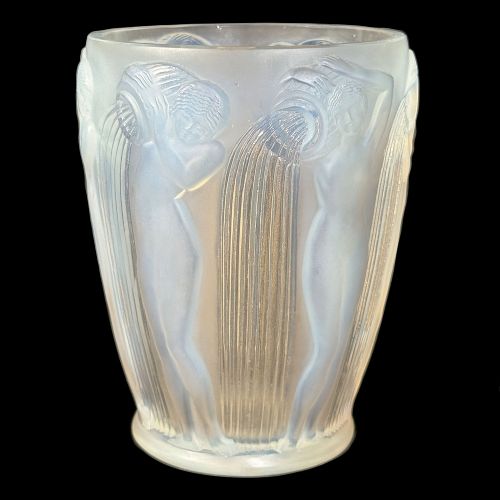
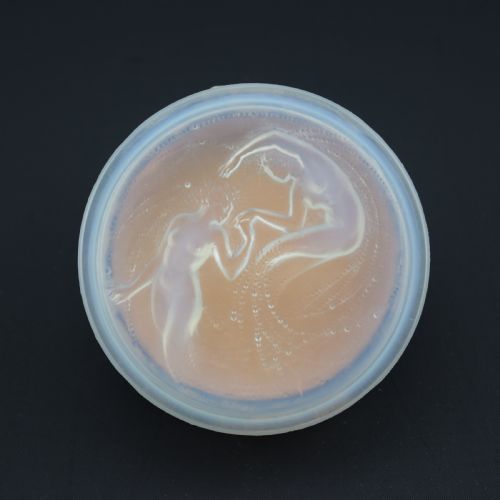
The forms span tall vases, shallow decorative bowls, and lidded trinket boxes designed for display and daily use. Vases dominate the selection, featuring moulded reliefs of flora, fauna, and figures.
Production centres on pieces from the nineteen-twenties and nineteen-thirties, reflecting the height of modernist design and mould-pressed techniques. These objects embody the shift from traditional craftsmanship to industrial artistry.
How they were made
Makers utilised pressed glass and crystal, pouring molten material into metal moulds to achieve high-relief decoration and dense bodies. Frosted glass surfaces diffuse light, creating the characteristic milky glow.
Opalescence arises from chemical additives within the glass batch that scatter light rays, producing blue tints in daylight and warm tones against direct illumination. Stained glass techniques sometimes add targeted colour contrasts to recessed details.
Materials recorded include opalescent glass, pressed glass, frosted glass, crystal, and stained glass.
What varies in quality
Depth of relief and crispness of moulded detail distinguish finer examples from standard production. The clarity of the opalescent effect and the subtlety of the colour play across the surface dictate the visual impact.
The strength of the design, whether depicting flora, animals, or figural scenes, determines the artistic merit of the vessel. The integration of frosted and clear areas creates a balanced contrast that elevates the piece.
Rene Lalique·R Lalique·René Lalique
The Art Deco Opalescent Vessel Glossary
- Opalescent glass
- Glass containing agents that create a milky, translucent appearance with shifting colour tones. This effect reacts strongly to the direction of ambient light.
- Pressed glass
- Glass shaped by being pressed into a metal mould with a plunger. This technique allows for complex high-relief decoration across the vessel body.
- Frosted glass
- Glass with a textured, matte surface created by acid etching or sandblasting. It softens illumination and contrasts with polished highlights.
- Art Deco
- The dominant design style of the nineteen-twenties and nineteen-thirties characterised by streamlined forms and stylised motifs. It rejected Victorian ornamentation in favour of modern geometry.
Art Deco Opalescent Vessel: Frequently Asked Questions
What is an art deco opalescent vessel?
It is a decorative glass object from the interwar period featuring milky, light-reactive glass and moulded relief designs.
These pieces include vases, bowls, and boxes created during the nineteen-twenties and nineteen-thirties.
How do you display opalescent glass?
Place the vessel near a light source to activate the shifting blue and amber tones within the glass body.
Positioning the piece against a plain background allows the moulded details and frosted textures to stand out.
How were these vessels decorated?
Moulds imparted high-relief motifs of plants, animals, and geometric patterns directly into the glass during formation.
Selected areas received frosting or staining to enhance the contrast between raised and recessed surfaces.
What periods do these pieces date from?
The available listings date primarily from the nineteen-twenties and nineteen-thirties.
This era represents the peak of French moulded art glass production.