


Art Deco Opalescent Vase
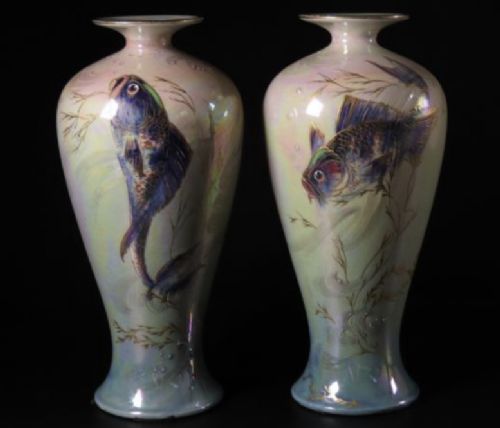
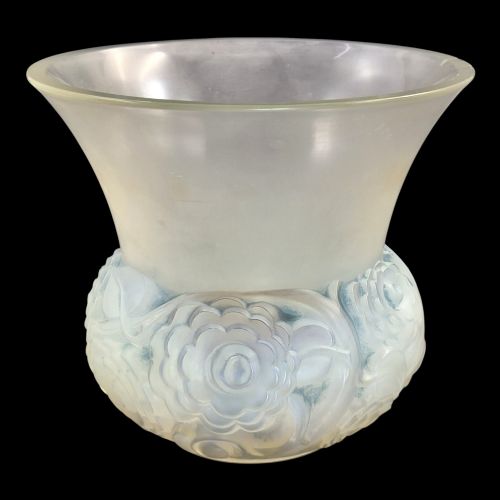
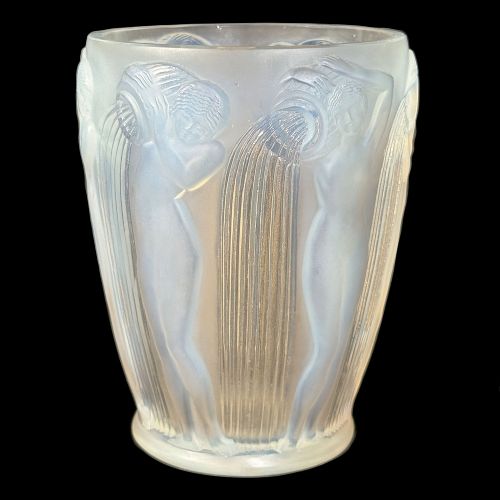
An art deco opalescent vase catches the light with milky translucence and deep blue fire, bringing unmistakable 1920s geometry to any room.
Art Deco Opalescent Vase
An art deco opalescent vase stands as a pinnacle of 1920s and 1930s glass production, combining geometric mouldings with an ethereal milky sheen. Buyers searching this phrase encounter French and English vessels that shift from pale white to electric blue depending on the light.
Most examples originate from renowned French glassworks of the 1920 and 1930 periods, capturing the spirit of Art Deco design. Collectors often find distinct mouldings depicting flora, fauna, and classical figures rendered in rich opalescent tones.
How they were made
The creation of these vessels relies on pressed glass techniques where molten material is forced into heavy metal moulds. This method allows for the sharp relief and intricate surface details characteristic of the Art Deco style.
Makers achieve the signature opalescence by adding bone ash or chemical agents to the glass batch, which scatter light and produce the distinctive blue and white glow. Additional touches such as blue staining are frequently applied to highlight the pressed motifs against the frosted background.
Listings feature opalescent glass, frosted glass, and metallic glaze across the 1920 and 1930 periods.
What varies in quality
The clarity of the mould and the strength of the opalescent effect define the visual impact of each piece. Finer examples display crisp relief in the glass design and a vibrant play of colour when turned in the light.
The depth of the secondary staining and the precision of the finishing work separate standard production runs from masterworks. Weight, thickness, and the balance of the glass form further indicate the original maker's skill.
Rene Lalique·Pierre D Avesn·Sabino·Julien Glass·Walter Slater
The Art Deco Opalescent Vase Glossary
- Opalescent Glass
- Glass that exhibits a milky appearance with internal fire, scattering light to show warm white tones and cool blue highlights. This optical effect is achieved through specific chemical additives in the hot metal.
- Pressed Glass
- Molten glass shaped by being forced into a metal mould using a plunger, enabling complex relief patterns. It defines the manufacture of many decorative vessels from the 1920 and 1930 periods.
- Frosted Glass
- Glass treated to have a matte, diffusing surface that scatters light evenly across the vessel. It provides a contrast to the shiny highlights on raised decorative motifs.
- Metallic Glaze
- A vitreous coating containing metallic oxides that produces a lustrous, shimmering surface finish on ceramic bodies. This technique adds an iridescent quality distinct from glass.
- Table Centrepiece
- A large decorative vessel or epergne designed to anchor a dining table arrangement. These objects often share the same moulded glass motifs as standard vases.
Art Deco Opalescent Vase: Frequently Asked Questions
What lighting shows off opalescent glass best?
Place the vessel near natural daylight or use directional spotlights that pass through the body of the glass. Side lighting highlights the milky white highlights and reveals the deep blue fire within the material.
Avoid dark corners where the optical effects remain hidden. Transmitted light transforms the frosted texture and brings out the fine details of the pressed relief.
How do I distinguish 1920s pieces from later reproductions?
Examine the weight, the crispness of the mould seams, and the quality of the surface finish under magnification. Period pieces from the 1920 and 1930 eras typically display distinct hand-finishing marks and precise detail in the pressed glass relief.
Check for signature formats and the specific chemical opacity characteristic of interwar production. Modern copies often feel lighter and lack the deep optical refraction seen in vintage examples.
Where should I display a heavy glass centrepiece?
Position the piece on a stable, level surface away from the edges of tables or shelves where it might be knocked. Ensure the support can bear the substantial weight characteristic of pressed glass vessels from this era.
Keep the item out of direct, intense sunlight for prolonged periods to protect any coloured staining. A dedicated cabinet with glass shelves allows light to circulate around the entire object.