


Moulded Blue Glass Vase
These pieces known as a moulded blue glass vase bring striking colour and sculptural form to a room.
Moulded Blue Glass Vase
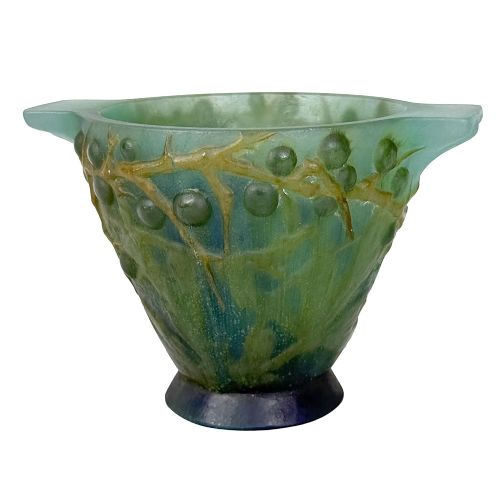
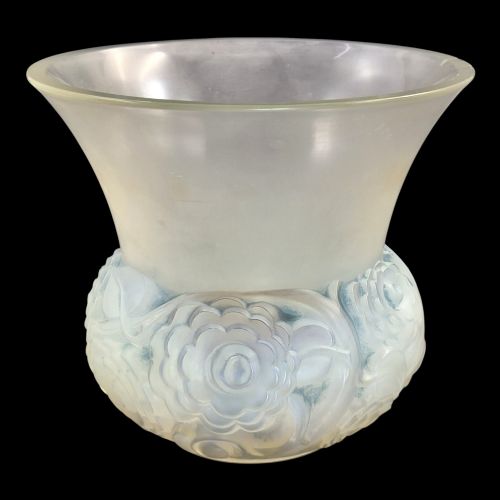
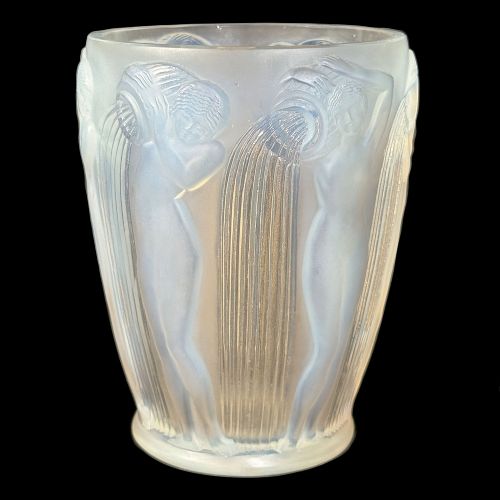
The objects displayed here showcase distinct decorative motifs, including floral and figurative designs such as water carriers and botanical patterns. Each piece demonstrates the sculptural possibilities achieved through period manufacturing methods.
How they were made
Makers utilised pressed and moulded glass techniques alongside pate de verre to shape these vessels. Molten material was pressed into metal moulds to create defined reliefs and structural forms.
Makers incorporated cobalt glass and achieved frosted or opalescent finishes to manipulate light passing through the vessel. These treatments highlighted the intricate surface details of the botanical and figurative reliefs.
The listings show items exclusively from the Art Deco period, spanning the nineteen twenties and nineteen thirties.
What varies in quality
The distinction between standard items and superior examples lies in the crispness of the moulded relief and the depth of the opalescent or cobalt colouration. Masterpieces exhibit precise detailing in complex motifs such as figures and foliage.
Quality also depends on the subtlety of the frosted finish and how effectively the glass diffuses light across the surface. The handling of the material during the moulding process dictates the sharpness of the final decoration.
Henry Berge for Amalric Walter·Rene Lalique
The Moulded Blue Glass Vase Glossary
- Moulded Glass
- Glass shaped by being pressed into a mould while hot. This technique allows for consistent production of patterned vessels.
- Opalescent Glass
- Glass that displays a milky, iridescent quality with blue or orange tones when lit. It shifts in appearance depending on the angle of the light.
- Pate de Verre
- A form of kiln-cast glass created by packing finely ground glass paste into a mould. The method produces rich colours and a granular texture.
- Cobalt Glass
- Glass coloured deep blue through the addition of cobalt oxide during the melting process. This intense hue forms the base of many striking period designs.
Moulded Blue Glass Vase: Frequently Asked Questions
What periods do these vases come from?
The items listed on this page originate from the nineteen twenties and nineteen thirties, corresponding to the height of the Art Deco movement. These decades produced distinctive sculptural glass designs.
Designers of this era utilised advanced moulding techniques to create highly decorative vessels featuring botanical and figurative themes.
How should I display a moulded blue glass vase?
Place the vessel in a position where natural light can pass through the body to activate the opalescent or cobalt qualities of the glass. Adequate illumination reveals the intricate surface reliefs.
Ensure the vessel sits on a stable, flat surface away from busy edges to protect the delicate pressed glass material from accidental knocks.
What materials are used in these pieces?
These items are constructed from various forms of glass, including opalescent, frosted, pressed, and cobalt variants. Some examples employ pate de verre.
Each material contributes to the visual texture and weight of the vessel, altering how light interacts with the surface decoration.
How do I identify Art Deco glass?
Art Deco glass is characterised by geometric or stylised natural motifs, symmetrical patterns, and robust sculptural forms. The designs often reflect the modern aesthetic of the interwar period.
Makers employed specific moulding and frosting techniques to achieve the tactile surfaces typical of this stylistic movement.