





Art Deco Mantel Sculpture
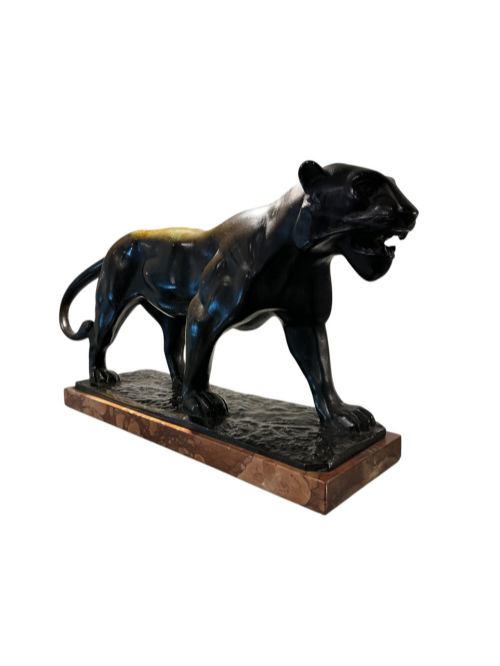
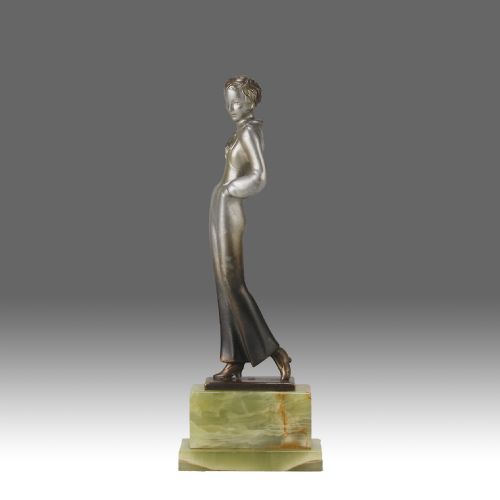
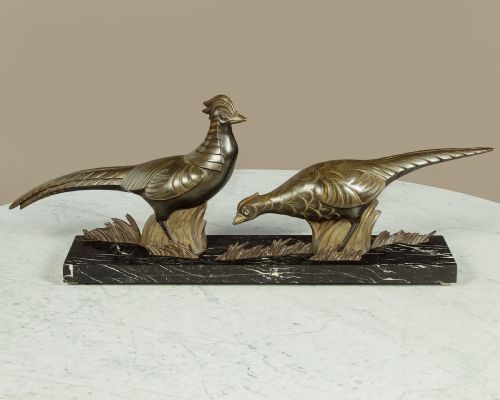
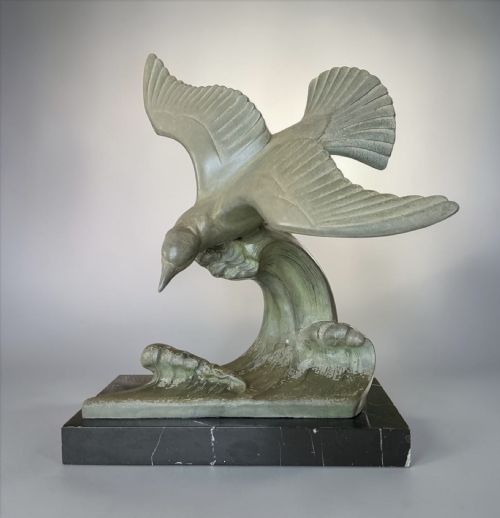
These art deco mantel sculpture pieces bring characteristic period energy to a room, cast in bronze or spelter upon solid marble bases.
Art Deco Mantel Sculpture
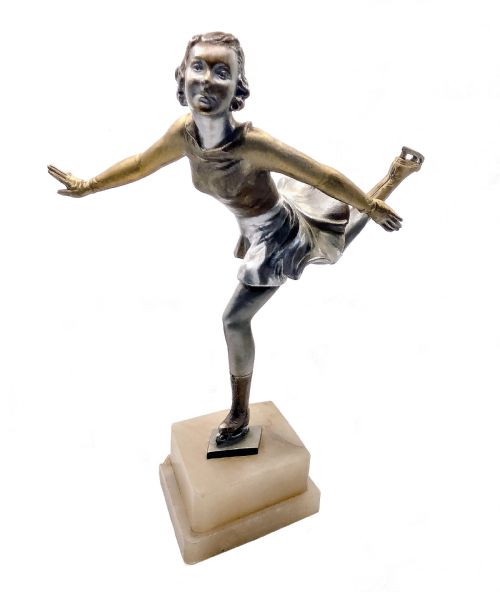
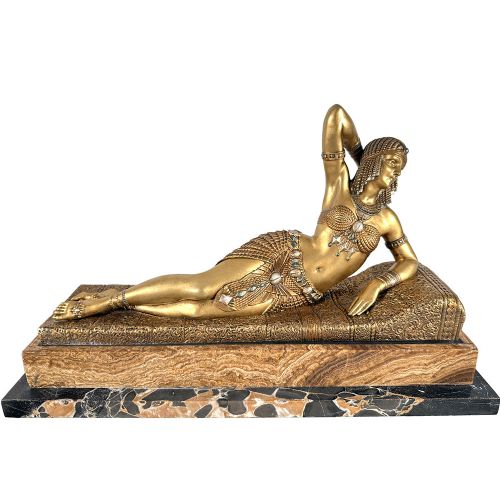
An art deco mantel sculpture sits firmly within early twentieth century design, taking the form of dancers, animals, and mythological figures positioned on stone plinths. The most common versions on this page are patinated spelter or bronze female dancers and athletic figures produced around nineteen thirty.
Many examples double as functional objects such as mantel clocks, lamps, or candelabras. French workshops dominated this production, creating substantial figures that combined metalwork with heavy marble or onyx bases.
How They Were Made
Foundries cast these figures in bronze or spelter, applying cold painted finishes or patinated treatments to build surface colour and texture. Spelter served as a common economical alternative to bronze while achieving similar visual depth.
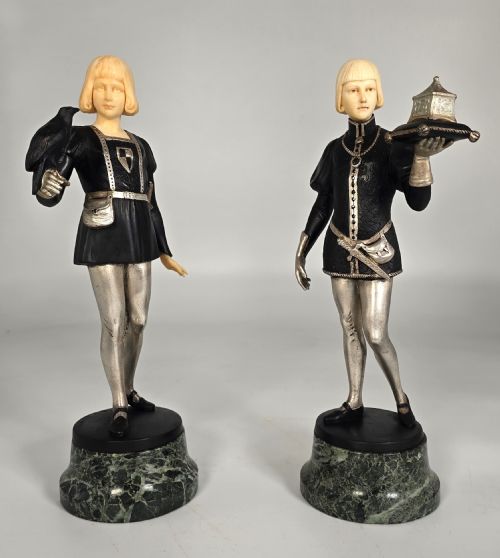
Sculptors mounted their metal figures onto contrasting bases of black marble, onyx, or alabaster. Chryselephantine pieces combined metal and carved ivory for faces and hands, requiring specialised assembly.
Art Deco Mantel Sculpture Retail Price Guide 2026
Typical asking prices for art deco mantel sculpture among the pieces listed under this phrase on Sellingantiques today, from the lower quarter to the upper quarter. They describe what is for sale here now, not the wider market.
German shepherds and golden pheasants share shelf space with high-kicking dancers.
What Varies in Quality
The selection of the base material dictates structural solidity and proportion. Dense black marble or rich onyx plinths provide better balance and visual weight than softer alabaster or smaller stone cuts.
Josef Lorenzl·Demetre Chiparus·Pierre Le Faguays·Michel Decoux·Claire Colinet
The Art Deco Mantel Sculpture Glossary
- Spelter
- A zinc alloy commonly used for sculptural casting during the early twentieth century. It offered a cheaper alternative to bronze and took cold painted finishes well.
- Chryselephantine
- A term describing sculptural works that combine carved ivory with bronze or other metals. These pieces frequently depict dancers and human figures.
- Patinated metal
- Metal treated with chemicals or heat to alter its surface colour and create an aged appearance. This finish protected the metal while adding visual depth.
- Egyptian Revival
- A design style inspired by ancient Egyptian motifs that resurfaced strongly during the art deco period. Figures and architectural elements reflected this influence.
- Garniture
- A set consisting of a mantel clock accompanied by matching side ornaments such as candelabras or vases. They formed a unified display on a fireplace shelf.
Art Deco Mantel Sculpture: Frequently Asked Questions
What is an art deco mantel sculpture?
These pieces are decorative metal figures and clocks designed to sit on mantelpieces, often depicting dancers, animals, or human subjects. They reflect the modernist aesthetic of the interwar decades.
Most examples rest upon heavy stone bases of marble or onyx to anchor the composition. They range from single figurines to complex clock sets and lighting fixtures.
How do I clean bronze and spelter safely?
Dust surfaces gently with a soft, dry brush to prevent accumulation in recessed details. Avoid liquid cleaners or polishes that strip original patination.
Moisture can damage both the metal finish and vulnerable stone bases, so keep pieces in stable indoor environments away from direct heat.
What materials were used for these sculptures?
Foundries primarily cast these objects in bronze or spelter, occasionally applying silvered or cold painted treatments. Some luxury items incorporated carved ivory elements for hands and faces.
Bases were constructed from black marble, onyx, or alabaster to provide substantial weight and architectural contrast to the metallic figures above.
Are these pieces French in origin?
A significant portion of these sculptures originated in France during the nineteen twenties and nineteen thirties. Parisian studios and foundries led production across Europe.
Other notable works emerged from Austrian workshops and English studios, reflecting a widespread international embrace of the style.