


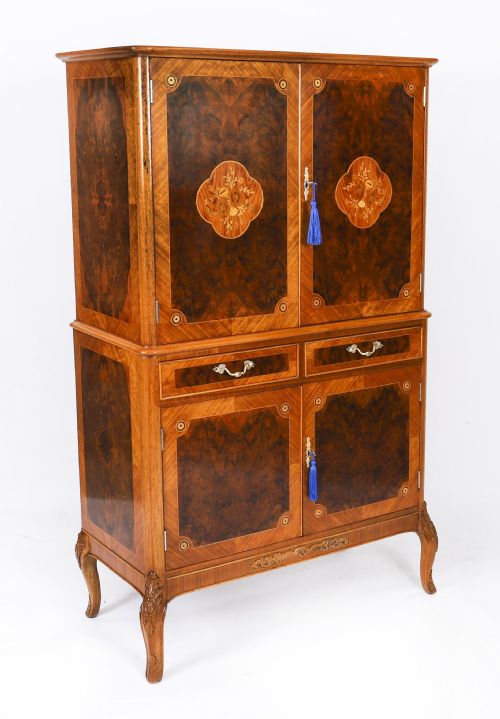


Art Deco Liquor Cupboard
An art deco liquor cupboard brings serious style to evening hosting, serving as a dedicated home for bottles and glassware.
Art Deco Liquor Cupboard
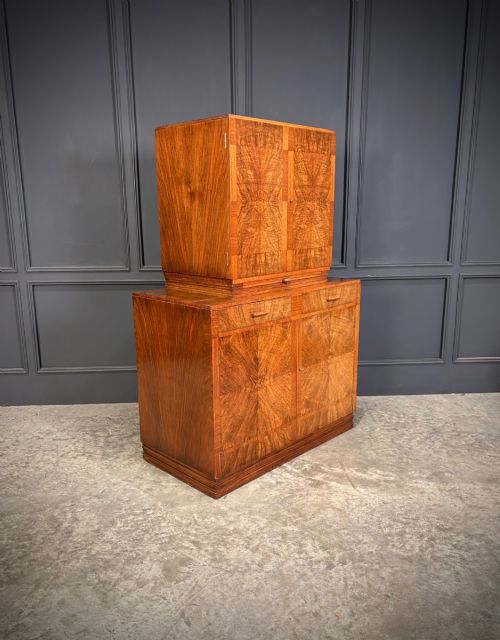
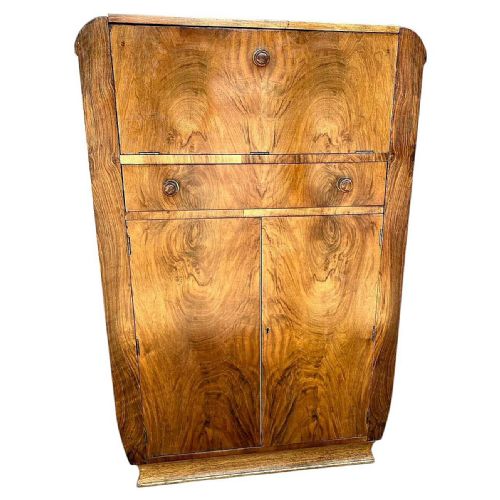
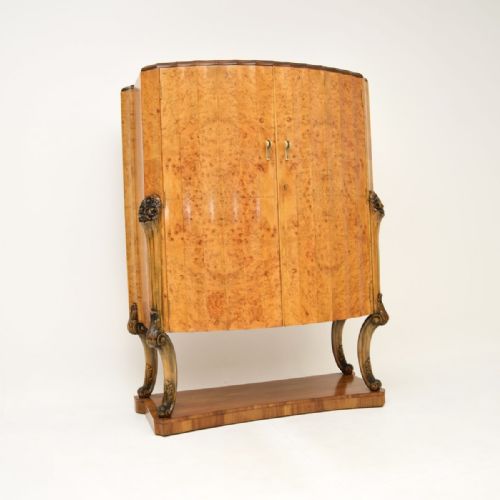
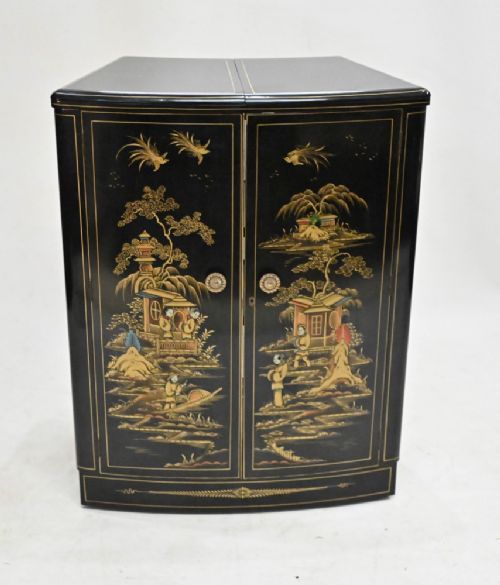
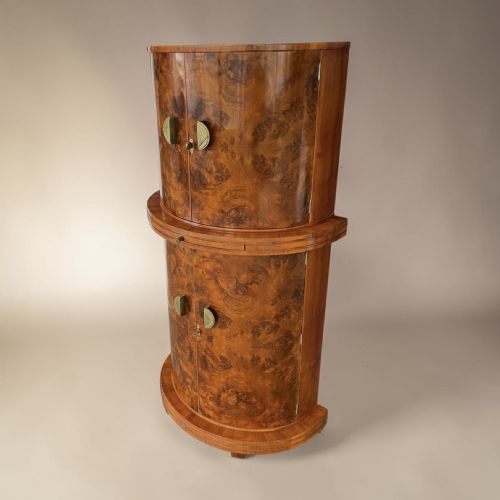
An art deco liquor cupboard primarily appears as a cocktail cabinet, drinks cabinet, or dry bar designed for home entertainment. These pieces date predominantly from the 1920s and 1930s, reflecting the modernist design shifts of the period alongside occasional revivals.
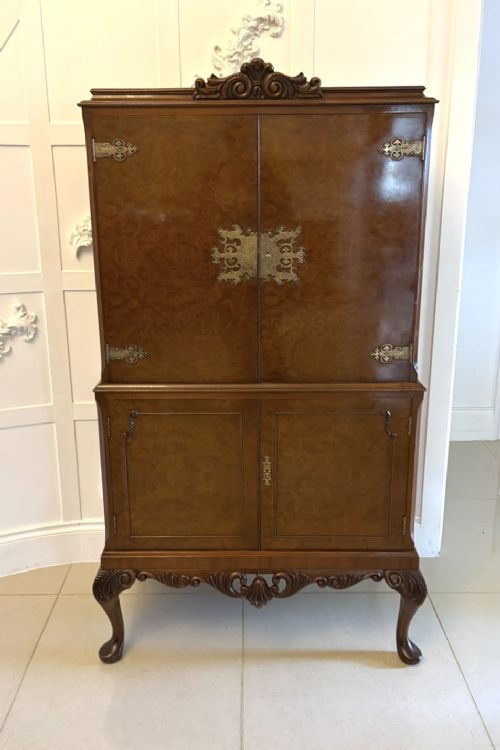
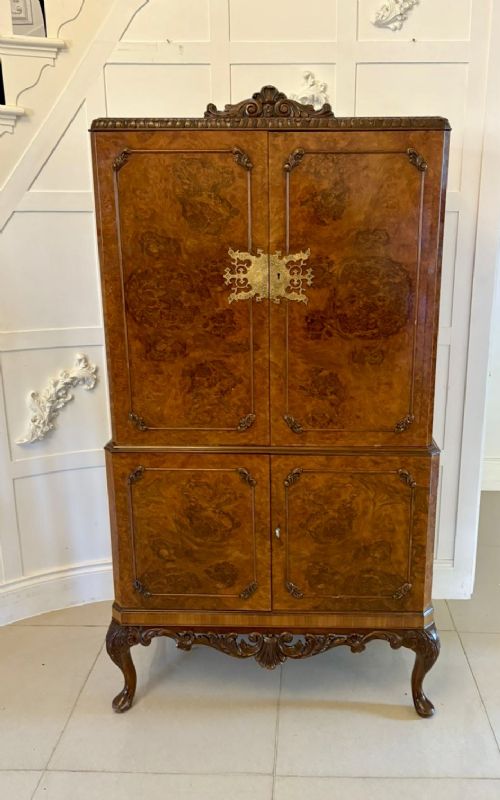
Burr walnut and figured walnut dominate the selection, often arranged in striking grain patterns across the main body. Buyers frequently encounter variations on stands or as large freestanding chests fitted for internal storage.
Craftsmanship and Origin
The sophistication of the veneer work and the complexity of the internal fittings largely determine the standing of an individual piece. Examples bearing attribution to notable workshops demonstrate superior joinery and more ambitious internal layouts.
The integration of functional elements, such as sliding shelves and purpose-built bottle racks, separates standard storage from exceptional cabinet making. The choice of primary timber, particularly highly figured burr walnut, elevates the visual weight of the furniture.
Art Deco Liquor Cupboard Retail Price Guide 2026
Typical asking prices for art deco liquor cupboard among the pieces listed under this phrase on Sellingantiques today, from the lower quarter to the upper quarter. They describe what is for sale here now, not the wider market.
Some cabinets hide clever mirrored mixing slides ready to catch the gleam of a well-poured martini.
Harrods·Epstein·Hille·Waring and Gillow·Harry and Lou Epstein·Epstein and Co Furniture·Liberty's of London
The Art Deco Liquor Cupboard Glossary
- Burr walnut
- A prized timber harvested from walnut tree growths, featuring swirling, irregular grain patterns. It provides a highly decorative surface for cabinet doors and panels.
- Cocktail cabinet
- A specialised piece of furniture designed specifically for the storage and preparation of drinks. These units typically include drop-down mixing surfaces and dedicated glass storage.
- Marquetry
- The art of applying pieces of veneer to a structure to form decorative patterns or pictures. It adds intricate visual detail to the exterior surfaces of select cabinets.
Art Deco Liquor Cupboard: Frequently Asked Questions
What fits inside an art deco liquor cupboard?
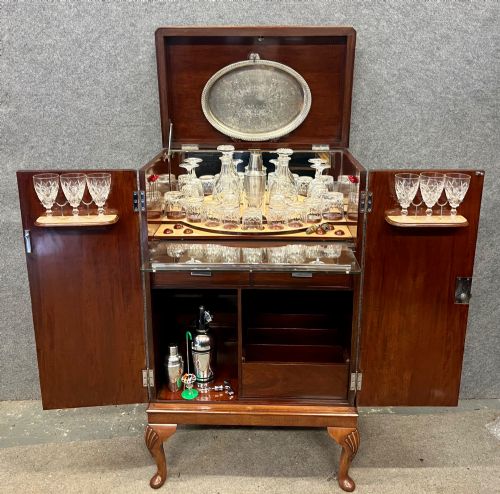
These cabinets are designed to hold liquor bottles, glassware, and mixing tools within dedicated internal compartments. Many feature pull-out shelves or drop-down flaps that serve as preparation counters for mixing drinks.
Interior layouts frequently include mirrored backs and glass shelves to display cocktail glasses effectively. Specialised racks keep bottles secure during everyday use.
How do I identify a 1930s piece?
Pieces from the 1930s typically display clean geometric lines, symmetrical wood veneers, and polished chrome or brass hardware. The construction relies heavily on burr walnut and figured walnut surfaces characteristic of the art deco style.
Maker marks or stamps inside drawers can sometimes verify the period and workshop of origin. The presence of specialised cocktail fittings also points directly to interwar entertaining habits.
Where should I place a drinks cabinet?
A drinks cabinet functions well in a dining room, living room, or reception space where guests gather for evening hospitality. Placing the furniture away from direct sunlight protects the walnut veneer and polished finishes from fading.
Sufficient clearance around the unit is necessary to allow drop-down flaps and doors to open fully. Positioning the cabinet on a level floor ensures that internal drawers and sliding shelves operate smoothly.
How do I clean walnut veneer?
Routine maintenance involves dusting the walnut surfaces gently with a soft, dry cloth to prevent dirt accumulation. Avoid using harsh chemical sprays or abrasive cleaners that can damage the polished wood finish.
Moisture should be kept away from the veneer to prevent warping or lifting of the grain. Occasional treatment with a suitable furniture wax helps maintain the natural lustre of the timber.