




Art Deco Glass Centrepiece
An art deco glass centrepiece brings dramatic form and light to a dining table.
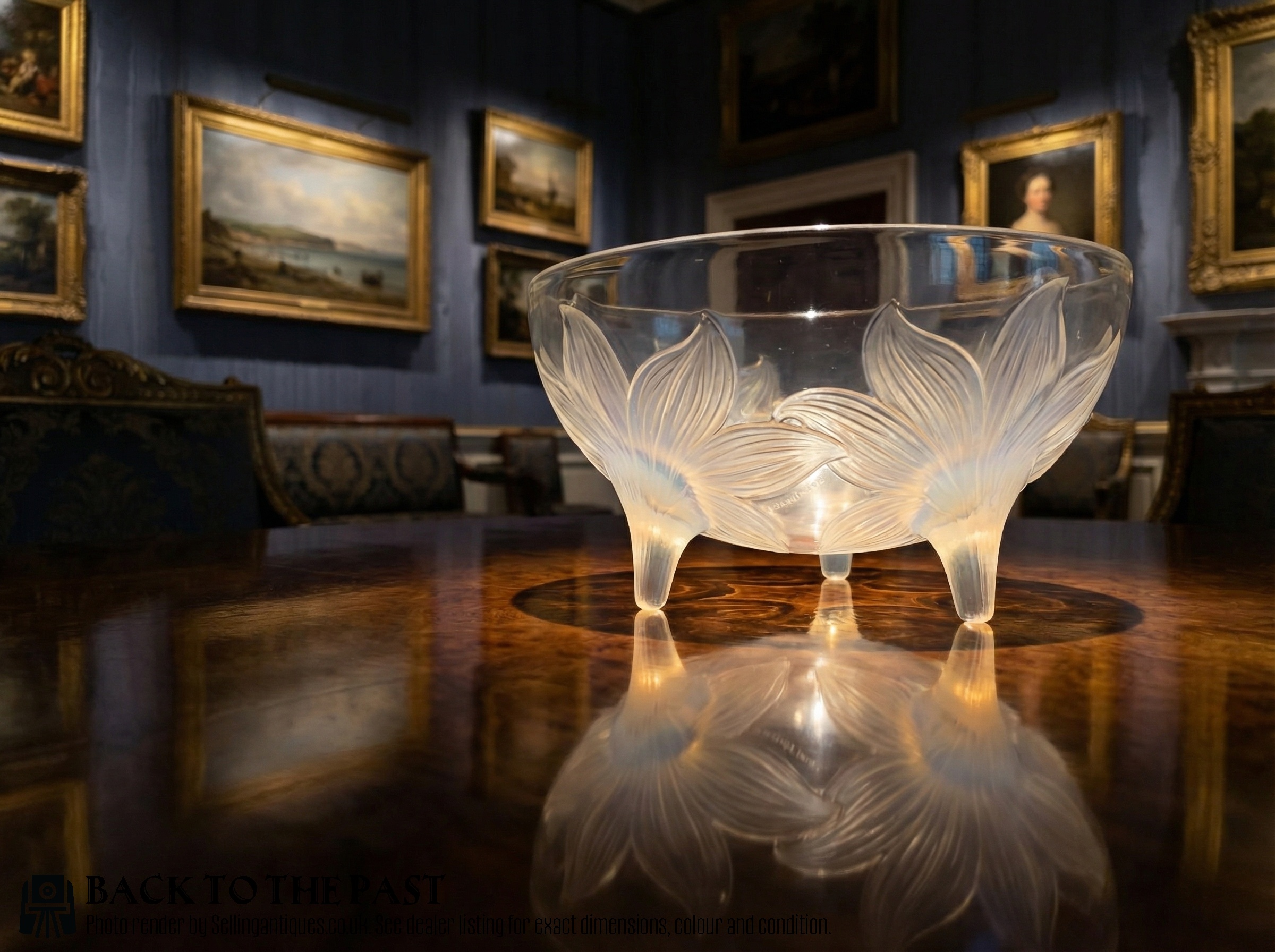
Art Deco Glass Centrepiece
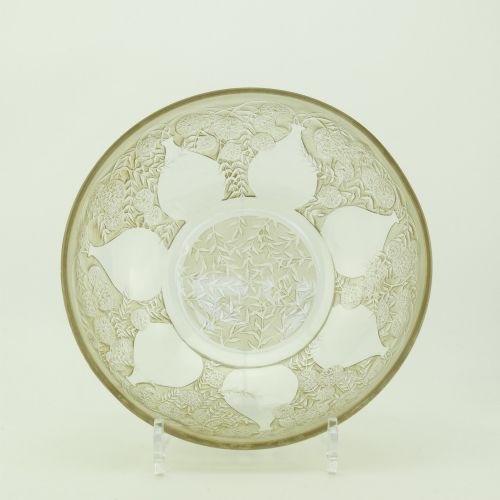
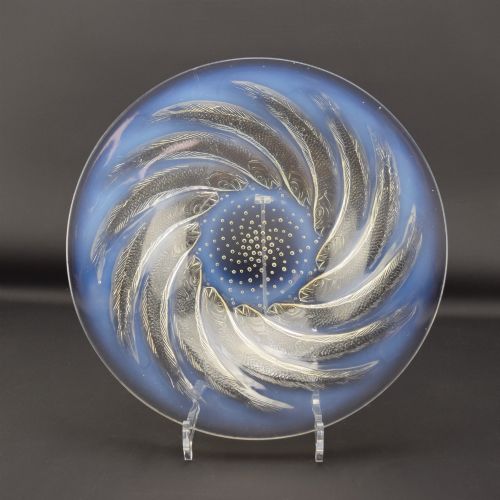
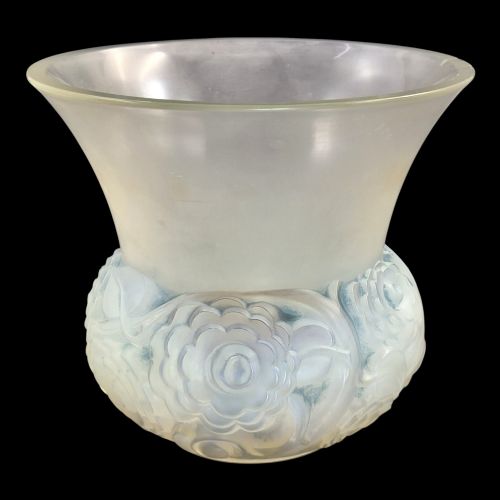
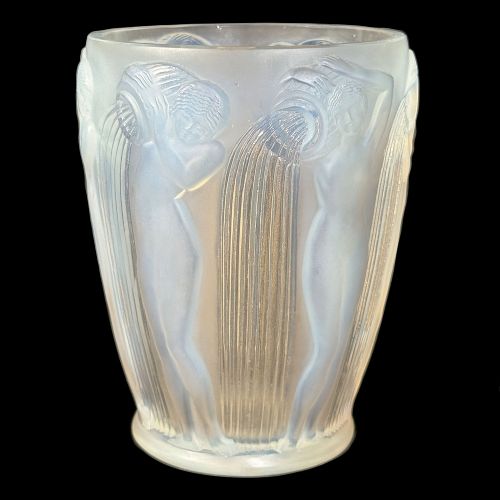
An art deco glass centrepiece serves as a striking focal point for a table, encompassing decorative bowls, vases, baskets, chargers and comports. These vessels draw the eye through bold geometric lines or fluid natural motifs.
The pieces appearing most frequently span the 1920s and 1930s, reflecting the height of the Art Deco movement. Examples range from shallow coupe ouvert bowls to pedestalled tazas designed to command a room.
Origins stretch across Britain, France, Belgium and Italy, uniting diverse European glassmaking traditions under a single modernist aesthetic. French moulded works and British studio pieces dominate the selections.
How they were made
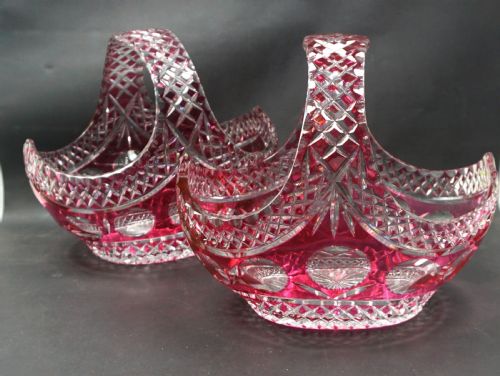
Makers utilised pressed, moulded and clear glass alongside lead crystal, building heavy forms capable of holding deep colour and intricate relief. Techniques such as casing layers of different coloured glass allowed artists to achieve rich visual depth.
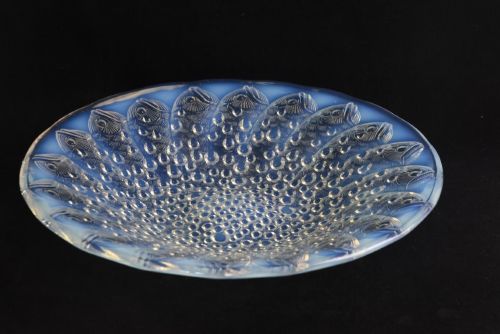
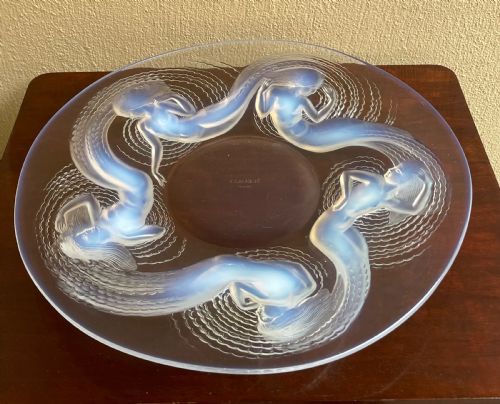
Opalescent and frosted finishes played with ambient light, causing surfaces to shift tone depending on the angle of view. Enamel details and acid etching further defined the sculptural contours of the vessels.
Art Deco Glass Centrepiece Retail Price Guide 2026
Typical asking prices for art deco glass centrepiece among the pieces listed under this phrase on Sellingantiques today, from the lower quarter to the upper quarter. They describe what is for sale here now, not the wider market.
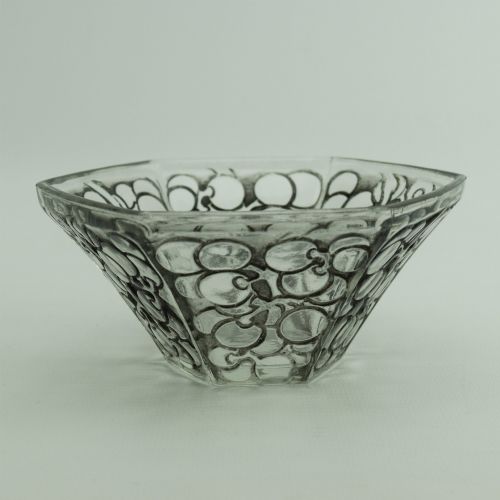
Some bowls feature plump glass blackberries that look entirely ready to pick straight from the sideboard.
What varies in quality
Quality rests in the crispness of the moulded relief and the depth of the opalescence within the glass. Superior pieces display sharp definition in floral or figural motifs without blurring at the edges.
The weight and purity of the metal content in crystal or the harmonious saturation of layered colour set exceptional examples apart from standard production items.
Rene Lalique·Val St Lambert·Monart Glass·Graystan·Etling
The Art Deco Glass Centrepiece Glossary
- Opalescent Glass
- Glass that milky white or bluish appearance which catches light differently across raised surfaces. This effect adds dimensionality to moulded floral designs.
- Coupe Ouverte
- An open shallow bowl form frequently utilised for table centrepieces. These wide vessels display detailed relief carving across the interior base.
- Taza
- A footed cup or shallow vessel raised on a pedestal. It functions to elevate fruit or floral arrangements above the surface of a table.
- Comport
- A decorative dish or bowl mounted on a high foot. They anchor tablescapes by adding vertical interest to dining displays.
- Over Crystal
- A technique involving layers of coloured glass fused over a clear crystal core. Cutting through the top layer reveals contrasting tones beneath.
Art Deco Glass Centrepiece: Frequently Asked Questions
What is an art deco glass centrepiece?
An art deco glass centrepiece is a decorative vessel, such as a bowl, vase, or comport, designed to anchor a table setting. These pieces display the characteristic styling of the 1920s and 1930s.
They combine functional utility with sculptural presence, often featuring moulded floral or geometric motifs. Makers across Europe produced them in opalescent, frosted, and coloured glass.
How do I style a glass centrepiece?
Place the vessel in the middle of a dining table or sideboard where natural light can strike the glass surface. Shallow bowls and tazas work well empty to display their moulded interiors.
Alternatively, fill them with seasonal fruit or glass spheres to complement their depth and colour. Keep surrounding items minimal to let the piece command attention.
How do I identify a Lalique piece?
Rene Lalique pieces typically feature dense opalescent or frosted glass with deep relief moulding depicting flora, fauna, or figures. Look closely at the tactile quality of the surface texture.
Many examples bear signatures or factory marks engraved into the base, though the characteristic weight and milky blue glow of the glass remain key indicators.
What is uranium glass?
Uranium glass contains trace amounts of uranium dioxide added to the batch as a colouring agent before melting. This produces a distinct green or yellow shade in normal light.
When exposed to ultraviolet light, these vessels emit a vivid green fluorescence. They were widely utilised for decorative comports and bowls during the early twentieth century.