


Art Deco Decorative Dish
An art deco decorative dish brings geometric rhythm and striking modernist flair to a surface.
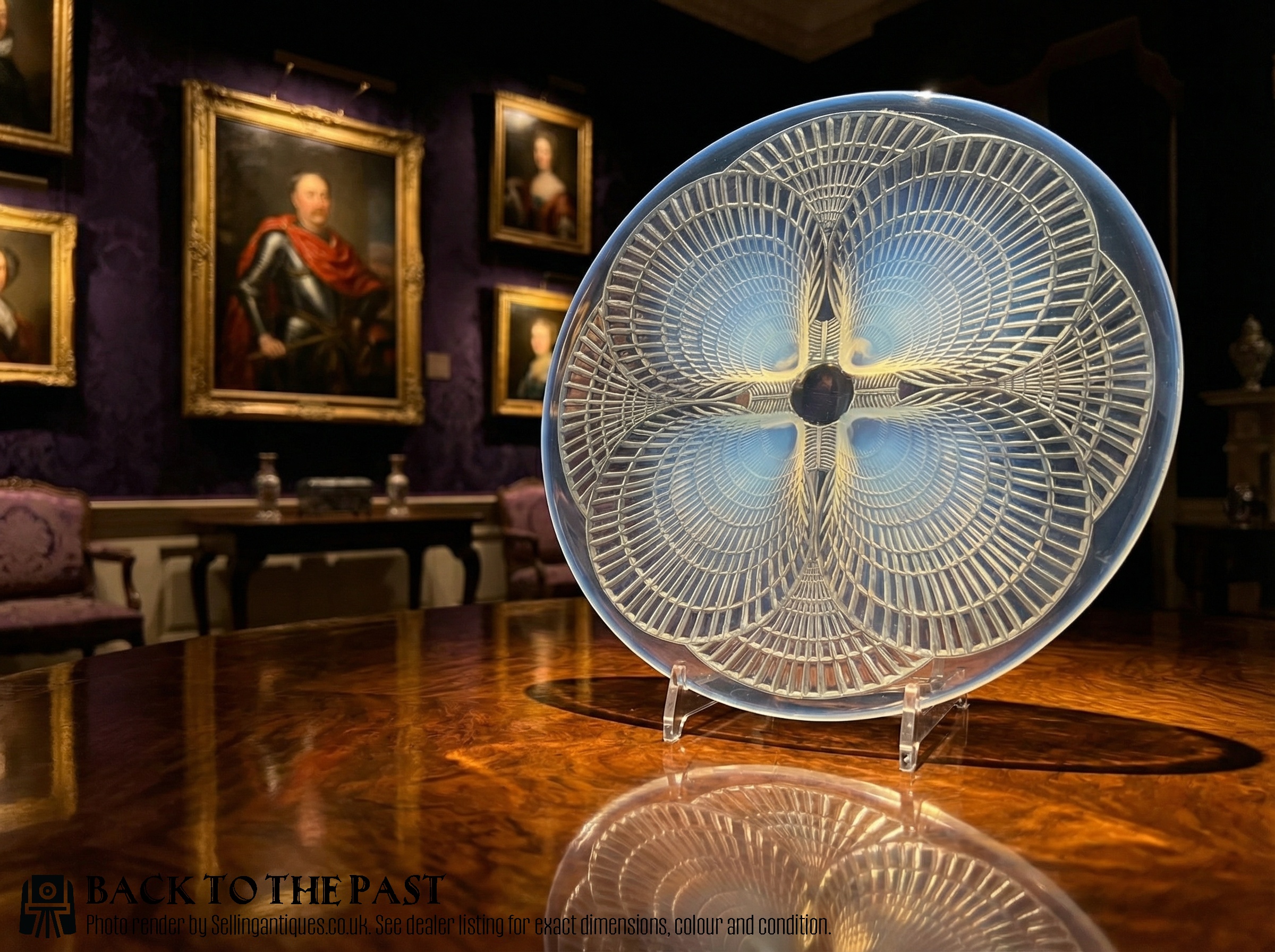
Art Deco Decorative Dish
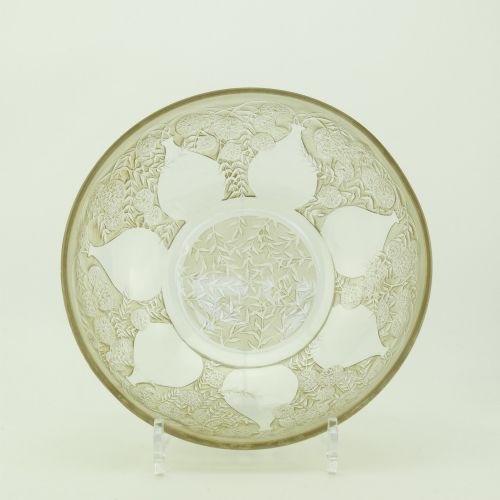
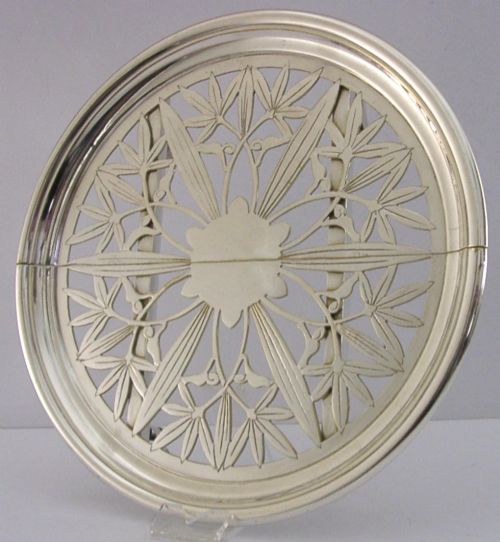
When searching for an art deco decorative dish, collectors encounter pieces spanning the early twentieth century, particularly the nineteen-twenties and nineteen-thirties, alongside Edwardian examples. The selection includes decorative bowls, plates, chargers, tazzas, trinket boxes, and serving dish stands.
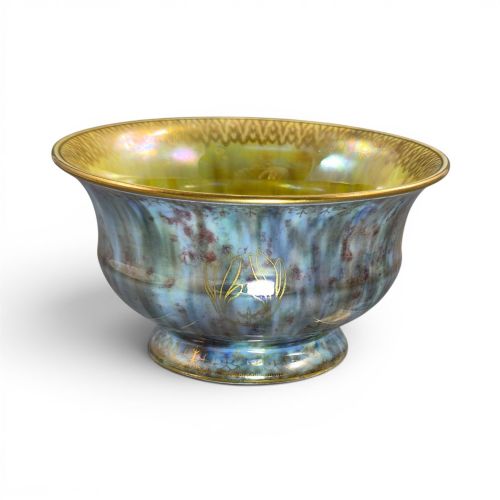
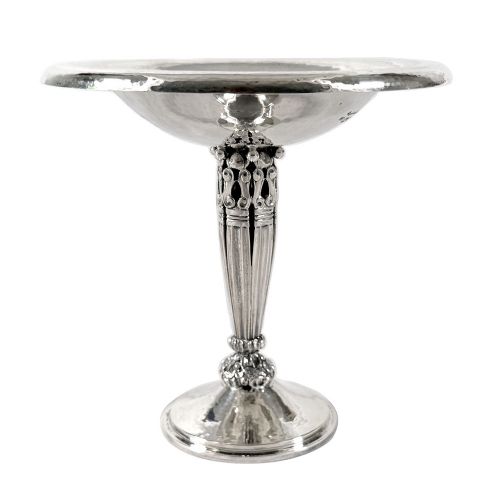
The dominant aesthetic draws on Art Deco and Art Nouveau design principles, with occasional Scandinavian modern influences. Forms range from shallow opalescent glass vessels to patterned earthenware bowls and silver plate stands.
Materials and methods
Maker workshops utilised glass and earthenware as primary mediums, employing moulding techniques to achieve tactile depth, especially in opalescent and crystal pieces. Glazes, gold leaf, and sepia staining added surface dimension and tonal variation.
Metal components involved silver plate and pewter, shaped into stands, trays, and tazzas. Potteries applied lustrous finishes and high-fired techniques to earthenware and porcelain bodies.
Listings span the Edwardian era through the nineteen-thirties, featuring opalescent glass, earthenware, and silver plate.
Assessing quality
Quality rests upon the crispness of the moulded relief and the depth achieved in opalescent or stained glass. Pieces demonstrating sharper detail in motifs such as fish, flora, or figurative designs stand apart from softer pressings.
The sophistication of surface finishes, from lustrous glazes to applied gold leaf and precise silver plating, defines the upper tier of the range. Maker attribution and clear factory marks further distinguish finer examples.
Rene Lalique·Charles Boyton·Val St. Lambert·Clarice Cliff·Charlotte Rhead
The Art Deco Decorative Dish Glossary
- Opalescent Glass
- Glass that diffuses light to display milky or iridescent blue and amber tones, frequently utilised in nineteen-thirties decorative bowls.
- Lustre
- A metallic or iridescent glaze finish applied to pottery, creating a reflective surface sheen seen on earthenware bowls.
- Tazza
- A small decorative cup or shallow bowl raised on a pedestal foot and stem, often fashioned in silver plate.
- Salver
- A flat plate or tray used for serving or display, produced in moulded glass during the Art Deco period.
Art Deco Decorative Dish: Frequently Asked Questions
What defines an art deco decorative dish?
These pieces combine functional vessel forms with modernist motifs, geometric patterns, or stylised figures characteristic of the interwar decades.
Materials typically include moulded glass, earthenware, and silver plate originating from the nineteen-twenties and nineteen-thirties.
How were opalescent glass bowls made?
Makers pressed molten glass into metal moulds to shape intricate reliefs of flora, fauna, or figures.
Cooling and chemical agents within the glass mixture created the characteristic milky and luminous opalescent effects.
Where were these decorative items produced?
Production centred across European workshops and factories, particularly in France, Belgium, and Britain.
Prominent designers and potteries contributed distinct regional styles, ranging from French moulded glass to British earthenware.
How should I display a glass charger?
Glass chargers and large plates suit flat display on tables, sideboards, or dedicated stands to capture natural light.
Positioning them away from direct heat protects the glass structure and highlights the opalescent or stained details.