



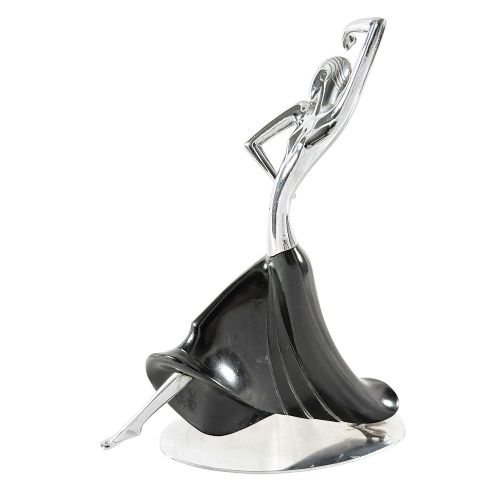
Art Deco Dancer Figure
These figures capture movement in bronze, spelter, and cold paint, offering the signature rhythm and stylized energy of twentieth-century design.
Art Deco Dancer Figure
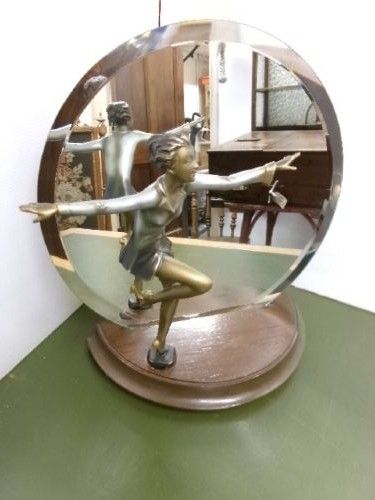
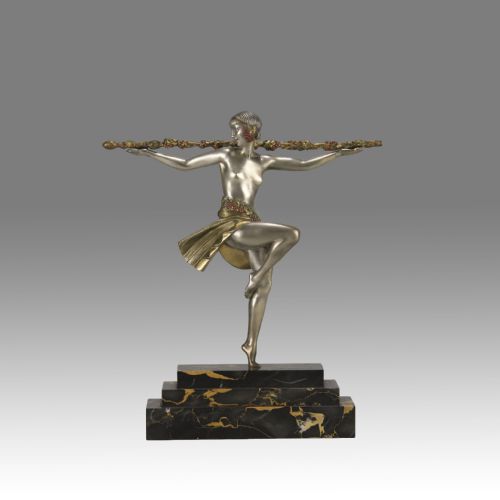
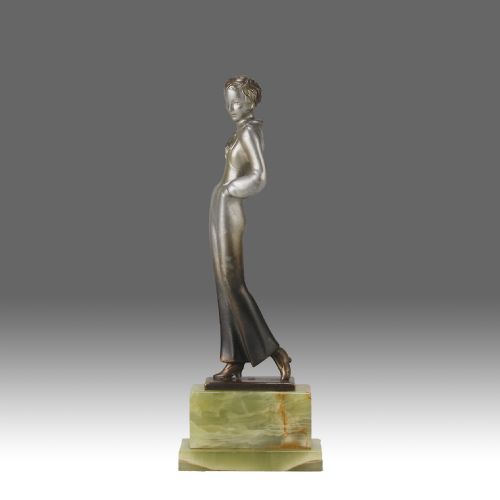
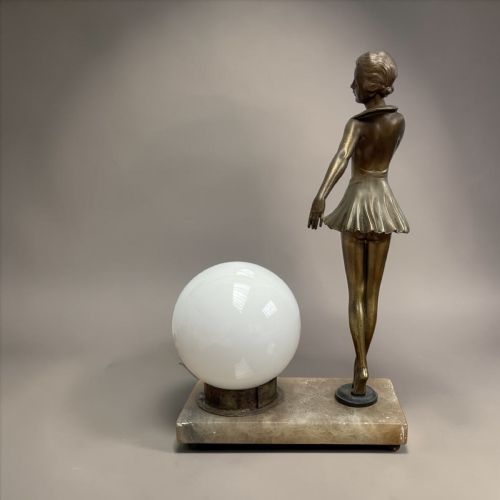
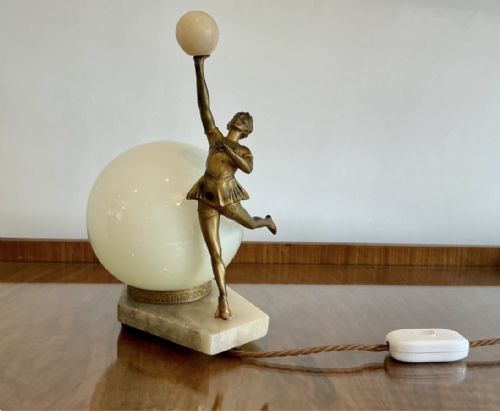
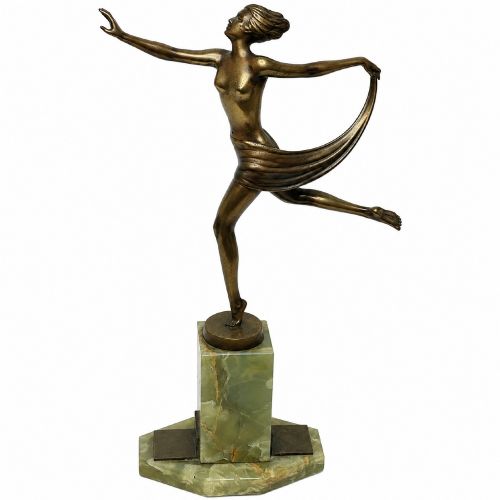
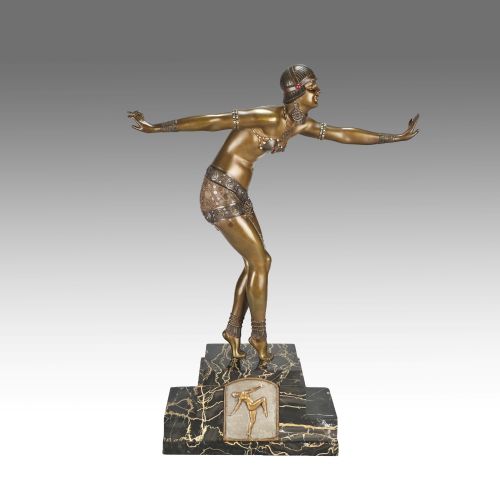
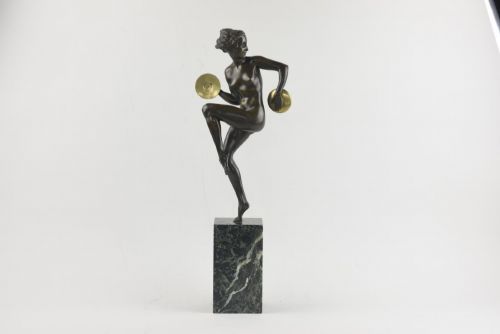
When searching for an art deco dancer figure, collectors encounter dynamic representations of motion cast primarily during the early decades of the twentieth century. These pieces span compact cabinet statues to large sculptural table lamps integrated with marble or onyx bases.
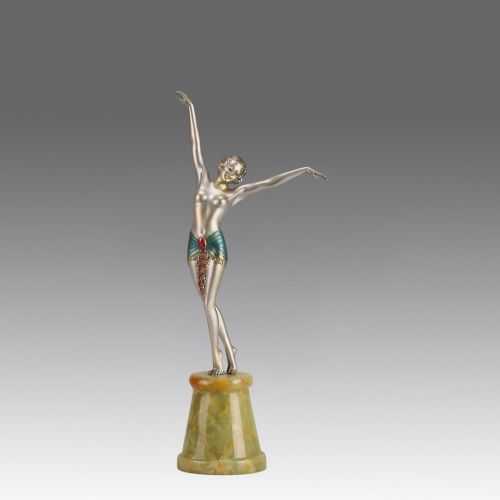
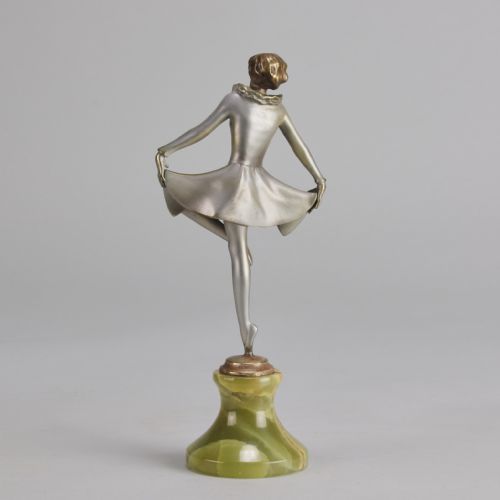
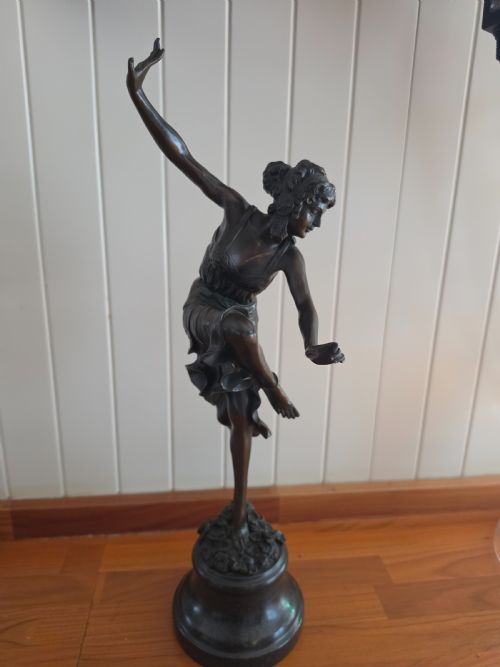
The most common examples on this page are patinated or cold-painted bronze figures depicting female dancers with outstretched arms, scarves, or hoops. Originating largely from French and Austrian studios, these works reflect the fascination with ballet, cabaret, and exotic performance during the interwar period.
Materials and casting methods
Foundry workers utilised the lost-wax casting method for bronze editions, capturing intricate drapery and posture before applying patination, silvering, or cold-painted polychrome finishes. Spelter served as a more accessible alternative metal, often treated with metallic paint to simulate genuine bronze.
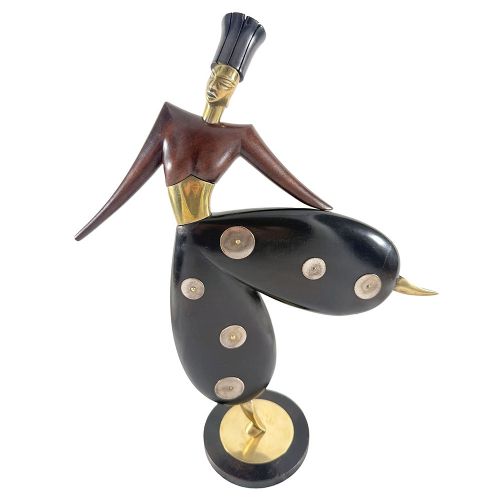
Plinths and bases commonly feature contrasting natural materials such as multi-toned marble, banded onyx, and alabaster, which anchor the slender verticality of the figures. Selected works integrate glass elements or wooden components to achieve distinct textural variety.
Listings feature works spanning the 1910s to the 1940s, executed in bronze, spelter, marble, onyx, and carved wood.
Distinctions in execution and finish
Lesser pieces cast in spelter or late alloy runs often exhibit softened details, tool marks from rushed cleanup, and replacement mounting hardware. The presence of a clear foundry mark or artist signature elevates the desirability of a casting.
Pierre le Faguays·Josef Lorenzl·Demetre Chiparus·Claire Jeanne Roberte Colinet·Paul Philippe·Ferdinand Preiss·Bruno Zach
The Art Deco Dancer Figure Glossary
- Cold-painted
- A technique where pigment is applied to metal sculptures without subsequent firing, prone to gentle flaking over decades.
- Spelter
- A zinc alloy commonly used as a cost-effective substitute for bronze in decorative figures.
- Patination
- The chemical treatment applied to metal surfaces to produce deliberate coloration and ageing effects.
- Chryselephantine
- A sculpture combining metal elements with carved ivory sections, typical of luxury interwar statuary.
- Onyx
- A banded variety of chalcedony frequently shaped into stepped, geometric bases for sculptural displays.
Art Deco Dancer Figure: Frequently Asked Questions
How do I identify a spelter figure?
Spelter is lighter than bronze and often reveals a dull grey metal beneath chips in the surface finish. It tends to feel softer to the touch.
Inspect the underside or hidden areas where the original patination has worn away to confirm the base metal composition.
Were these figures meant to be lamps?
Certain models incorporate light fixtures or onyx lamp bases designed to illuminate frosted glass globes from beneath. Many others were created purely as freestanding decorative sculptures.
Examine the base for original wiring channels or drill holes to determine its original configuration.
How should I clean a cold-painted bronze?
Cold-painted surfaces require gentle dusting with a soft, dry brush to avoid lifting the delicate pigment layers. Avoid liquid cleaners and harsh solvents entirely.
Professional conservation is recommended if deeper cleaning or stabilization of flaking paint becomes necessary.
Why do some figures lack signatures?
Many commercial foundries produced unmarked editions or relied on removable foundry stamps that wore off over time. Unsigned pieces were frequently cast from the same popular models as signed works.
Attribution typically relies on stylistic comparison with documented pieces by known sculptors.