

Art Deco Brass Light
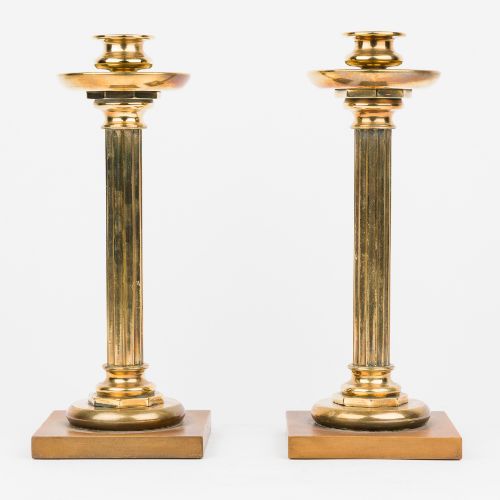
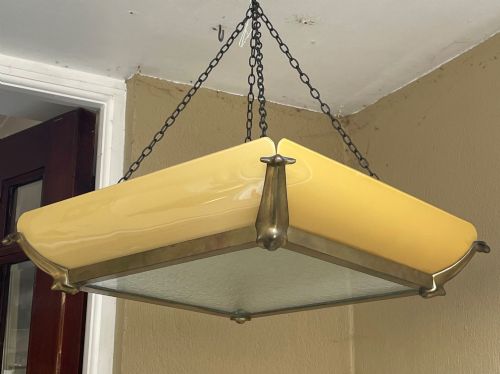
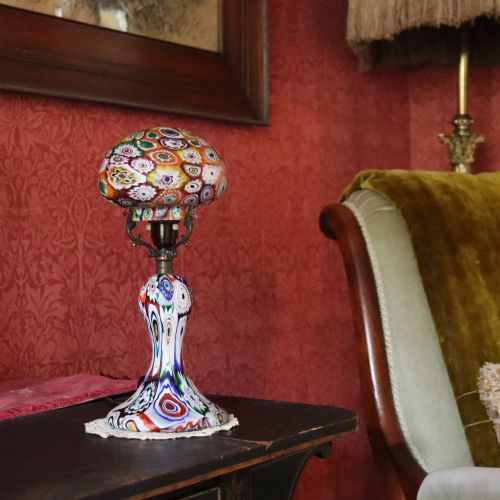
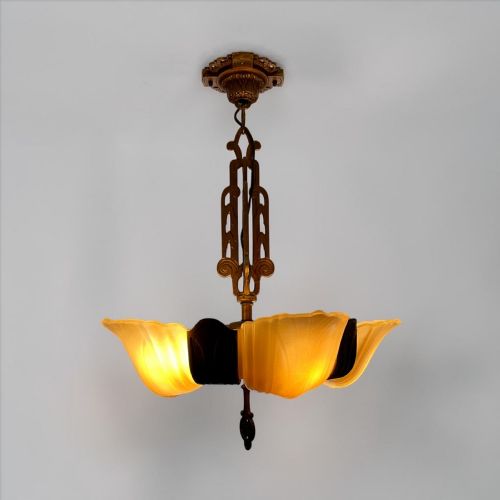
When you search for an art deco brass light, you enter a world of geometric pendants, patinated desk lamps, and polished chandeliers from the early twentieth century.
Art Deco Brass Light
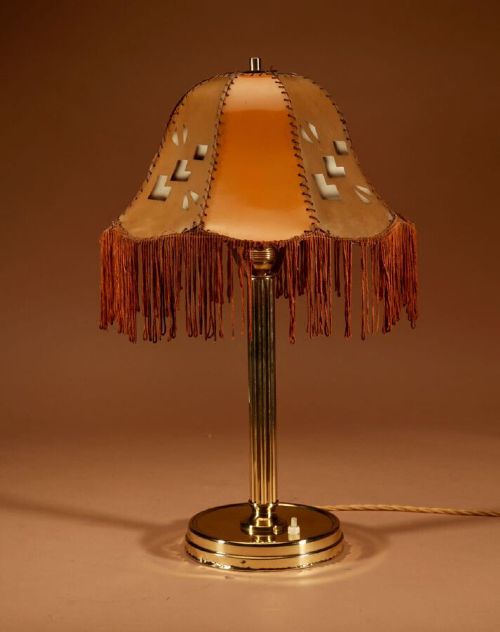
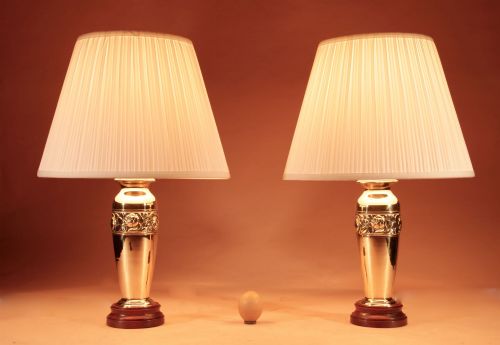
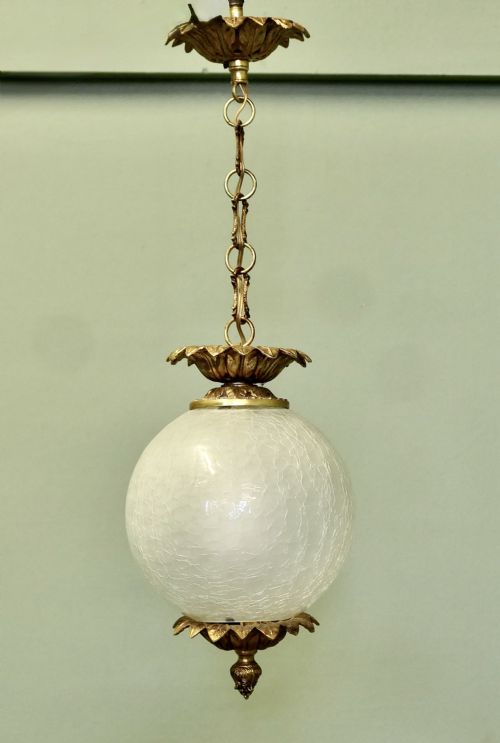
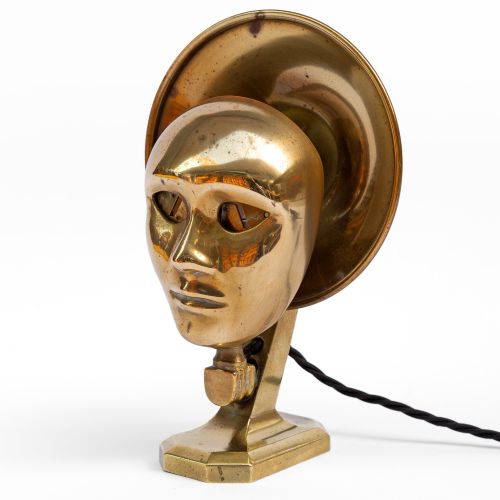
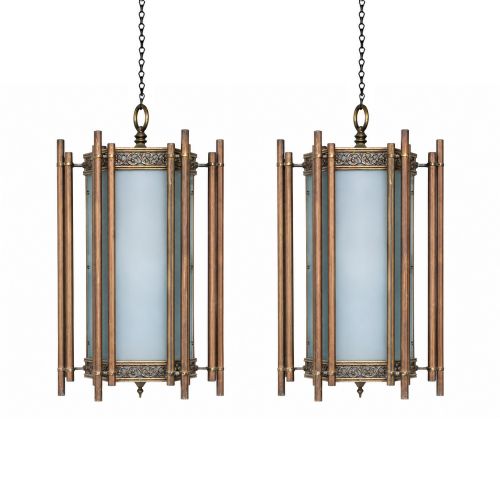
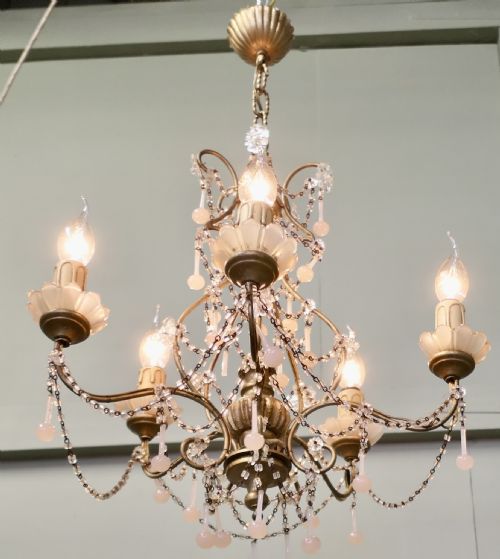
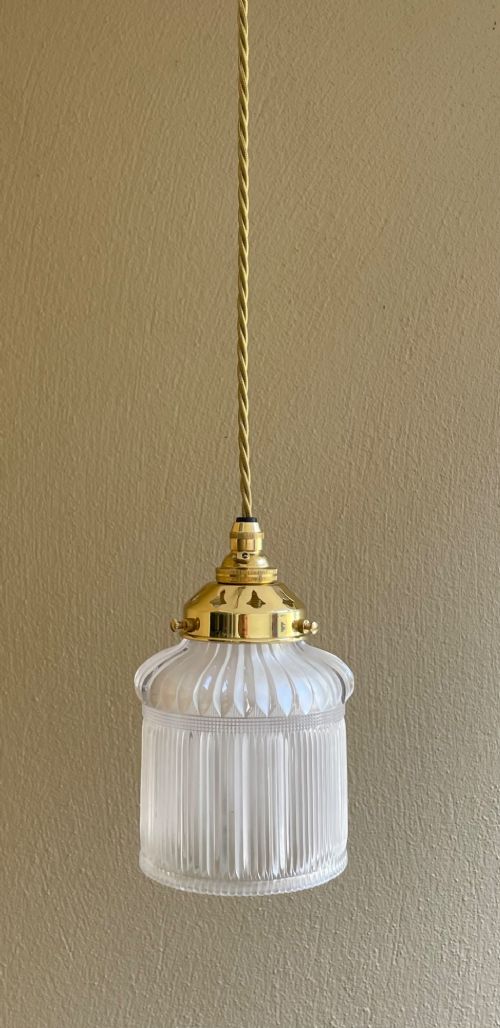
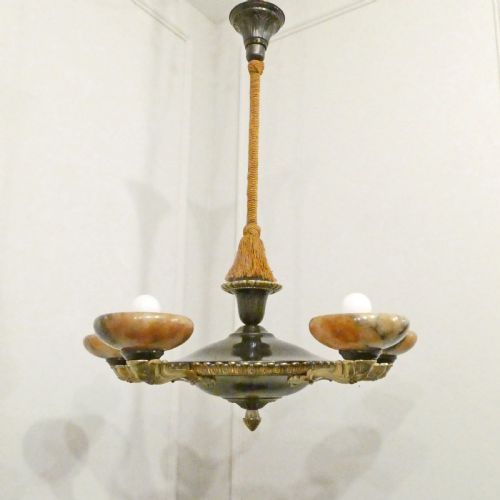
An art deco brass light encompasses a diverse group of domestic and architectural illuminations, most frequently encountered here as pendant lights, table lamps, and chandeliers originating from the nineteen-twenties and nineteen-thirties.
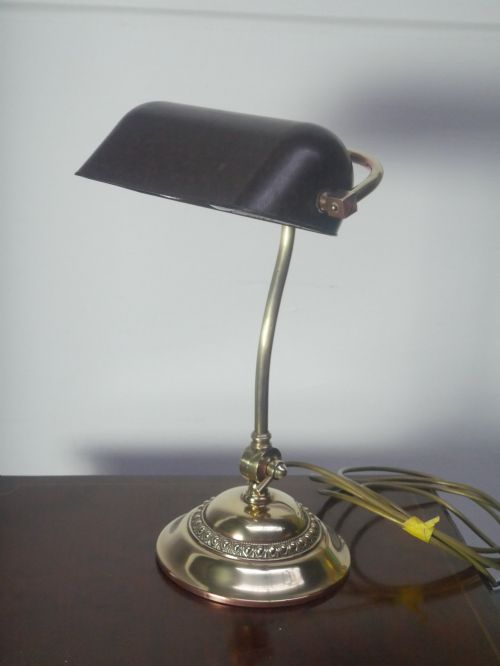
The selection ranges from industrial desk lamps and bankers lamps with adjustable angles to decorative wall sconces and grand hanging lanterns featuring glass shades.
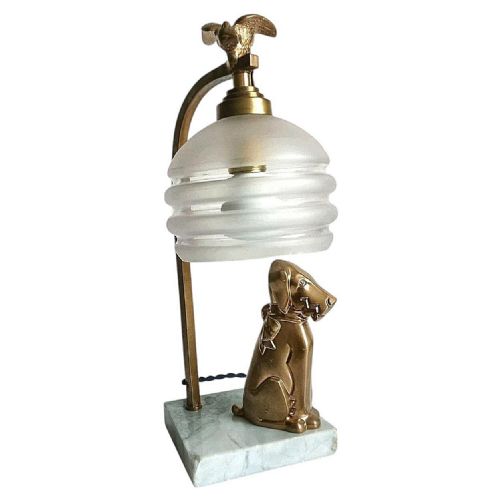
Pieces frequently combine polished or patinated brass with opaline, frosted, or cut glass elements, alongside occasional examples incorporating marble or bronze.
How they were made
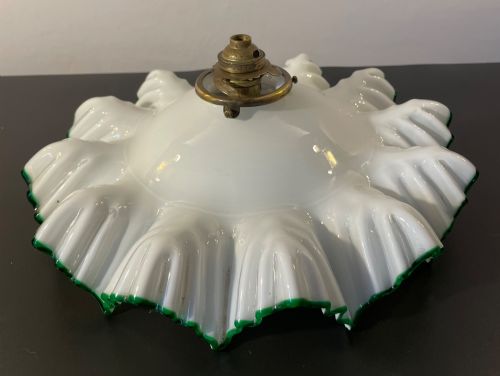
Maker workshops utilised sheet and cast brass combined with specialised glass techniques, producing slip shades, opaline globes, and moulded shades that defined the period aesthetic.
Metal components involved turning, casting, and hand-finishing, often paired with articulated joints, heavy marble bases, or patinated copper and bronze details.
Keep an eye out for whimsical novelty table lamps shaped as dogs and parrots ready to brighten a room.
What varies in quality
Quality rests in the substantial weight of the cast brass, the precision of the articulated mechanisms on desk and standard lamps, and the artistic integrity of the glass shades.
Superior examples display crisp casting details, original patination, and harmonious proportions between the metal framework and the associated glass or fabric elements.
Fratelli Toso·Polaire of Paris
The Art Deco Brass Light Glossary
- Opaline glass
- A type of milky, translucent glass used widely for shades to diffuse light evenly across a room.
- Slip shade
- A moulded piece of glass that slides directly into a metal frame on a ceiling light or chandelier.
- Pricket candlestick
- A candle holder featuring a sharp spike at the centre to secure the candle in place.
- Amsterdam School
- An architectural and design style originating in the Netherlands, noted for rounded brickwork and expressionist metalwork.
- Gallery
- The metal ring or collar designed to hold a glass lampshade securely onto a pendant or table fixture.
Art Deco Brass Light: Frequently Asked Questions
How do I date an art deco brass light?
Dating relies on stylistic markers such as strict geometric lines, stepped motifs, and the specific pairing of brass with moulded opaline or crackle glass typical of the interwar decades.
Comparison with documented pieces from the nineteen-twenties and nineteen-thirties further clarifies the manufacturing period.
Were these lights originally wired for electricity?
Many fixtures from this era were designed for electricity, particularly table lamps and chandeliers, though some earlier conversions incorporated gas fittings.
Desk lamps and adjustable standards often retain early flexible tubing and switches indicative of their period of use.
What is the difference between opaline and frosted glass?
Opaline glass is an opaque or semi-translucent white material created during the manufacturing process to soften glare while emitting a warm glow.
Frosted glass typically achieves its texture through acid-etching or sandblasting a clear surface rather than using opaque chemical compounds.
Can I use modern bulbs in these vintage fixtures?
Most antique fixtures accommodate modern LED bulbs provided the wattage and physical dimensions align with the original shade capacity.
Checking the holder size and ensuring the internal wiring meets safety standards remains essential before installation.