




Vintage Boudoir Lamp
These vintage boudoir lamp examples offer delicate illumination and decorative charm, combining period craftsmanship with intimate scale.
Vintage Boudoir Lamp
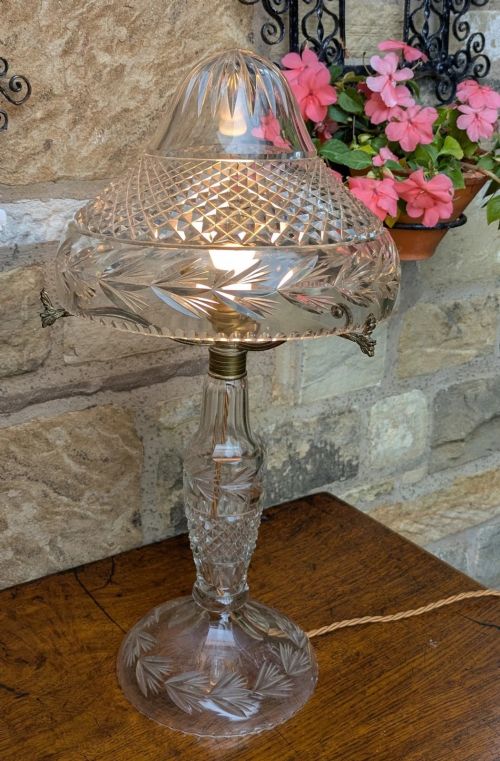
A vintage boudoir lamp brings period illumination to small spaces, typically taking the form of a diminutive table lamp or reading light designed for bedrooms and dressing rooms. The selection includes pieces from the Victorian, Edwardian, and Art Deco eras, alongside French Chateau, Art Nouveau, and Jugendstil aesthetics.
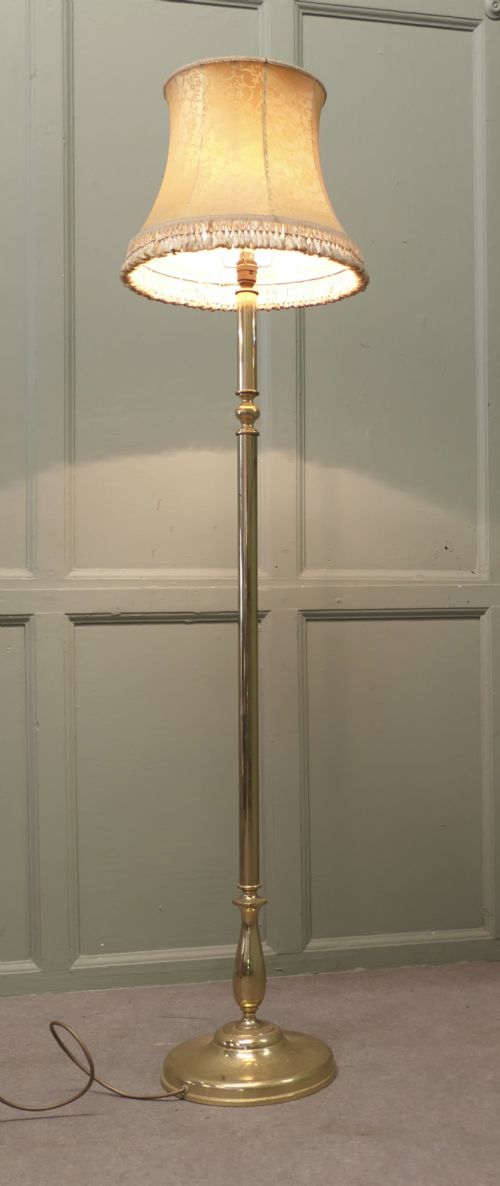
Most examples function as table lamps, though floor lamps and wall lights also appear within the selection. Materials span brass, bronze, and pressed brass paired with cut glass, lead crystal, frosted glass, and fabric elements.
Materials and construction methods
Makers utilised cast and pressed metals such as brass, bronze, and nickel for the structural bases and frames. These metal components frequently support shades formed from cut glass, lead crystal, or amber frosted glass.
Specialised techniques include the incorporation of glass cabochons and specialised glass shades produced by glasshouses like Muller Bros and Degue. Certain designs combine wrought iron or porcelain with gilt bronze accents.
Listings feature periods spanning from Victorian and Edwardian eras through to Art Deco and Jugendstil designs.
Assessing quality in period lighting
The standard of a piece rests upon the weight and finish of the metalwork, whether cast bronze, heavy brass, or nickel. Precision in the cutting of crystal and glass shades distinguishes finer examples.
Attribution to known glassmakers or workshops elevates an object, as seen in signed shades or documented forms. The integrity of original components and the finesse of decorative detailing dictate overall execution.
Georges Leleu·Muller Bros·Degue·Stuart Crystal
The Vintage Boudoir Lamp Glossary
- Boudoir lamp
- A small decorative light fixture traditionally used in a private dressing room or bedroom. These pieces offer softer illumination than main room lighting.
- Cut glass
- Glass decorated by carving facets and patterns into the surface using a wheel. This technique enhances the refractive quality of crystal.
- Frosted glass
- Glass rendered opaque through acid-etching or sandblasting. It diffuses light evenly to reduce glare.
- Jugendstil
- The continental European variant of Art Nouveau, prominent around nineteen hundred. It emphasises organic plant motifs and flowing lines.
- Gilt bronze
- Bronze coated with a thin layer of gold or gold-coloured alloy. This finish prevents tarnishing and adds a rich metallic lustre.
Vintage Boudoir Lamp: Frequently Asked Questions
What is a boudoir lamp?
A boudoir lamp is a small decorative lighting fixture designed for intimate spaces like bedrooms or dressing tables. They provide subdued illumination rather than bright room lighting.
Historically, these smaller lamps sat on dressing surfaces or bedside tables, functioning as both practical light sources and decorative ornaments.
What materials were used?
Makers utilised a range of metals including brass, bronze, pressed brass, and wrought iron for the bases and structures. Glass elements include cut crystal, lead crystal, and amber frosted glass.
Selected examples also combine porcelain and gilt bronze or feature specialised fabric shades.
Where were these lamps placed?
These fixtures were designed for domestic spaces requiring soft, localised lighting such as bedrooms, boudoirs, and private sitting rooms. Table lamps and small reading lamps predominated.
Wall lights and occasional floor lamps were also utilised to create ambient lighting in smaller residential rooms.
How do I distinguish Edwardian from Victorian lighting?
Victorian lighting tends to feature heavier brass construction and ornate revival styles influenced by historicism. The decoration is often more elaborate and dense.
Edwardian lighting generally adopts lighter proportions and cleaner lines, anticipating the transition into Art Nouveau and early twentieth-century design.