
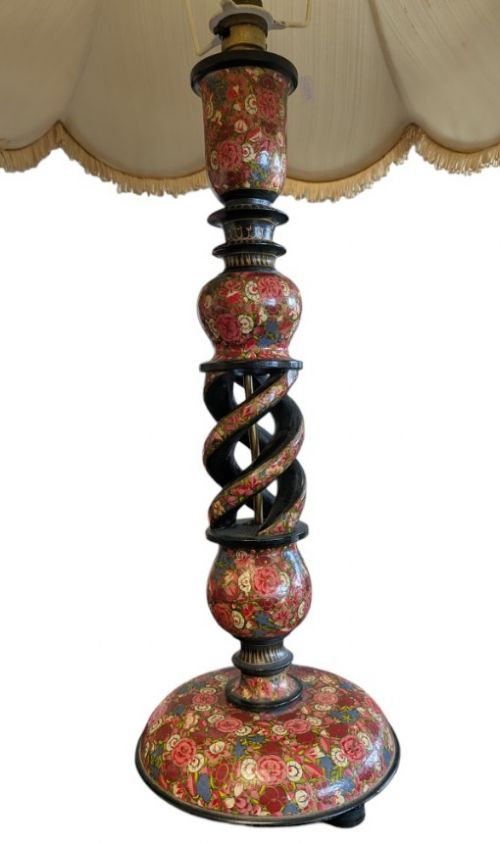


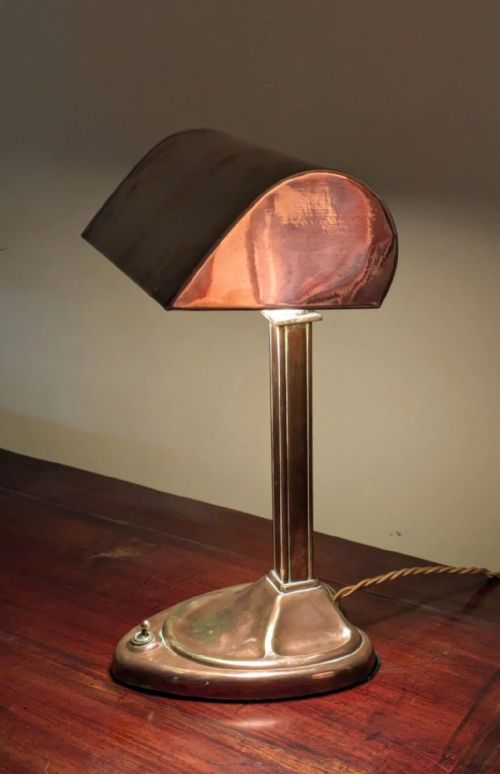


1920s Desk Lamp
A 1920s desk lamp brings period illumination and functional form to a workspace through durable metal and glass construction.
1920s Desk Lamp
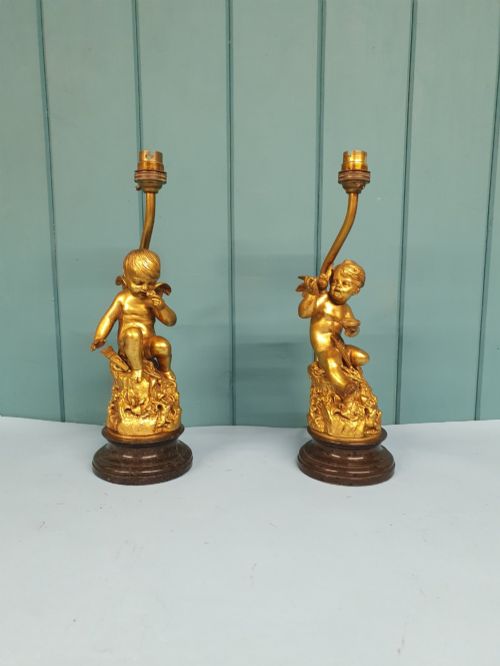
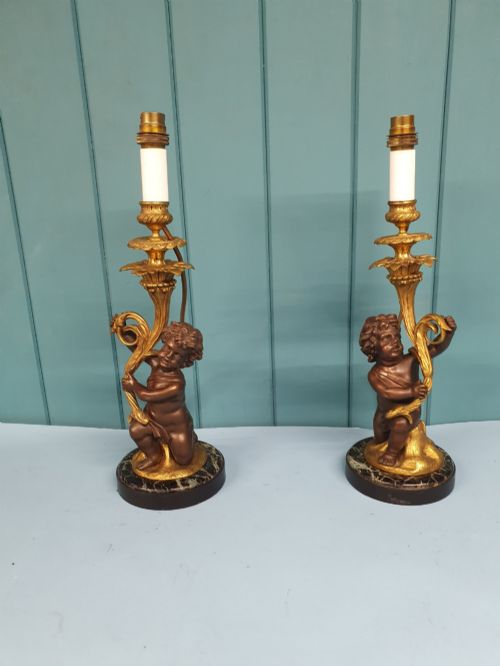
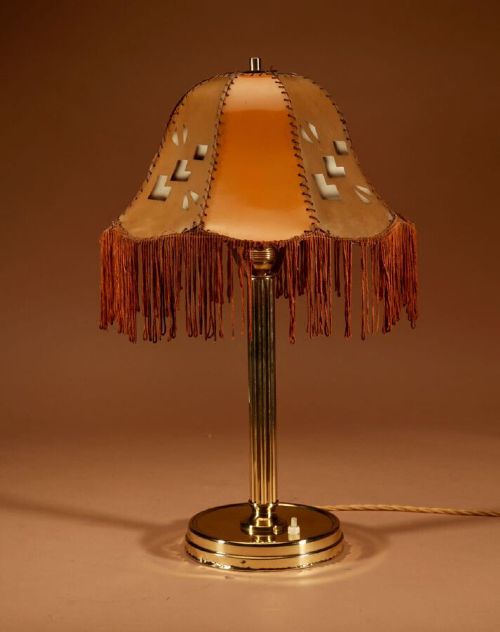
When a buyer searches for a 1920s desk lamp, they encounter task lighting built during an era of significant industrial and artistic transition. The selection includes flexible brass models with adjustable arms, heavy chrome and metal task lights, and decorative figural pieces influenced by Art Deco aesthetics.
Most examples originate from the 1910 to 1940 window, spanning Edwardian transitional designs through classic Art Deco forms. Functional brass and chrome adjustable lamps appear alongside ornamental pieces utilising bronze, alabaster, porcelain, and glass elements.
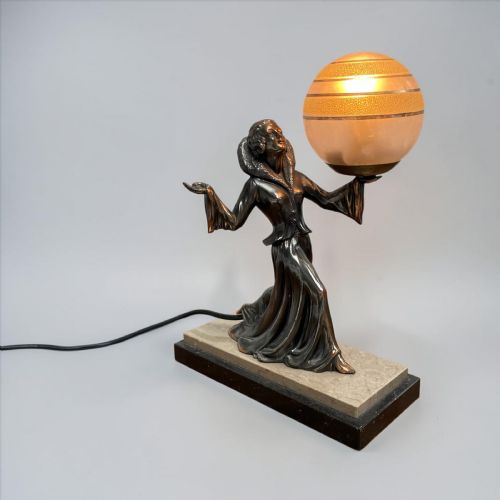
Beyond standard office lighting, the category encompasses specialised figural lamps featuring painted ladies, nautical motifs, and stylized animal forms. These objects combine practical illumination with the distinct sculptural qualities of the period.
Materials and Construction Techniques
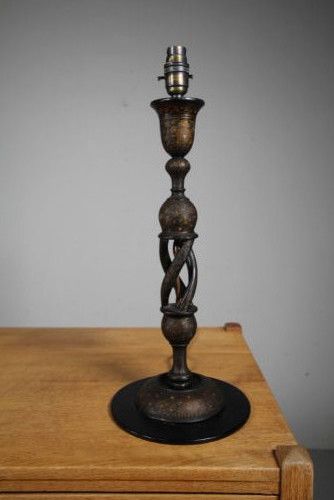
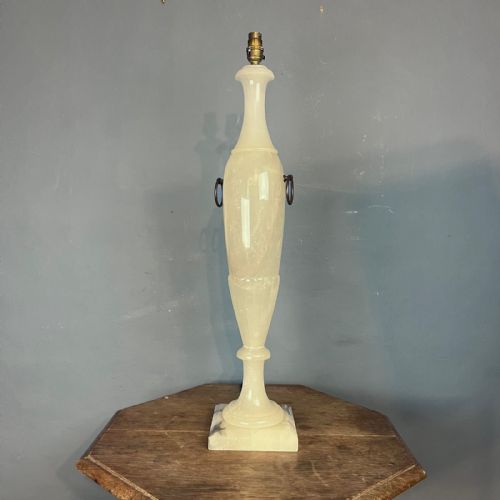
Makers utilised a diverse range of metals including solid brass, polished white metal, chrome, silver plate, and wrought iron for structural frames and adjustable arms. Heavier bases frequently incorporate carved marble, onyx, or alabaster to provide stability for articulated lighting stems.
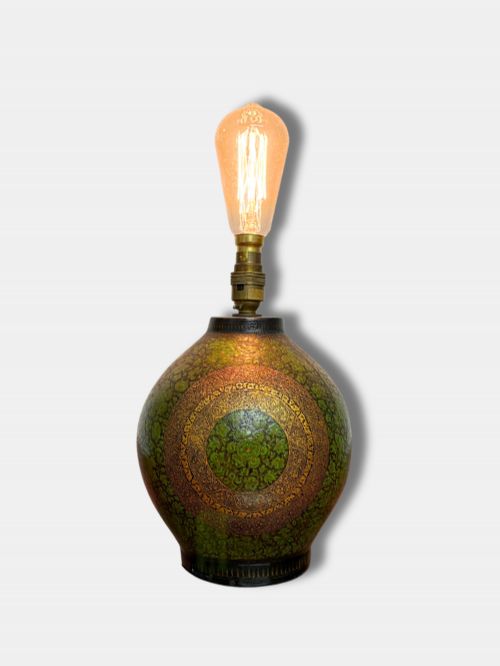
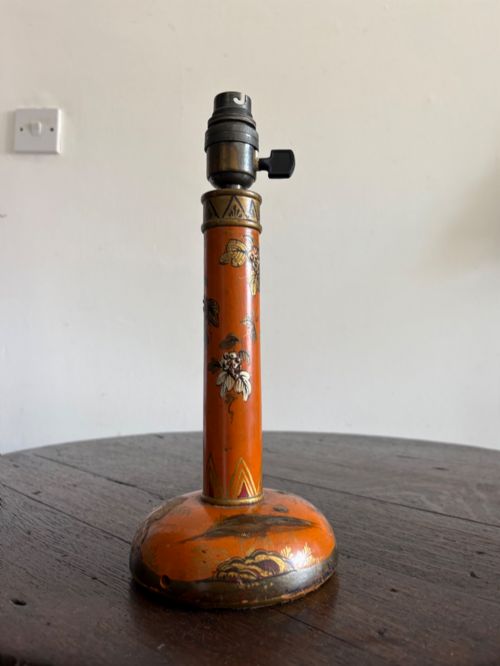
Shades and diffusers display specialised glass techniques such as frosted, opaline, and moulded finishes alongside fabric, parchment leather, and original metal shells. Figural components employ cold painted bronze, cast porcelain, and hand-painted lacquer applied to wood or metal substrates.
1920s Desk Lamp Retail Price Guide 2026
Typical asking prices for 1920s desk lamp among the pieces listed under this phrase on Sellingantiques today, from the lower quarter to the upper quarter. They describe what is for sale here now, not the wider market.
Listings feature materials spanning brass, bronze, chrome, alabaster, marble, and frosted glass across the 1920 and 1930 periods.
Distinctions in Quality and Execution
Superior examples demonstrate precision in mechanical joints, flexible goosenecks, and weighted bases that maintain balance across various angles of extension. Finer pieces retain original shades, wiring components, and specialised surface patination such as cold painting or fine gilding.
The refinement of cast figural elements, from bronze dancers to carved alabaster figures, separates standard utilitarian lighting from high artistic production. Maker attribution and the retention of delicate auxiliary materials like celluloid or original parchment indicate higher execution levels.
Karl Ens·Anton Buschelberger·Bruno Zach·Farberware
The 1920s Desk Lamp Glossary
- Art Deco
- A design style characterised by streamlined geometric forms, sleek metallic finishes, and stylized figural representations popular during the interwar decades.
- Opaline glass
- A milky, semi-translucent glass type utilised in shades and diffusers to soften light output evenly.
- Cold painted
- A decorative technique where non-fired paint is applied to bronze or metal sculptures, common in figural lamps of the period.
- Adjustable angle
- A mechanical feature allowing the lamp arm or shade to pivot and direct light precisely across a work surface.
1920s Desk Lamp: Frequently Asked Questions
How do I identify a genuine 1920s desk lamp?
Examine the construction materials, heavy cast metal bases, and wiring methods typical of early twentieth-century manufacturing. Look for period-specific styles such as Art Deco geometric lines or industrial brass flexible tubing.
Check for maker signatures, stamps, or characteristic patination on bronze and chrome surfaces that indicate period authenticity.
Are these lamps safe for daily use?
Many surviving examples require rewiring and professional electrical testing to meet modern safety standards. Buyers should check if the piece has been rewired or tested before regular operation.
Preserving original sockets and switches is often possible while updating internal wiring for safe contemporary use.
What materials were commonly used?
Makers predominantly utilised brass, chrome, bronze, and wrought iron for structural stability and adjustable arms. Bases often incorporated heavy stones like alabaster, onyx, or marble.
Shades featured frosted glass, opaline glass, parchment leather, or shaped metal to direct the light.
How should I clean my vintage lamp?
Dust metal and glass components gently with a dry or slightly damp soft cloth to preserve original surface finishes. Avoid harsh chemical cleaners that can strip patination or damage cold-painted details.
Treat marble and alabaster bases with care, as porous stone absorbs moisture and staining easily.