




Arita Porcelain Bowl
An arita porcelain bowl brings centuries of Japanese kiln tradition into the home, prized for vibrant palettes and robust ceramic bodies.

Arita Porcelain Bowl
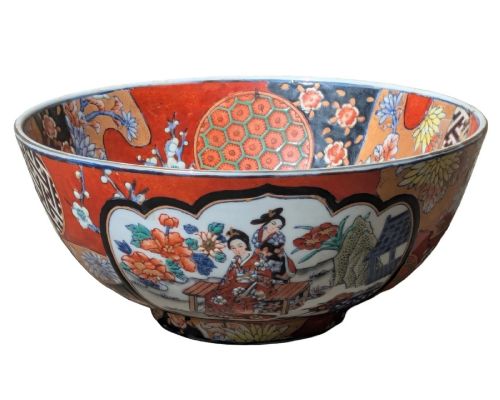
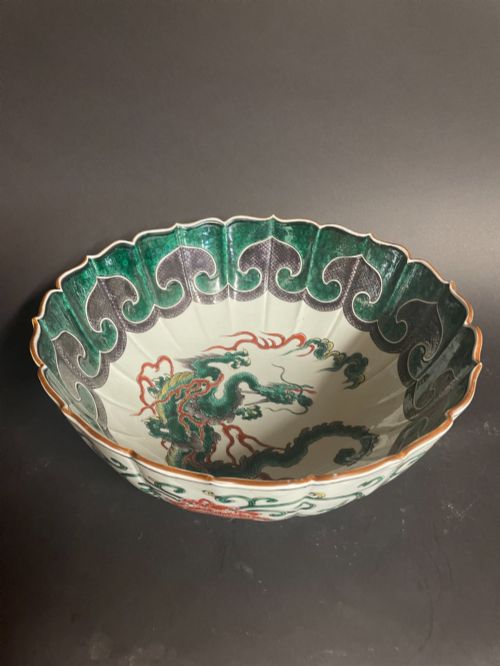
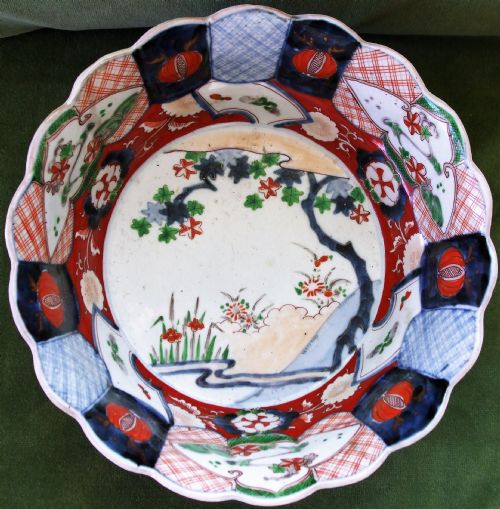
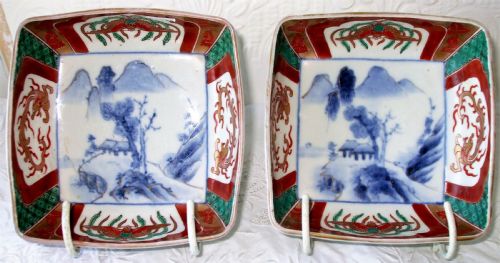
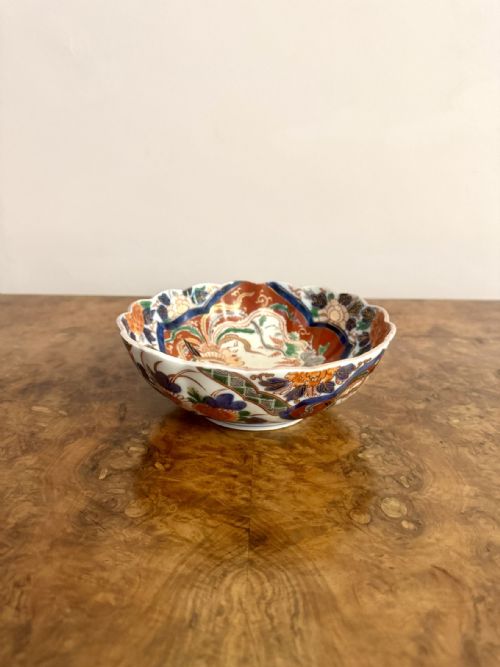
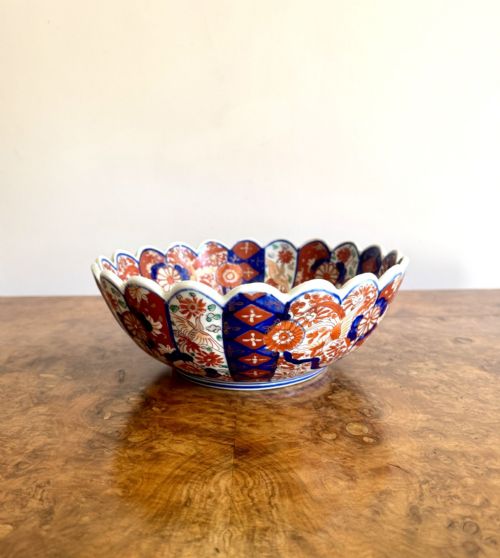
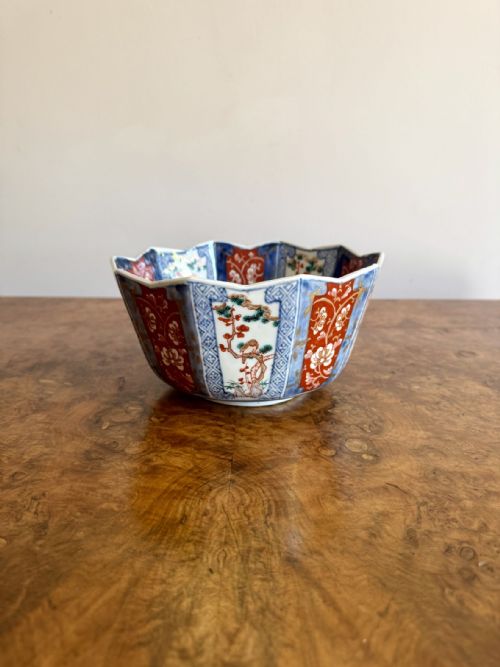
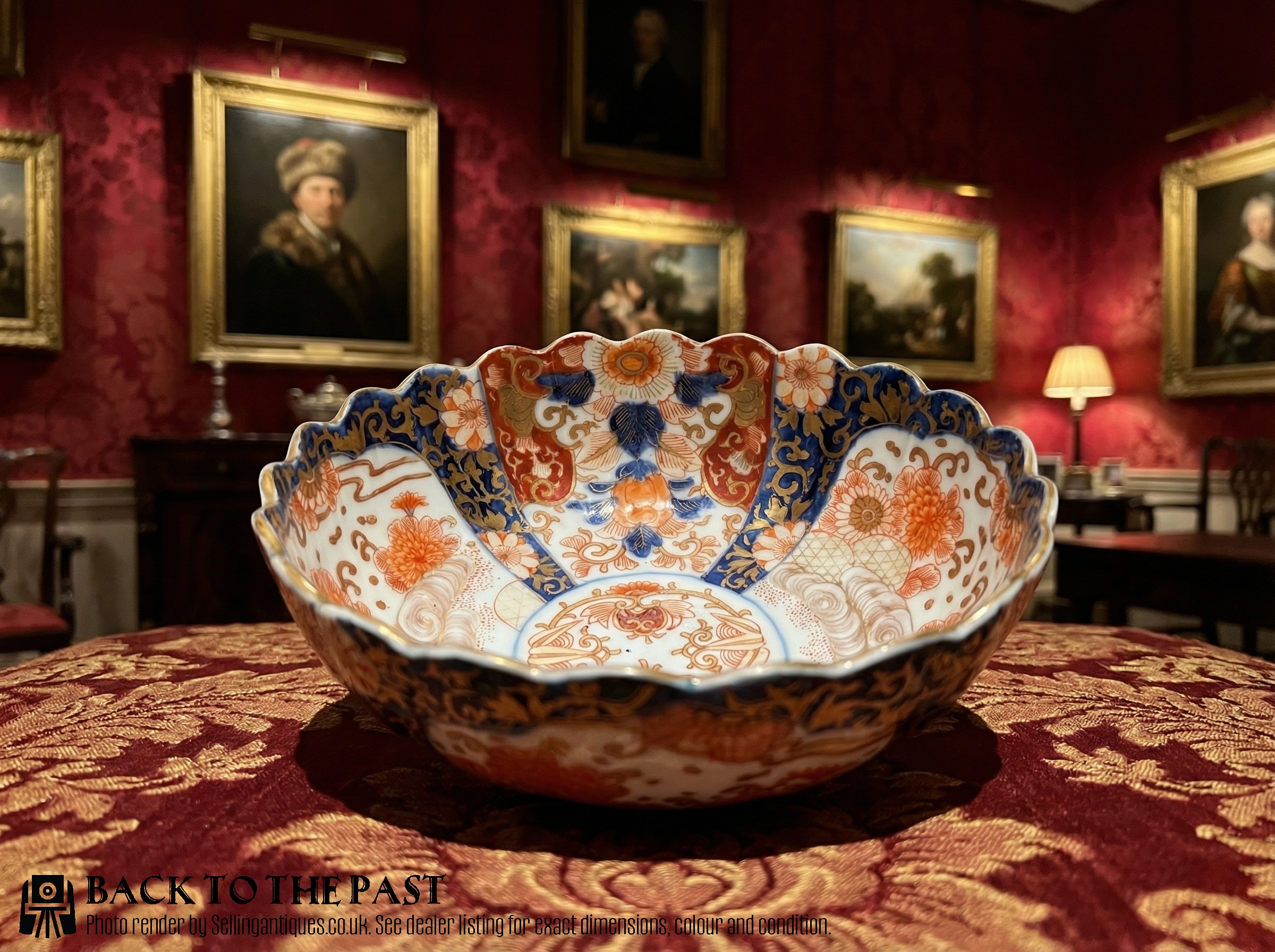
An arita porcelain bowl represents a rich history of Japanese ceramic production originating from the Hizen province, spanning from the seventeenth century through to the twentieth century. These vessels appear in forms such as deep centrepieces, shallow dishes, scalloped edge vessels, and large jardiniere examples.
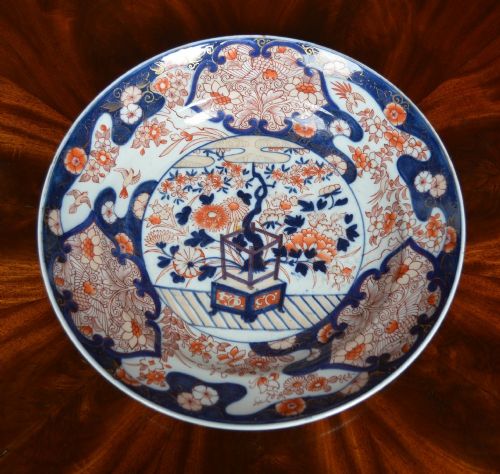
Buyers will most frequently encounter nineteenth-century pieces decorated in the Japanese Imari style, alongside earlier seventeenth-century and eighteenth-century blue and white or polychrome designs. The selection also includes plates, chargers, and tripod bowls reflecting distinct periods like the Edo and Meiji eras.
The objects serve both decorative and functional roles in interior spaces, functioning as striking table centrepieces or cabinet displays. Their enduring appeal lies in the combination of traditional forms and intricate surface decoration.
How They Were Made
Potters utilised fine ceramic clay to form the body of each arita porcelain bowl before applying cobalt underglaze pigments. This foundational blue decoration was often combined with enamel colours and gold leaf applied over the glaze during subsequent firings.
Techniques evolved across the Edo and Meiji periods, incorporating hand-painted motifs of cranes, koi carp, and floral patterns. The application of gilt and colourful enamel created the rich visual depth characteristic of Japanese Imari wares.
Swim past the usual floral patterns to find koi carp swimming happily across nineteenth-century fish bowls.
What Varies in Quality
The fineness of the porcelain body and the precision of the hand-painted brushwork distinguish standard utilitarian wares from superior examples. Crispness in the cobalt underglaze and careful application of enamel and gold leaf indicate superior craftsmanship.
The complexity of the form, such as scalloped edges, clam shell contours, or tripod supports, influences the standing of a piece. Preservation of the original glaze and minimal wear to surface gilding further separate the best examples from heavily used items.
Fukagawa Porcelain
The Arita Porcelain Bowl Glossary
- Arita
- The Japanese town and surrounding region in Hizen province famous for producing porcelain since the early seventeenth century. It remains the historic heartland of Japanese ceramic manufacturing.
- Imari
- A style of Japanese export porcelain characterised by a palette of cobalt blue, iron red, and gold. Pieces often feature dense floral and brocade patterns.
- Meiji Period
- The era of Japanese history lasting from 1868 to 1912, associated with rapid modernisation and a surge in decorative arts exported to Western markets. Objects from this time often display meticulous hand-painted detail.
- Edo Period
- The period spanning from 1603 to 1868 marked by relative peace and the flourishing of domestic arts and crafts. Early arita wares originate from the latter half of this era.
- Cobalt Underglaze
- A blue pigment applied to the raw ceramic body before glazing and firing at high temperatures. This technique ensures the colour remains permanent and protected beneath the glassy surface.
Arita Porcelain Bowl: Frequently Asked Questions
What is the difference between Imari and blue and white?
While blue and white pieces rely solely on cobalt underglaze pigment fired beneath a clear glaze, Imari wares incorporate additional enamel colours such as iron red and gold leaf. This polychrome palette creates a much richer and more decorative surface effect.
Both styles emerged from the same kilns in Hizen province but served different aesthetic preferences in domestic and export markets. Collectors often appreciate the contrast between the quiet restraint of blue and white and the vibrant energy of Imari.
How should I display a scalloped edge bowl?
These vessels work well as standalone centrepieces on dining tables or wooden stands where the complex rim shape is fully visible. Placing them in well-lit cabinets also protects the delicate enamel and gold leaf decoration from accidental damage.
Ensure the support surface is stable and level, particularly for tripod bowls or shallow dishes. Avoid placing them in areas of direct sunlight to preserve the vibrancy of the overglaze enamels over time.
Are these bowls suitable for daily use?
Antiques of this age warrant careful handling and are generally best reserved for display rather than heavy domestic service. The overglaze enamels and gold leaf can wear away with frequent washing and physical contact.
Gentle cleaning with a soft, dry cloth is recommended to maintain the surface condition. Avoid abrasive cleaners and immersion in hot water to protect the historic glaze.