



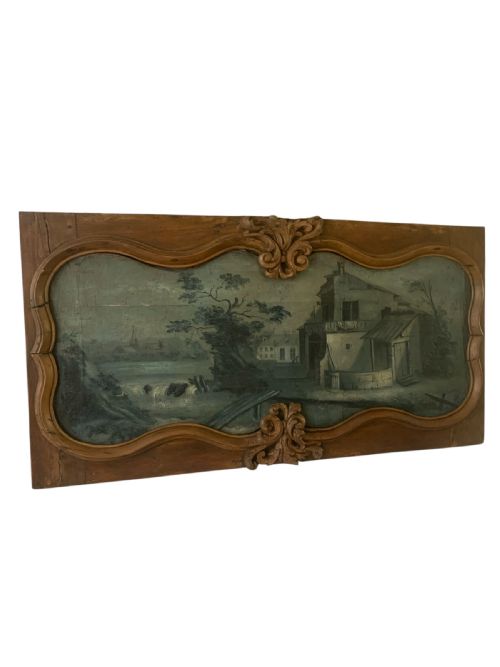
Architectural Landscape Oil Painting
An architectural landscape oil painting brings grand bridges, ancient castles, and sunlit European townscapes straight into your home.
Architectural Landscape Oil Painting
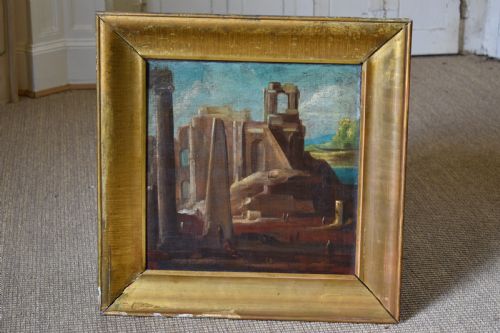
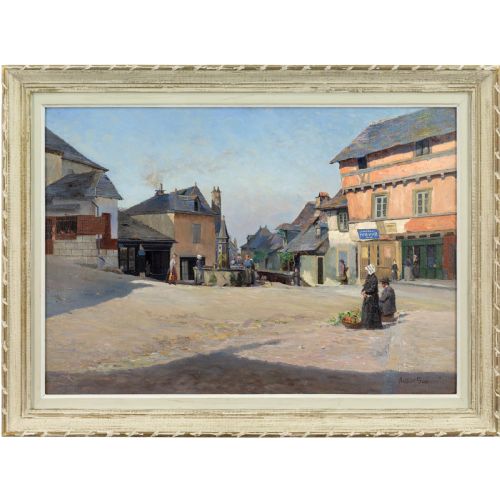
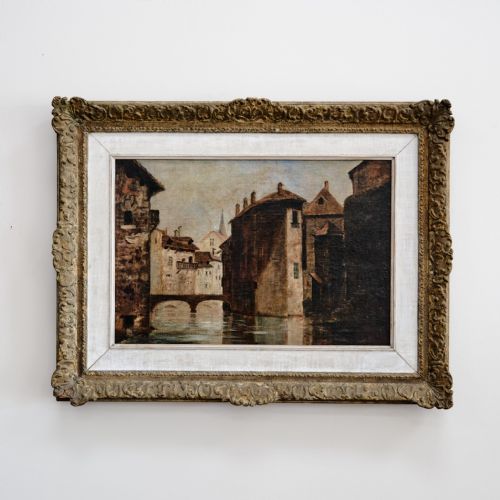
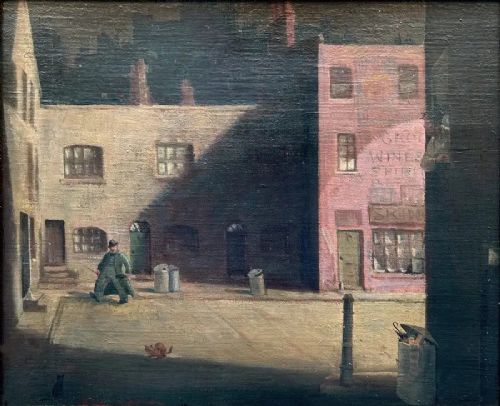
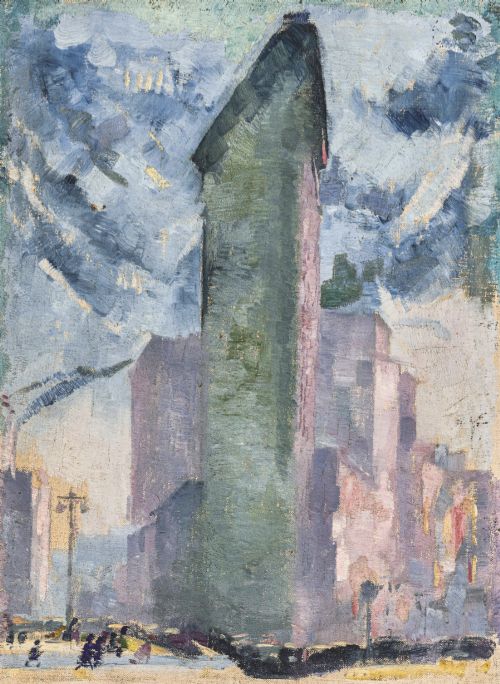
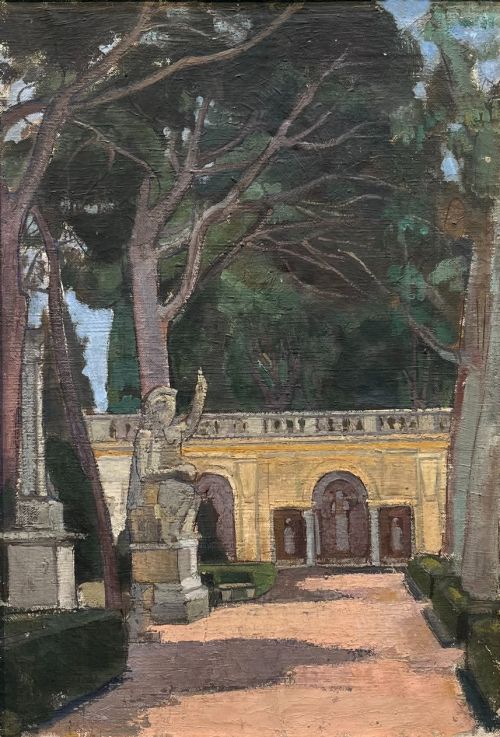
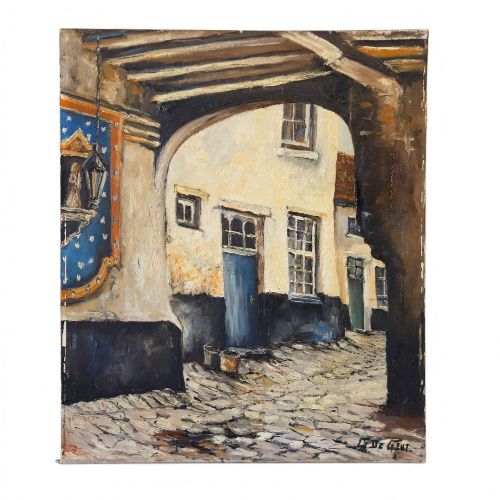
An architectural landscape oil painting captures the interplay between human structures and the natural world, ranging from sweeping Italianate vistas to precise studies of British bridges and foreign townscapes. These works anchor a room with a distinct sense of place and historical depth.
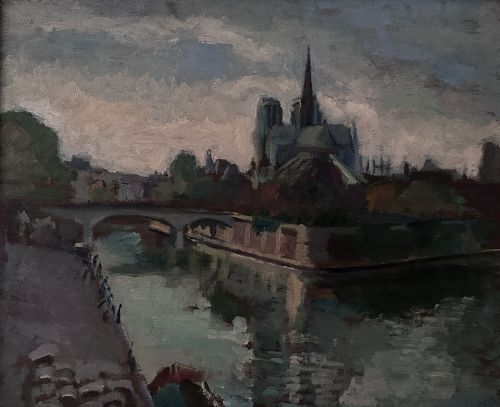
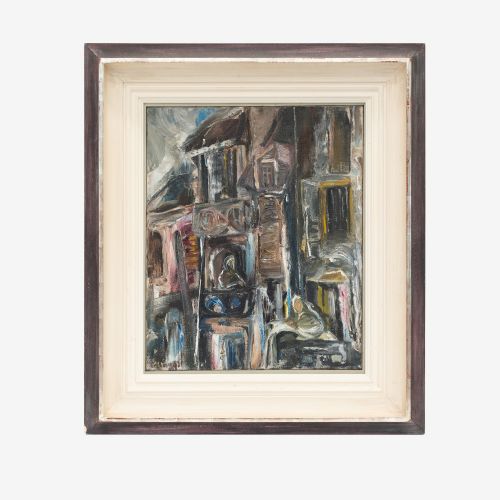
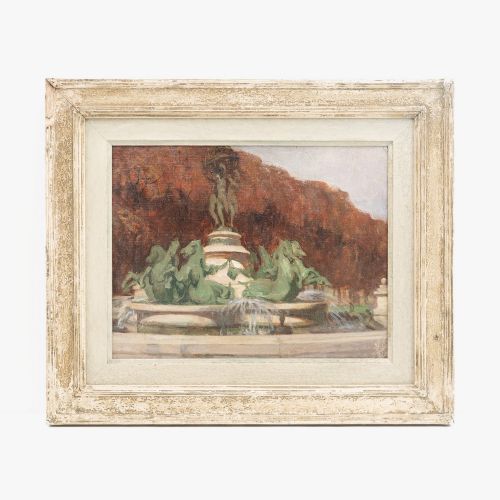
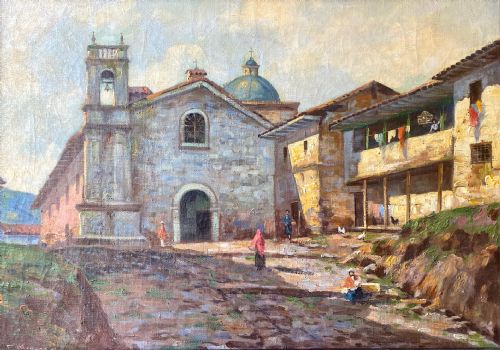
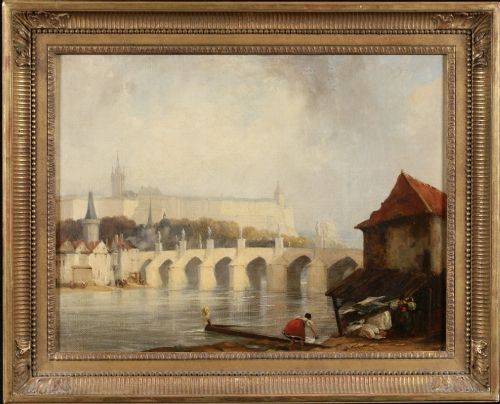
The pieces appearing here span several centuries, including late eighteenth-century Scottish School compositions, nineteenth-century English depictions of Prague, and twentieth-century Modern British and Post-Impressionist interpretations. Buyers frequently encounter works executed on canvas and board, framed in period giltwood and gesso.
Subjects stretch across familiar domestic scenes and continental travels, uniting classical ruins, gothic arches, and Mediterranean olive groves within a single artistic tradition. Each piece reflects the specific palette and mood of its era, from romantic idealism to mid-century observation.
Materials and techniques
Artists built these compositions primarily using oil paint applied to either stretched canvas or sturdy board. The medium allowed for rich layering, subtle colour blending, and varied brushwork ranging from tight academic precision to looser impressionistic strokes.
Period framing typically involves carved giltwood enriched with plaster and gesso ornament. These traditional surrounds provide structural stability while enhancing the visual warmth of the painted surface.
Architectural Landscape Oil Painting Retail Price Guide 2026
Typical asking prices for architectural landscape oil painting among the pieces listed under this phrase on Sellingantiques today, from the lower quarter to the upper quarter. They describe what is for sale here now, not the wider market.
Listings feature works spanning from the late eighteenth century through to the nineteen-sixties, utilising both canvas and board supports.
Judgements of quality
Quality rests upon the artist's command of perspective, light, and structural proportion within the architectural elements. Stronger examples demonstrate confident handling of stone facades and shadows, whereas weaker works struggle with spatial depth.
The integrity of the original surface and the harmony of the framing elevate certain works above others. Pieces retaining their undisturbed oil layers and period giltwood surrounds offer a more complete historical presence.
The Architectural Landscape Oil Painting Glossary
- Oil on Canvas
- A traditional painting medium where oil pigments are applied to a woven fabric support stretched over a wooden frame. This combination allows for a resilient surface that records fine textural details.
- Giltwood
- Timber decorated with a thin layer of gold leaf, frequently utilised for nineteenth-century and earlier picture frames. It adds a reflective border that complements the warm tones of an oil painting.
- Gesso
- A plaster-like mixture applied to wooden frames before gilding to create a smooth, sculptural base for ornamentation. It provides the crisp relief seen on period mouldings.
- Italianate
- An artistic style drawing inspiration from the architecture, light, and landscape of Italy. Painters often incorporate classical ruins and rolling hills.
- Post-Impressionism
- A French-born artistic movement following Impressionism that prioritises expressive brushwork and emotional resonance over strict naturalism. Artists working in this manner use bold colour to structure their landscapes.
Architectural Landscape Oil Painting: Frequently Asked Questions
How do I date an architectural painting?
Dating relies on the materials used, the style of the clothing or architecture depicted, and the framing. Canvas types and stretcher construction also offer reliable clues to the period.
Examining the artist's palette and signature style helps narrow down the decade of creation.
Are these paintings ready to hang?
Most arrive fitted with traditional giltwood or wooden frames suitable for immediate display. Their structural integrity is typically verified by the dealer.
Ensure your wall space accommodates the weight of heavy plaster and gesso frames securely.
How should I clean an oil painting?
Dust the surface gently with a soft, dry brush and avoid using any liquids or household cleaners. Moisture can damage both the oil pigments and the underlying canvas.
Professional conservation is recommended for removing deeper grime or yellowed varnish.
What is the difference between canvas and board?
Canvas consists of woven fabric stretched over a wooden frame, offering slight give and a textured surface. Board provides a rigid, flat support favoured for smaller or plein-air studies.
Both materials have been utilised across centuries of landscape painting.