



Antique Impressionist Landscape
When you search for antique impressionist landscape, you are entering a world of brisk brushwork, natural light, and quiet outdoor scenes captured across Britain and Europe.
Antique Impressionist Landscape
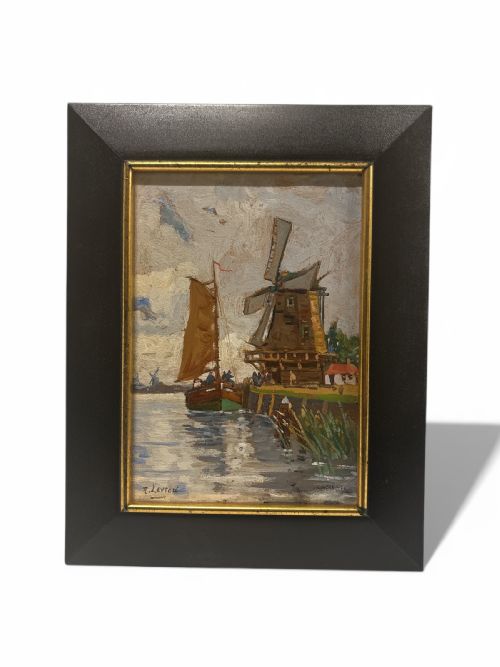
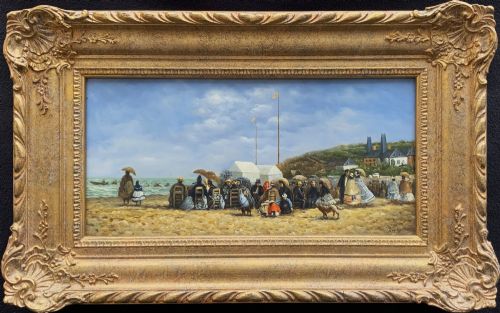
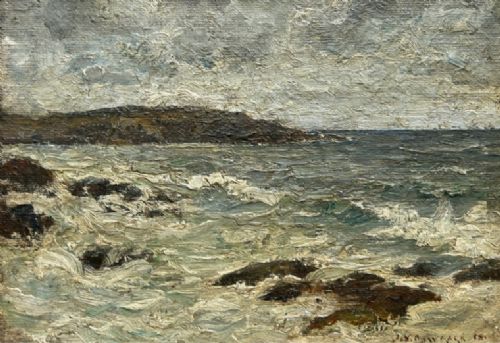
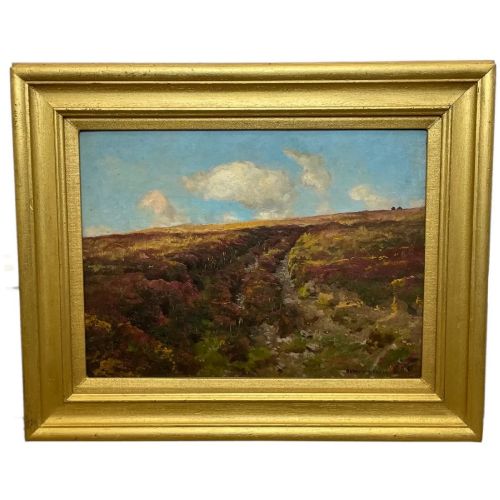
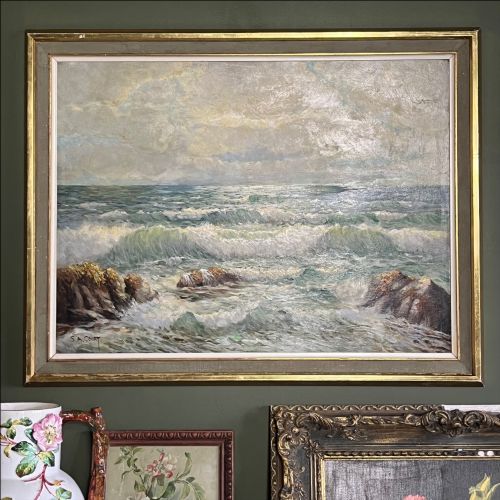
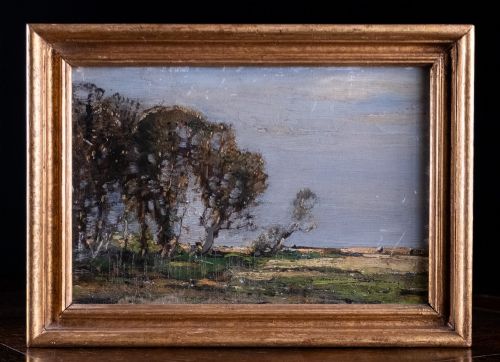
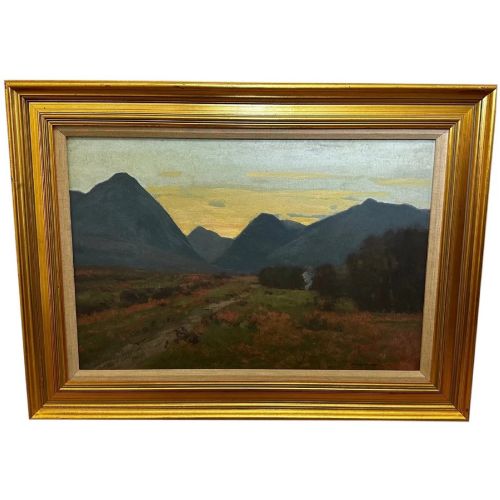
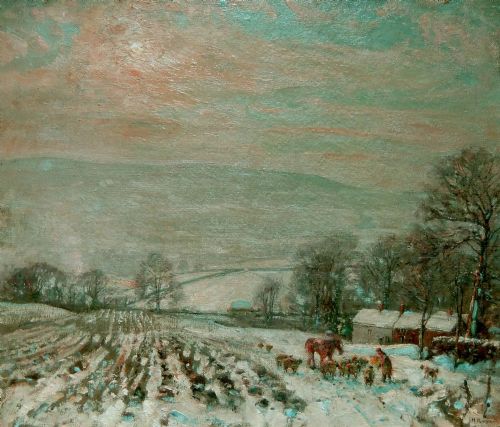
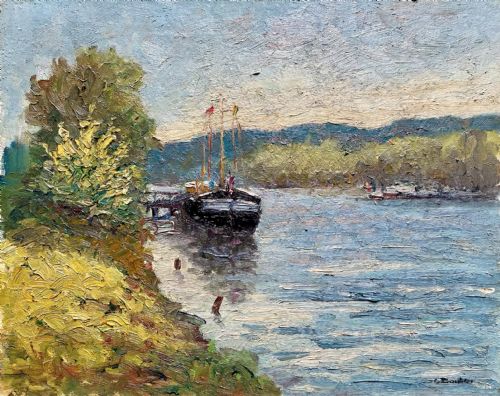
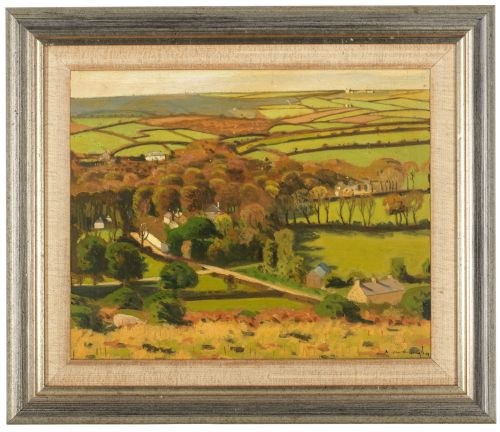
An antique impressionist landscape captures the fleeting effects of light and weather in open-air settings, focusing on rural views, coastal scenes, and riverbanks. When you browse this phrase, you encounter oil paintings and watercolours originating predominantly from the late nineteenth century through to the mid-twentieth century.
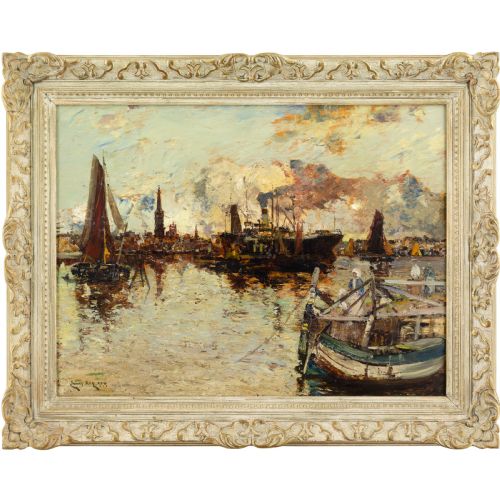
The versions you meet most frequently on this page span British, French, and wider continental traditions, often rendered on canvas, board, or paper. These works celebrate everyday topography, from quiet village streets and pastoral fields to bustling harbours.
Makers and regional schools range from named artists exhibiting at major institutions to accomplished anonymous hands working within the prevailing impressionist and post-impressionist idioms. Each piece preserves a distinct painterly reaction to nature, rooted in specific localities across Britain, France, Italy, and beyond.
Materials and technique
Artists built these compositions primarily using oil paint applied to canvas, wood panels, or paper boards, often employing visible, rapid brushstrokes to suggest movement and atmosphere. Impasto application frequently brings texture to highlights such as water or foliage.
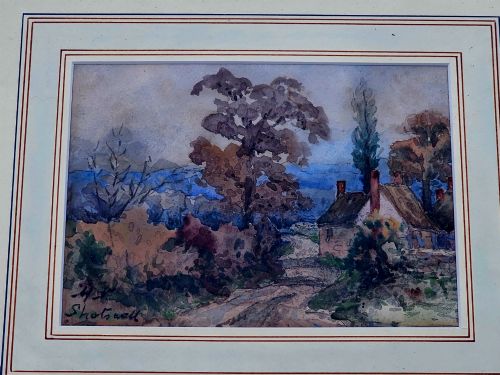
Watercolour variants rely on fluid washes and rapid paper manipulation to capture ephemeral light effects outdoors. Many of these works retain their original gilt and gesso frames, which complement the tonal palette of the painted surface.
Several artists recorded quiet moments of sheep grazing, suggesting that even impressionist landscapes occasionally required a very patient woolly audience.
Markers of distinction
The strength of a composition rests on the artist's command of light, tonal harmony, and spatial depth, where confident brushwork conveys atmosphere rather than rigid detail. Superior examples demonstrate a deliberate structural rhythm beneath the loose surface marks, holding the viewer's eye across the entire plane.
Material preservation also sets works apart, particularly the stability of the paint layer on canvas or panel and the absence of heavy overpainting or structural distortion. Original frames appropriate to the period contribute significantly to the integrity and visual weight of the piece.
R Leyton·George Graham·Arthur Wardle·Kershaw Schofield·George Houston·Herbert Royle·William Banks Fortescue·James Kay·Augusto Alberici·Gabriel Mathieu·Arthur Gué·Charles Houben·Hector Caffieri·Francisco Sancha·Alfred Wolmark·Eric Brown·Willem Bos·Henri Ottmann·Ernest Higgins Rigg·John Hodgson Lobley·Sir Alfred East·Cecil Allan Mould·Rene Levrel·Maud Raphael Jones·L. De Gent
The Antique Impressionist Landscape Glossary
- Impasto
- Paint applied thickly to a canvas or panel, standing out in relief from the surface. This technique adds tactile dimension to elements like sunlight on water or rough bark.
- Post-Impressionism
- An artistic movement extending impressionist methods while emphasising more symbolic content, heavier outlines, or expressive forms. Painters working in this vein pushed colour and structure beyond pure optical realism.
- Barbizon School
- A mid-nineteenth-century French movement dedicated to naturalistic landscape painting. Artists associated with this group worked directly from nature, laying groundwork for later impressionist plein-air painting.
- Provenance
- The documented history of ownership surrounding a work of art. A clear lineage helps confirm authenticity and exhibition history.
Antique Impressionist Landscape: Frequently Asked Questions
What is an antique impressionist landscape?
These works are paintings from the nineteenth or early twentieth centuries that record natural scenery using loose brushwork and an emphasis on shifting light. They capture outdoor subjects such as rivers, fields, and coastal paths.
Created during the height of the impressionist movement and its subsequent adaptations, they reflect a shared desire among artists to paint outdoors and record immediate atmospheric conditions.
How were these paintings displayed?
Most of these works were framed in wooden mouldings finished with gesso and gilt, designed to complement the tonal palette of the canvas. These surrounds often reflect the aesthetic tastes of the Victorian or Edwardian eras.
Collectors generally maintain these period frames where original, as they provide historical context and structure the visual boundary of the landscape.
How do I care for an oil on canvas?
Keep paintings away from direct sunlight, high humidity, and rapid temperature fluctuations to protect the canvas and paint layers. Gentle dusting with a soft, dry brush is usually sufficient for surface maintenance.
Avoid using liquid cleaners or abrasive materials on the painted surface or the gilt frame, as these can cause permanent damage.
How can I tell the period of a landscape?
Stylistic clues, support materials such as board or canvas type, and framing conventions help establish the era of creation. Signatures, exhibition labels, and artist biographical dates offer further confirmation.
Comparison with documented works by regional British or continental schools provides additional context for dating uncredited pieces.