

Architectural Landscape Artwork
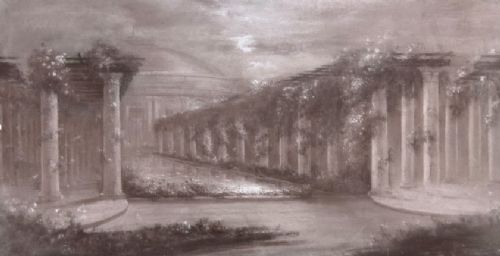
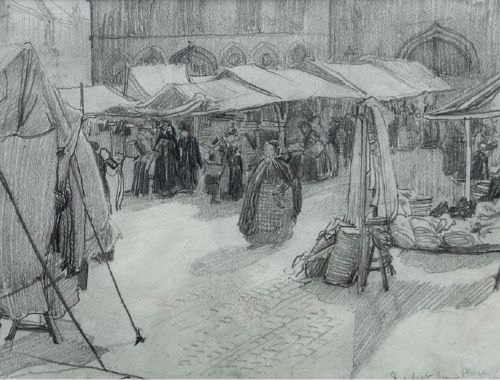
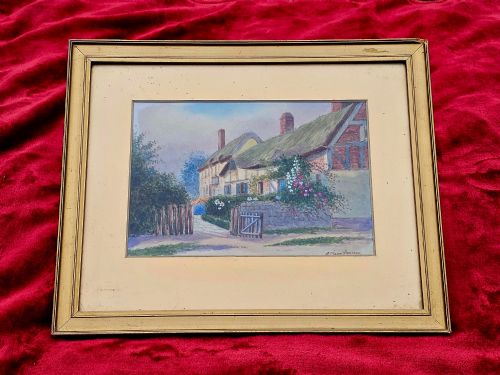
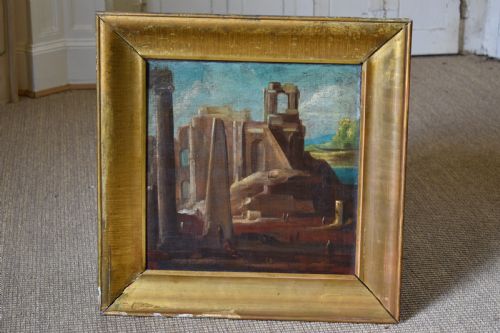
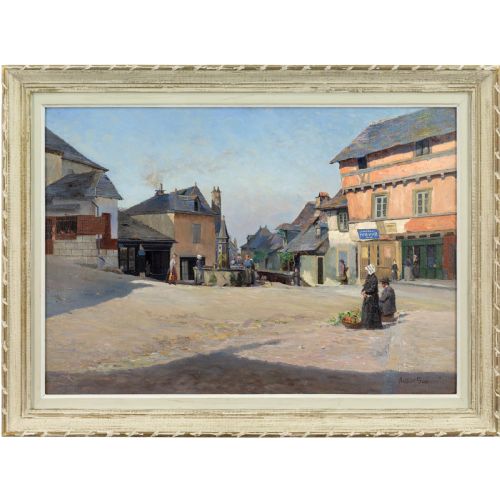
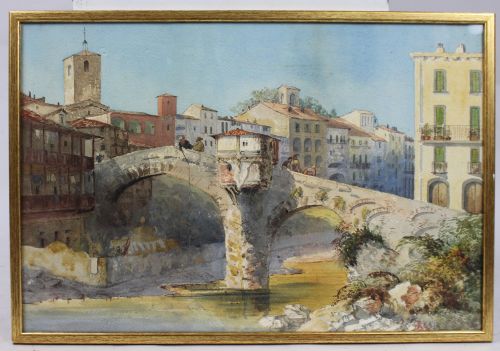
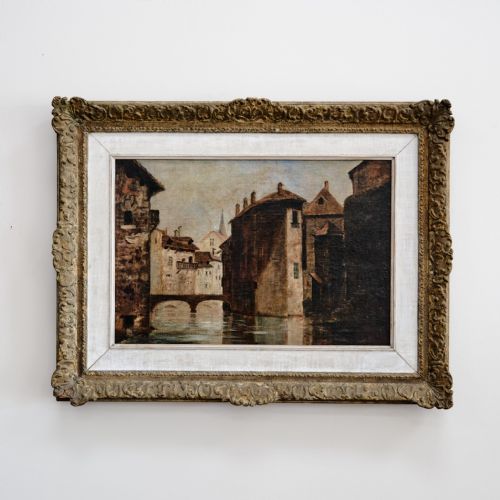
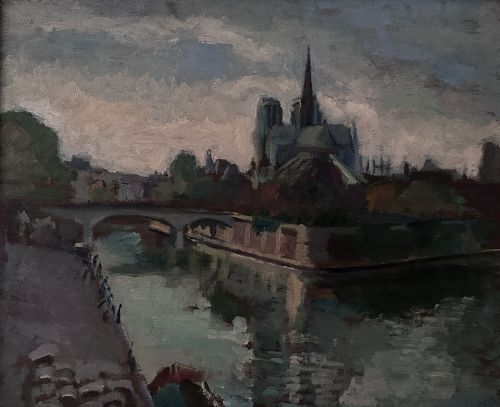
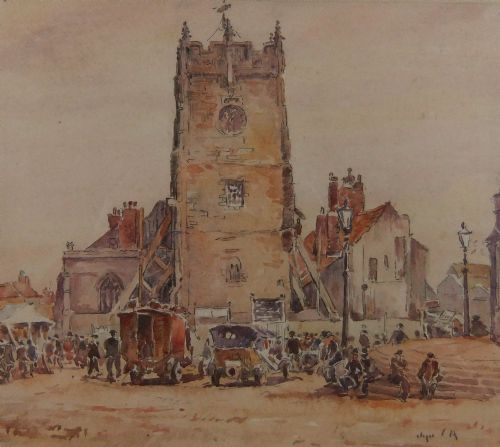
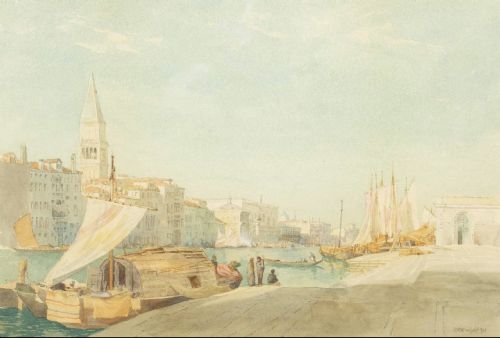
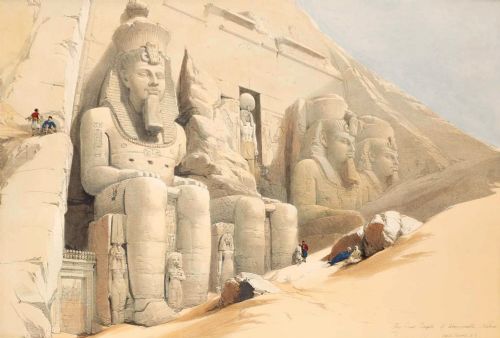
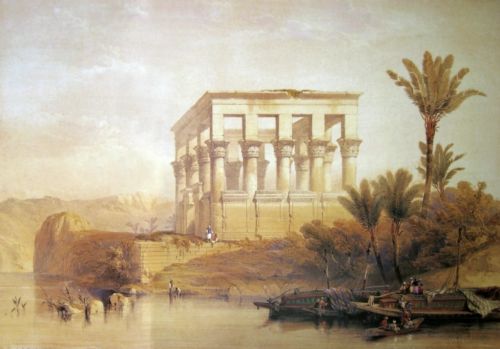
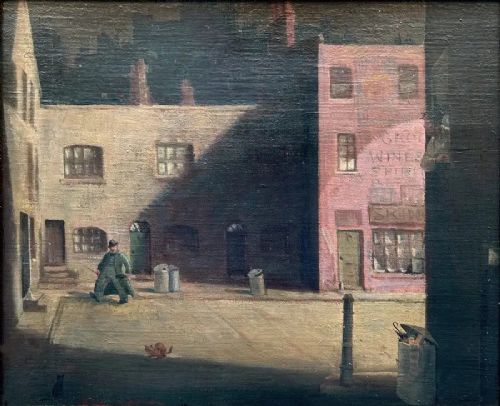
These architectural landscape artwork pieces capture streets, monuments, and buildings anchored in open settings, offering buyers a window into historic towns and cities.
Architectural Landscape Artwork
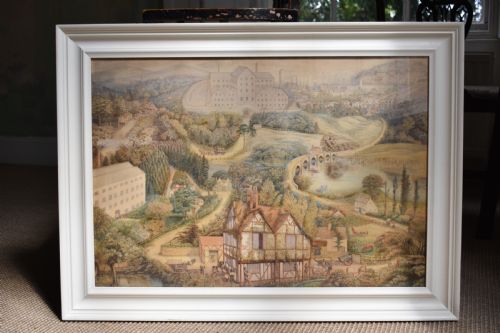
Architectural landscape artwork spans centuries of depicting urban views, street scenes, and historic buildings set against natural or town environments. Buyers searching for architectural landscape artwork encounter watercolours, oil paintings, and drawings from the nineteenth and twentieth centuries.
The selection here includes works originating from British, French, Italian, and Latin American hands. Subjects range from Venetian canals and European town squares to cathedrals and grand monuments.
Most examples date from the Victorian period through to the mid-twentieth century, encompassing Edwardian watercolours and Post-Impressionist oils. Forms vary from small pencil sketches on paper to large canvas oils.
How they were made
Artists deployed oil paint and watercolours upon canvas, paper, wood panels, and boards. Many works combine ink, charcoal, and pencil mediums to render fine structural details of facades and streets.
Framed panels utilise pietra dura techniques alongside traditional stretched canvases and paper attached to stretchers. Pigments are applied via brushwork, impasto, and delicate washes.
Periods represented span from the nineteenth century through the Victorian era up to mid-century modern.
What varies in quality
Mastery over perspective and spatial depth distinguishes superior architectural renderings from stiffer compositions. The handling of light, shadow, and atmosphere across stone and masonry elevates the visual impact.
The finesse of line work in pencil and charcoal drawings dictates the clarity of the built environment. Subtlety in colour palette and brush control separates standard topographical records from accomplished artistic interpretations.
Henry Percy Huggill·Thomas Ellison·A Marie Parsons·Arthur Gué·John Smith Atherton·Richard Henry Wright·David Roberts·Anton Ignaz Melling·Alfred Wolmark·Henry de Waroquier·Robert Leslie Howey·Lilian Colbourn·Alexander Jamieson·Paul Élie Gernez·Fred Lawson·Sir Thomas Newenham Dean
The Architectural Landscape Artwork Glossary
- Watercolour
- A painting method where fine pigment is suspended in water-soluble binders and applied to paper. It allows for translucent washes and delicate atmospheric effects.
- Impasto
- Paint laid on an area of the surface in very thick layers, usually thick enough that the brush or painting-knife strokes are visible. This technique adds tactile dimension to buildings and skies.
- Pietra dura
- An artistic technique using cut and fitted polished coloured stones to create images. It results in durable, smooth pictorial panels.
- Post-Impressionism
- An art movement extending Impressionism while rejecting its limitations. Artists prioritised symbolic content and heavy structural brushwork.
- Canvas stretcher
- A wooden framework that holds a piece of canvas taut. Paintings are secured to these frames before framing or display.
Architectural Landscape Artwork: Frequently Asked Questions
What is architectural landscape artwork?
These works depict built structures, streets, and monuments integrated into landscapes or urban settings. They range from precise topographical watercolours to expressive oil paintings.
Creators utilise various media on paper, canvas, and board to capture historical buildings across different countries.
How should I care for these paintings?
Keep works on paper and canvas away from direct sunlight to prevent fading of watercolours and oil pigments. Maintain stable indoor humidity levels to protect wooden stretchers and paper supports.
Display pieces in rooms with minimal temperature fluctuations and ensure framing protects the surface from dust.
How do I identify the period?
Examine the framing materials, paper types, and stretcher construction alongside any visible artist signatures or dates. Stylistic cues such as Victorian realism or mid-century abstraction offer further chronological context.
Inscriptions on the reverse or attached labels often record specific locations and dates of creation.
Where were these scenes typically painted?
Artists travelled widely across Britain, France, Italy, and the Middle East to record famous monuments and everyday street scenes. Popular destinations included Venice, Paris, Rome, and historic British towns.
Many works originate from artists recording views during travels or through formal institutions like the British School in Rome.